


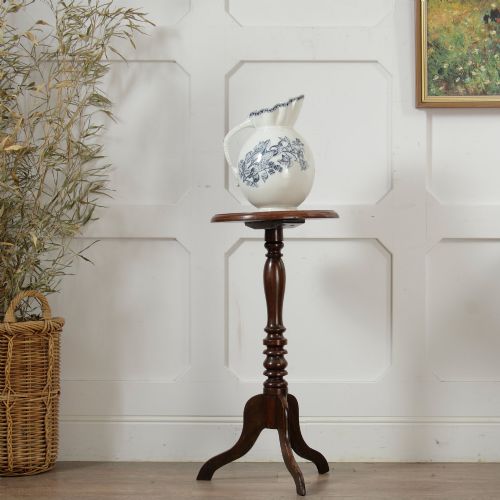
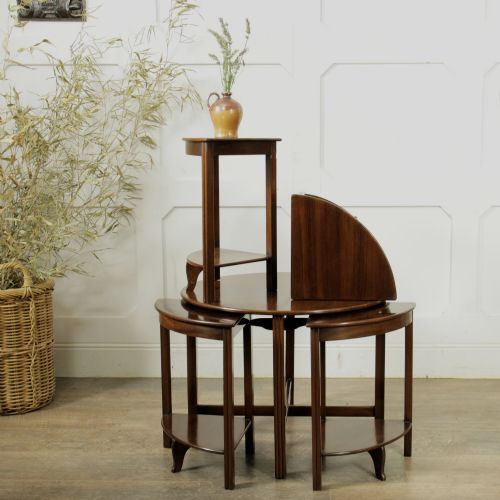
Dark Mahogany Accent Table
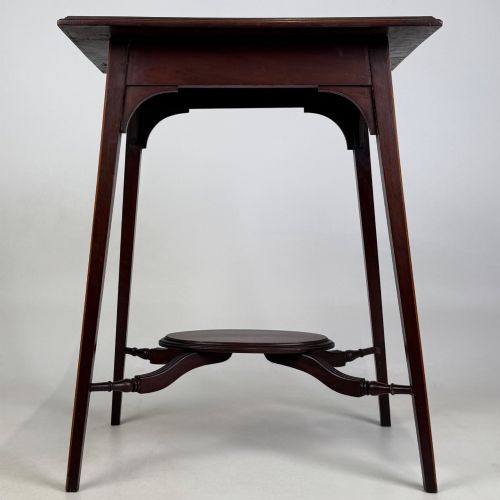
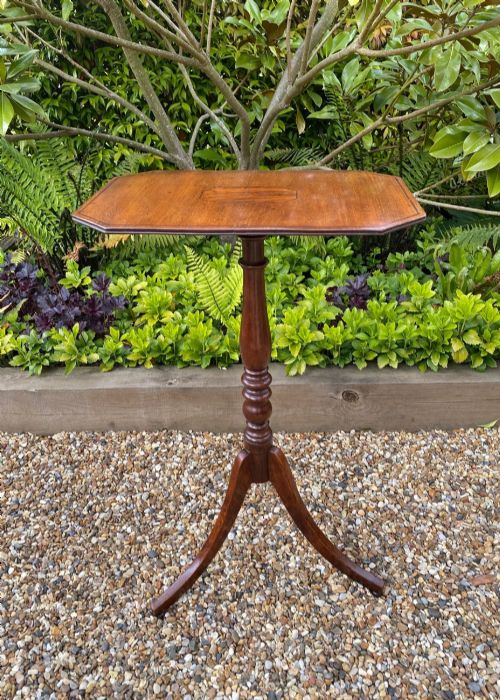
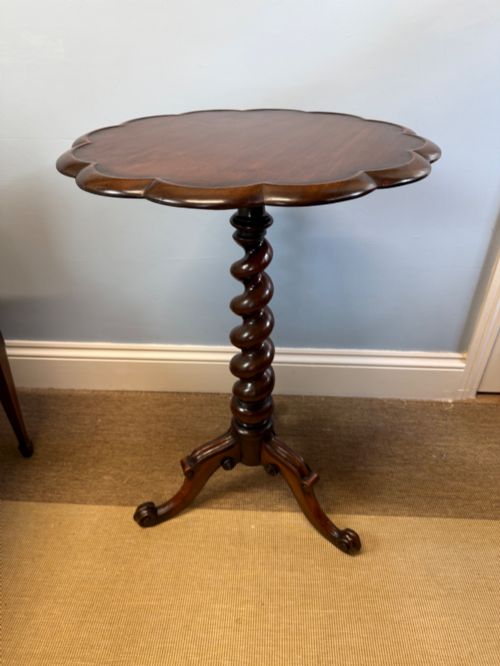
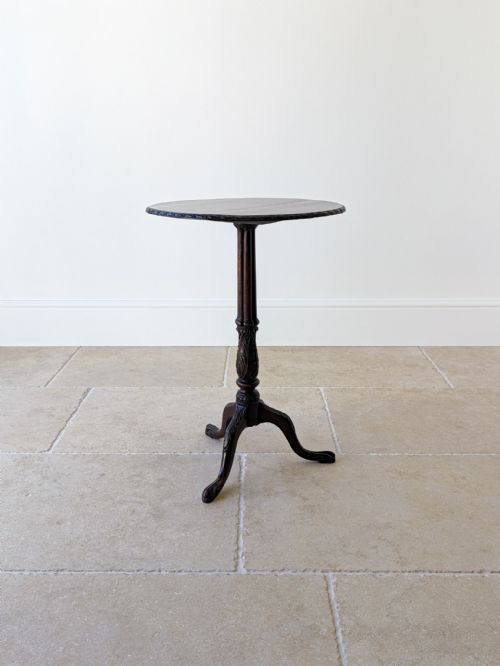
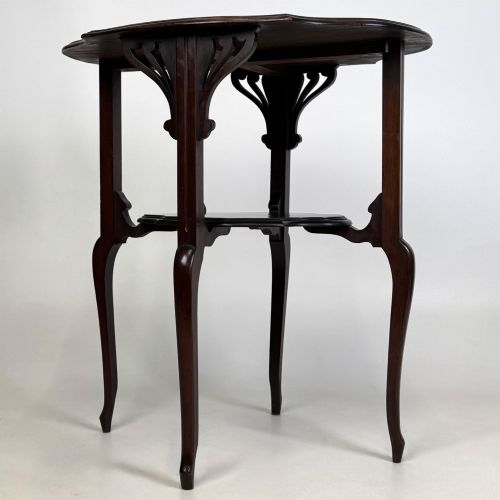
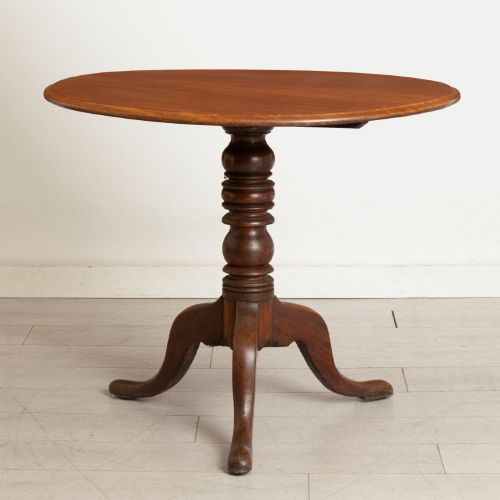
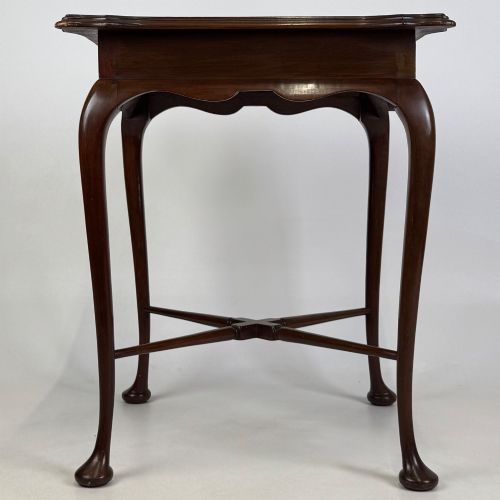
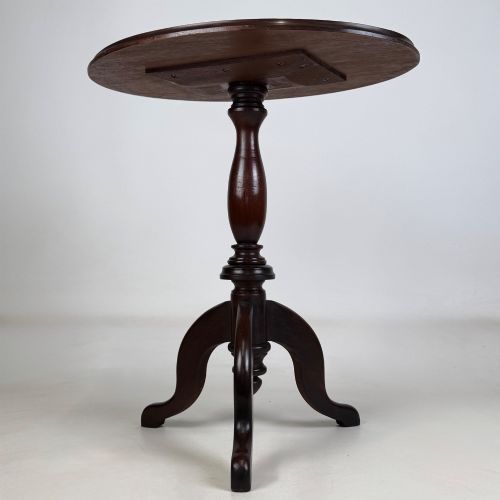
A dark mahogany accent table brings rich timber tones and compact function to a room, spanning forms from Georgian tripod stands to Edwardian nests.
Dark Mahogany Accent Table
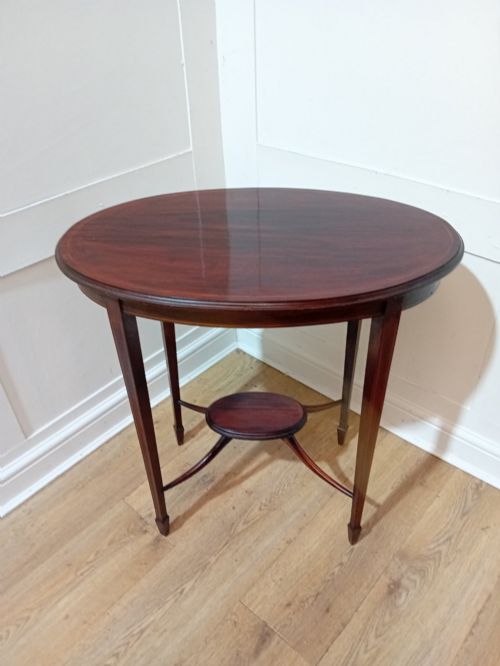
A dark mahogany accent table encompasses various compact stands designed for occasional use in sitting rooms and bedrooms. These pieces appear across multiple eras, with strong representation from the Georgian, Victorian, and Edwardian periods.
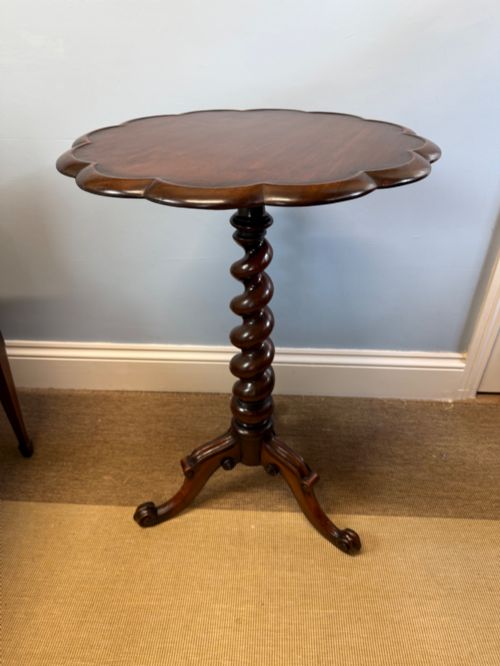
Buyers frequently encounter occasional tables, wine tables, and tripod bases among the current selection. These versatile forms served traditional functions for holding lamps, tea, or books.
Origins range from formal 18th-century workshops to late 19th-century revival pieces modelled on earlier designs. The selection balances early craftsmanship with later domestic iterations.
Materials and construction
Timber selection centres on mahogany, often complemented by secondary woods such as satinwood, boxwood, and cherry wood. Cabinetmakers utilised these materials for both structural stability and decorative contrast.
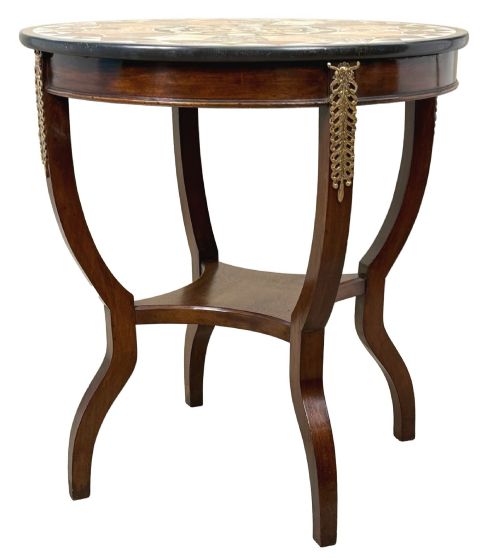
Surface ornamentation occasionally incorporates brass mounts, marble tops, and intricate inlaid wood details. Construction techniques include traditional joinery, tilt-top mechanisms, and tripod pillar supports.
Listings feature mahogany combined with decorative satinwood, boxwood, and marble across Georgian, Victorian, and Edwardian periods.
Judging the work
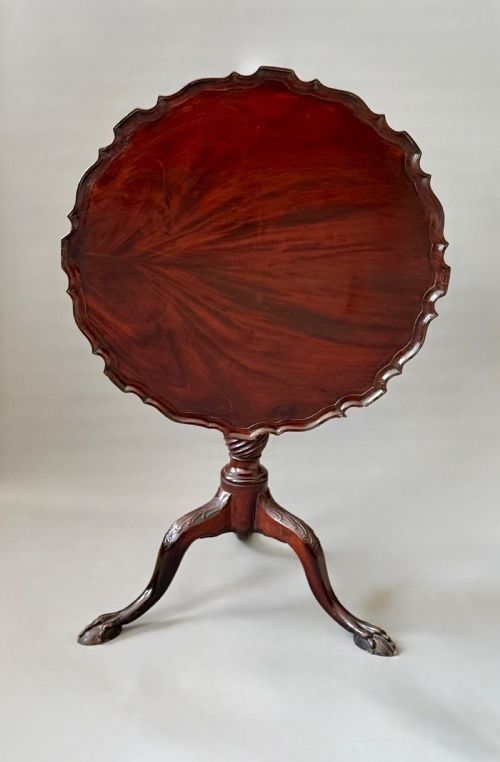
Distinctions in quality rest upon the crispness of carved details, such as pie crust rims and scroll work, alongside the depth of the timber grain. Finer examples display harmonious proportions and careful selection of figured veneers.
The integrity of the construction, including the fit of the joints and the original operating action of tilt-tops or drop leaves, separates standard domestic output from superior cabinetmaking.
Gregory & Co
The Dark Mahogany Accent Table Glossary
- Tripod table
- A small occasional table supported by a central pillar resting on three legs. These versatile stands became popular during the 18th century for serving wine or displaying small objects.
- Wine table
- A compact occasional table designed to hold a single glass or bottle. They often feature circular tops and tilt-top mechanisms for easy storage.
- Pie crust rim
- A raised, decoratively carved edge shaped in curves and lobes resembling a pastry crust. This technique appears on the tops of fine 18th-century and revival tripod tables.
- Etagere
- A set of open shelves or a tiered stand used for displaying small items. These pieces provide multiple levels of surface area within a compact footprint.
- Pembroke table
- A small drawer table with hinged flaps on either side that can be raised or lowered. It was developed during the 18th century as a versatile breakfast or writing surface.
Dark Mahogany Accent Table: Frequently Asked Questions
What is a dark mahogany accent table used for?
These compact tables serve functional roles beside seating, holding lamps, drinks, or decorative objects. Their modest proportions allow them to fit into corners or beside chairs without crowding a room.
Historically, specific forms like wine tables and spider leg tables were moved around domestic spaces as needed throughout the day.
How do I date a dark mahogany accent table?
Dating relies on examining construction methods, timber characteristics, and stylistic traits associated with periods such as Georgian, Victorian, or Edwardian. Leg profiles, turning details, and hardware all offer clues to the era of manufacture.
Revival pieces from the late 19th and early 20th centuries often emulate earlier 18th-century styles, so interior structural examination helps clarify the exact age.
How do I care for a mahogany table?
Maintenance involves keeping the timber away from direct heat sources and strong sunlight to prevent fading and drying of the wood. Regular dusting with a soft, dry cloth preserves the polished surface.
Applying appropriate traditional wax occasionally helps nourish the mahogany and maintain its natural depth of colour without building up heavy residues.