

Brown Wooden Pedestal Table
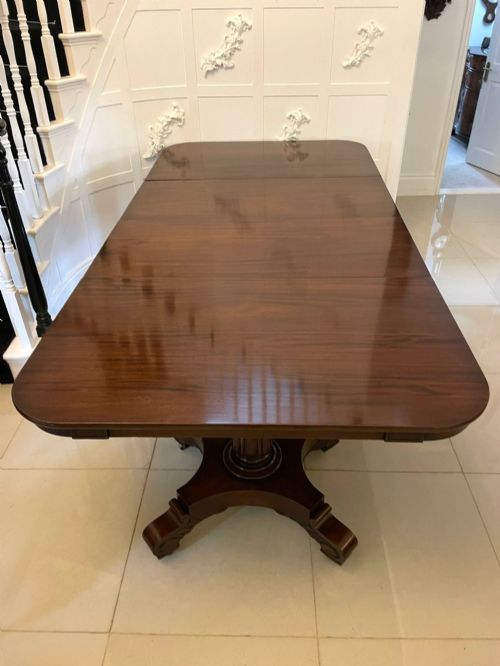
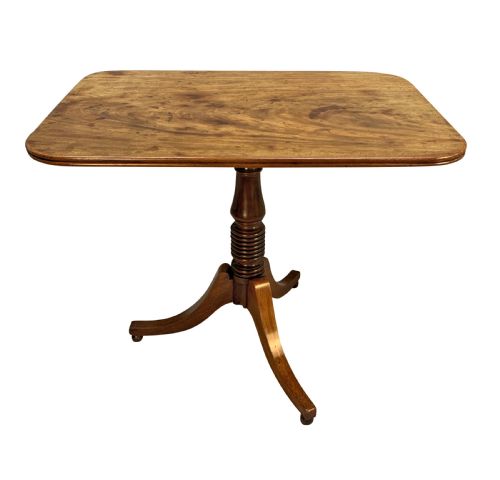
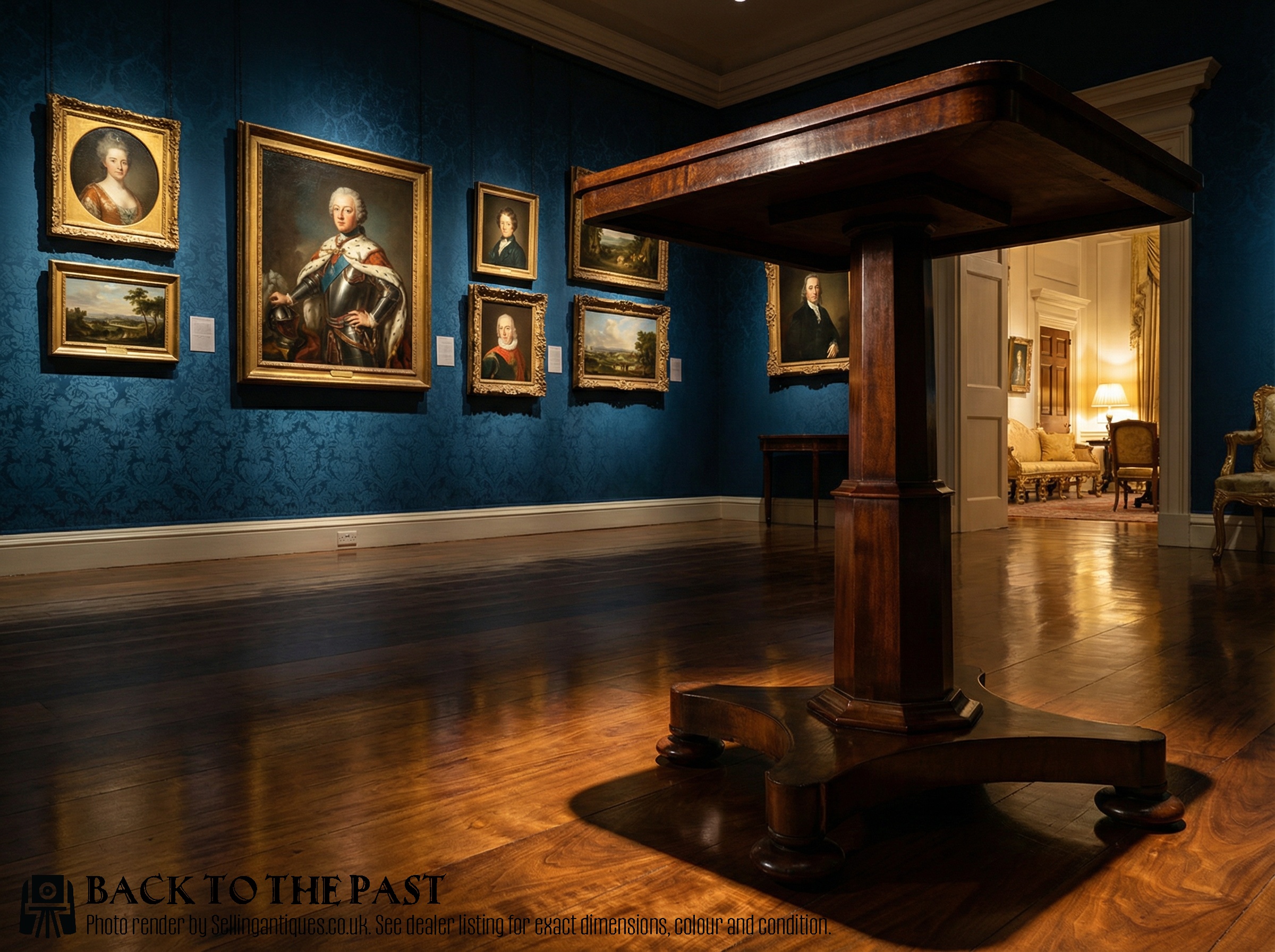
A brown wooden pedestal table grounds a room with a central support and timbers that span centuries of domestic use.
Brown Wooden Pedestal Table
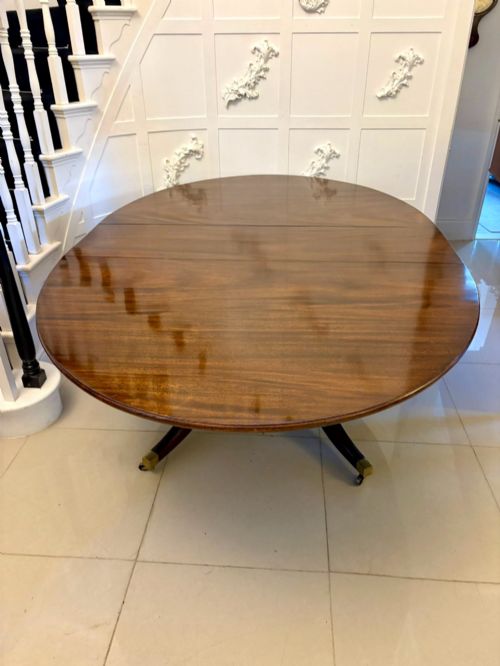
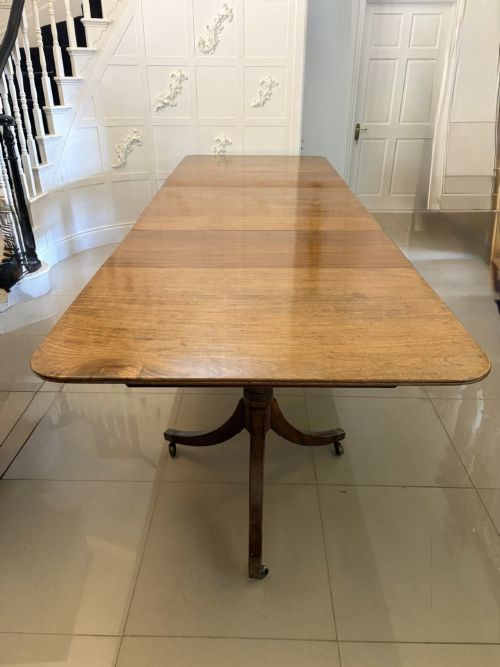
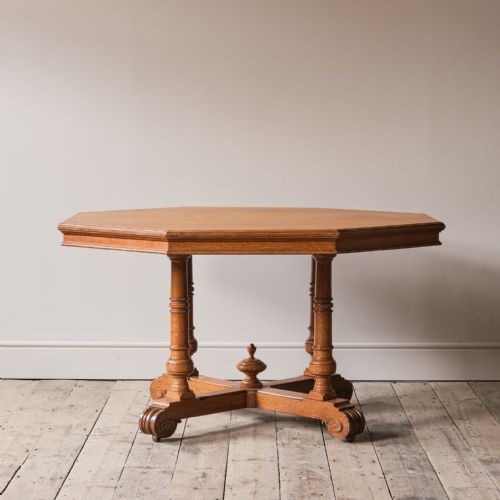
When searching for a brown wooden pedestal table, buyers encounter a diverse selection of furniture supported by a single central pillar or multiple pedestals, ranging from compact wine tables to large dining surfaces. The pieces listed span periods from the Georgian era through the Victorian, Edwardian, and Art Deco years, reflecting shifting domestic needs.
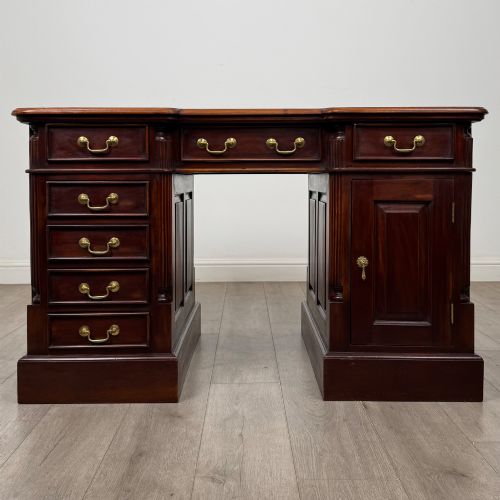
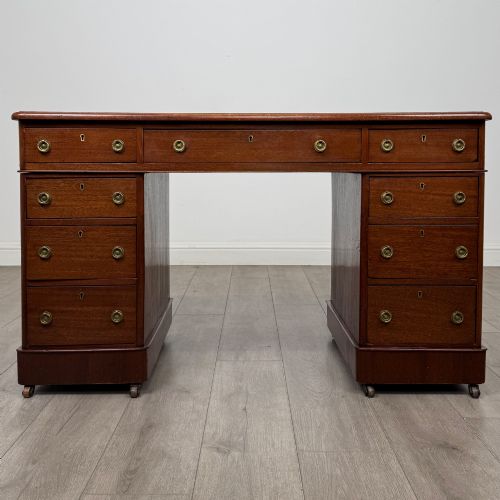
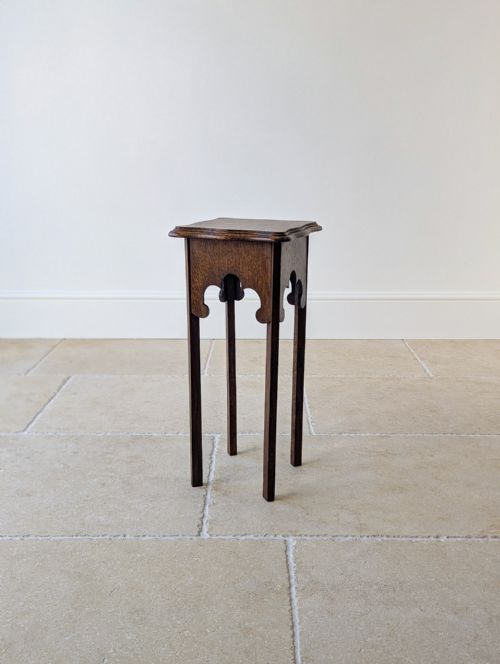
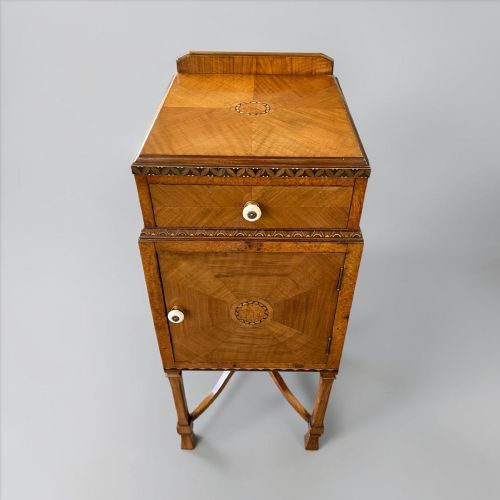
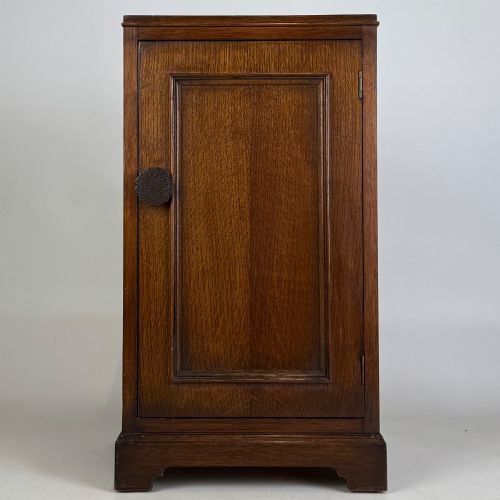
The forms on this page include desks, side tables, occasional tables, dining tables, bedside cabinets, plant stands, centre tables, and bedside tables. Among these, dining tables, side tables, and desks appear frequently, built to serve specific functions within living spaces, studies, and dining rooms.
How they were made
The construction relies heavily on timbers such as mahogany, oak, walnut, burr walnut, satinwood, fruitwood, rosewood, and elm. These woods are selected for their grain and durability, forming both structural frames and decorative veneered surfaces.
Makers incorporate brass hardware, leather inserts, and glass elements to finish desks and tables. Joinery techniques connect the central pedestals to tripod, quadrapod, or multi-pillar bases, providing stability for tilt-top mechanisms and heavy table tops.
Listings feature woods spanning mahogany, oak, walnut, burr walnut, satinwood, fruitwood, rosewood, and elm.
What varies in quality
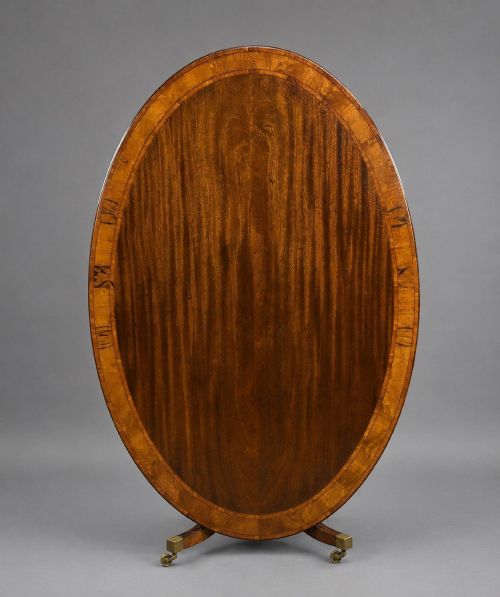
The selection of timber significantly alters the character of a piece, with figured mahogany, burr walnut, and inlaid satinwood sitting at the upper end of refinement compared to standard utility oak. Finer examples display meticulous attention to grain alignment on table tops and pedestals.
Carved details on pillars and bases demonstrate the hand of the maker, ranging from simple turned posts to elaborate Victorian carving and Art Deco geometry. The structural integrity of the central column connection dictates how well a table withstands daily use.
The Brown Wooden Pedestal Table Glossary
- Pedestal table
- A table supported by a central pillar resting on feet or a base. This design removes corner legs to allow greater legroom and seating flexibility around the edge.
- Tilt-top table
- A table with a mechanism that allows the top to pivot into a vertical position. This function enabled tables to be stored flat against a wall when not in use.
- Tripod table
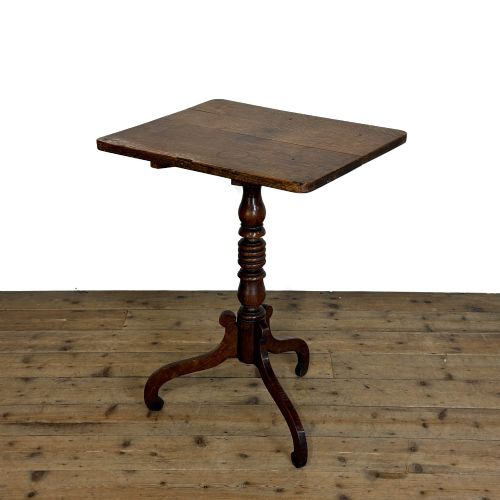
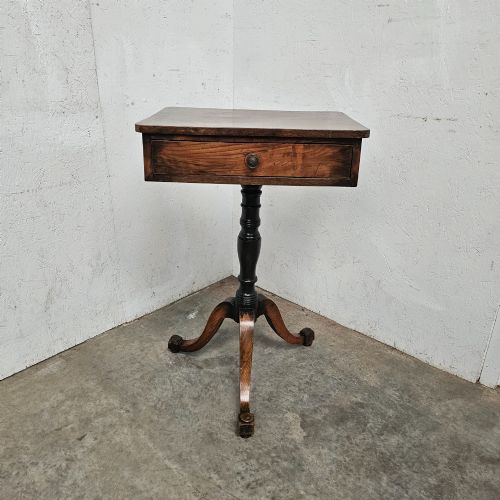
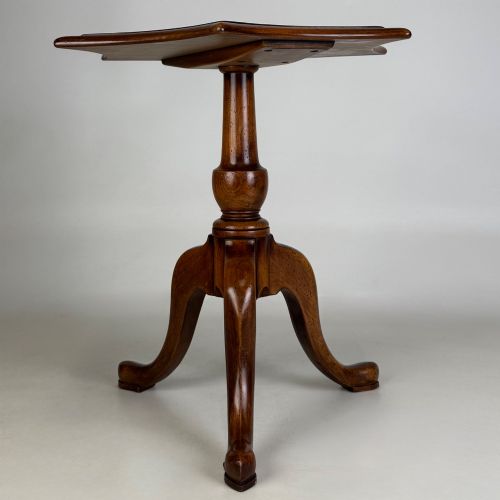
- A small occasional table supported by three legs radiating from a central pillar. They are commonly found in forms such as wine tables and candle stands.
- Burr walnut
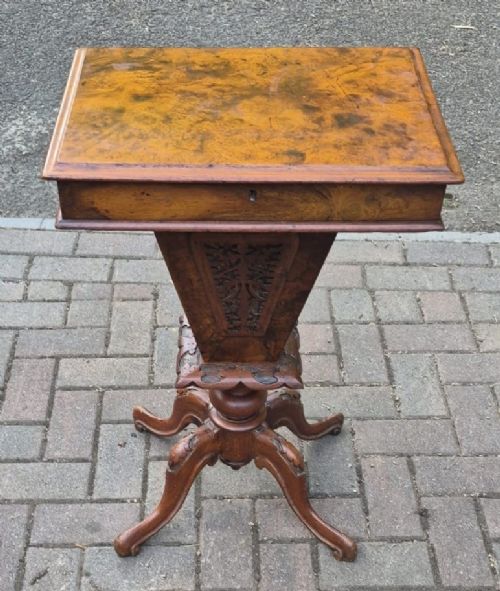
- Wood taken from a growth or burl on a walnut tree, yielding a swirling, highly decorative grain pattern. Cabinet makers use it for prominent surfaces on high-quality desks and tables.
- Satinwood
- A pale, hard timber with a natural sheen, utilised for fine inlay work and decorative furniture during the Georgian and Edwardian periods.
Brown Wooden Pedestal Table: Frequently Asked Questions
What rooms suit a pedestal table?
Smaller variations like wine tables and plant stands fit easily into corners, hallways, and beside seating. Larger pedestal dining tables and desks anchor principal rooms and studies.
The absence of corner legs allows chairs to tuck underneath cleanly, making them practical for tighter spaces as well as open rooms.
How do I identify the period?
Period identification relies on observing the combination of timber, style markers, and structural construction. Georgian pieces often display clean classical lines, whereas Victorian examples tend towards heavier carved walnut and mahogany.
Edwardian and Art Deco pieces introduce lighter satinwood or geometric forms, reflecting the design movements of the early twentieth century.
Are tilt-top tables stable?
Tilt-top tables utilise a catch mechanism beneath the surface to lock the top horizontally onto the central pillar. When engaged correctly, they provide a stable surface for everyday items.
The catch mechanism can wear over time, so checking the fit of the pivot block ensures the top remains firm during use.
How should I care for wood surfaces?
Maintaining wooden furniture involves keeping pieces away from direct heat sources and strong sunlight to prevent the timber and veneer from drying out. Regular dusting with a soft cloth preserves the finish.
Applying appropriate wax periodically helps nourish hardwoods like mahogany and oak without building up heavy residues.