


Victorian Inlaid Wine Table
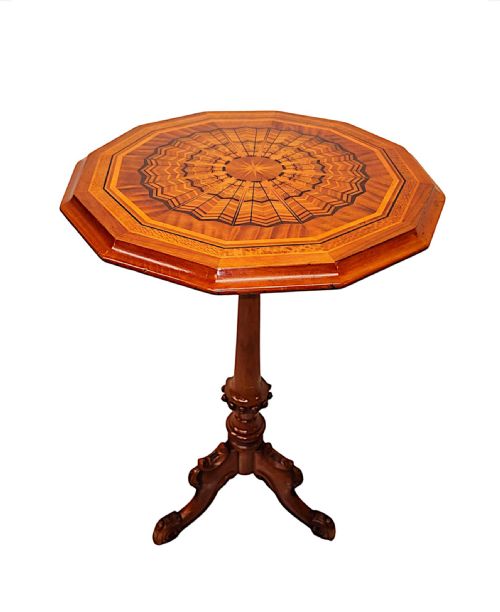
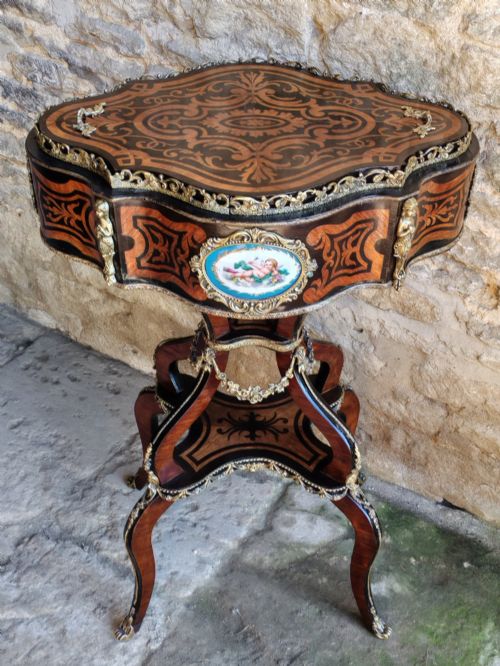
A victorian inlaid wine table brings compact nineteenth-century elegance to a corner, combining rich timber surfaces with intricate decorative detail.
Victorian Inlaid Wine Table
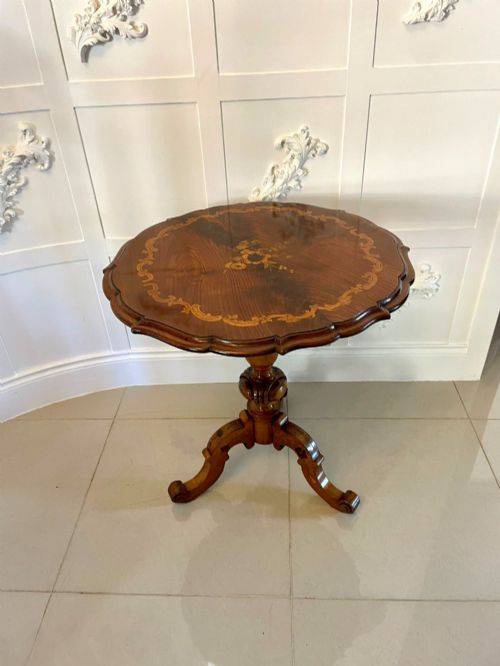
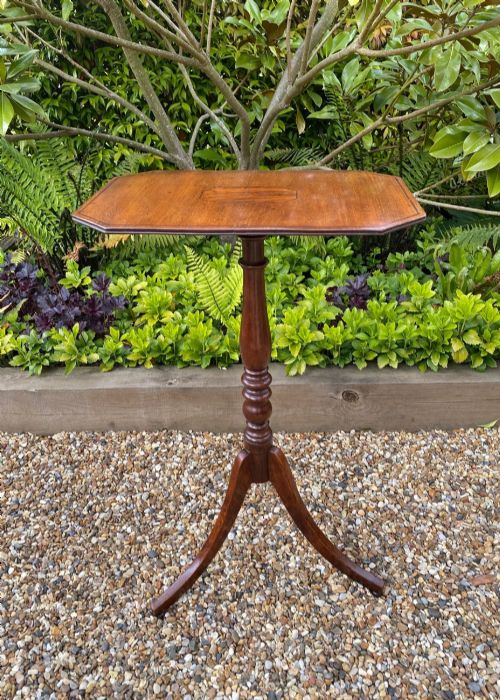
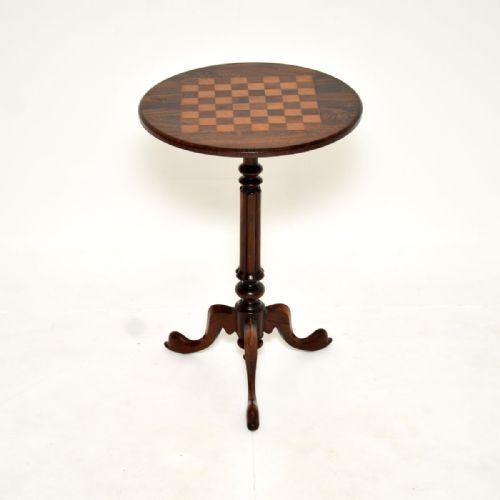
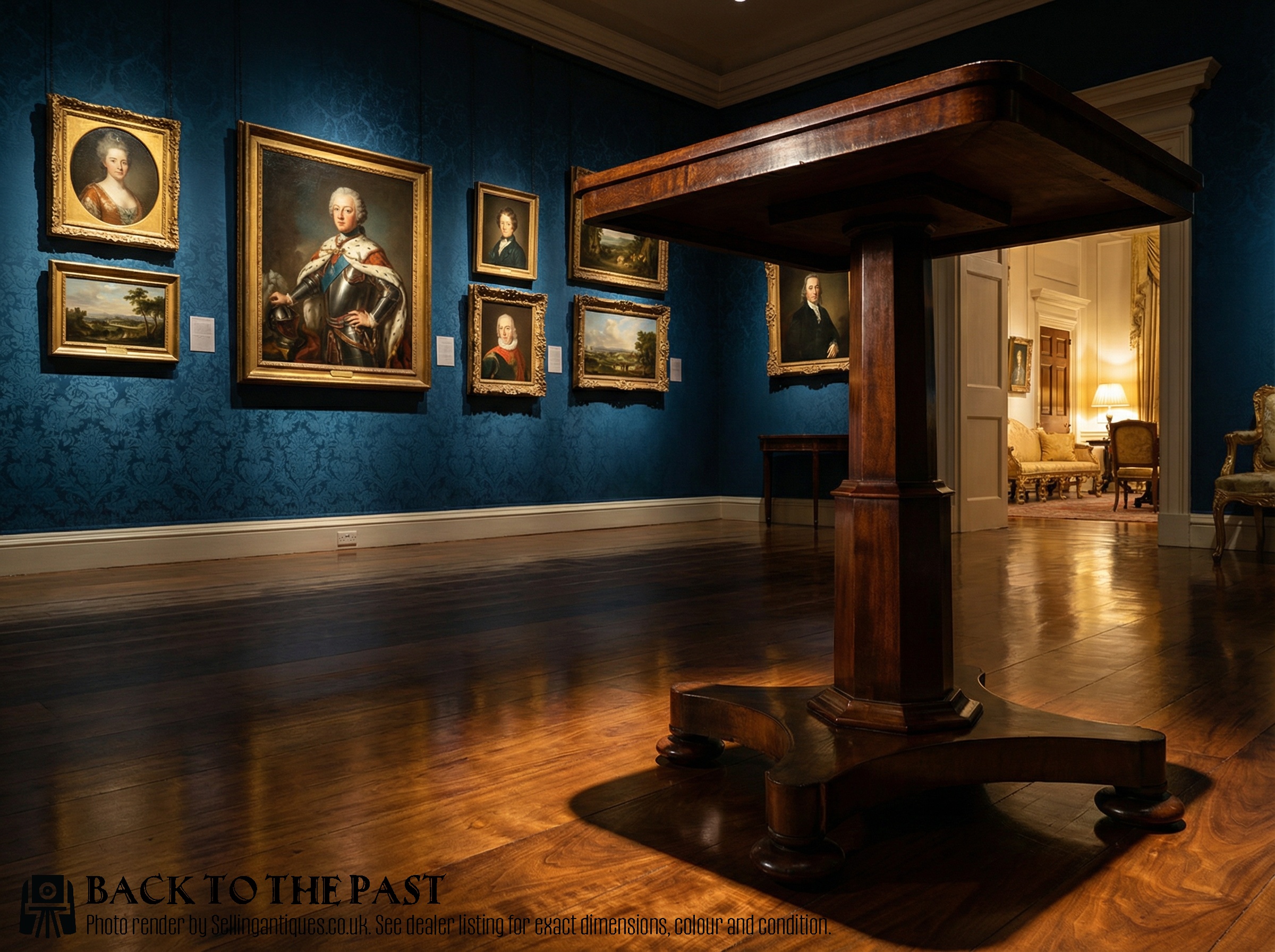
A victorian inlaid wine table is a small, portable pedestal piece designed for holding glasses or candles beside a chair. Most examples found here date from the mid to late nineteenth century, reflecting the era's taste for ornamental occasional furniture.
How they were made
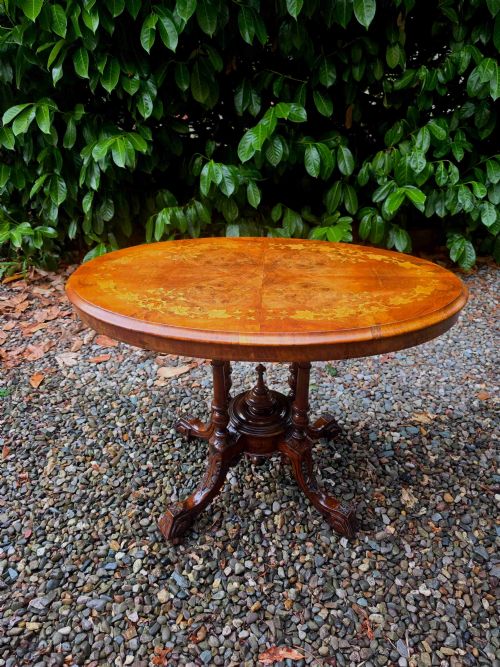
Cabinet makers constructed these tables using solid timber frames for the bases and columns, paired with stable softwood or hardwood cores for the veneered tops. Burr walnut, rosewood and mahogany provide the primary surfaces, chosen for their rich grain patterns.
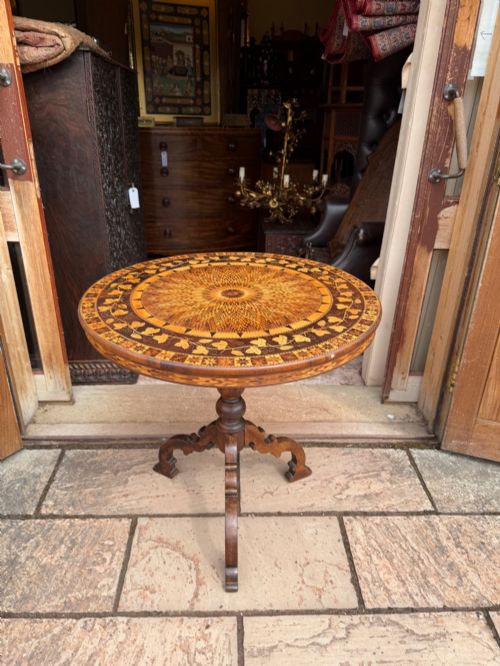
Marquetry and wood inlay involve cutting thin pieces of fruitwood, satinwood, and exotic species to form floral or geometric motifs set flush into the surface. Some regional pieces incorporate bone or specialised Sorrento techniques to create multi-coloured pictorial designs.
Walnut and burr walnut dominate the timber choices across these tables, appearing alongside rosewood, mahogany, and satinwood.
What varies in quality
Quality depends heavily on the depth and precision of the timber selection and the complexity of the inlay work. Finer examples display tightly figured burr walnut and crisp, multi-tonal marquetry that remains entirely flush with the surrounding surface.
Structural stability at the pillar joints and the subtlety of the turned tripod base distinguish superior workshop output from standard commercial production. The crispness of the carving on the column and feet indicates the level of craftsmanship invested in the piece.
Gillows
The Victorian Inlaid Wine Table Glossary
- Marquetry
- A decorative technique where small pieces of veneer are assembled to form detailed pictures or patterns on a wooden surface. It differs from parquetry by forming pictorial or floral designs rather than geometric grids.
- Burr walnut
- A highly prized timber cut from the abnormal growth of a walnut tree, yielding swirling, knotty grain patterns. Makers used its distinctive figuring for tabletops to create striking visual movement.
- Tripod base
- A three-legged support structure commonly found beneath the central column of small nineteenth-century tables. This design ensures the table remains stable on uneven domestic flooring.
- Parquetry
- A geometric mosaic of wood veneer pieces arranged in repeating patterns such as cubes or stripes. It frequently appears alongside floral marquetry on tabletop borders.
- Tilt-top
- A hinged mechanism allowing the tabletop to pivot into a vertical position when not in use. This practical feature enabled tables to be stored flat against a wall.
Victorian Inlaid Wine Table: Frequently Asked Questions
What was a wine table used for?
These small tables were designed to hold glassware, decanters, or candles beside seating areas during evening gatherings in nineteenth-century drawing rooms.
Their portable nature allowed servants to move them easily around the room as guests shifted position.
How do I distinguish walnut from mahogany?
Walnut exhibits a warmer, lighter brown tone with pronounced dark grain swirls and complex figuring, particularly in burr varieties. Mahogany tends to be darker and redder with a straighter, more uniform grain structure.
Examining the underside of the tabletop often reveals the unpolished timber most clearly.
Are tilt-top mechanisms original?
Original tilt mechanisms feature hand-forged iron catches and wooden blocks fitted precisely to the underside of the top and column. Replacements generally show modern brass screws or mismatched components.
Checking for consistent wear around the pivot point helps confirm period authenticity.
How should I care for an inlaid top?
Keep inlaid tables away from direct sunlight and heat sources to prevent the delicate veneer from drying and lifting. Regular dusting with a dry cloth and occasional application of appropriate wax maintains the finish.
Avoid placing damp glasses directly on the timber surface to prevent water staining.