
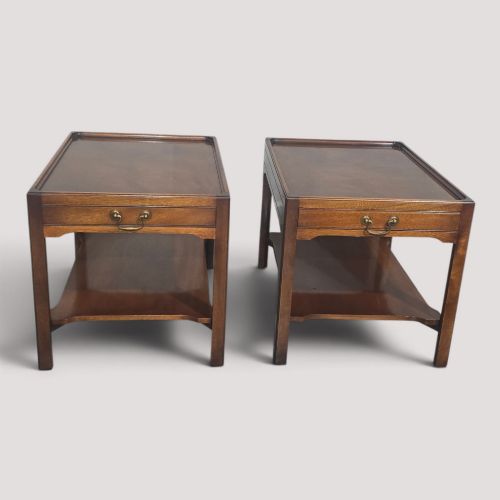
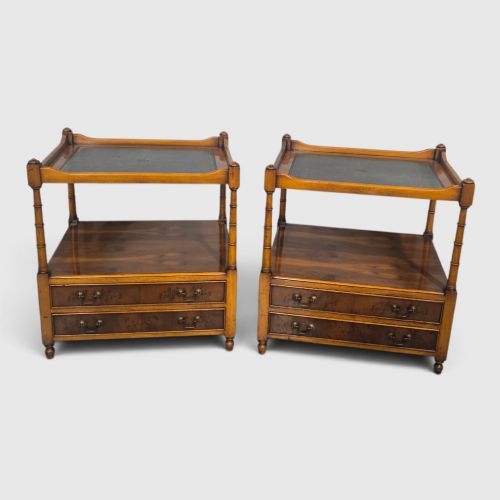


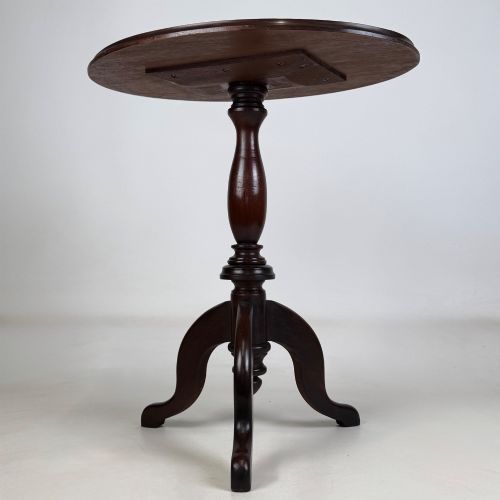
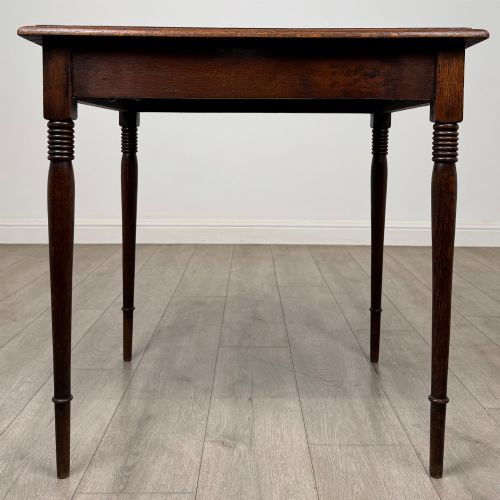

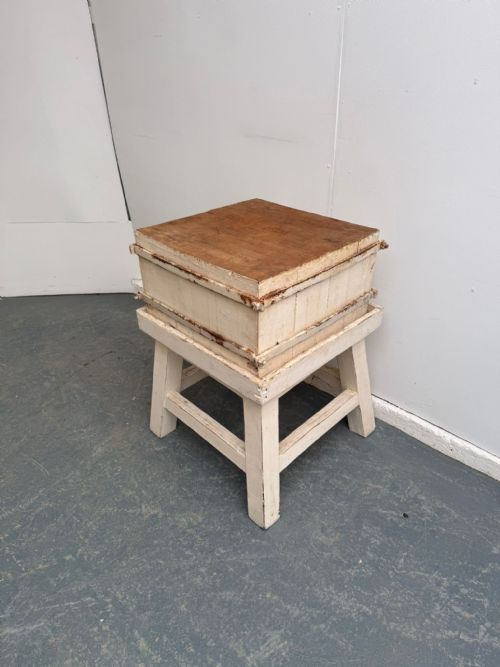
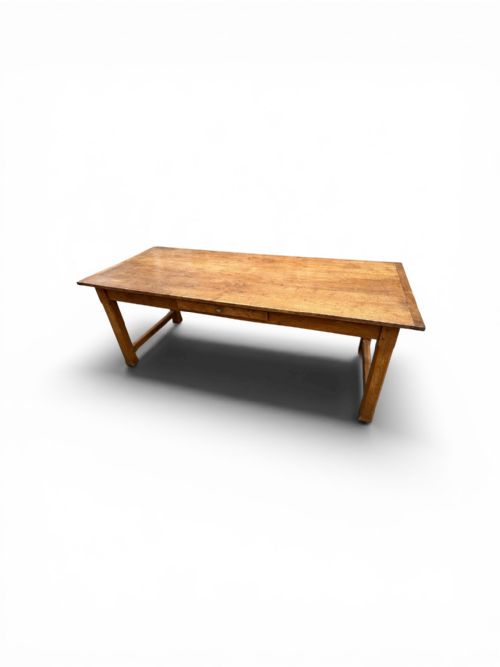


Traditional Wood End Table
A traditional wood end table provides a stable surface beside a chair or sofa, bringing practical timber grain and period character into a room.
Traditional Wood End Table
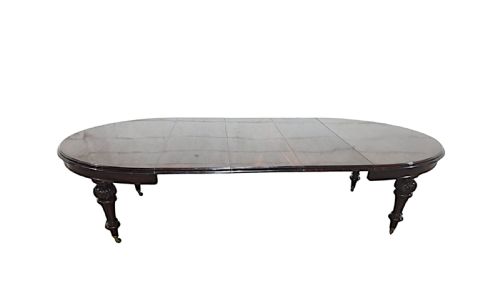
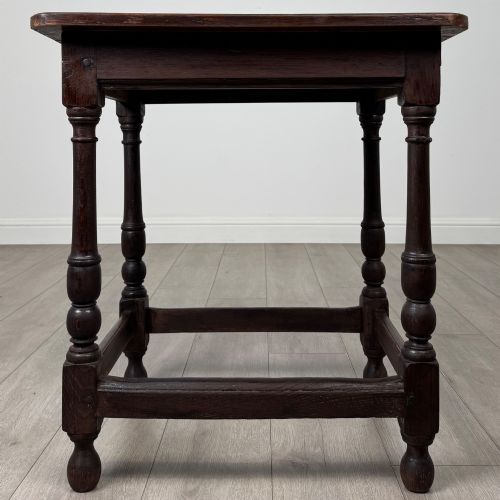
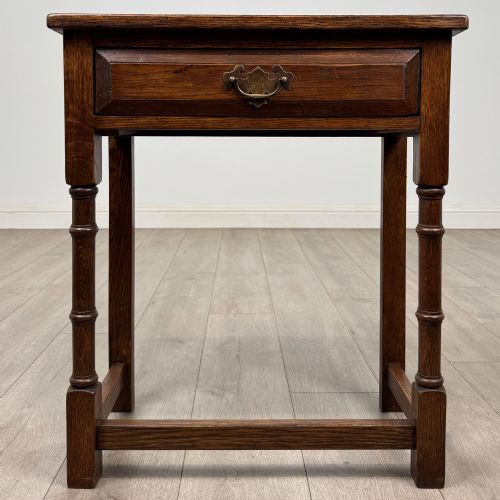
When you search for a traditional wood end table, you encounter a variety of compact surfaces designed for placement beside seating, spanning lamp tables, occasional tables, and nests of tables. These pieces emerge from the eighteenth, nineteenth, and early twentieth centuries, including Edwardian and Victorian iterations.
You are most likely to meet mahogany, oak, and yew versions from the Edwardian era and the 1920s and 1930s. These compact furnishings serve functional roles in modern rooms while retaining the timber patination accumulated over decades of use.
Indicators of refinement
Quality rests in the selection of the timber and the precision of the construction, where figured veneers, burr sections, or dense solid hardwoods command attention. Superior examples exhibit harmonious proportions, clean joints, and careful matching of grain patterns across table tops and leaves.
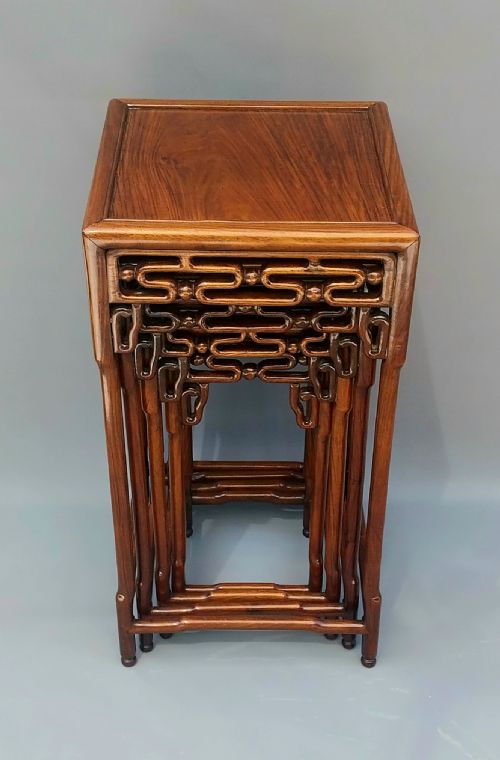
The crispness of carved details, such as those found on Chinese scroll-end tables or Edwardian inlaid nests, separates workshop execution from standard production. Original surface patination and intact structural framing elevate the standing of a piece far above heavily restored alternatives.
Some nineteenth-century Chinese tables spent their early days supporting tea trays or opium pipes rather than modern paperback books.
William and Gibton
The Traditional Wood End Table Glossary
- Nest of tables
- A set of graduated tables designed to fit neatly beneath one another when not in use. These space-saving sets frequently appear in Edwardian mahogany and Chinese rosewood forms.
- Gate-leg table
- A table featuring hinged flaps supported by swing-out legs that resemble a gate. This mechanism allows the surface area to expand or contract according to requirement.
- Kang table
- A low platform table originating from China, traditionally used on a heated brick bed for dining or writing. Examples feature carved scroll ends and dense hardwood construction.
- Spider leg table
- A small occasional table supported by exceptionally slender, delicate turned legs. These pieces rely on stretcher bars for stability.
- Inlay
- A technique where pieces of contrasting timber or brass are inserted into recesses within the primary wood surface to create decorative patterns. Edwardian iterations often employ fine stringing lines.
Traditional Wood End Table: Frequently Asked Questions
What is a traditional wood end table used for?
These compact tables serve as convenient surfaces for lamps, books, or drinks beside seating areas. Their small scale allows them to fit comfortably into sitting rooms, studies, or bedrooms without dominating the floor space.
Historically, specific forms like lamp tables or nests fulfilled particular domestic needs, offering flexibility through modular stacking or easily moveable side surfaces.
How do I identify an Edwardian end table?
Edwardian pieces often feature lighter mahogany or oak construction, frequently enhanced with delicate inlay work or stringing. They date from the period spanning the late nineteenth century to the early 1910s.
Common forms from this era include nests of three tables and occasional side tables with tapering legs, reflecting a shift towards more refined, slender proportions compared to heavier Victorian designs.
Are Chinese export tables considered end tables?
Nineteenth-century Chinese export and Qing Dynasty pieces, such as elm side tables and huali scroll-end kang tables, function effectively as modern end tables. Their low profiles and distinct aesthetic complement contemporary living spaces.
These items bring dense tropical hardwoods and traditional Asian joinery techniques into Western interiors, offering an alternative to standard European revival styles.
How should I care for antique wood tables?
Maintain timber surfaces by dusting regularly with a soft, dry cloth and avoiding placement near direct heat sources or strong sunlight. Periodic waxing helps preserve the finish and nourish the grain of older hardwoods.
Protect the surface from moisture by using coasters and mats, ensuring the original polish or wax patination remains undisturbed over years of daily use.