

Antique Style Wine Table
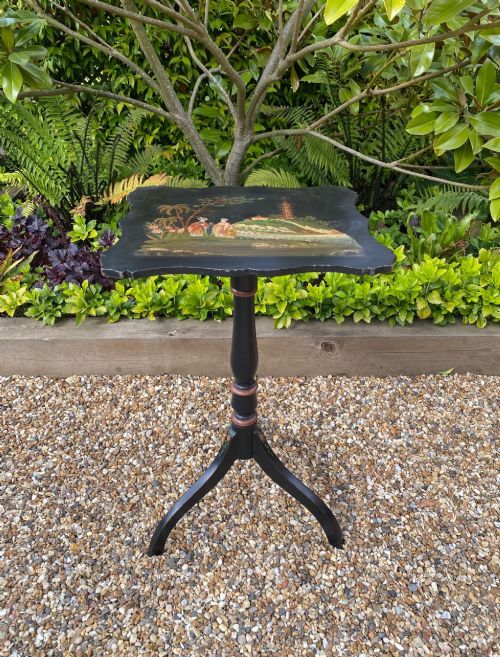
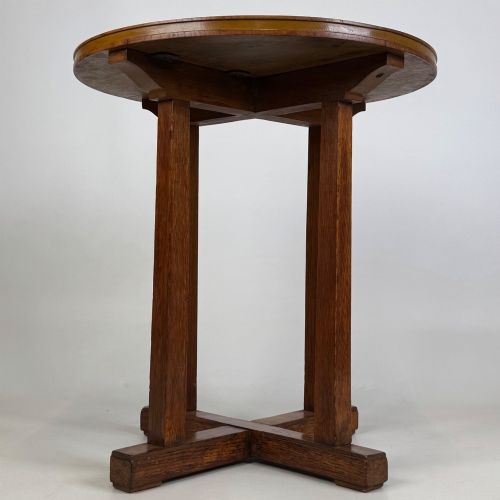
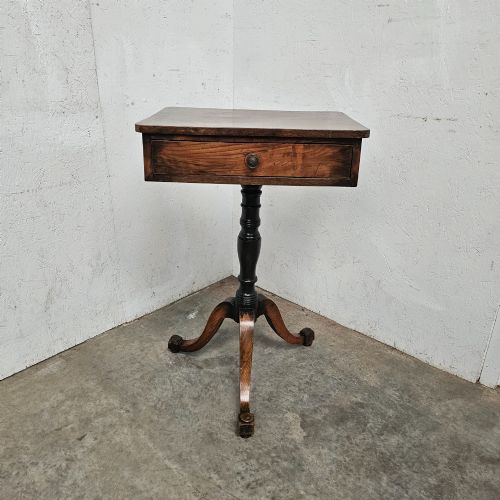
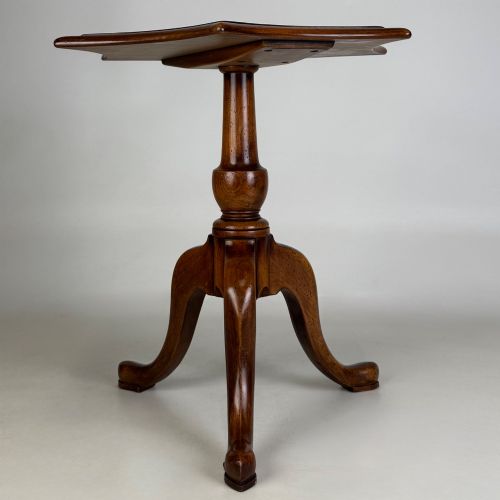
An antique style wine table offers a compact surface for drinks or lamps, usually featuring a slender central pillar supported by tripod legs.
Antique Style Wine Table
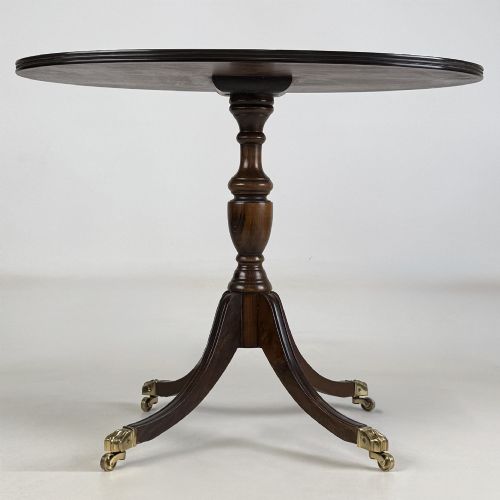
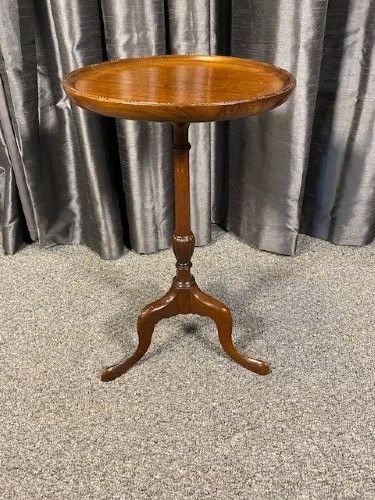
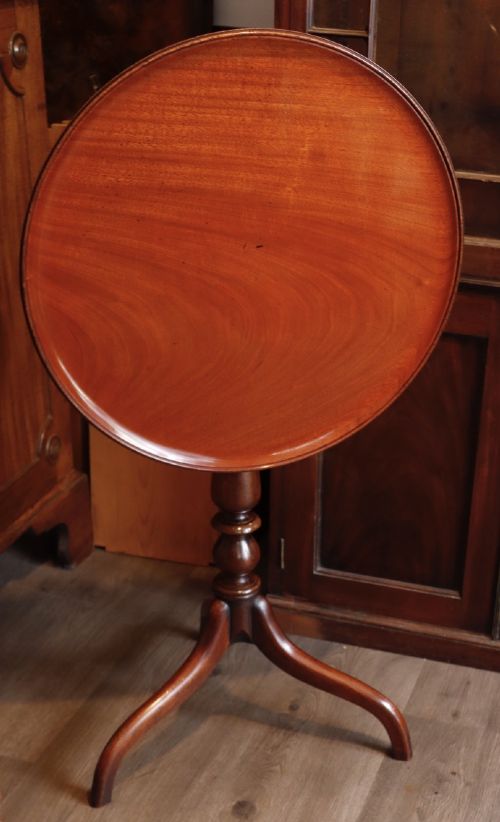
An antique style wine table is a small, portable piece designed for holding glasses or candles near seating areas. The versions met on this page span several eras, notably the nineteenth century, Edwardian period, and Georgian revivals.
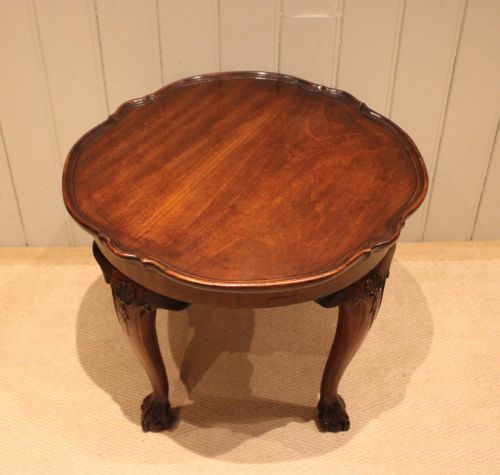
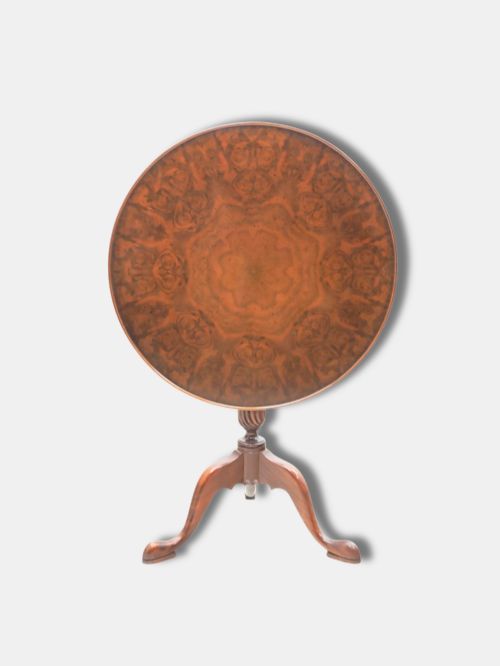
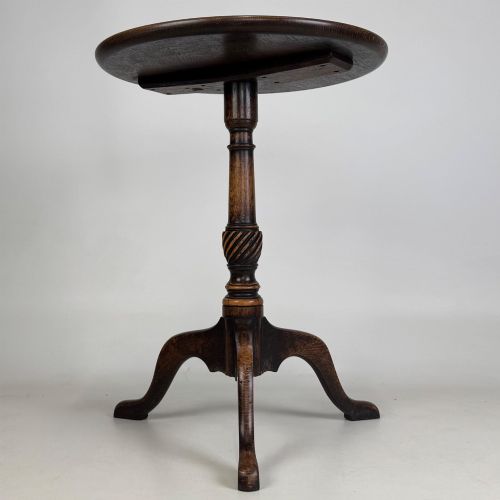
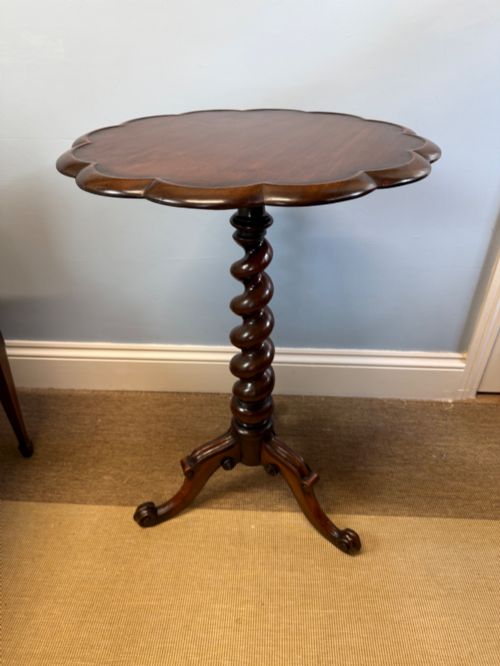
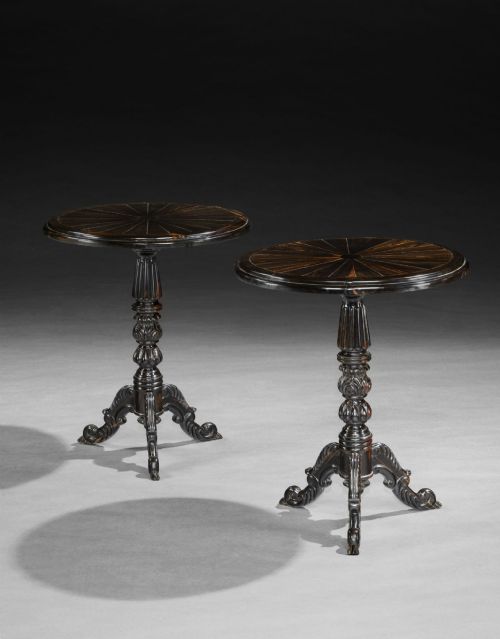
Most examples take the form of round or occasional tables supported by a central pedestal and three legs. Makers utilised woods such as mahogany, oak, satinwood, and walnut to construct these compact furnishings.
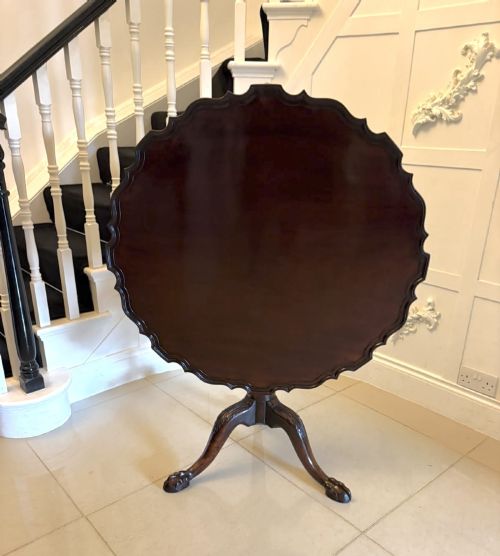
The category encompasses tilt-top mechanisms, birdcage actions, and piecrust edges that allow the top to fold away when not in use. These variations reflect both formal dining room accessories and lighter drawing room lamp tables.
How they were made
Makers shaped solid woods and veneers like mahogany, oak, and satinwood into tops and turned pillars. Joinery relied on stable pedestal joints, often pairing a central column with three splayed legs for balance.
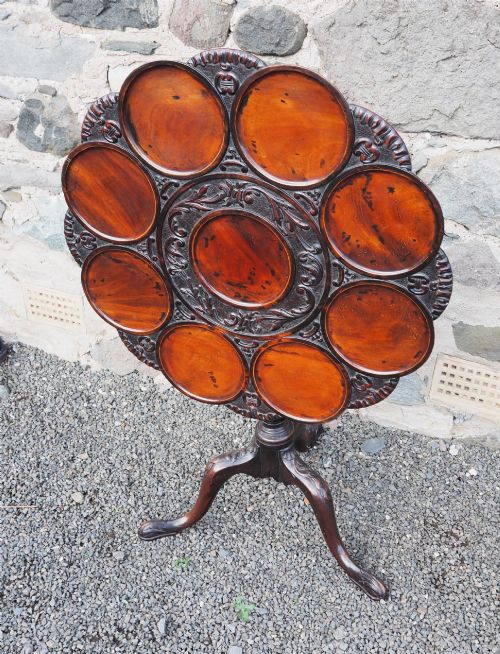
Decoration involved detailed inlay using boxwood or ebony, hand-painted floral motifs, and carved edges such as piecrust profiles. Mechanisms like birdcage hinges allowed circular tops to pivot and tilt.
Finishing techniques brought out the grain of the timber through polish or lacquer. Painted surfaces appear on specific regional pieces, whilst brass fittings occasionally secure moving parts.
Listings feature woods including mahogany, oak, satinwood, rosewood, and yew alongside materials like brass, leather, and paint.
What varies in quality
The distinction between standard and superior pieces rests on the selection of timber and the crispness of the carving. Finely figured mahogany, burr oak, or inlaid satinwood indicate greater workshop care than plain alternative woods.
Stability in the tripod base and the precision of the tilt mechanism determine mechanical merit. Smooth action in birdcage joints and tight fits at the column junction separate better examples from utilitarian items.
Gillows
The Antique Style Wine Table Glossary
- Tripod table
- A small freestanding table supported by a central pillar resting on three feet. This construction provides balance on uneven floors.
- Tilt-top table
- A table with a hinged top that folds into a vertical position for storage. This mechanism saved space in smaller rooms.
- Piecrust edge
- A carved or moulded raised rim shaped in undulating curves. It resembles the pastry edge of a baked pie.
- Birdcage mechanism
- A wooden framework beneath the table top allowing it to rotate and tilt. It connects the surface to the central pillar.
- Satinwood
- A pale, lustrous timber native to India and Ceylon, frequently utilised for inlaid decorative furniture.
Antique Style Wine Table: Frequently Asked Questions
What is an antique style wine table used for?
These tables provide a convenient surface for holding a glass of wine, a cup of tea, or a small lamp beside a chair. Their compact footprint makes them versatile for placement in corners or between seating.
Historically, similar small stands held candles or served beverages during evening gatherings. Today, they function primarily as decorative occasional furniture in living rooms and studies.
What woods were used for these tables?
Mahogany remains the most common timber found across these listings, valued for its rich dark tone and durability. Oak, walnut, and yew also appear frequently in regional or period pieces.
Satinwood and ebony feature on more decorative examples, often enhanced with contrasting stringing or painted floral motifs. These lighter woods became particularly popular during the Edwardian revival eras.
How can I tell the difference between periods?
Georgian and Regency pieces tend to feature heavier proportions and simpler, robust mahogany turnings. Edwardian and revival interpretations often incorporate lighter satinwood finishes, painted decorations, or more delicate inlay work.
Examining the construction methods and wood types helps narrow down the decade of manufacture. Archive records show continued admiration for Georgian design long after the initial century passed.