




Georgian Supper Table
When you search for a georgian supper table, you enter a world of timber and ingenuity designed for evening dining and social gatherings.
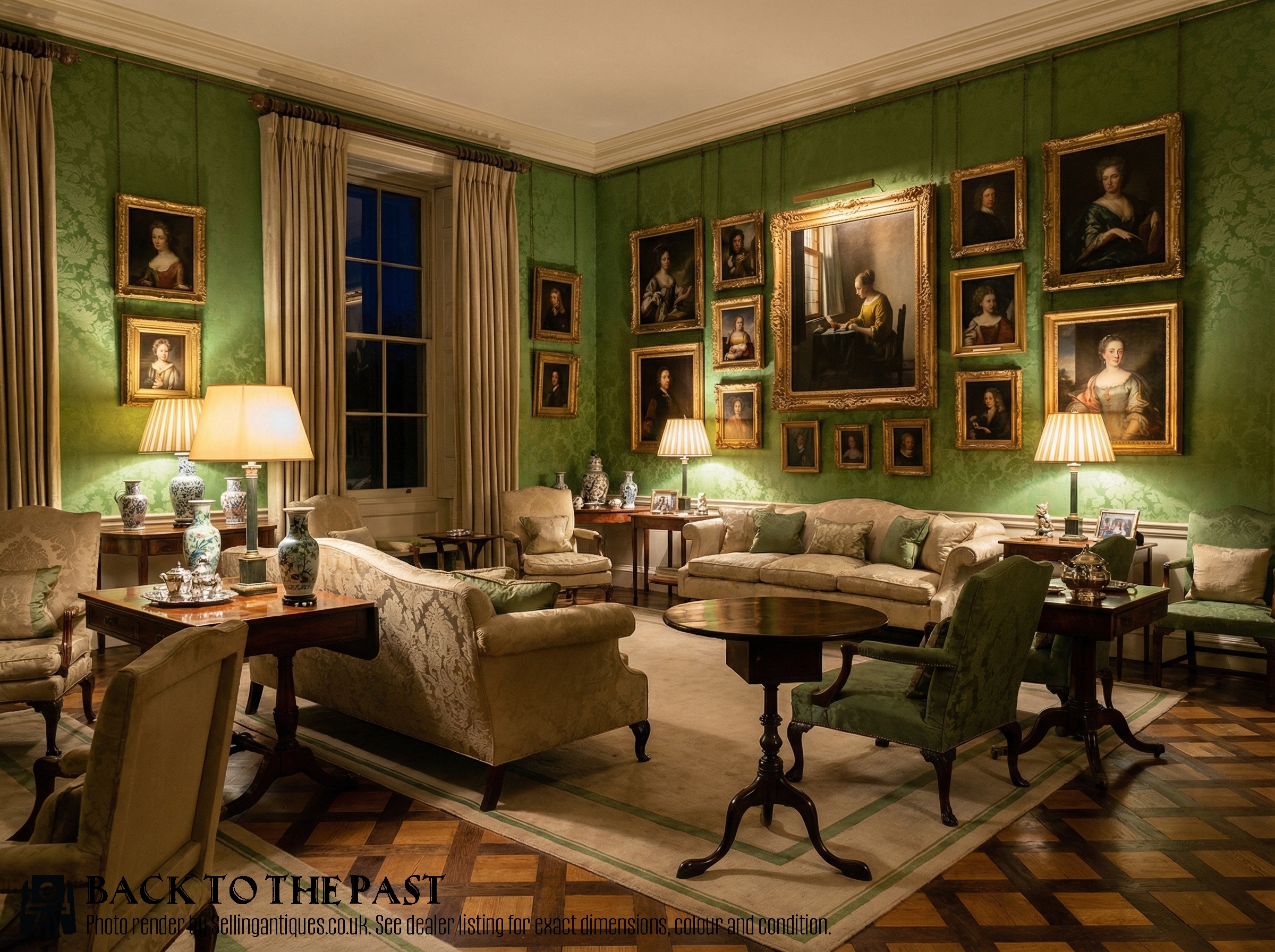
Georgian Supper Table
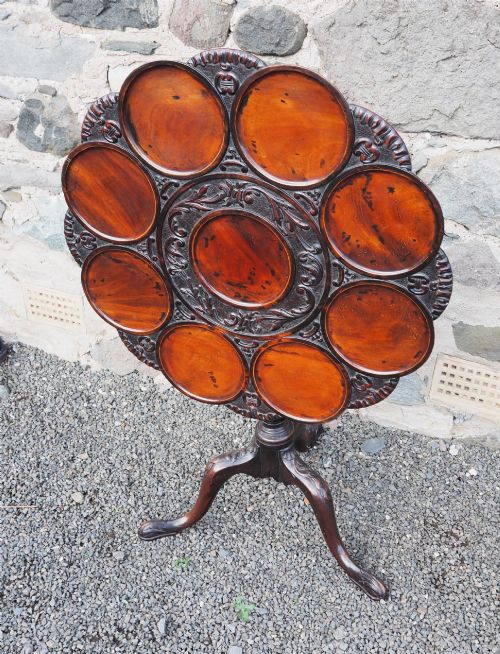
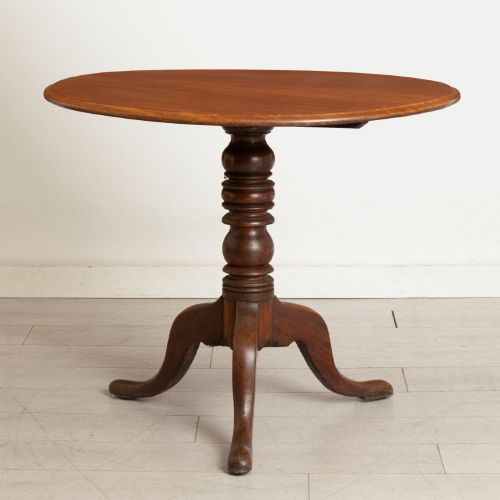
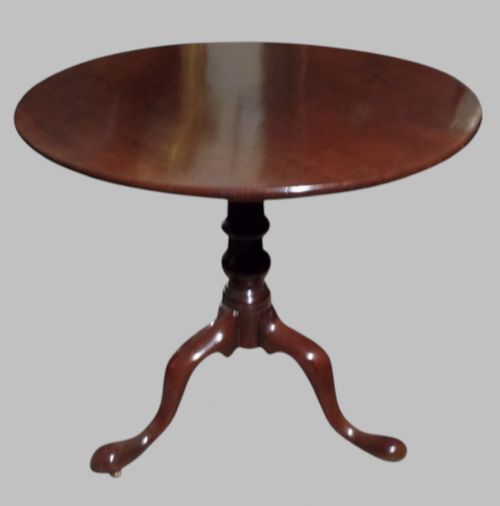
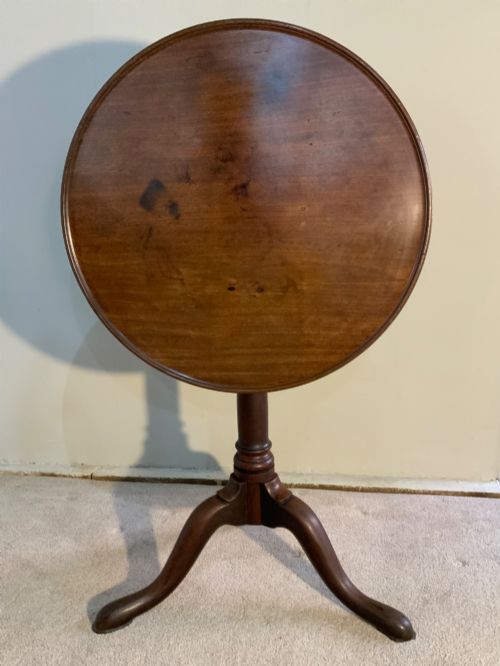
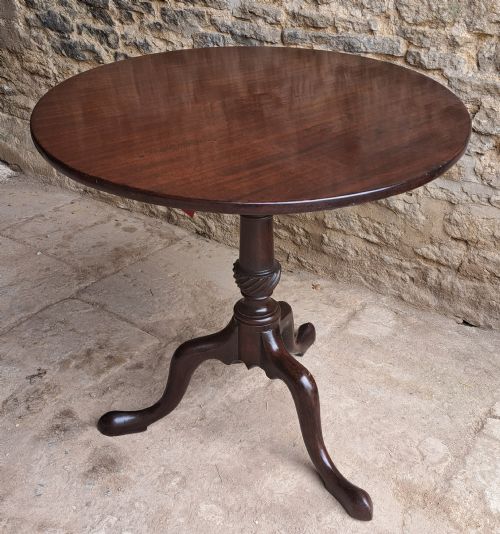
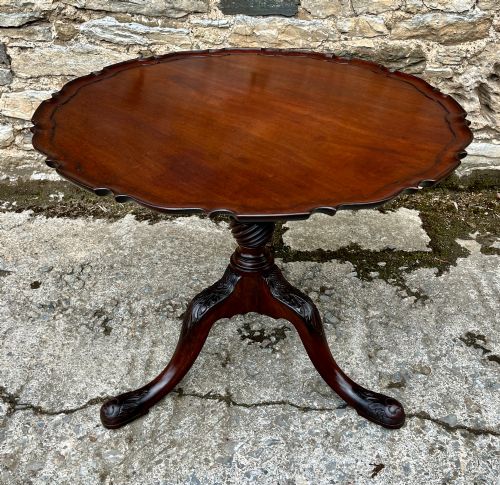
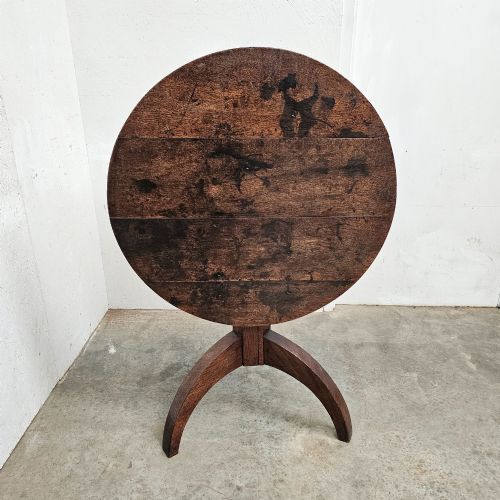
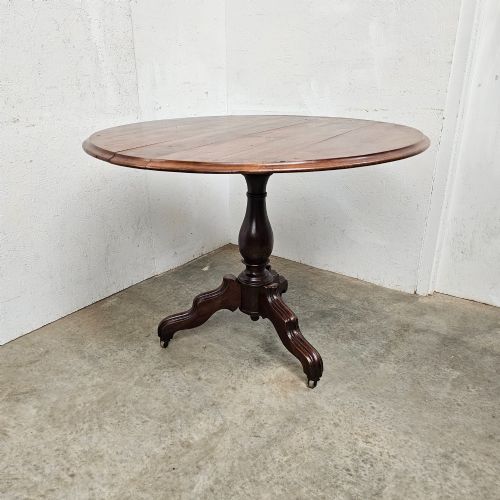
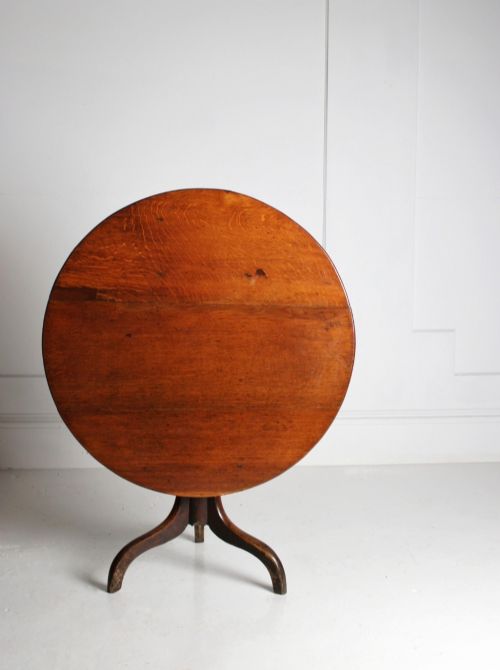
A georgian supper table is primarily a versatile piece intended for dining, refreshment, and card playing, frequently appearing with a circular top supported by a central pillar and three legs.
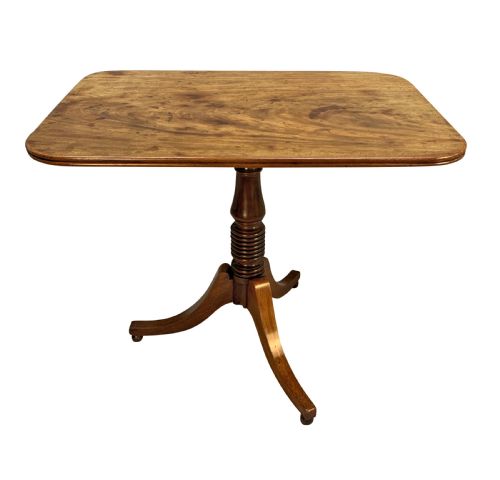
The versions most commonly met on this page span the eighteenth and early nineteenth centuries, featuring forms such as tilt-top tripod designs, drop-leaf gate legs, and fold-over concertina actions.
Originating in periods associated with George II, George III, and the Regency era, these pieces reflect the domestic habits of elite and country households alike.
Craftsmanship and Proportion
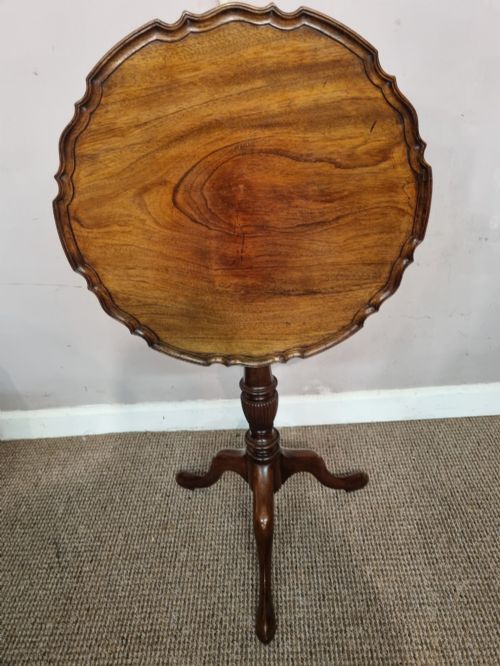
The upper tier of these pieces distinguishes itself through the presence of carved pie crust edges, finely turned birdcage mechanisms, and well-figured grain patterns on solid timber tops.
Proportion and stability separate finer examples from simpler provincial makes, seen in the clean sweep of tripod legs, delicate claw-and-ball or pad feet, and robust joinery that resists swaying.
Georgian Supper Table Retail Price Guide 2026
Typical asking prices for georgian supper table among the pieces listed under this phrase on Sellingantiques today, from the lower quarter to the upper quarter. They describe what is for sale here now, not the wider market.
Listings demonstrate a strong preference for mahogany and oak timbers, spanning eighteenth-century Georgian eras into the nineteenth-century Regency period.
James Mein
The Georgian Supper Table Glossary
- Tilt-top
- A tabletop designed to pivot horizontally into a vertical position when not in use. This mechanism saved valuable floor space in smaller parlours.
- Birdcage
- A wooden revolving framework beneath a tabletop that allows the surface to both tilt and rotate. It provides extra stability and operational smoothness.
- Pie crust edge
- A raised, carved ornamental moulding around the perimeter of a circular table top. The undulating profile resembles traditional pastry work.
- Tripod table
- A small stand supported by a central pillar resting on three spreading legs. They became immensely popular during the eighteenth century for flexibility.
- Pembroke table
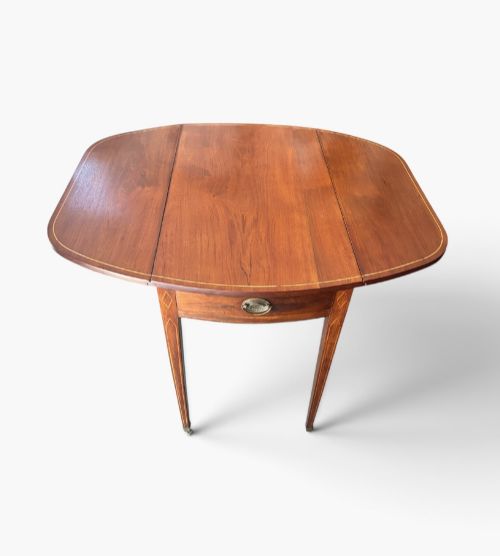
- A small rectangular side table featuring two hinged drop leaves on opposing sides. They were frequently utilised for breakfast or light supper service.
Georgian Supper Table: Frequently Asked Questions
What was a supper table used for?
These tables served flexible roles in domestic interiors, providing a sturdy surface for evening meals, card games, and social gatherings before modern dining rooms became standard.
Their lightweight construction meant servants could easily move them around the parlour or chamber as evening activities shifted.
How do I identify a tilt-top mechanism?
A tilt-top design incorporates a small catch or brass latch beneath the surface that releases the tabletop from its horizontal resting position on the pillar.
When unlocked, the entire top pivots upright to stand flat against the central shaft, allowing the piece to slide away into a corner.
Are these tables suitable for modern dining?
Many examples provide adequate surface area for intimate meals or as occasional side furniture in contemporary living spaces.
Their compact footprints and folding mechanisms make them practical for everyday use without dominating a room.
How do I distinguish oak from mahogany examples?
Oak pieces generally exhibit a pronounced, open grain with characteristic flecks and a lighter, warmer honey tone typical of country workshops.
Mahogany items display a denser, smoother reddish-brown surface with darker figuring, often associated with more formal urban cabinet work.