
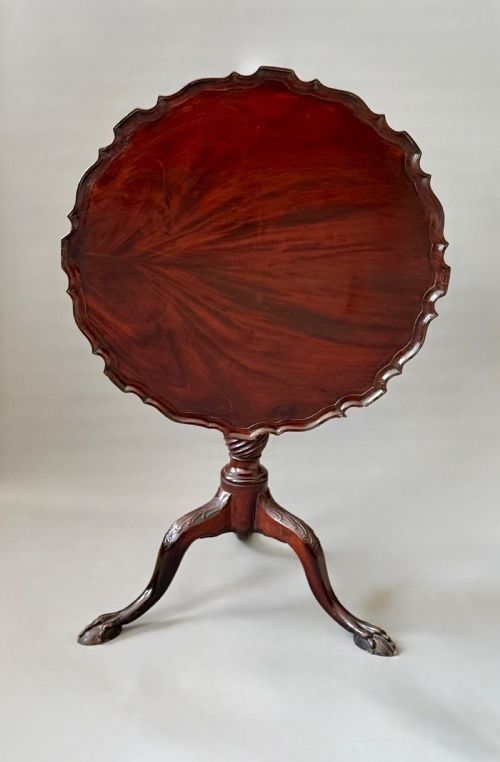
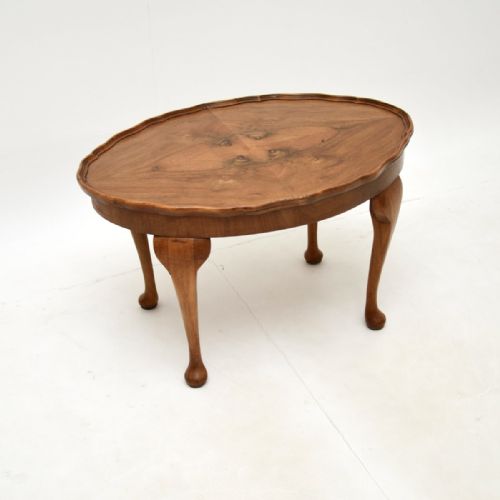
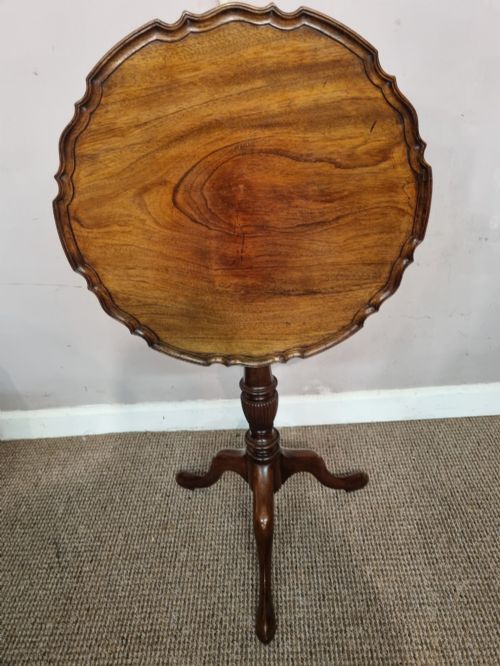
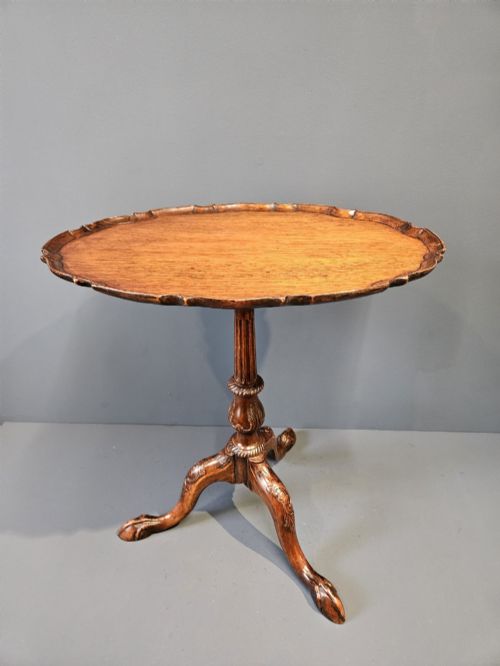


Pie Crust Edge Table
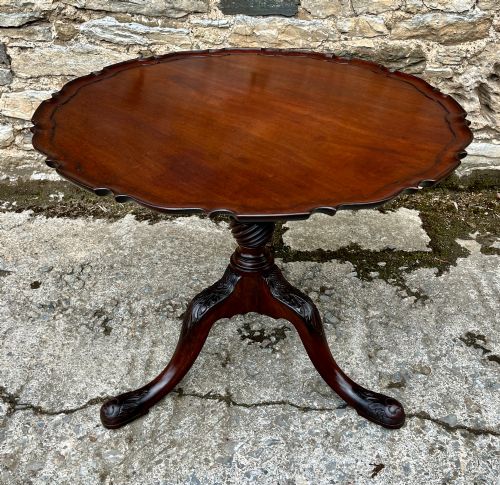
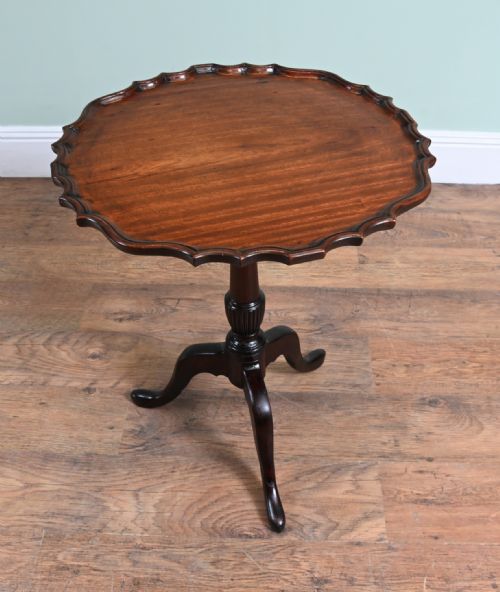
A pie crust edge table brings shaped timber moulding to a tripod base, offering a neat surface for tea or display.
Pie Crust Edge Table
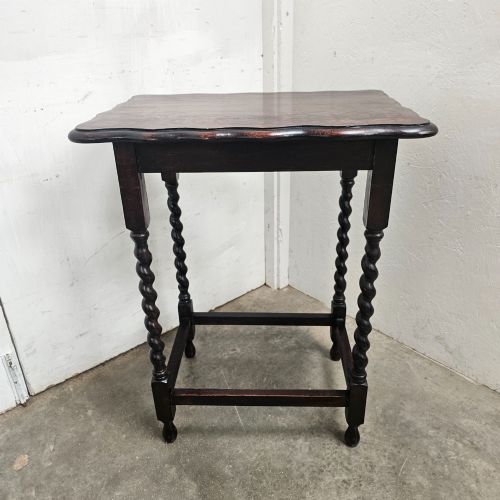
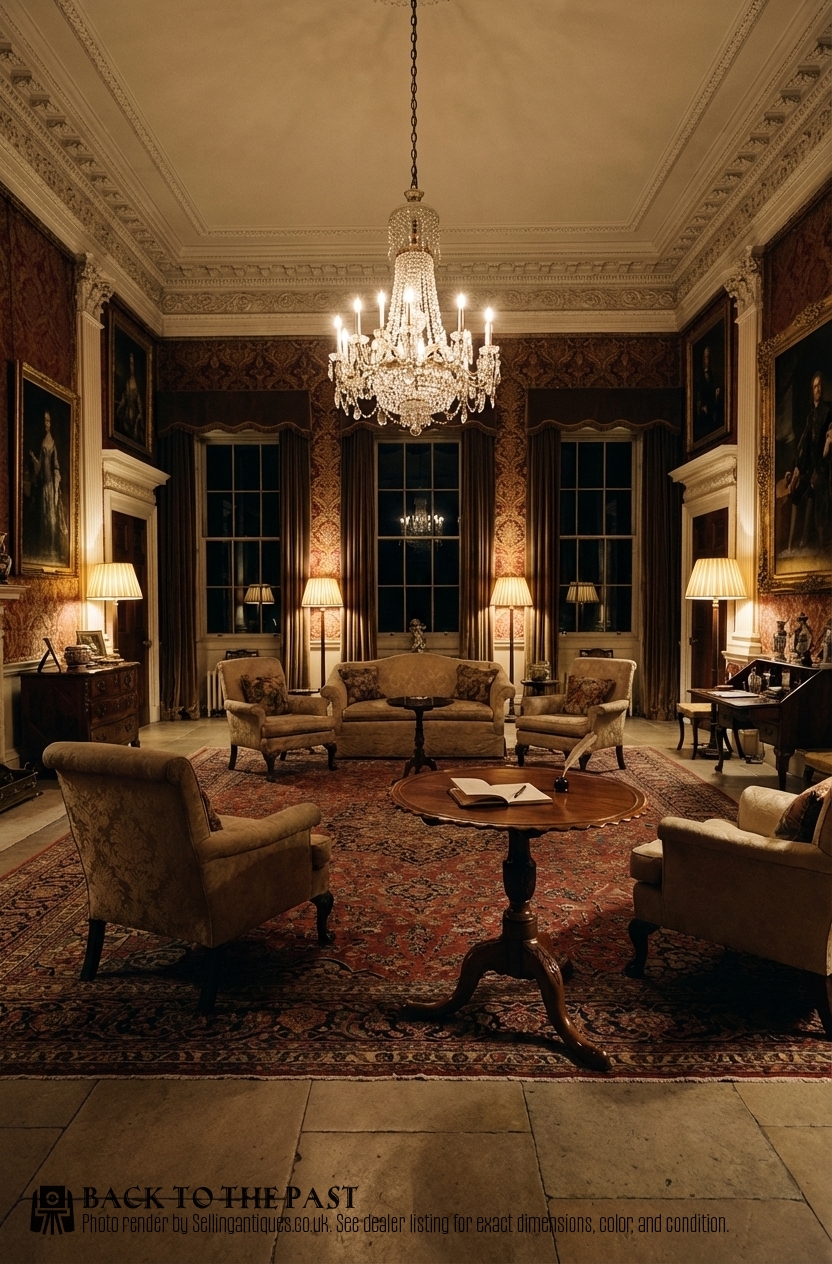
When you search for a pie crust edge table, you are looking at small occasional furniture defined by a raised, scalloped rim carved directly into the timber or built up from the solid top. These tables appear most frequently as 18th century George III examples or later revival pieces from the Edwardian era and the 1920s and 1930s.
The form usually takes the shape of a circular or occasional top supported by a central pillar and three legs, often designed to tilt or snap shut when not in use. You will regularly encounter walnut coffee tables and mahogany tea or wine tables that share this distinct moulded perimeter.
How they were made
Cabinet makers shaped the characteristic raised moulding of a pie crust edge table from solid timbers like mahogany, walnut, and oak, often requiring patience to carve the undulating profile directly from the primary board. Figured veneers also appear on later walnut coffee tables, laid over secondary woods to display rich grain patterns.
Support mechanisms frequently relied on sturdy tripod bases and clever birdcage pivots that allowed the top to rotate and tilt vertically against the central column.
Some tilt-top tables feature birdcage mechanisms that let the top spin like a compass before tipping sideways.
What varies in quality
The standard of a pie crust edge table rests largely on the crispness and depth of the carved rim, where sharper, more fluid scalloping indicates superior bench work by the maker. Timber selection also dictates value, with well-figured mahogany and burr or figured walnut creating a more striking surface than plain woods.
Stability in the tripod base and the precise fit of the tilt-top or birdcage mechanism further separate standard examples from finer pieces.
The Pie Crust Edge Table Glossary
- Pie-crust edge
- A raised, scalloped timber moulding along the perimeter of a tabletop, resembling decorative pastry work. This detail requires careful hand-carving from the solid board.
- Tilt-top table
- A table featuring a hinge mechanism beneath the surface that allows the top to fold flat against the central pillar. This clever design saved floor space in smaller rooms.
- Tripod base
- A support structure consisting of three curved legs radiating from a central turned column. It provides steady footing on uneven floors.
- Birdcage mechanism
- A rotating wooden frame situated beneath the tabletop that permits the surface to spin and tilt independently. It is commonly found on 18th century examples.
- Snap top
- A spring-loaded or catch mechanism that locks a tilting tabletop securely into the horizontal position during use.
Pie Crust Edge Table: Frequently Asked Questions
What is a pie crust edge table?
A pie crust edge table is a small occasional piece featuring a raised, scalloped timber rim around the perimeter of the top. They are typically supported by a central pillar and three legs.
These tables were originally used for serving tea or displaying small items, and they remain popular today for their decorative carved profiles and compact footprints.
How do I use a tilt top?
The tilt-top mechanism allows the circular surface to pivot vertically against the central column. You simply release the catch underneath to fold the table flat.
This function was designed to let owners store the furniture against a wall when not in use, making them very practical in historic and modern sitting rooms alike.
Are walnut and mahogany both period?
Yes, both timbers appear frequently across different eras. Mahogany was the primary choice for 18th century George III pieces and later Chippendale revivals.
Walnut was favoured during earlier Queen Anne styles and experienced a strong revival in walnut coffee tables during the 1920s and 1930s.
How do I spot a revival piece?
Revival pieces from the Edwardian period or the 1920s and 1930s often show different secondary woods, machine-turned components, or distinct finishes compared to 18th century originals.
Examining the underside, timber shrinkage, and tool marks helps determine whether a table dates to the Georgian period or a later revival.