
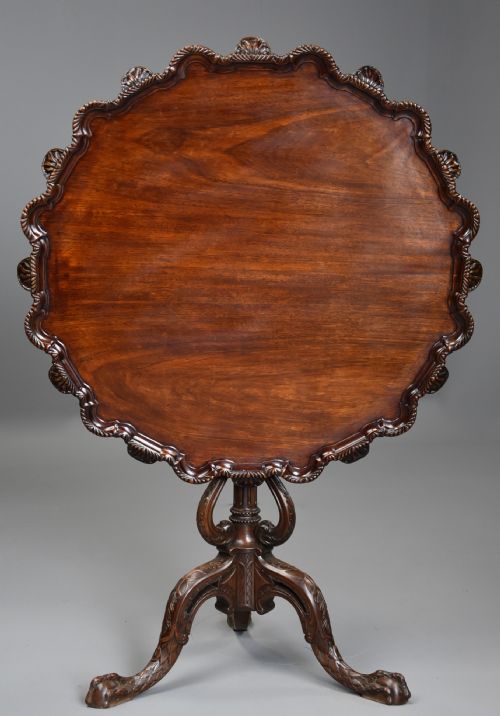
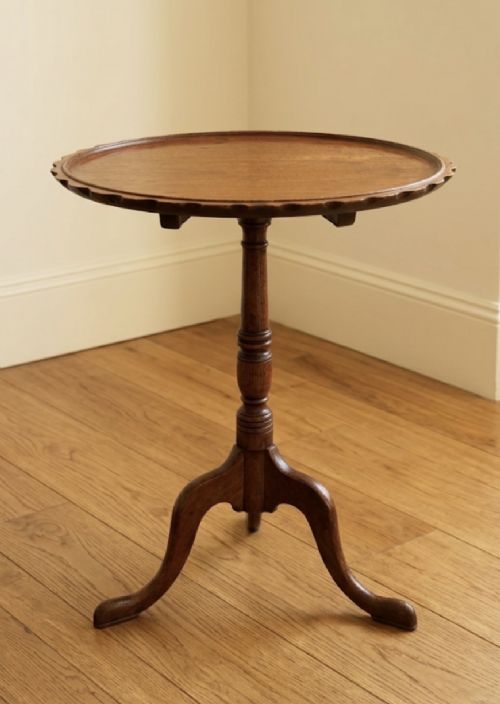


Scalloped Edge Accent Table
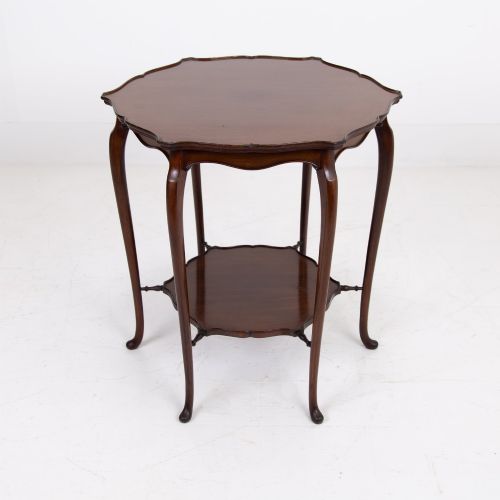
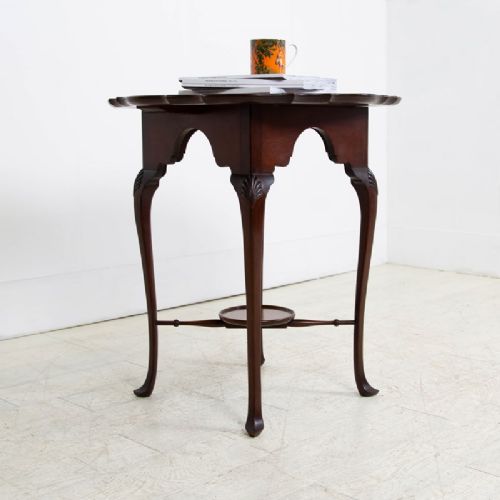
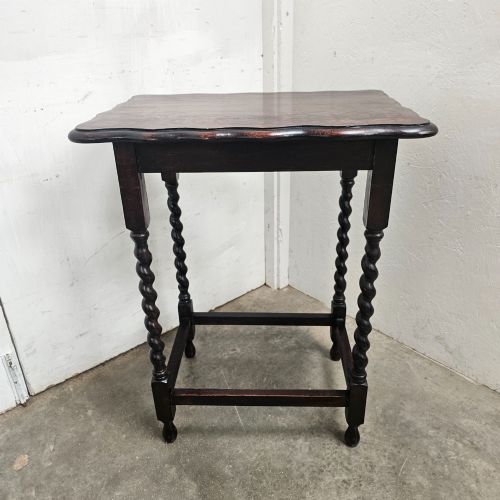
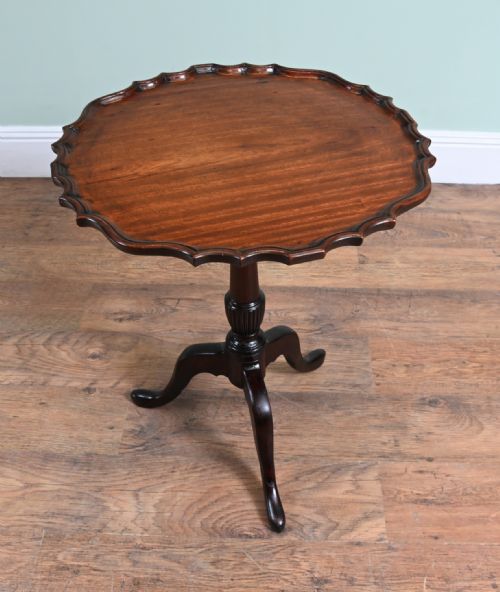
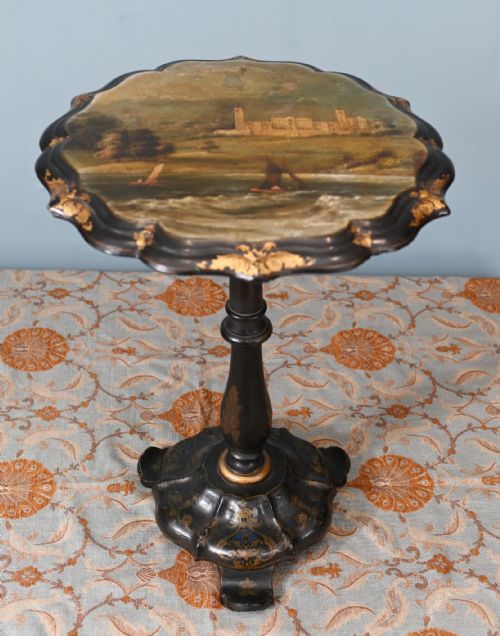
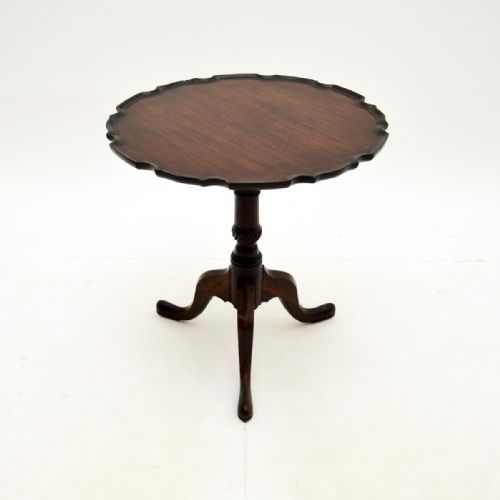
A scalloped edge accent table brings carved contours and practical surface area to a room, drawing the eye with its shaped perimeter.
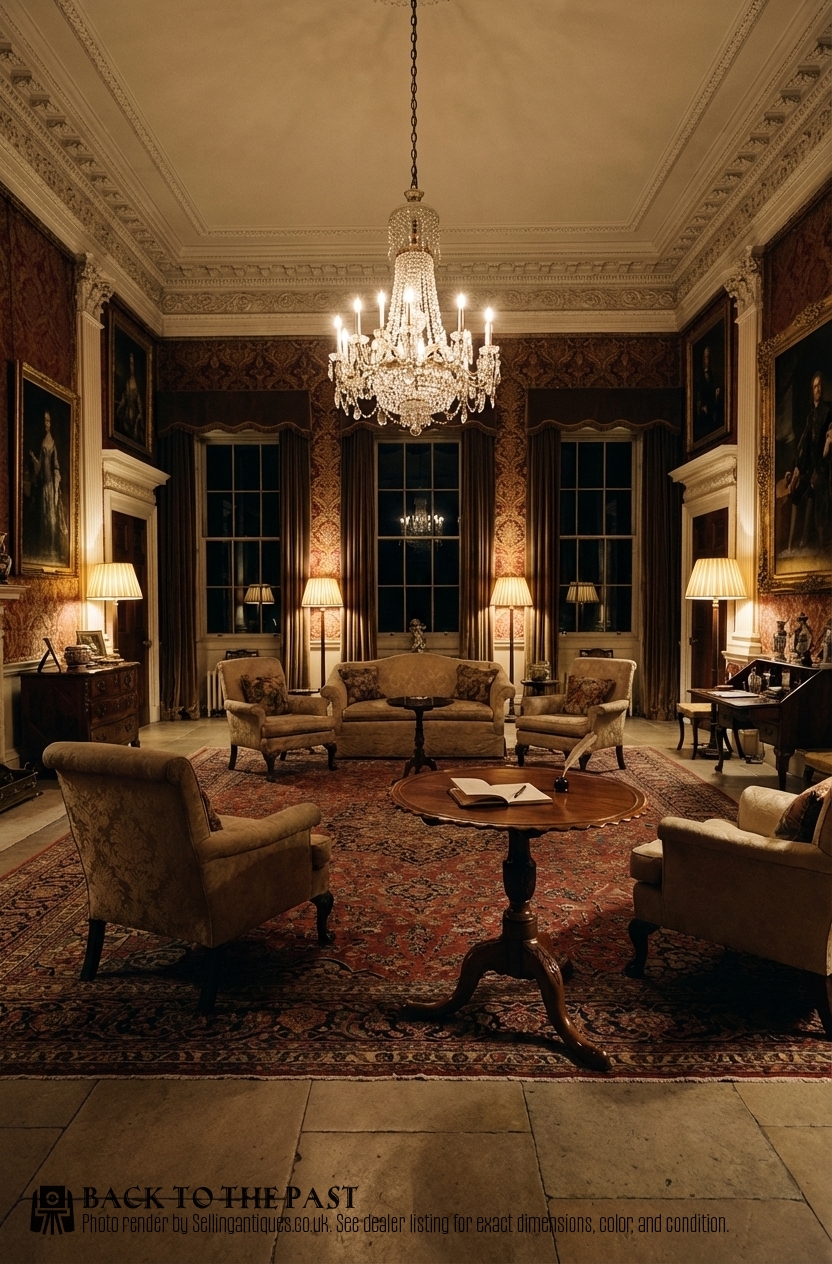
Scalloped Edge Accent Table
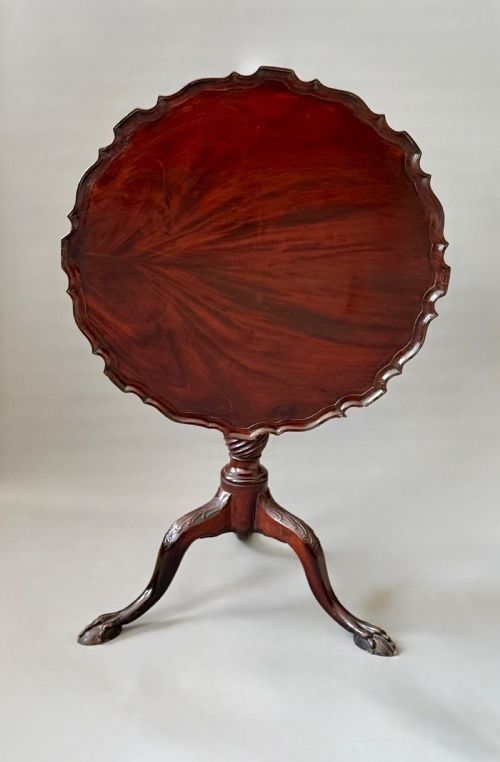
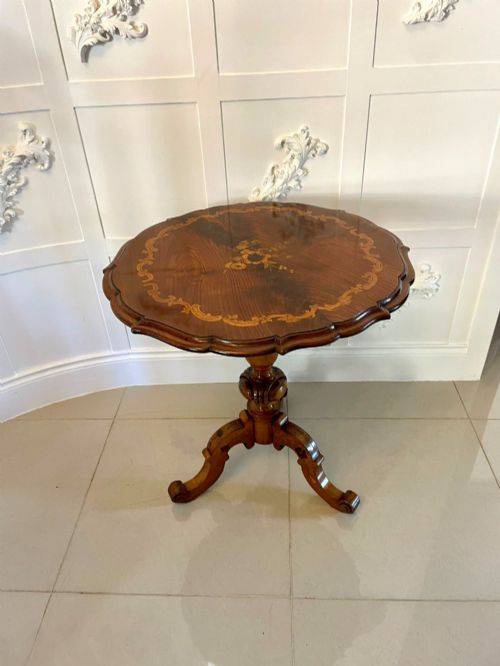
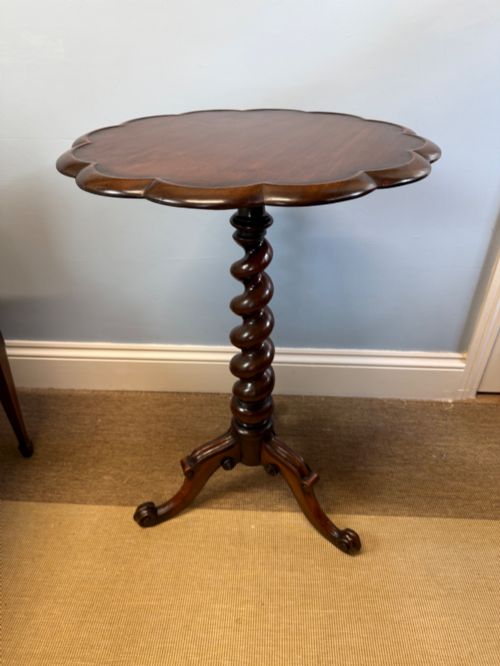
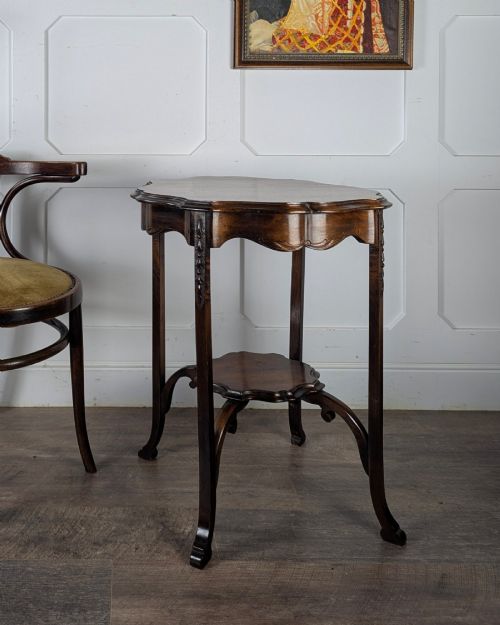
A scalloped edge accent table combines compact utility with shaped wooden perimeters, serving as a functional surface in sitting rooms and hallways. These small tables appear in various forms throughout the inventory, including tripod wine tables, tilt-top occasional pieces, and lamp tables.
Examples span several centuries and design movements, stretching from eighteenth-century George III pieces to Edwardian and later revivals. The defining feature across these periods remains the curved, indented rim profile that softens the outline of the timber top.
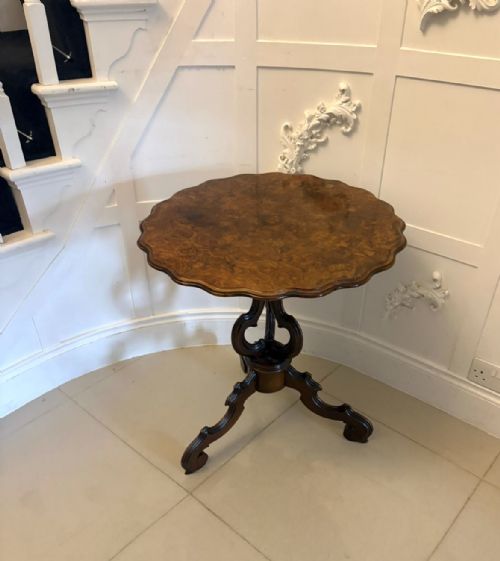
Most entries belong to the nineteenth and early twentieth centuries, constructed as occasional, side, or wine tables. Buyers will frequently encounter mahogany and walnut versions equipped with tripod bases or central pedestals.
Materials and construction
Cabinet makers relied primarily on dense hardwoods such as mahogany and walnut, often selecting figured veneers or burr walnut for the upper surfaces. Timber inlay and painted details supplement the natural grain on select Edwardian and Victorian specimens.
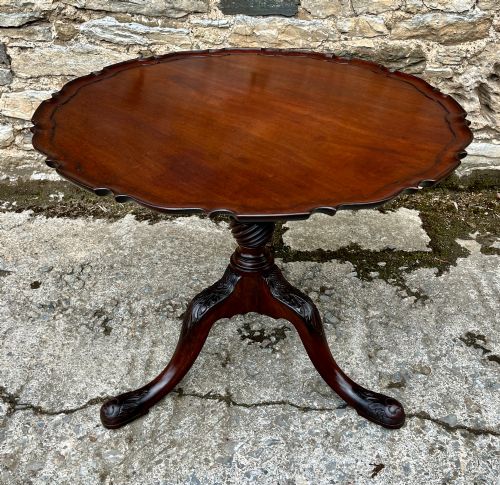
Many tables incorporate tilt-top mechanisms, birdcage supports, or tripod legs joined to a central pillar. Edge profiles require careful hand-sawing and moulding to achieve the characteristic pie-crust or scalloped outline.
Listings feature oak, walnut, and mahogany timbers alongside painted finishes and wood inlay across multiple centuries.
Distinguishing quality in construction and surface
Quality rests upon the selection of timber, particularly the depth of figure in walnut and the density of mahogany used for the top. Superior pieces display crisp carving along the shaped edge and sturdy, well-proportioned pillar supports.
The sophistication of the secondary details, such as marquetry inlay, finely turned tripod legs, and smooth-operating tilt mechanisms, separates standard production from exceptional cabinet work.
Shapland and Petter
The Scalloped Edge Accent Table Glossary
- Pie crust table
- A small table featuring a raised, carved edge shaped into alternating curves and points that resemble a pastry crust. This decorative rim is typically carved from a single solid piece of timber.
- Tilt top table
- A table with a hinged top that rotates to a vertical position when not in use, allowing the piece to stand flat against a wall. This mechanism often operates with a brass catch and a birdcage pivot block.
- Tripod table
- A freestanding small table supported by three legs radiating from a central pillar. This three-legged construction ensures stability on uneven floor surfaces.
- Marquetry
- The art of applying thin decorative pieces of wood veneer to a structural surface to form geometric or floral patterns. Makers utilise contrasting timbers to create tonal variation.
- Birdcage
- A timber framework beneath the table top that allows the surface to both pivot and rotate independently of the central column. This engineering feature is typical on finer Georgian and nineteenth-century examples.
Scalloped Edge Accent Table: Frequently Asked Questions
What is a scalloped edge accent table used for?
These small tables function as side supports for lamps, drinks, or decorative objects in living spaces. Their compact dimensions allow them to sit beside seating without crowding a room.
Historically, specific forms like wine tables and tilt-top tables served specialised dining or parlour duties before transitioning into general decorative furniture.
How do I identify an 18th-century piece?
Eighteenth-century examples typically exhibit dense, heavy mahogany timber, hand-carved pie-crust edges, and traditional joinery methods. They often feature birdcage mechanisms beneath the top.
Later revivals from the Victorian and Edwardian eras emulate these Georgian characteristics but often employ machine-cut elements or different secondary woods.
What does a tilt top mechanism do?
The tilt-top mechanism allows the wooden surface to fold flat against the central pillar via a hinged block. This design saved floor space in historical homes when the furniture was not actively in use.
Operating the catch reveals the internal pivot structure, which serves as an indicator of the period and standard of construction.
Where should I place this table at home?
A scalloped accent table fits well beside an armchair or sofa where its shaped top can provide a resting place for a book or cup. Their decorative perimeters also suit placement in empty hallway corners or as lamp stands.
Because many examples feature delicate tripod bases or polished veneer, positioning them away from direct heat sources helps protect the timber.