


Vintage Mahogany Occasional Table
A vintage mahogany occasional table offers compact utility and rich timber grain, serving as a versatile surface for daily household life.
Vintage Mahogany Occasional Table
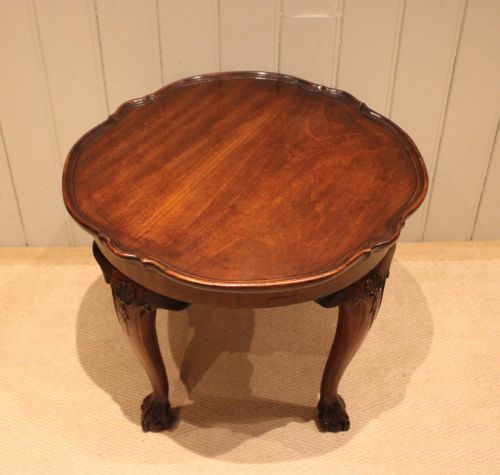
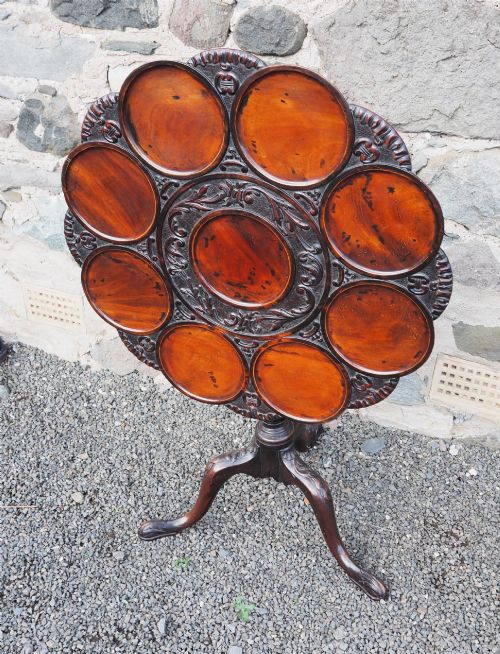
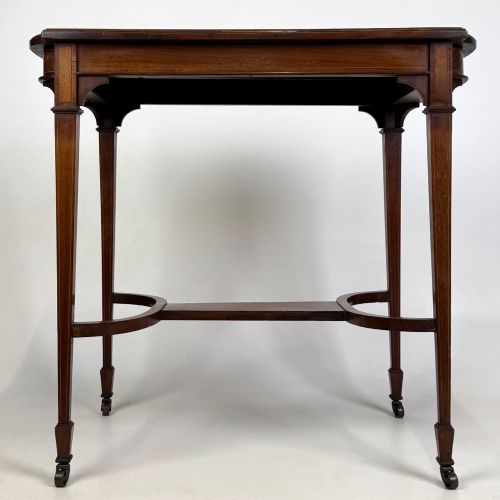
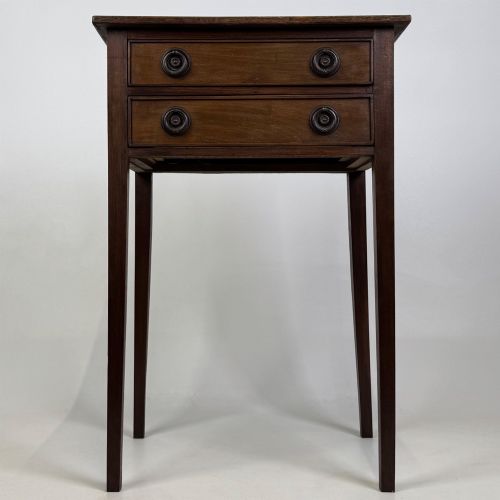
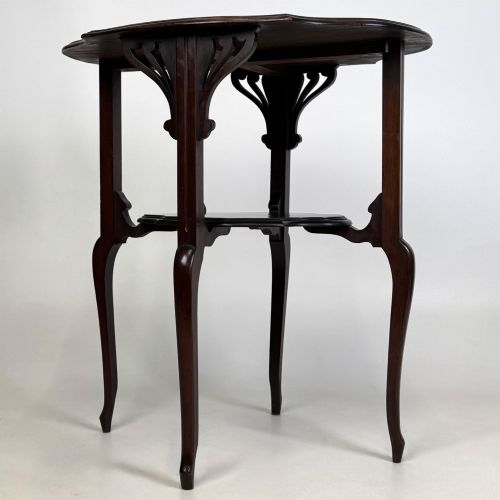
A vintage mahogany occasional table spans several forms designed for flexible placement around a room, including wine tables, lamp tables, and small side tables. These surfaces date from the Georgian period through the Edwardian era and into the early twentieth century.
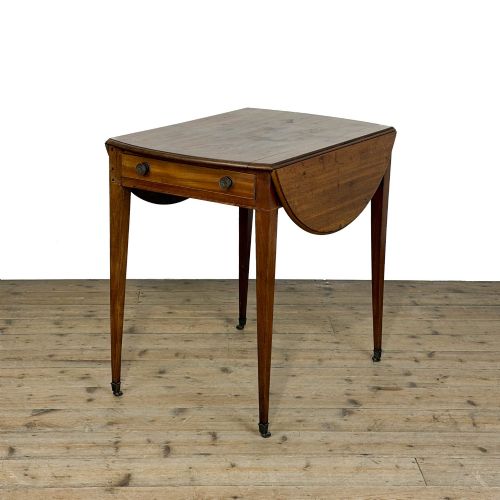
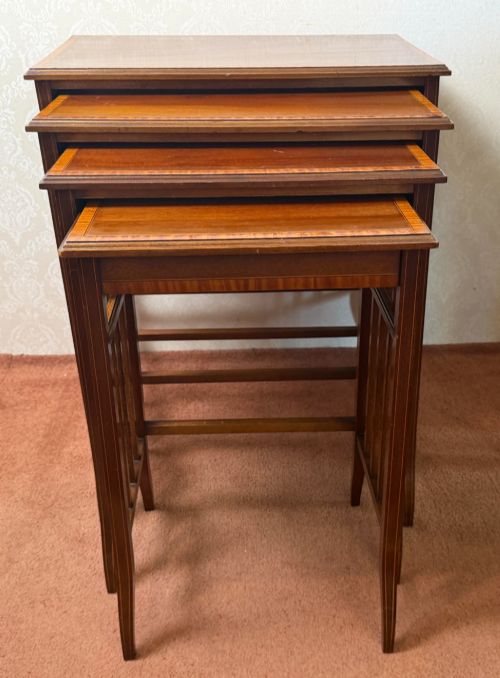
Buyers frequently encounter Edwardian and nineteenth-century examples alongside nests of tables and Pembroke tables. These pieces provide compact surfaces for living spaces while displaying traditional timber construction.
How they were made
Cabinet makers utilised solid mahogany and mahogany veneers over secondary timbers, often incorporating satinwood and boxwood inlay for decorative contrast. Structural joints relied on traditional woodworking techniques suited to small tables and stands.
Certain pieces integrate brass hardware, gilded brass mounts, or inset marble tops to elevate the finish. Surface decoration frequently includes cross-banding and fine stringing along table edges.
Vintage Mahogany Occasional Table Retail Price Guide 2026
Typical asking prices for vintage mahogany occasional table among the pieces listed under this phrase on Sellingantiques today, from the lower quarter to the upper quarter. They describe what is for sale here now, not the wider market.
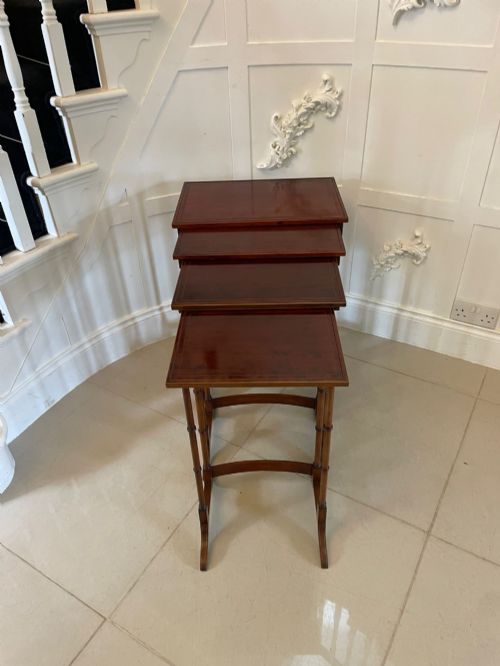
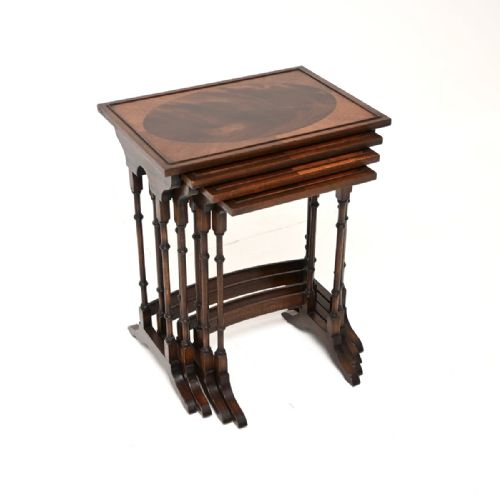
One exceptional Edwardian offering provides a circular nest of five mahogany tables, multiplying surfaces like Russian dolls.
What varies in quality
Quality depends upon the selection of the mahogany timber and the crispness of any inlaid boxwood or satinwood details. Superior examples display balanced proportions, refined leg turnings, and well-preserved original surface finishes.
Construction methods also distinguish standard production from finer workshop output, particularly in the stability of tripod bases and the precise fit of nesting table sets.
Druce & Co London
The Vintage Mahogany Occasional Table Glossary
- Pembroke table
- A small rectangular table with hinged drop leaves on either side, often featuring a single drawer. This form dates back to the eighteenth century and serves well as a compact writing or breakfast surface.
- Wine table
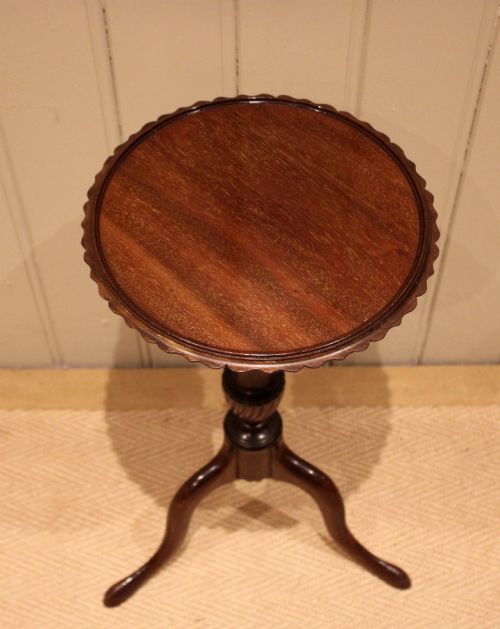
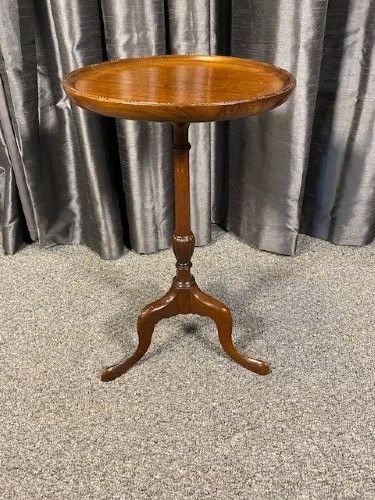
- A small, usually circular occasional table supported by a single central pillar and three legs, designed to hold a glass and bottle. These pieces appear frequently in eighteenth-century and nineteenth-century styles.
- Nest of tables
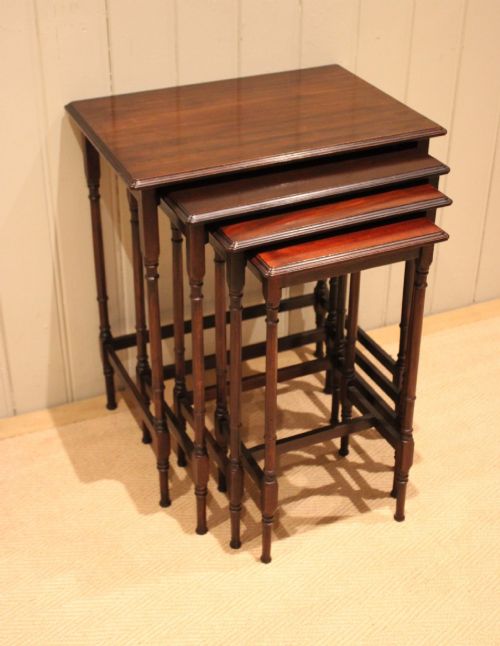
- A set of graduated tables designed to fit neatly beneath one another when not in use. They became particularly popular during the Edwardian period in mahogany with satinwood cross-banding.
- Sutherland table
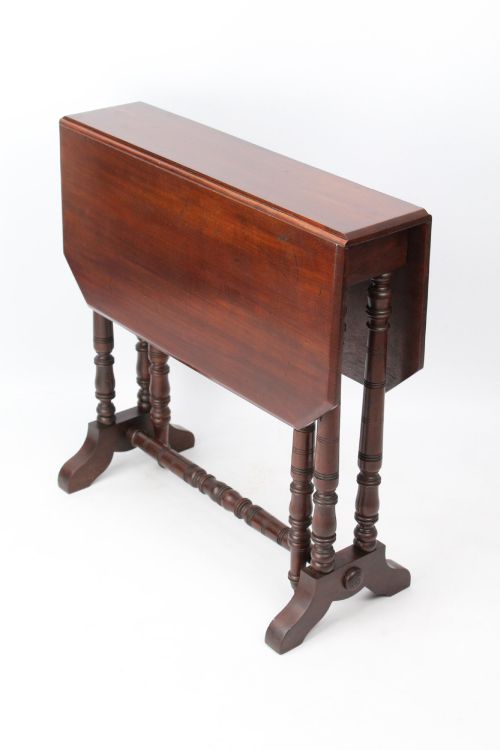
- A narrow drop-leaf table where both leaves fold down almost vertically, supported by swinging gate legs. This design maximises floor space in smaller rooms.
- Tripod table
- A freestanding small table resting on a central column that splits into three feet at the base. They were commonly produced in mahogany during the Georgian era.
Vintage Mahogany Occasional Table: Frequently Asked Questions
What is an occasional table?
An occasional table is a small, movable surface intended for specific, intermittent use around the home, such as holding a lamp, drink, or book.
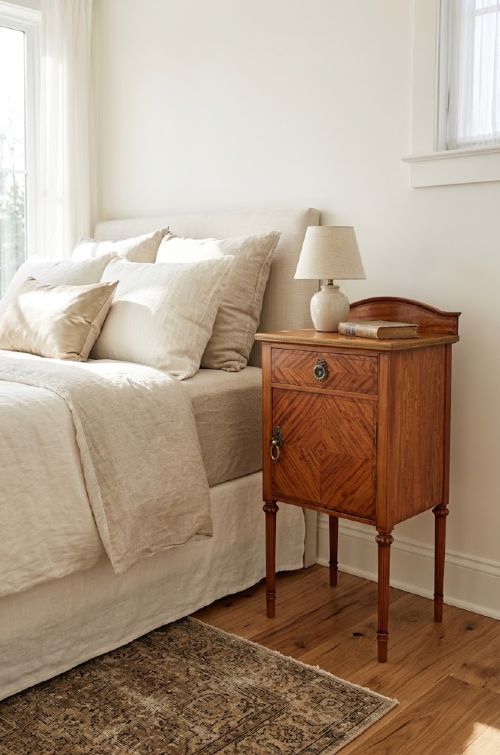
These pieces include wine tables, bedside stands, and small side tables designed to fit easily beside seating or in corners.
How do I date a mahogany table?
Dating relies on observing construction methods, timber characteristics, and stylistic details associated with periods like the Georgian era or Edwardian period.
Cabinet-making techniques, such as hand-cut joints and the use of solid mahogany versus veneer, help indicate the age of the piece.
Where should I place a wine table?
Wine tables suit placement beside armchairs, sofas, or in unused corners where a compact surface is useful.
Because of their small footprints and stable tripod bases, they fit easily into narrow spaces without cluttering a room.
What is a nest of tables?
A nest of tables consists of a set of several small tables built to stack beneath the largest one, saving floor space.
They offer flexible surfaces that can be pulled out separately when entertaining guests and tucked away afterwards.