
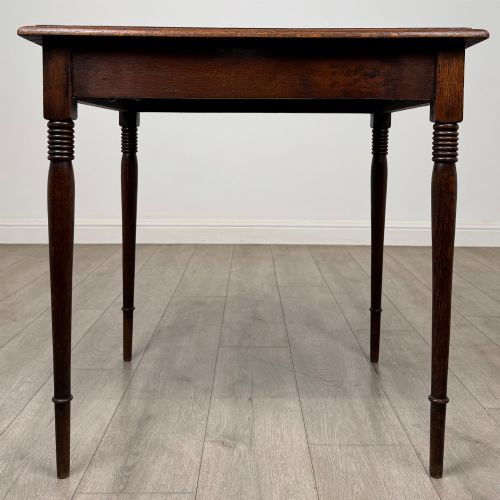
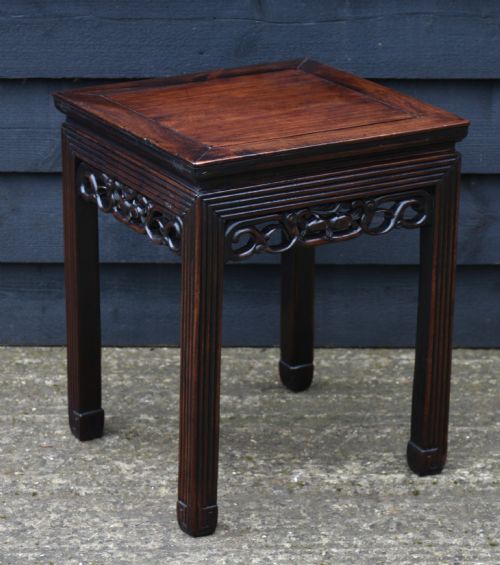
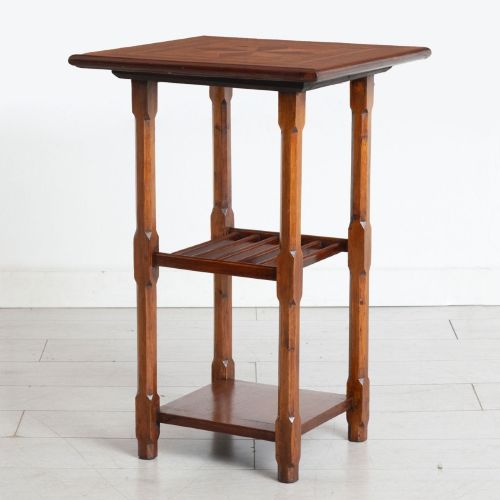
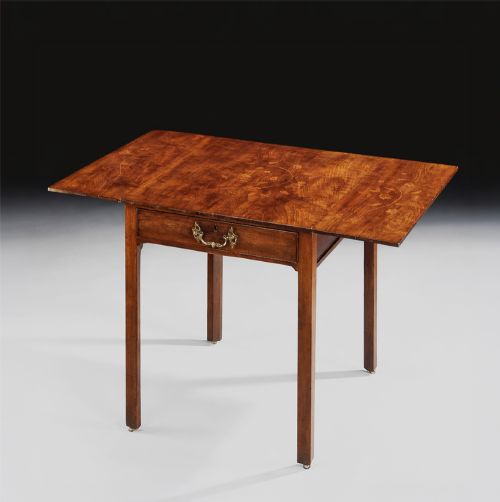
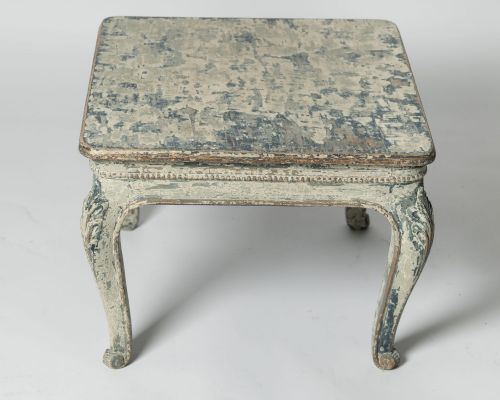
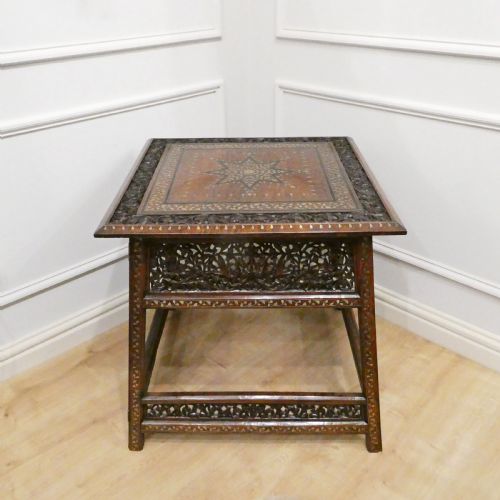
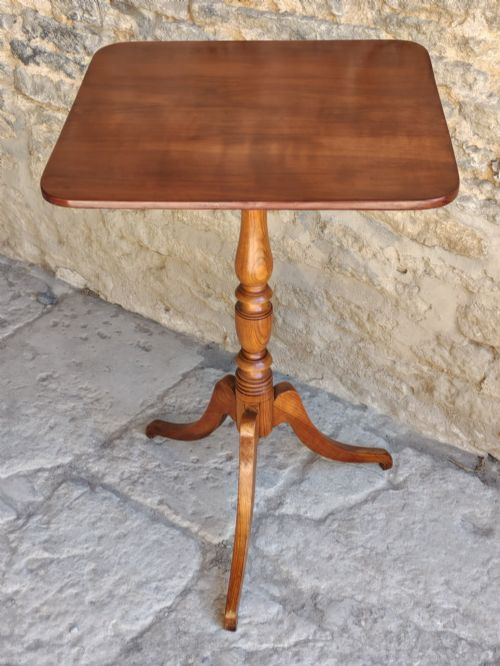
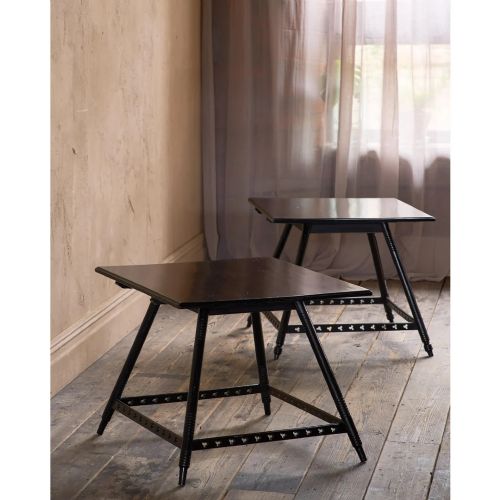
Antique Square Side Table
An antique square side table offers compact utility and distinct period character, making it a versatile addition to any room.
What an antique square side table is
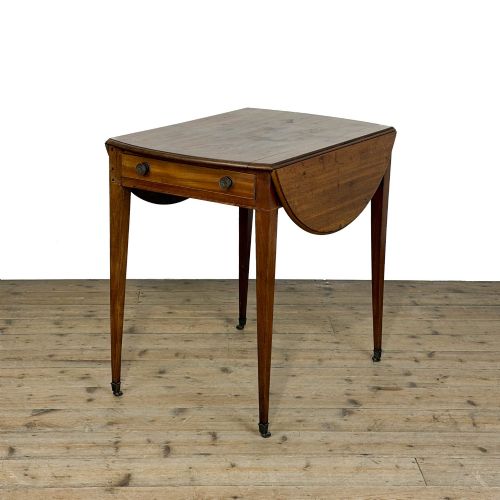
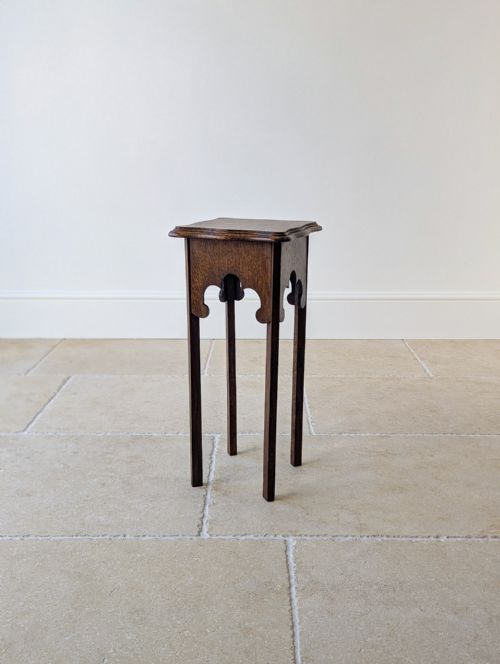
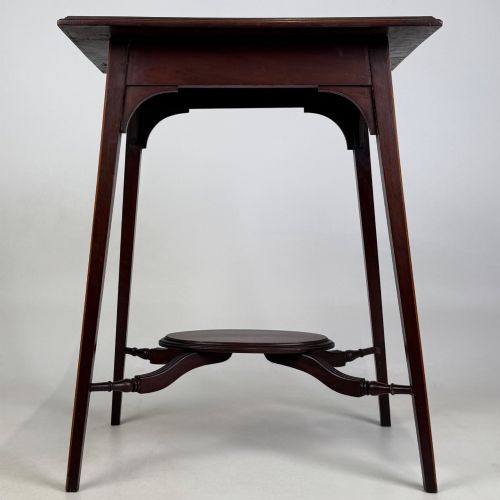
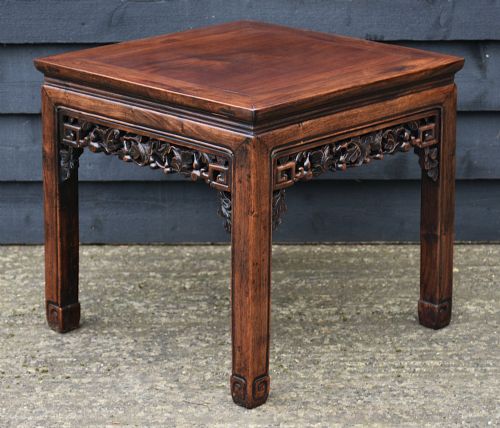
An antique square side table serves as a functional surface for lamps, tea, or display, taking up minimal floor space while adding period style to a room. When searching for an antique square side table, buyers encounter forms ranging from simple occasional tables to those with lift-up tops or pedestals.
The pieces appearing on this page span the Edwardian period, the nineteenth century, and around eighteen eighty to nineteen hundred. These examples include side tables, lamp tables, and occasional tables.
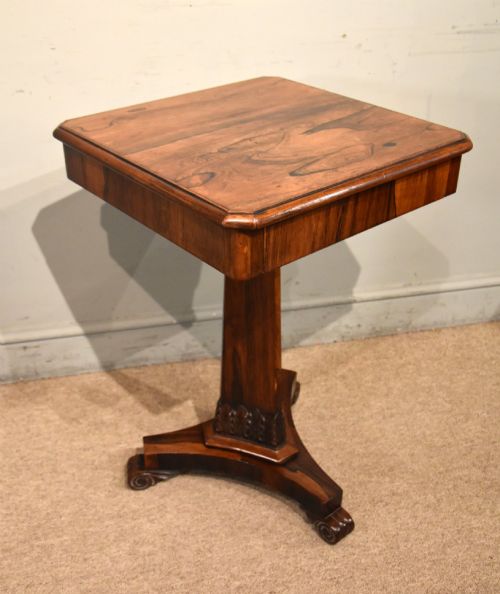
The origins and styles represented in the evidence encompass English and Indian pieces, alongside specific movements such as the Aesthetic Movement and Regency neoclassical designs. Walnut, oak, and mahogany form the structural core of these examples.
How they were made
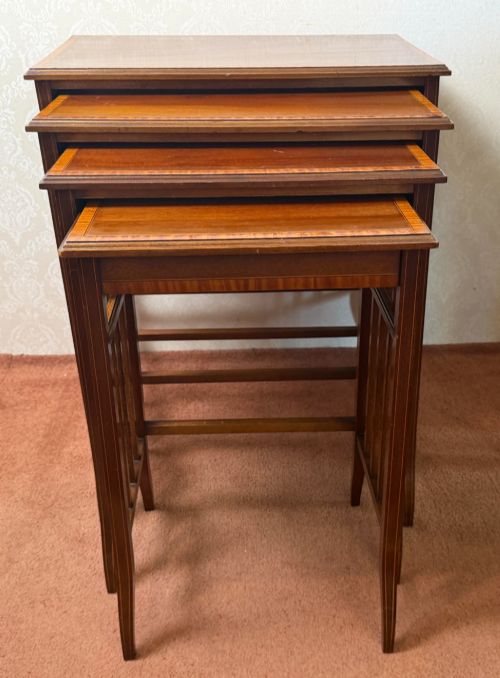
Cabinet makers utilised a variety of timbers including walnut, satinwood, mahogany, oak, and boxwood to construct these tables. Inlaid decoration often combined contrasting woods to create intricate geometric or organic patterns on the top surface.
Surface treatments recorded in the evidence range from plain polished finishes to painted wood and gilded wood. Additional detailing includes carved elements and brass mounts, reflecting the stylistic preferences of the nineteenth and early twentieth centuries.
Retail Price Guide 2026
Typical UK retail prices for square side table, calculated from the Sellingantiques database of over a million retail prices indexed since 2003. This retail price guide relies exclusively on Sellingantiques data; no external sources or auction records are used, so the figures do not describe the wider market.
Listings feature walnut, mahogany, and oak as the primary timbers, frequently enhanced with satinwood and boxwood inlay.
What varies in quality
The refinement of the timber selection and the precision of the inlay work distinguish finer examples from simpler utility pieces. Richly figured grain in walnut or mahogany, paired with crisp boxwood stringing, elevates the visual presence of the furniture.
The execution of carved ornamentation and the integration of functional elements, such as a lift-up top or a pedestal base, demonstrate the maker's skill. Cohesion of style, whether following Aesthetic Movement lines or Regency neoclassical form, marks the upper tier of quality.
The Antique Square Side Table Glossary
- Occasional table
- A small, movable table intended for specific, intermittent use rather than a permanent position. These pieces are easily relocated around a room as needed.
- Inlay
- A decorative technique where pieces of contrasting timber, such as satinwood or boxwood, are inserted into recesses in the primary wood surface to form patterns.
- Aesthetic Movement
- A late nineteenth-century design style emphasising visual beauty over narrative content, often drawing inspiration from Japanese and simplified classical forms.
- Regency neoclassical
- A style prevalent in the early nineteenth century characterised by a revival of ancient Greek and Roman architectural motifs and clean geometric lines.
- Pedestal
- A central supporting column rising from a footed base to hold up the tabletop, frequently seen in nineteenth-century occasional and side tables.
Frequently Asked Questions
What is an antique square side table used for?
These compact pieces function as convenient surfaces for placing table lamps, holding books, or serving tea in a sitting room.
Historically, specific variations also served as lamp tables or display stands, adapting to the domestic requirements of the nineteenth and early twentieth centuries.
How do I date an antique square side table?
Dating relies on identifying timber choices, construction techniques, and stylistic markers such as Edwardian inlay or Victorian carving.
Evidence from past and current pieces shows dates spanning from the nineteenth century through to the Edwardian era around nineteen hundred.
What woods were used for these tables?
Cabinet makers utilised a range of domestic and imported timbers, most notably walnut, mahogany, oak, and satinwood.
Secondary woods and decorative accents like boxwood stringing were frequently incorporated to enhance the visual contrast of the top surface.
Are these tables suitable for small rooms?
The square footprint makes these side tables exceptionally well-suited for tight corners, beside armchairs, or as lamp tables in limited spaces.
Their compact proportions provide surface utility without overwhelming the surrounding interior layout.
What styles are common in these tables?
Common stylistic categories include Edwardian utility pieces, Aesthetic Movement designs, and Regency neoclassical pedestal forms.
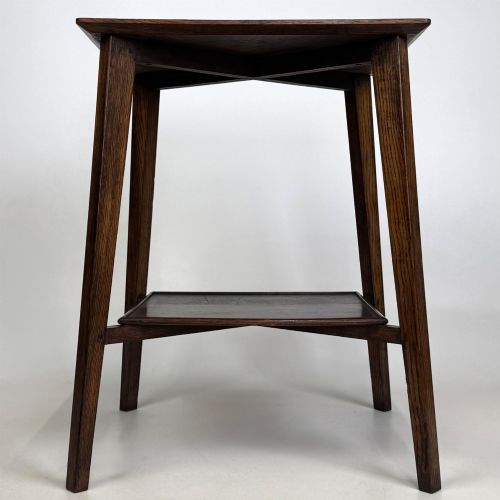
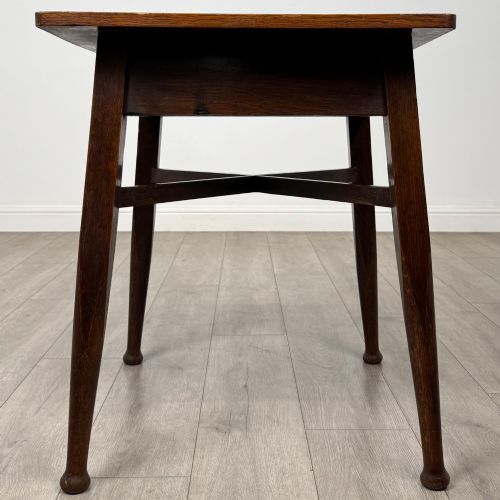
Some examples also display Arts and Crafts influences, particularly in straightforward oak constructions from the early twentieth century.