
Edwardian Turned Leg Table
When you handle an edwardian turned leg table, you meet a domestic timber piece shaped by straightforward lathe work for daily service.
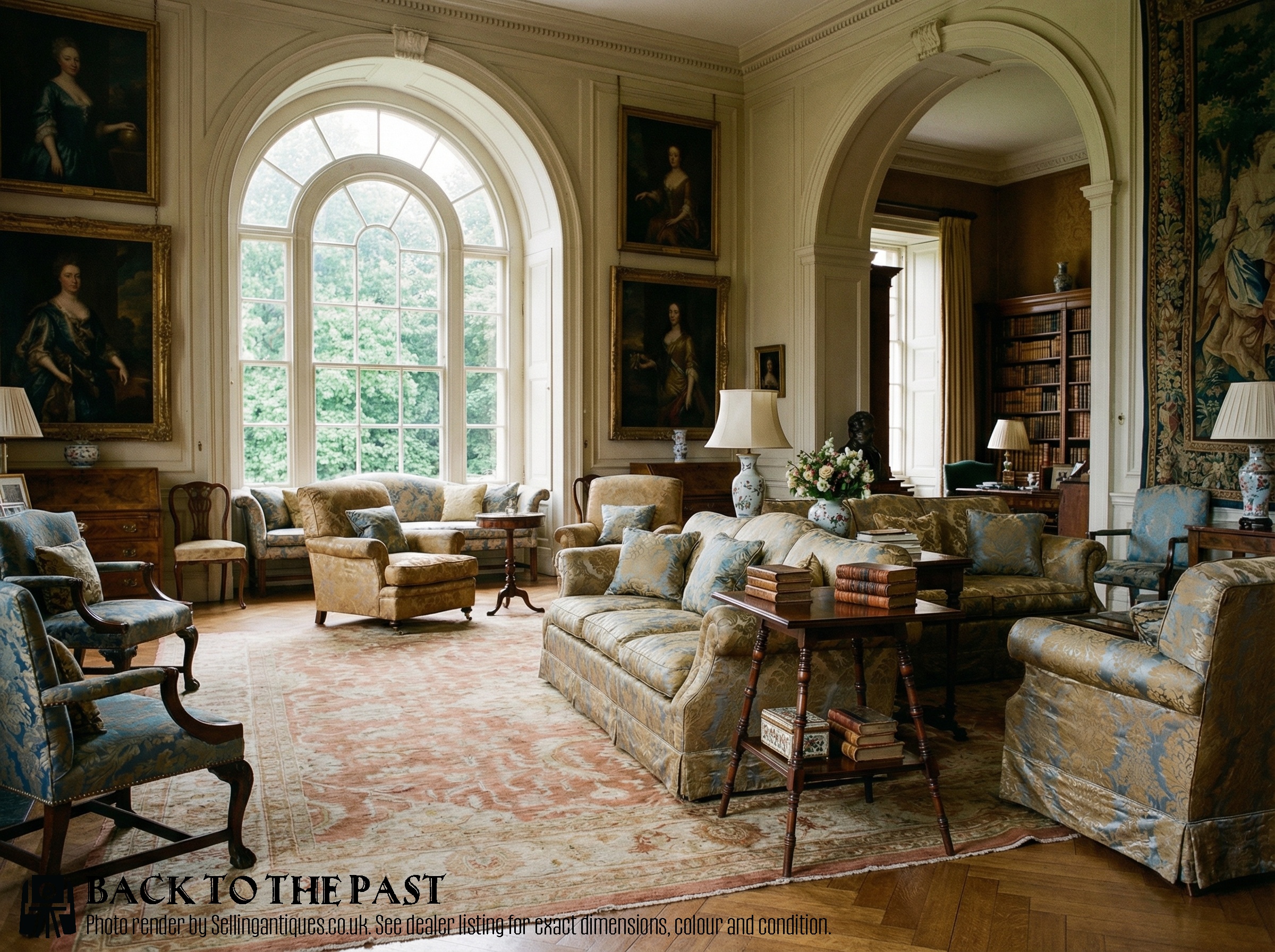
Edwardian Turned Leg Table
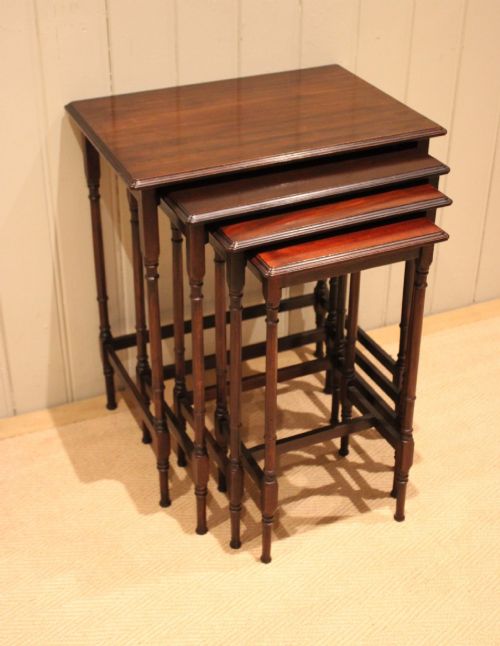
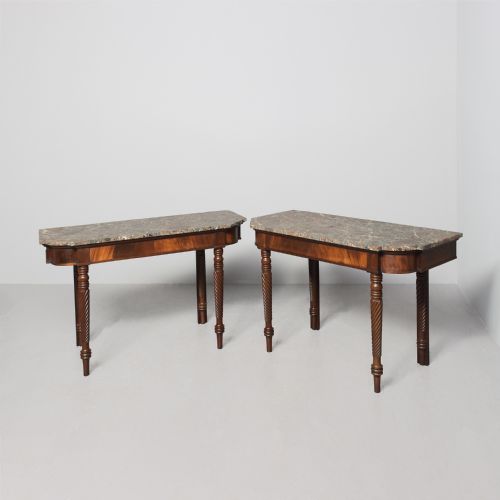
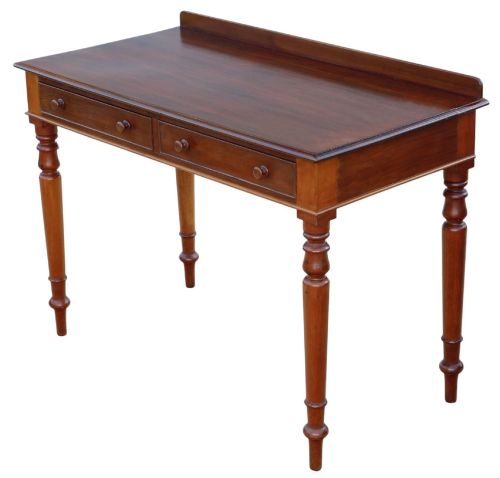
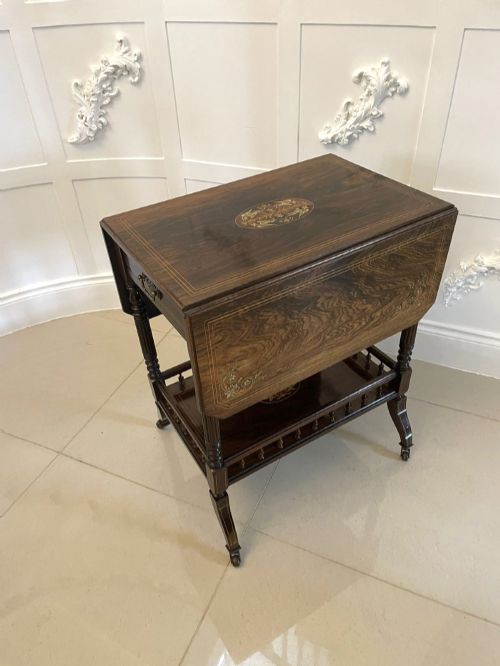
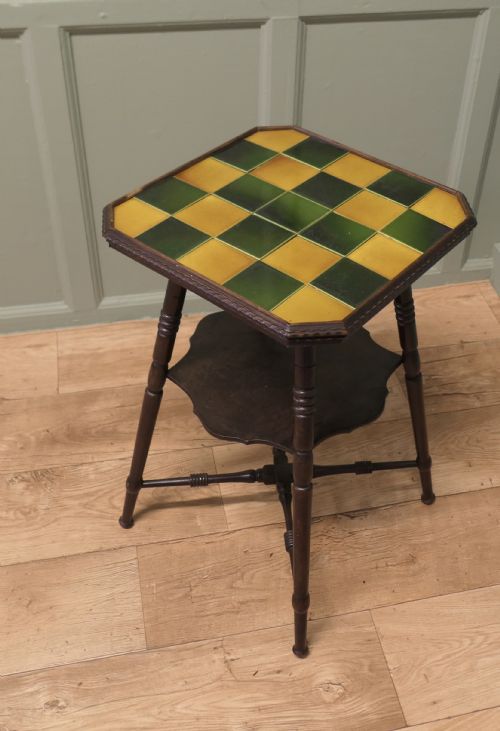
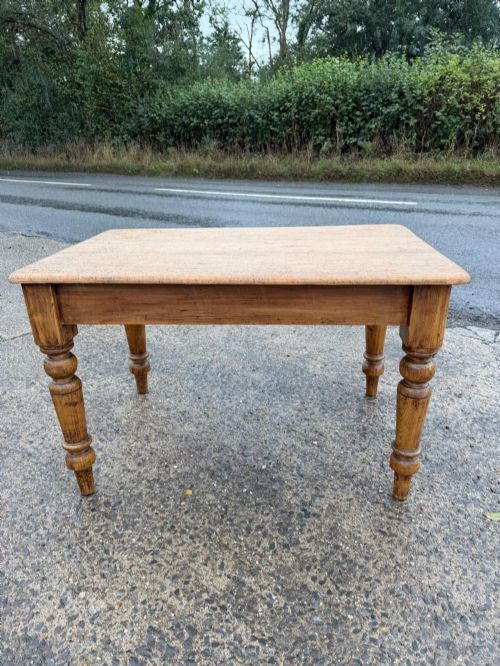
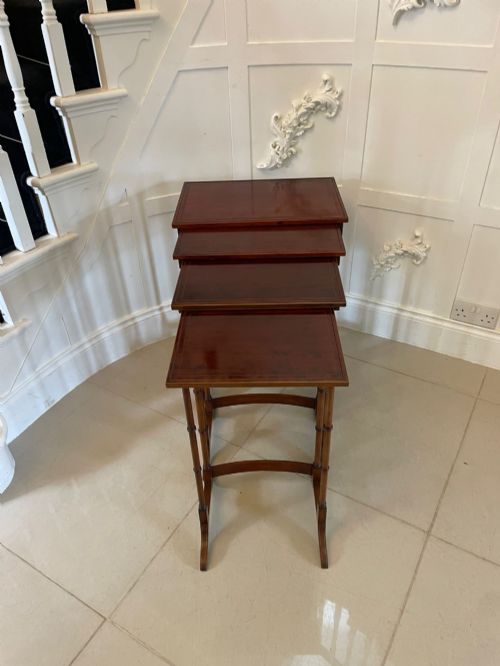
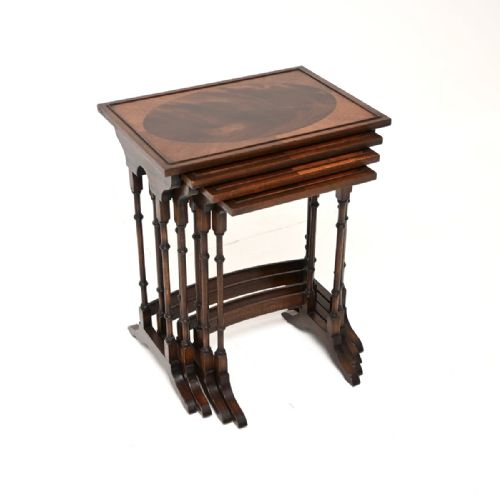
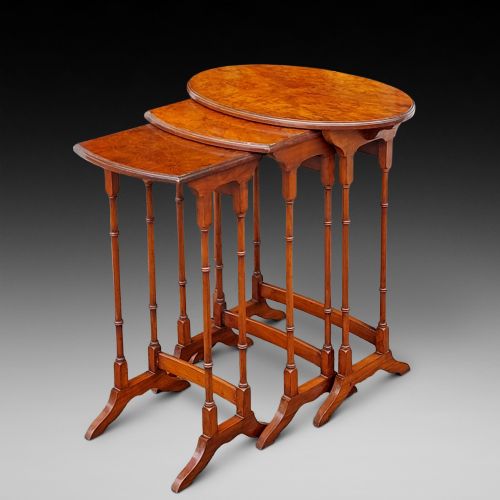
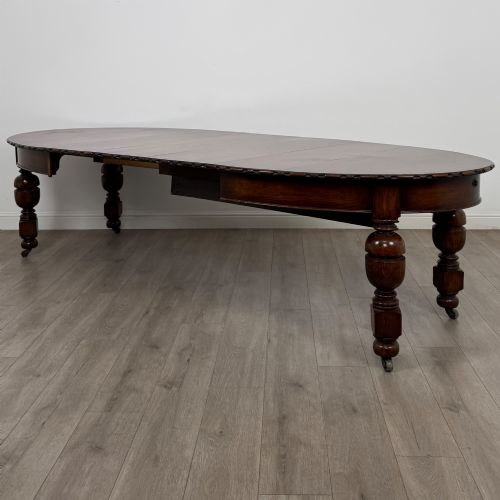
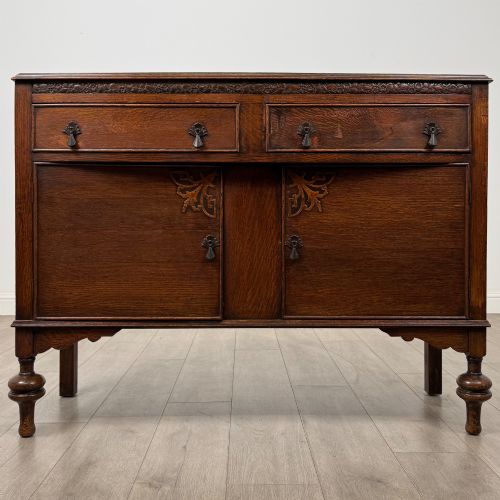
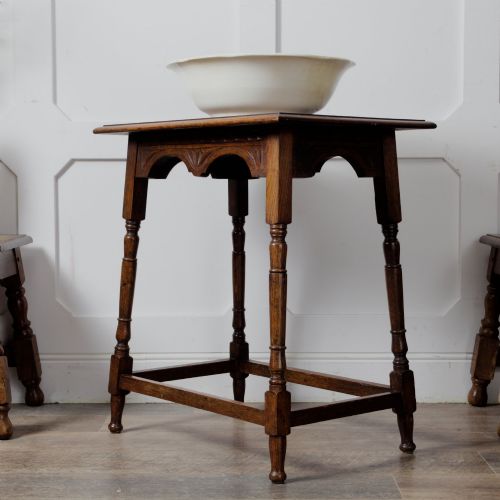
An edwardian turned leg table brings domestic utility into view through forms like side tables, dining tables, nests of tables, and writing desks produced around the turn of the twentieth century. These domestic pieces rely on distinct turned upright supports that define their structural silhouette.
The evidence shows these designs appearing predominantly in oak, mahogany, and walnut, alongside pine versions intended for utility spaces. Alongside strictly Edwardian examples, the listings bring together pieces spanning from Victorian decades into the 1920s sharing this characteristic turned framing.
Buyers encounter everything from compact occasional tables and nests of four to larger dining tables and desk variants. The turned leg serves as the unifying detail across these differing object types.
Materials and Construction
Cabinet makers utilised hardwoods such as mahogany, oak, and walnut for primary surfaces and frames, while pine served for utility tables and secondary framing. Selected timbers provided the structural strength required for daily domestic use.
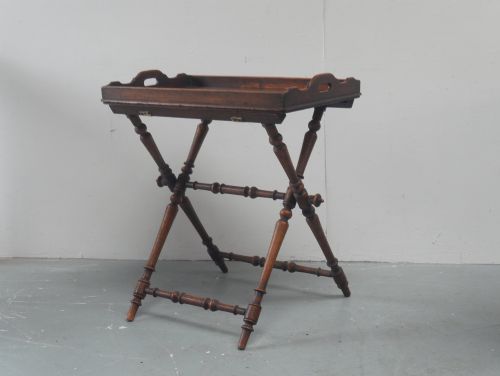
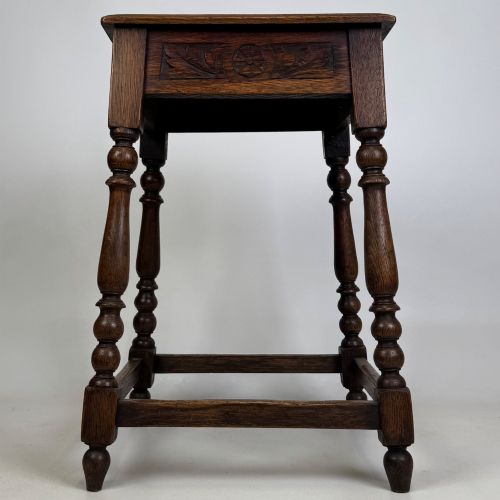
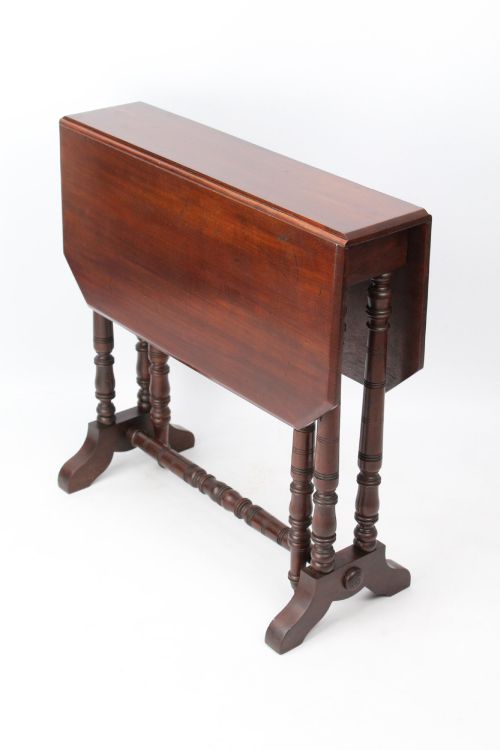
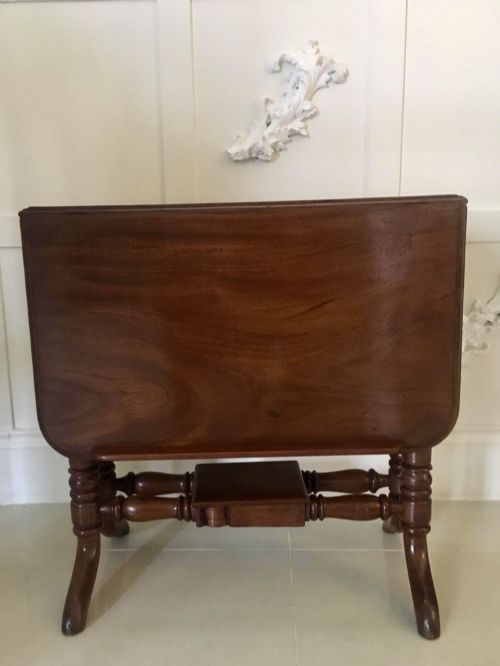
Woodworking techniques relied on lathe turning to shape the legs, producing cylindrical or spool profiles that support tabletops, drop-leaves, and drawers. Joinery methods included mortise and tenon connections to ensure stability in everyday furniture.
Edwardian Turned Leg Table Retail Price Guide 2026
Typical asking prices for edwardian turned leg table among the pieces listed under this phrase on Sellingantiques today, from the lower quarter to the upper quarter. They describe what is for sale here now, not the wider market.
The documented forms span from occasional tables and nests to writing desks, side tables, and extending dining furniture.
Distinctions in Quality
The choice of timber creates a fundamental distinction, moving from utilitarian pine and standard oak up to figured mahogany and burr walnut veneers. Timber selection dictates both the visual depth of the grain and the inherent weight of the piece.
The precision of the lathe work and joinery separates standard production items from finer workshop output. Crisp turning profiles and carefully integrated drawers demonstrate the skill applied during manufacture.
Heal and Son·Shapland and Petter·Baillie Scott·Druce and Co London
The Edwardian Turned Leg Table Glossary
- Turned leg
- A support shaped by rotating timber against a lathe cutting tool. This method produces cylindrical, bobbin, or spindle profiles found on table supports.
- Nesting tables
- A set of graduated tables designed to slide neatly beneath one another. They save space when not in use around a room.
- Drop-leaf
- A hinged table leaf that folds down to reduce the overall surface area. It allows the furniture to adapt to smaller spaces.
- Occasional table
- A small, movable table intended for specific, temporary uses rather than permanent placement. They appear frequently in Edwardian interiors.
- Frieze
- The horizontal band running directly beneath the tabletop. This section often houses a single drawer or decorative carved details.
Edwardian Turned Leg Table: Frequently Asked Questions
Where did people put these tables?
These tables sat in principal reception rooms, hallways, and bedrooms to hold lamps, writing materials, or decorative objects. Their versatile sizes allowed them to move easily around domestic spaces.
Smaller variants like nests or occasional tables functioned near seating areas for tea or reading. Dining and side tables took permanent positions against walls or centre stage in dining spaces.
How do I care for the wood surface?
Maintenance requires keeping timber surfaces away from direct heat sources and strong sunlight to prevent drying and fading. Regular dusting with a dry cloth preserves the polished finish.
Occasional application of appropriate wax feeds hardwood grains like mahogany and oak. Avoid chemical sprays that can degrade historic polishes over time.
Are these tables sturdy enough for daily use?
Solid timber construction and traditional joinery make these pieces durable for everyday tasks. Their original purpose was functional domestic service, meaning they were built to withstand regular handling.
Checking that the turned leg joints remain firm ensures the table handles weight securely. Most examples continue to function effectively as working desks or side surfaces.
How do I distinguish Edwardian from Victorian tables?
Edwardian tables generally display lighter proportions and less heavy ornamentation than their Victorian predecessors. Lighter timbers and simpler lines often characterise the post-1900 output.
Victorian pieces frequently feature darker, denser mahogany finishes with heavier mouldings and more complex carved details. Examining the timber choice and structural mass helps separate the two periods.