

Dark Oak Tea Table
A dark oak tea table brings solid timber grain and sturdy practicality to a sitting room, spanning centuries of English country and revival design.
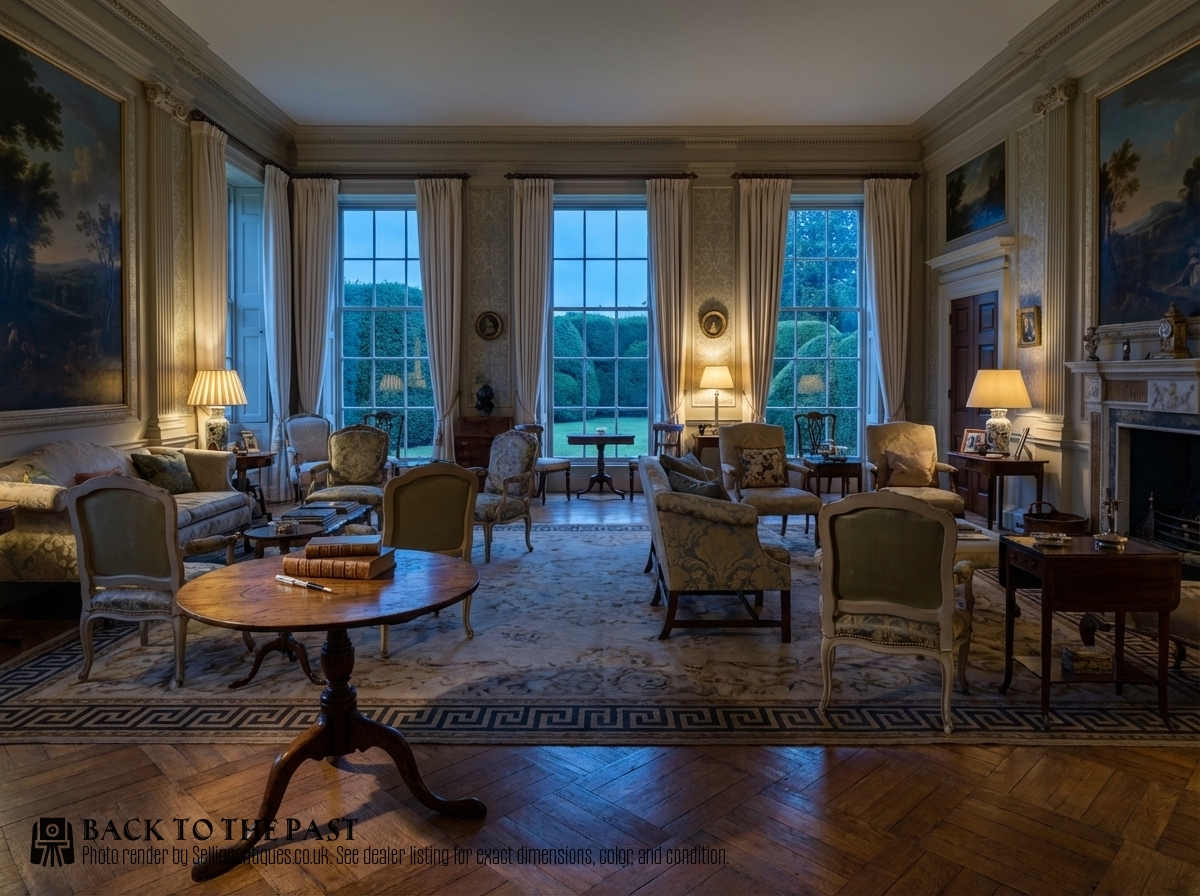
Dark Oak Tea Table
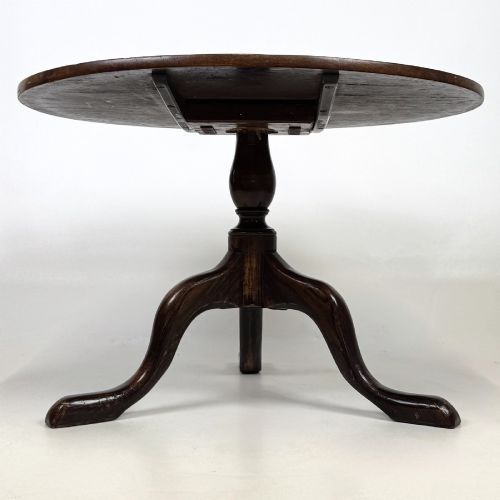
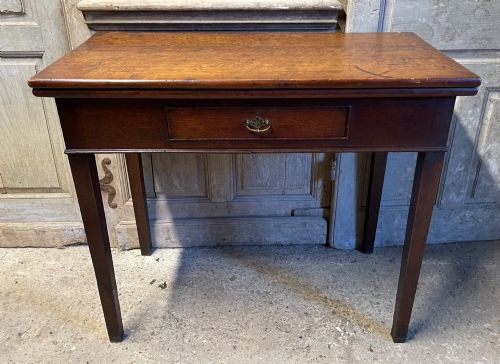
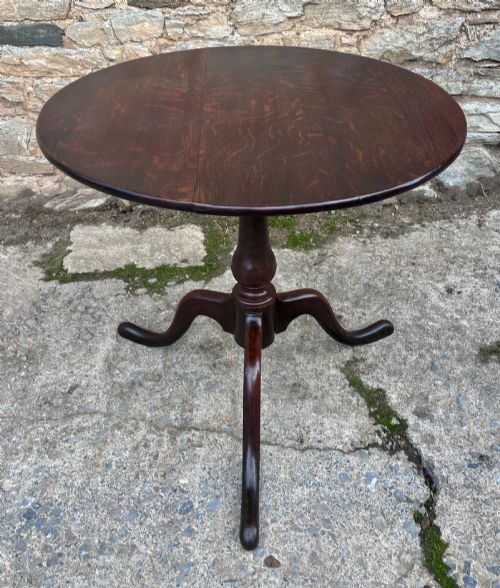
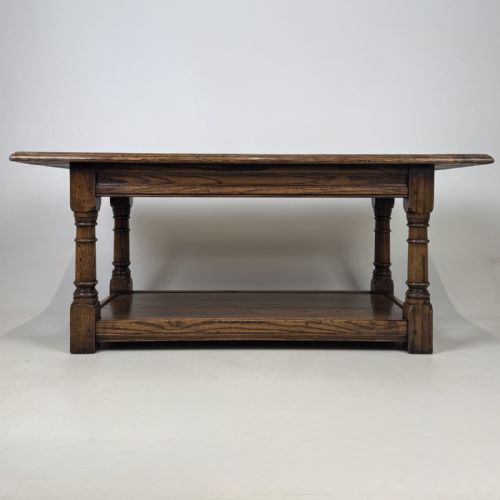
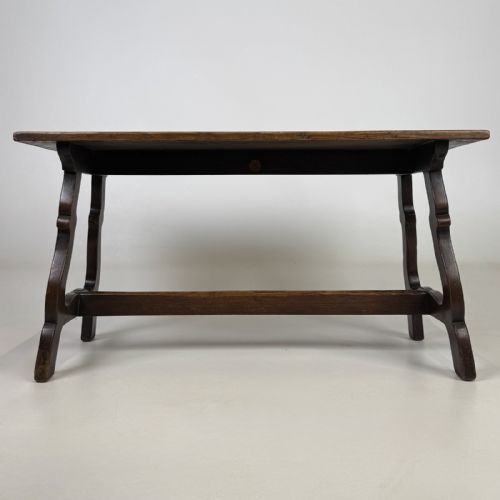
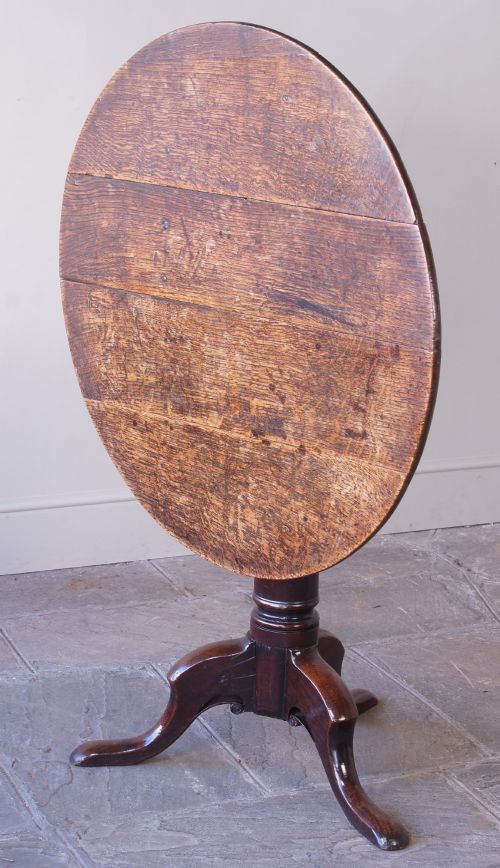
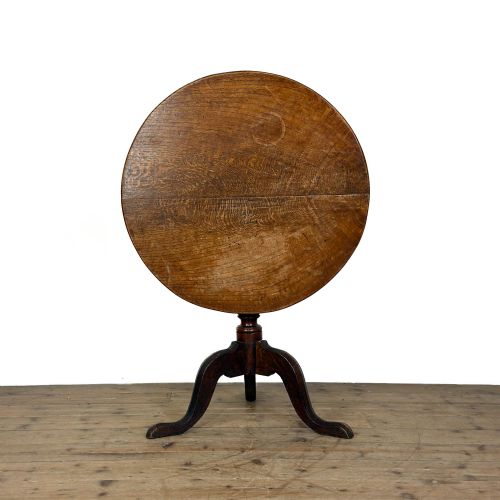
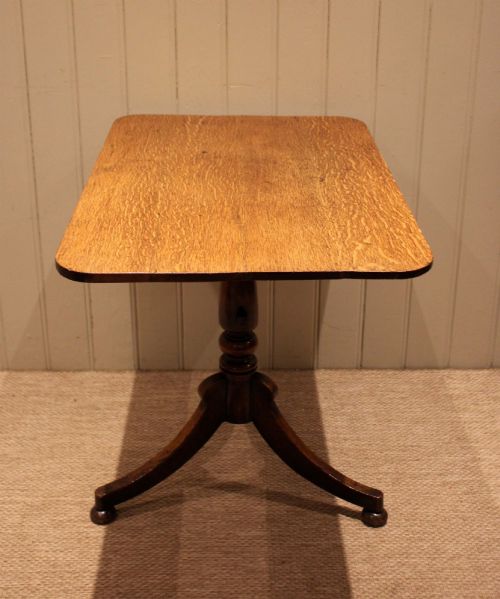
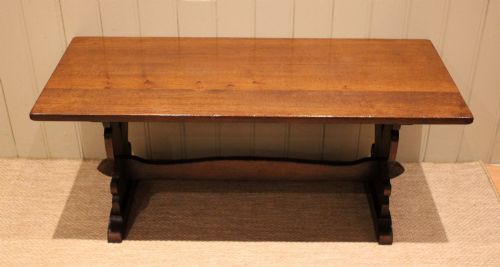
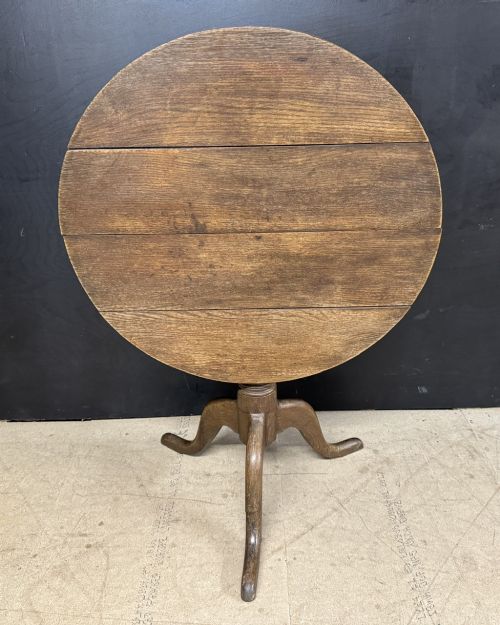
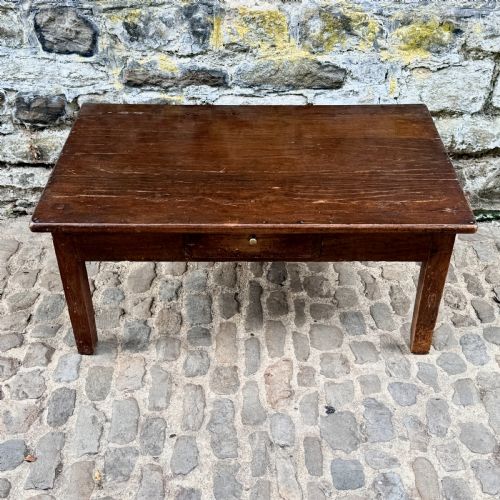
A dark oak tea table encompasses low coffee surfaces, tripod tilt-top designs, and occasional pieces originating from the eighteenth, nineteenth, and early twentieth centuries. These tables serve daily domestic use in sitting rooms, libraries, and parlours, providing a stable surface for cups, books, and lamps.
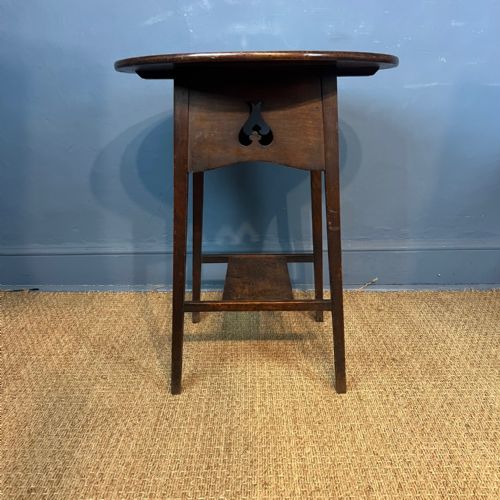
The versions most commonly met on this page date from the Edwardian era and the Georgian period, often taking the form of tripod tables or small side tables. Makers constructed these pieces in English country houses, urban workshops, and provincial cabinet-making centres using regional timbers.
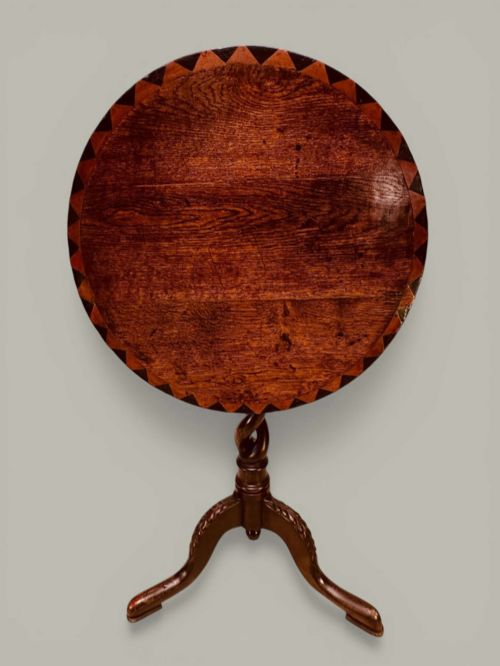
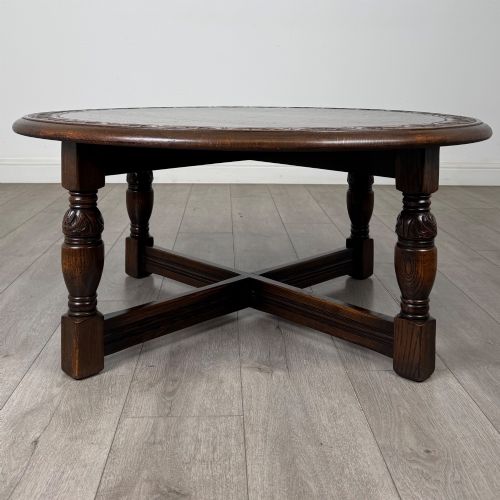
Forms range from simple clover-shaped and oval tops to intricate carved pedestal designs and barley twist supports. Buyers select these tables for their compact proportions and dark timber patination, which suit both traditional interiors and modern living spaces.
Materials and construction
Makers utilised solid oak alongside supporting timbers such as chestnut, beech, and fruitwood to build these tables. Burr oak appeared on select circular surfaces to display complex grain patterns, while brass fittings and silver plate added functional detail to specific trolleys and boxes.
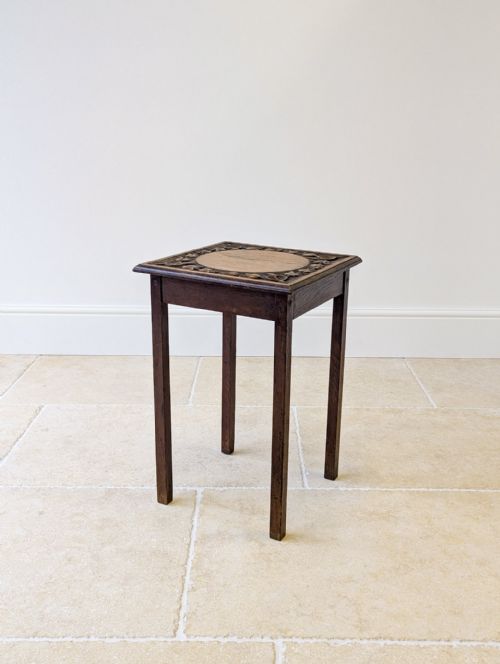
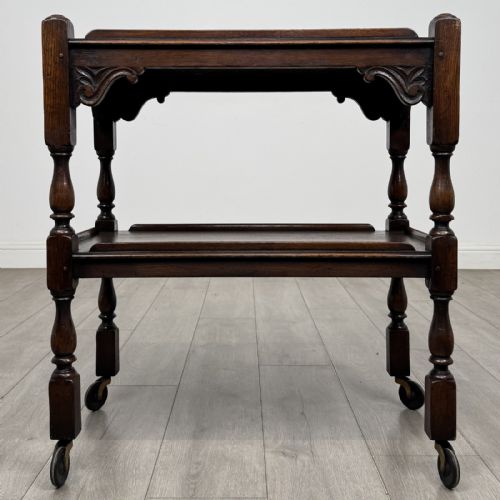
Joinery methods relied on sturdy pegging, turned legs, and tilting mechanisms for tripod bases. Carved decoration, including foliage and geometric motifs, was worked directly into the timber by hand using chisels and gouges.
Dark Oak Tea Table Retail Price Guide 2026
Typical asking prices for dark oak tea table among the pieces listed under this phrase on Sellingantiques today, from the lower quarter to the upper quarter. They describe what is for sale here now, not the wider market.
Several tables include clever tilting mechanisms designed to hide flat against parlour walls when tea was finished.
Distinctions in quality
Quality rests in the selection of the timber and the crispness of the hand-carved detail. Tables featuring burr oak tops or finely turned barley twist legs display greater craftsmanship than plain utilitarian equivalents.
The stability of the tilt mechanisms and the tightness of the joints determine structural integrity. Superior examples retain original surface patination and uncompromised timber thickness across the tabletop.
Liberty's
The Dark Oak Tea Table Glossary
- Tilt-top table
- A small table with a hinged top that folds vertical when not in use. This mechanism allowed tables to be stored flat against a wall in smaller rooms.
- Tripod table
- A round table supported by a central pillar and three legs. These appeared frequently in eighteenth-century English parlours.
- Barley twist
- A carved column resembling a twisted rope. This turned detail is common on Edwardian and late nineteenth-century oak furniture.
- Cricket table
- A small, three-legged occasional table with a circular top. The three legs ensured stability on uneven farmhouse floors.
Dark Oak Tea Table: Frequently Asked Questions
How do I date an old oak table?
Dating relies on construction methods, timber selection, and distinct stylistic markers such as turned legs or carved panels. Examining the underside and joints reveals tool marks and assembly techniques specific to periods like the Georgian era or the Edwardian decades.
Changes in hardware, such as brass fittings, and the depth of the timber patination further help place the piece in its proper century.
Were these tables actually used for tea?
Many of these pieces served afternoon tea, drinking gatherings, and parlour socials before the modern coffee table became standard. Tripod tables and tea trolleys were designed specifically to move cups and pots easily around the home.
Smaller side tables and occasional surfaces also held porcelain tea sets, serving a central role in formal domestic hospitality.
How should I care for dark oak timber?
Maintaining dark oak involves applying occasional natural wax to nourish the grain and protect the surface from drying out. Keeping tables away from direct heat sources and strong sunlight preserves the rich colour and prevents wood splitting.
Polishing with a soft cloth removes dust without building up heavy chemical layers that obscure the natural patination.
What is a tilt-top mechanism used for?
The tilt-top mechanism allows the circular table surface to pivot upright on its central pedestal. This clever design saved valuable floor space in period drawing rooms when tea service concluded.
Spring catches and wooden latches secured the top in either the horizontal or vertical position during daily use.