



Antique Oak Supper Table
An antique oak supper table is a sturdy timber board raised for evening hospitality, built to hold heavy dishes and generous company.
Antique Oak Supper Table
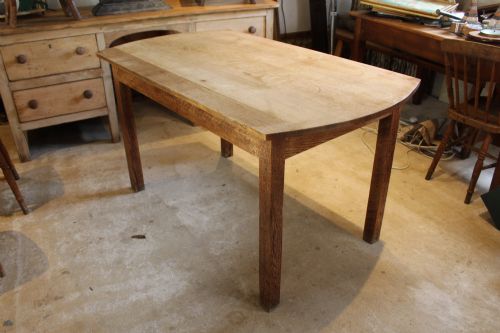
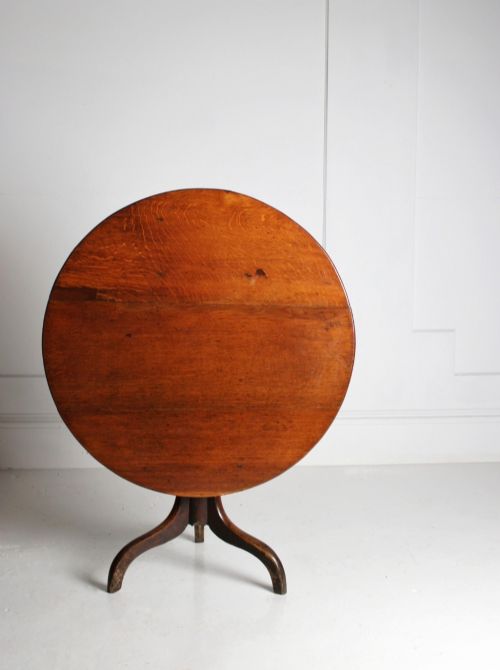
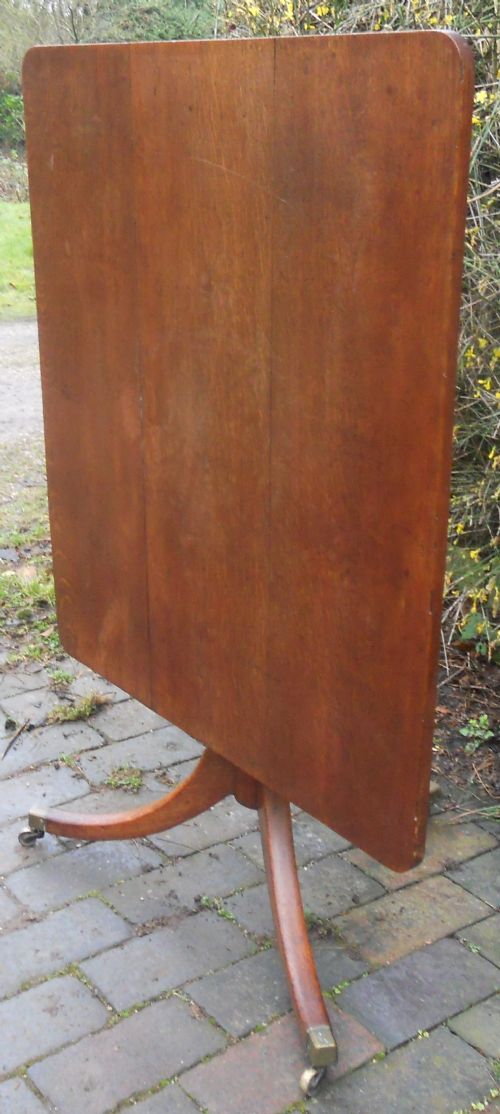
An antique oak supper table appears in several distinct forms across this selection, ranging from seventeenth-century gateleg drop-leaf pieces to eighteenth-century tilt-top tripod tables and Victorian country kitchen designs. Buyers hunting for these pieces frequently encounter robust drop-leaf surfaces designed to fold down against a wall when the evening meal concludes.
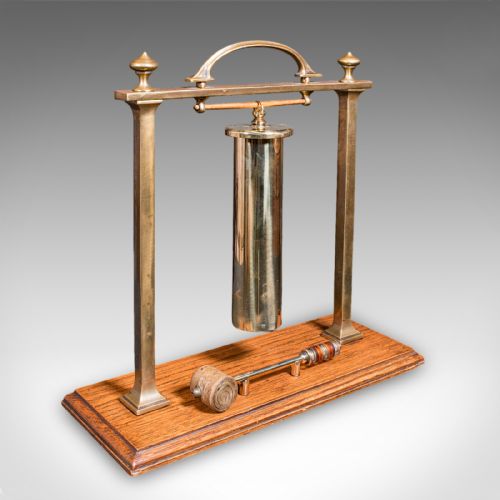
The evidence shows periods spanning from the seventeenth century through the Victorian and Edwardian eras, with styles encompassing Georgian elegance, rustic farmhouse utility, and Edwardian Arts and Crafts. Smaller occasional tripod versions and larger oval gateleg dining formats sit alongside related objects such as brass and oak tea gongs.
Origin details point towards English and Scottish workshops, bringing regional variations in turning and timber selection to the market. Choosing between a pedestal supper table and a gateleg folding table depends entirely on the floor space available and the seating capacity required for daily use.
Materials and construction
Solid oak provides the primary structural foundation across all recorded items, occasionally supplemented by fruitwood or brass fittings on hinges and tilt mechanisms. Carpenters relied on sturdy timber planks joined with pegged mortise and tenon joints to withstand the heavy daily demands of domestic dining.
Turning techniques created the robust legs seen on gateleg frames and tripod pedestals, utilising barley twist or simpler columnar profiles. Natural wax and oil finishes were traditionally applied to protect the timber grain while allowing the rich brown tones of the oak to deepen over generations.
The recorded listings feature solid oak constructed across Georgian, Victorian, and seventeenth-century periods, alongside brass and fruitwood accents.
Evaluating the standard
The finest examples display deep, uniform patination accumulated through centuries of polishing, whereas lesser pieces may show dry timber or aggressive modern sanding that strips away historical character. The integrity of the operational mechanisms, such as the gate swing on a drop-leaf or the catch on a tilt-top tripod, dictates the mechanical standard of the piece.
Proportion and timber selection separate utilitarian workshop output from exceptional country house commissions. Original brass hardware and untouched structural pegging further elevate the standing of a piece within this tradition.
Wylie and Lochhead Ltd
The Antique Oak Supper Table Glossary
- Gateleg table
- A table with hinged flaps on either side supported by legs that swing out like a gate to hold the leaves.
- Tilt-top table
- A table featuring a mechanism that allows the top to pivot vertically into a flat position for storage against a wall.
- Tripod table
- A small freestanding table supported by a central pillar resting on three individual feet.
- Drop-leaf
- A table top configuration comprising a fixed centre section and hinged flaps that lower when not in use.
- Barley twist
- A decorative turning style resembling a rope wound tightly around a cylinder.
Antique Oak Supper Table: Frequently Asked Questions
How did people use a supper table?
These tables served as the centrepiece for evening meals and social gatherings in historical homes, providing a sturdy surface for large dishes and communal dining.
Many designs folded down or tilted aside when the meal finished, clearing the room for other domestic activities.
How do I spot an 18th-century oak table?
Look for heavy solid oak timber construction featuring traditional hand-pegged joints and deep, authentic patination developed over centuries.
Hardware details like wrought iron or early brass hinges also help confirm the period of manufacture.
Will a gateleg table fit a modern dining room?
Gateleg tables offer exceptional versatility because the leaves fold down to a narrow profile when floor space is at a premium.
Swinging the legs outward quickly expands the surface to seat several guests for dinner.