


Interwar Oak Side Table
An interwar oak side table brings solid utility and understated British character to a room, offering sturdy surfaces shaped by the design shifts of the 1920s and 1930s.
Interwar Oak Side Table
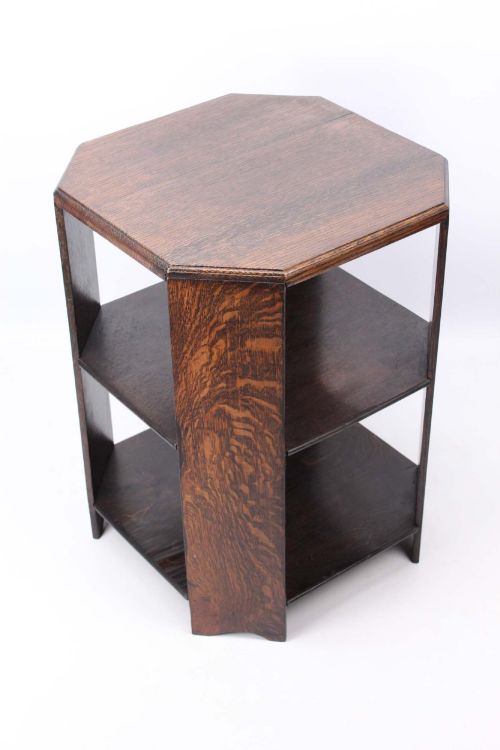
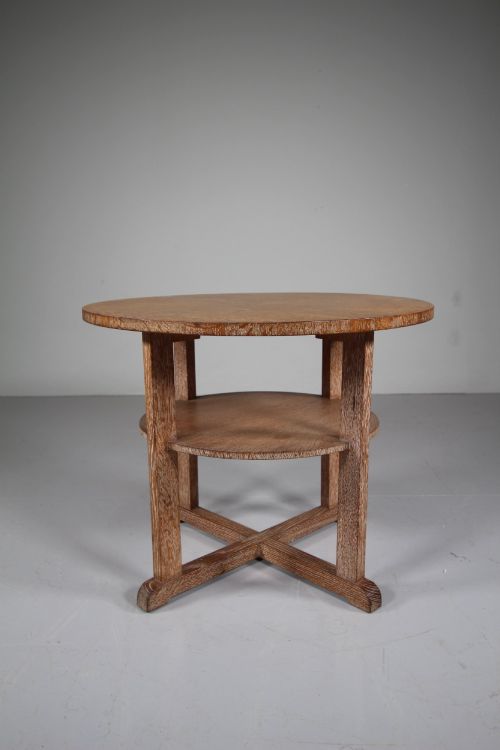
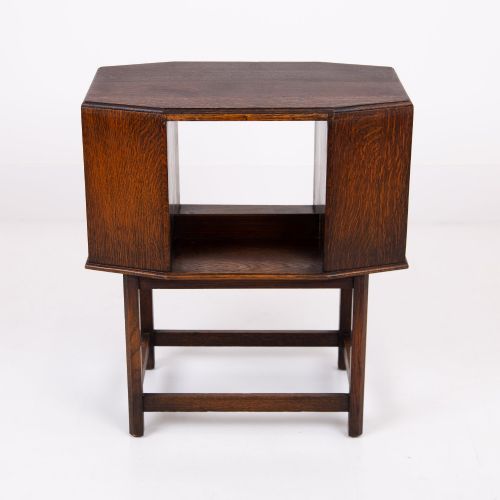
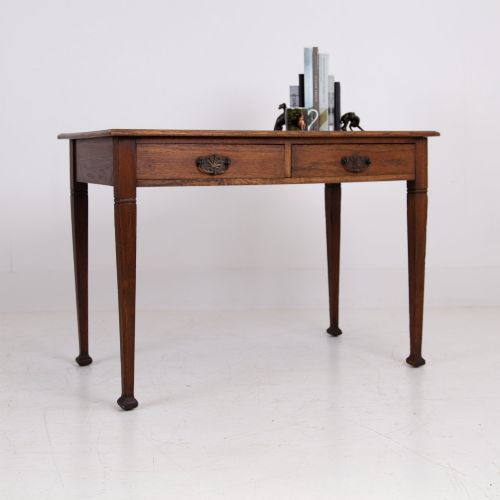
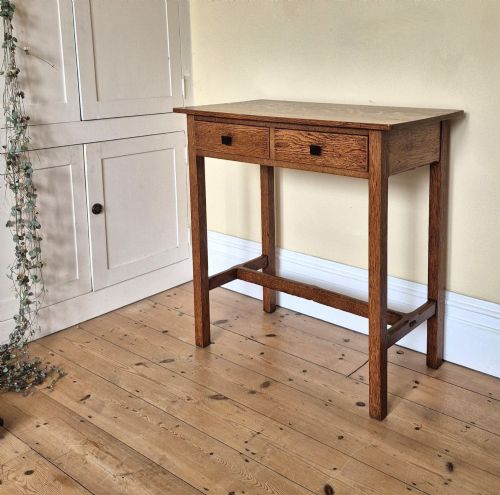
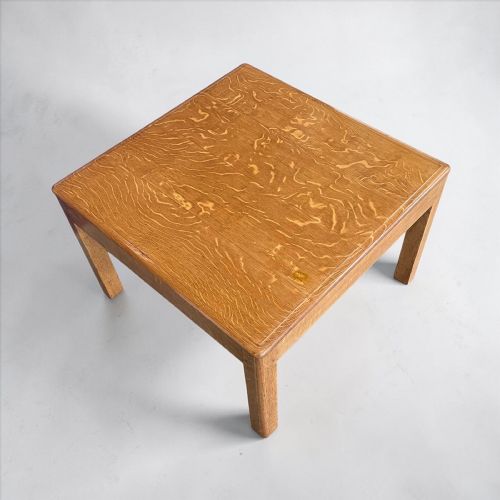
The interwar oak side table covers a practical domestic range spanning coffee tables, console tables, lamp tables, and book tables produced across the 1920s and 1930s. Buyers searching for an interwar oak side table encounter utilitarian forms shaped by both traditional vernacular furniture making and emerging modernist design sensibilities.
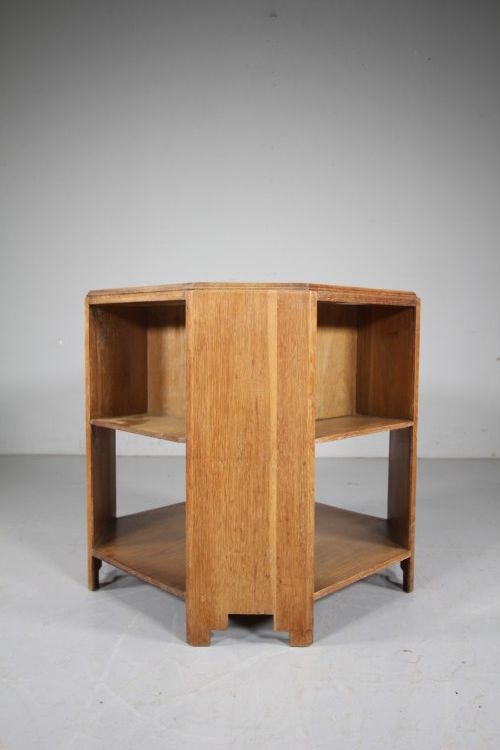
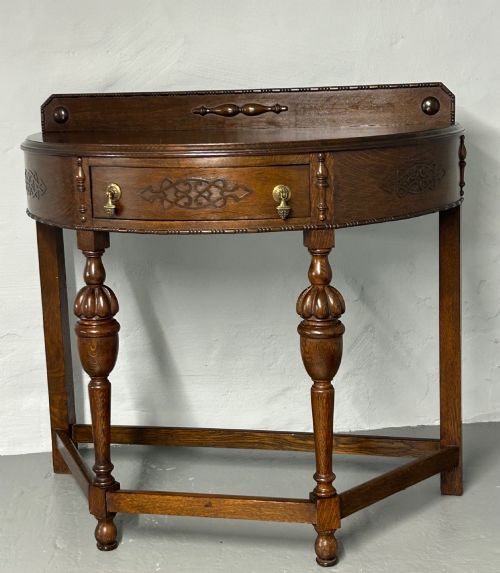
The selection here leans heavily towards pieces dated to 1920 and 1930, capturing domestic output from the aftermath of the First World War through to the interwar economic depression. Common variations include demi-lune shapes, six-sided occasional tables, and specific dual-purpose furniture such as combined magazine racks and reading tables.
Makers and retailers of the period, including Heal's and designers like Betty Joel and Hubert Simpson, represent the higher tiers of what is available. Alongside these attributed or marked examples, standard domestic side tables and bedside cabinets reflect the persistent demand for durable household timber furniture.
Materials and construction methods
Solid oak and limed oak form the primary structural material across these pieces, frequently paired with secondary hardwoods, brass hardware, and iron fittings. Timber selection dictated both the cost and the visual weight of the furniture, ranging from dark historic oak to pale limed finishes popular in the interwar decades.
Joinery techniques balance traditional cabinetmaking with early industrial production methods, supporting structural elements such as barley twist legs and carved panels. Surface treatments vary from natural polished grain to deliberate chemical liming that lightened the timber to suit contemporary interior decoration.
Interwar Oak Side Table Retail Price Guide 2026
Typical asking prices for interwar oak side table among the pieces listed under this phrase on Sellingantiques today, from the lower quarter to the upper quarter. They describe what is for sale here now, not the wider market.
One remarkably versatile entry combines a magazine rack with a folding reading table, proving interwar designers anticipated apartment clutter.
Markers of quality
Quality in an interwar oak side table rests on the integrity of the timber, the precision of the joinery, and the distinction of the design source. Pieces carrying attribution to known workshops or retailers demonstrate more ambitious proportions and refined detailing than anonymous utility items.
The treatment of the material itself separates standard production from finer work, visible in the handling of carved elements, the selection of quartersawn oak boards, and the application of specialist finishes like liming. Structural stability without excessive modern reinforcement indicates sound original construction.
Hubert Simpson of Kendal·Betty Joel·Heals
The Interwar Oak Side Table Glossary
- Limed oak
- A wood finishing technique using pickling paste or chemical treatments to create a pale, white-grained appearance on oak timber. This finish gained popularity during the interwar period for modern light-toned interiors.
- Demi-lune
- A half-moon shape used for console and side tables designed to sit flat against a wall. The configuration maximises floor space while providing a functional surface.
- Barley twist
- A turning technique producing a spiral rope effect along table legs and supports. It appears frequently on revivalist furniture from the 1920s and 1930s.
- Occasional table
- A small, movable table designed for specific, intermittent domestic tasks rather than permanent placement. These forms include lamp tables, coffee tables, and small book holders.
Interwar Oak Side Table: Frequently Asked Questions
How do I date an interwar oak side table?
Dating relies on stylistic clues, construction methods, and any maker marks or retailer stamps present on the timber. Pieces from this era typically show characteristics bridging traditional Arts and Crafts revival and early Art Deco modernism.
Hardware such as brass hinges or handles, alongside specific finishes like limed oak, help narrow the manufacture down to the 1920s or 1930s.
Are these tables suitable for everyday use?
Solid oak construction makes these side tables exceptionally sturdy and well-suited for daily domestic demands. Their original purpose was practical household utility, meaning they are built to bear weight.
Maintenance involves regular dusting and occasional waxing to protect the timber surface from moisture and wear.
Did Heal's make these side tables?
Heal's retailed and produced a significant quantity of modern oak furniture during the interwar period, including book tables and occasional pieces. Some items bear direct attribution to the firm or follow their characteristic clean-lined aesthetic.
Attributed pieces often command greater interest from collectors due to the company's influence on British interior design.