
Vintage Book Table
A vintage book table brings together surface space and dedicated shelving, offering a practical spot for volumes while grounding a room with period character.
Vintage Book Table
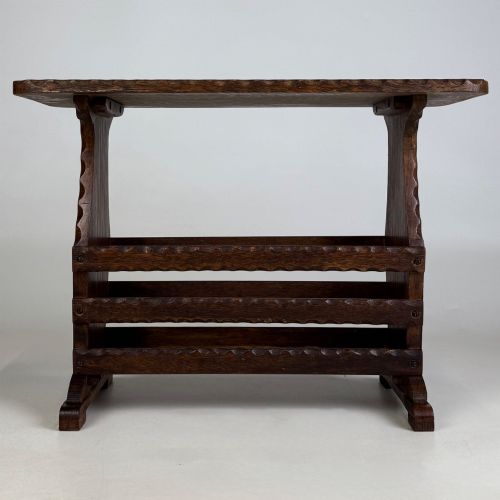
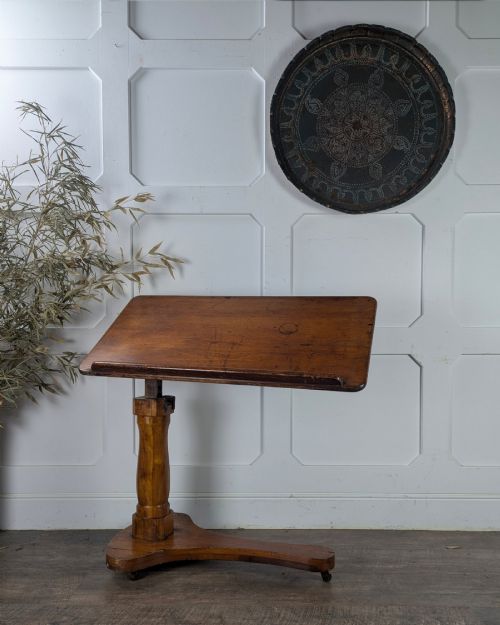
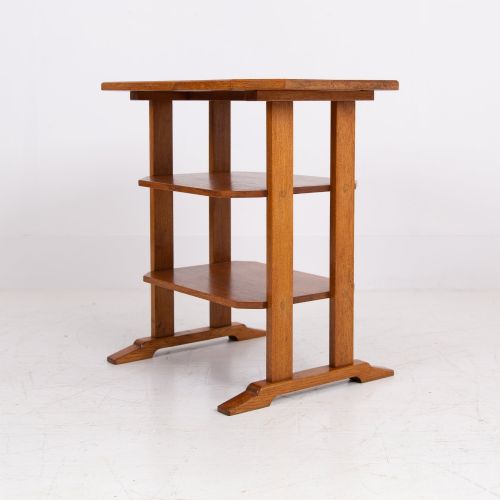
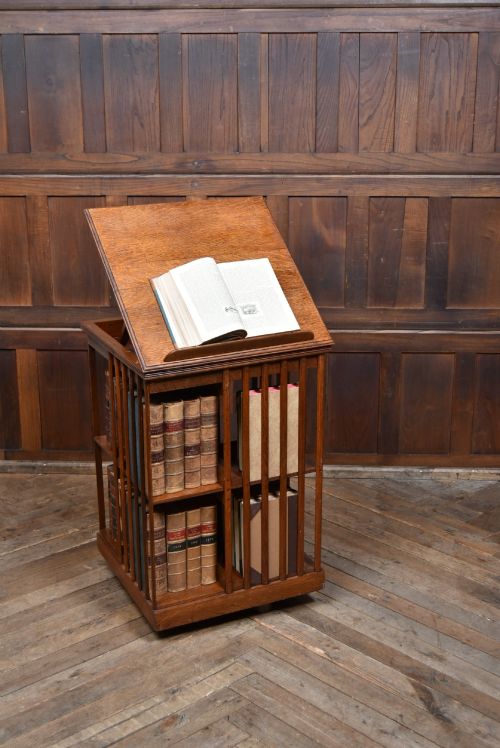
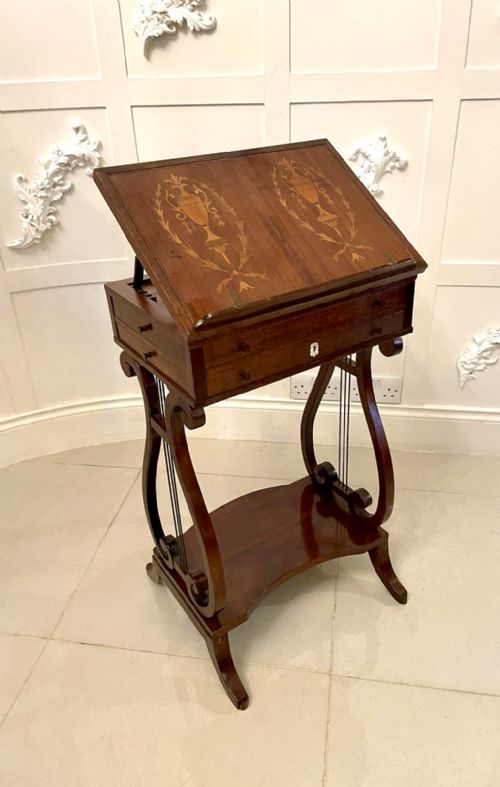
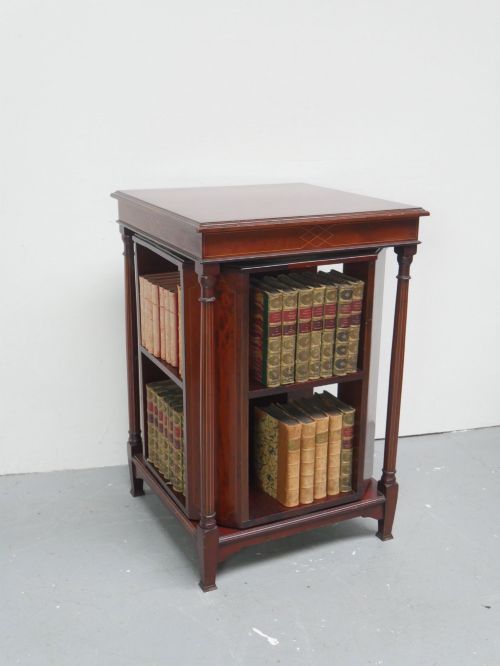
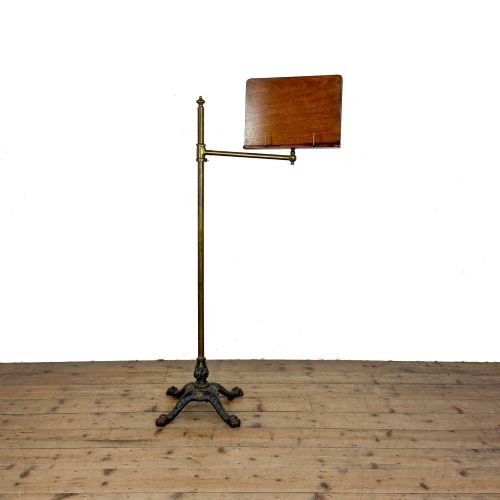
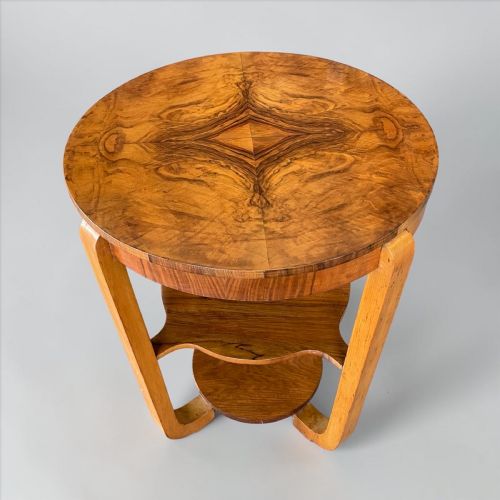
A vintage book table serves as a dual-purpose piece of furniture that combines a traditional table top with integrated storage compartments for reading material. These items frequently appear as revolving bookcases, side tables with lower shelves, or dedicated reading stands that sit comfortably beside a chair or sofa.
The selections available span periods from the Victorian era through the Edwardian years and into the 1930s. Mahogany and oak dominate the forms, reflecting the preference for sturdy timbers capable of supporting heavy bindings.
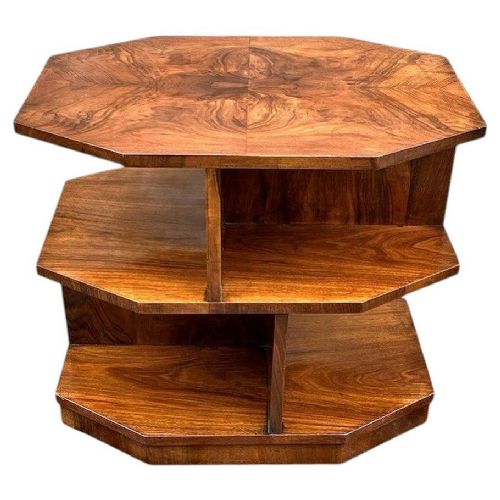
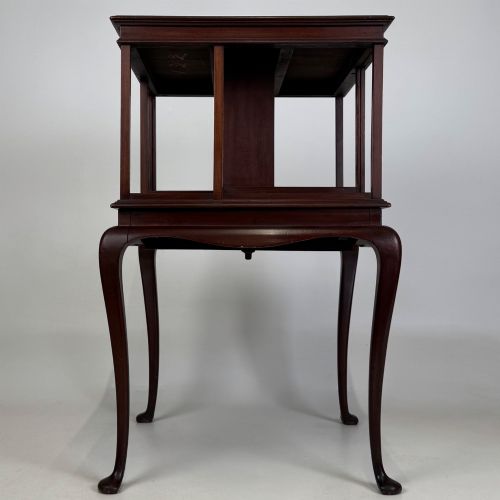
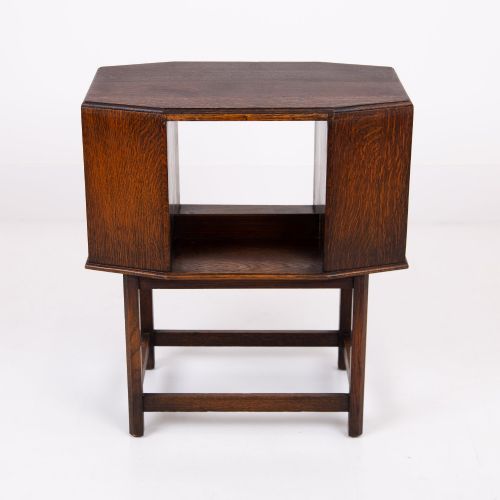
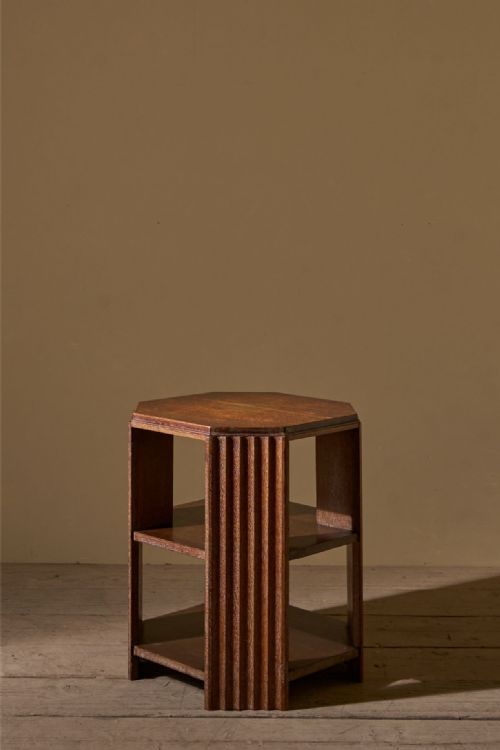
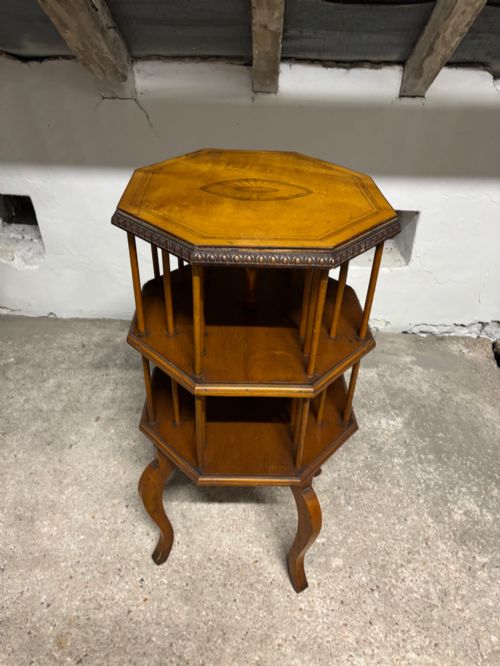
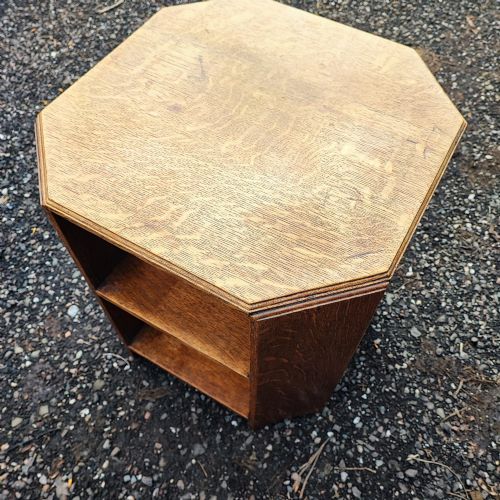
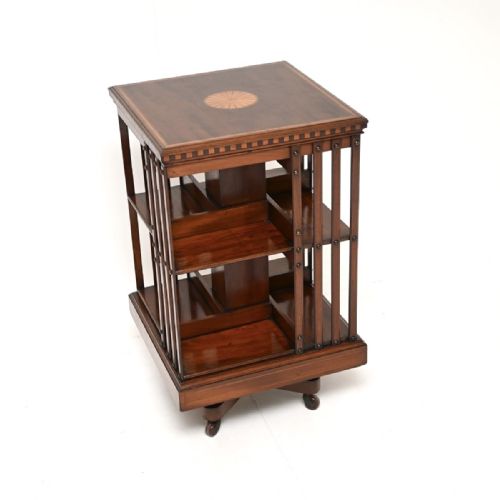
Buyers seeking a vintage book table will encounter designs ranging from straightforward Edwardian revolving models in inlaid mahogany to clean-lined Art Deco oak pieces from 1930. The variety encompasses occasional tables, reading stands, and multi-tiered side tables designed to keep literary collections close at hand.
How they were made
Cabinet makers relied predominantly on solid hardwoods and selected veneers, with mahogany and oak forming the structural backbone of most pieces. Walnut, satinwood, and pine also appear, providing contrasting tones and lighter grain patterns for specific decorative styles.
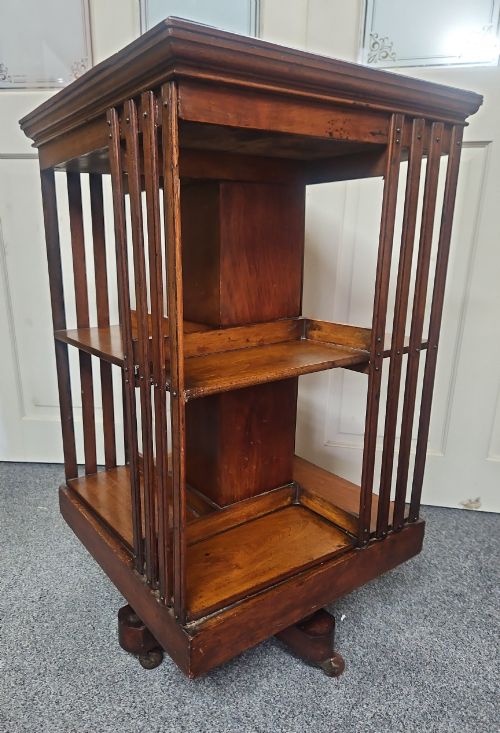
Inlay work and brass fittings serve as the primary decorative embellishments across Edwardian and Victorian examples. Revolving mechanisms incorporate internal wooden or metal pivots that allow the upper tiers to turn smoothly under the weight of books.
Primary materials recorded across the inventory include mahogany, oak, walnut, satinwood, pine, and brass.
What varies in quality
The standard of timber selection and the crispness of inlaid details dictate the upper tiers of craftsmanship. Finer examples display carefully matched flame mahogany or burr walnut veneers alongside precise wood-in-wood marquetry.
Structural stability in the revolving mechanism separates basic utility items from superior pieces. Smooth rotation, tight joinery, and well-fitted shelving indicate a higher grade of original workshop production.
The Vintage Book Table Glossary
- Revolving bookcase
- A freestanding tiered bookcase built upon a rotating pivot base designed to give access to volumes from all sides. This form is particularly common in Edwardian mahogany productions.
- Inlay
- A decorative technique where contrasting woods or other materials are set into the surface of a primary timber to form patterns. Edwardian pieces frequently utilise satinwood or lighter stringing for this effect.
- Arts and Crafts
- A design movement prioritising traditional handcraftsmanship, simple forms, and visible construction methods over mass-produced ornamentation. Oak is the favoured timber for pieces adhering to this style.
- Art Deco
- A modernist style from the 1920s and 1930s characterised by clean geometric lines, streamlined forms, and polished wood surfaces. Tables from this period often feature limed oak or ebonised finishes.
- Lectern
- A slanted reading stand designed to hold a book at an angle for easier viewing while standing or sitting. Early twentieth-century examples frequently employ pine or adjustable wooden frames.
Vintage Book Table: Frequently Asked Questions
How do I date a vintage book table?
Dating relies on identifying the prevailing styles, timber choices, and construction methods associated with specific decades. Victorian and 19th-century pieces often display heavier proportions and rich dark mahogany, whereas 1930s examples lean towards Art Deco limed oak or modernist lines.
Secondary indicators include the presence of Edwardian string inlay, Cotswold School joinery, or specific revolving mechanism designs found in early twentieth-century workshops.
Where should I place a reading stand?
A reading stand or adjustable lectern suits placement beside an armchair, in a study, or near a fireplace where reading material is frequently accessed. Smaller table-top versions sit easily on top of desks or sideboards.
Because many examples incorporate open shelves or sloping tops, placing them away from direct heat sources helps protect the solid timber and veneer finishes.
Are these tables sturdy enough for heavy books?
The majority of these tables are built from dense hardwoods like oak and mahogany, designed specifically to bear the weight of substantial volumes and bound sets. Heavier revolving bookcases and library carts utilise robust internal framing to support loads across multiple tiers.
Ensuring the central pivot or leg joints remain stable will keep the piece secure during daily use.