


Art Deco Book Table
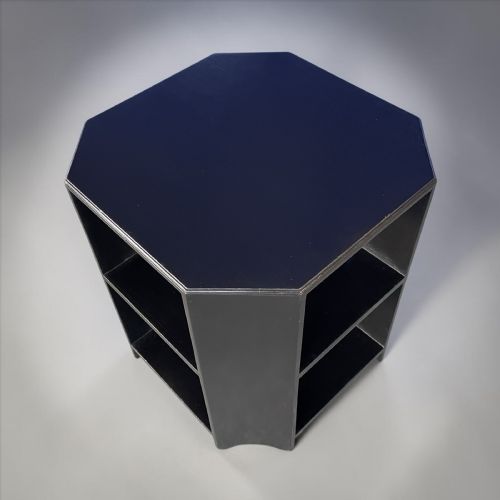
An art deco book table combines surface space with integrated storage, offering a practical form for modern sitting rooms.
Art Deco Book Table
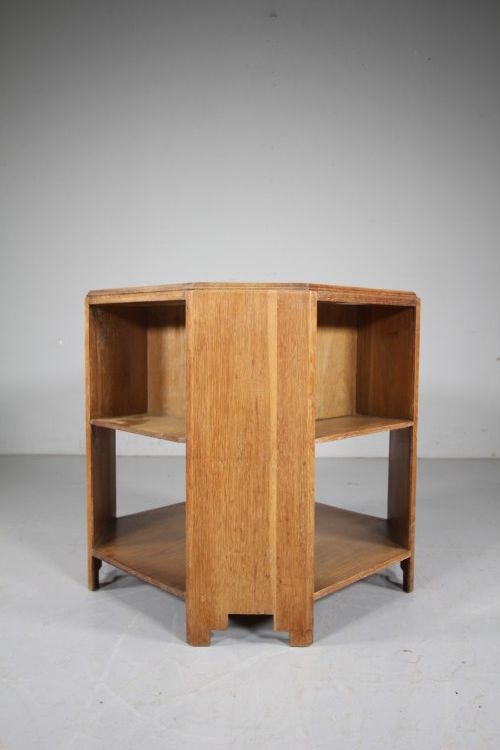
An art deco book table unites a compact display surface with built-in shelving for volumes and periodicals. These functional items emerged during the interwar decades to serve smaller domestic spaces.
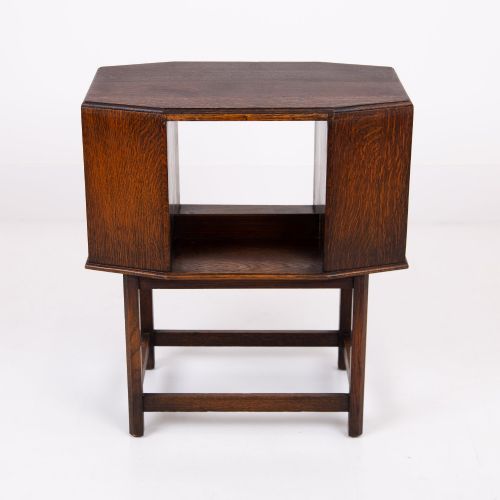
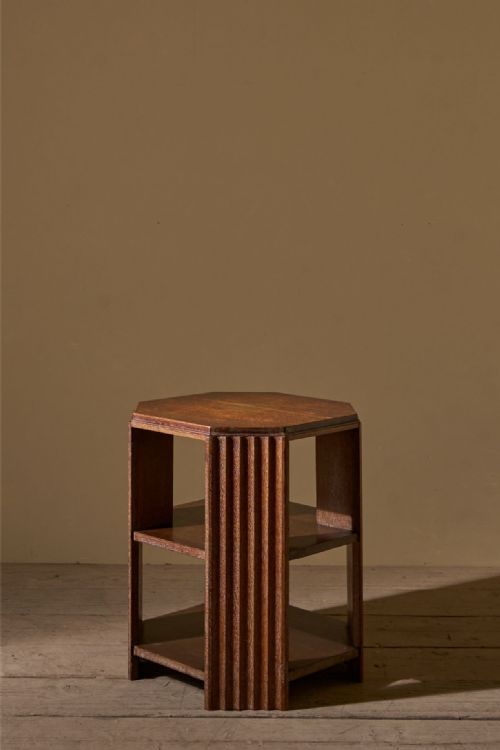
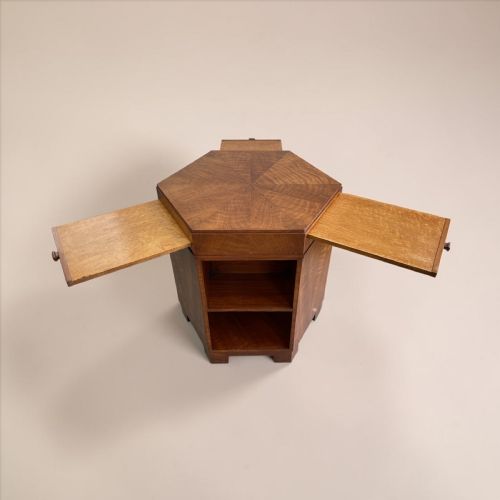
The most common examples on this page are walnut and oak designs dating from the nineteen twenties and nineteen thirties. They appear as octagonal, hexagonal, or tiered occasional tables with integrated book storage.
Makers and retailers of the period, including Heal's, Maples, and Harrods, produced these dual-purpose pieces for contemporary English homes. Forms range from revolving three-tier structures to low coffee table heights with side compartments.
How they were made
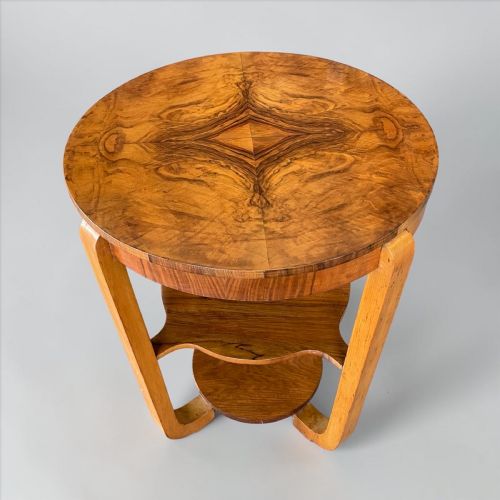
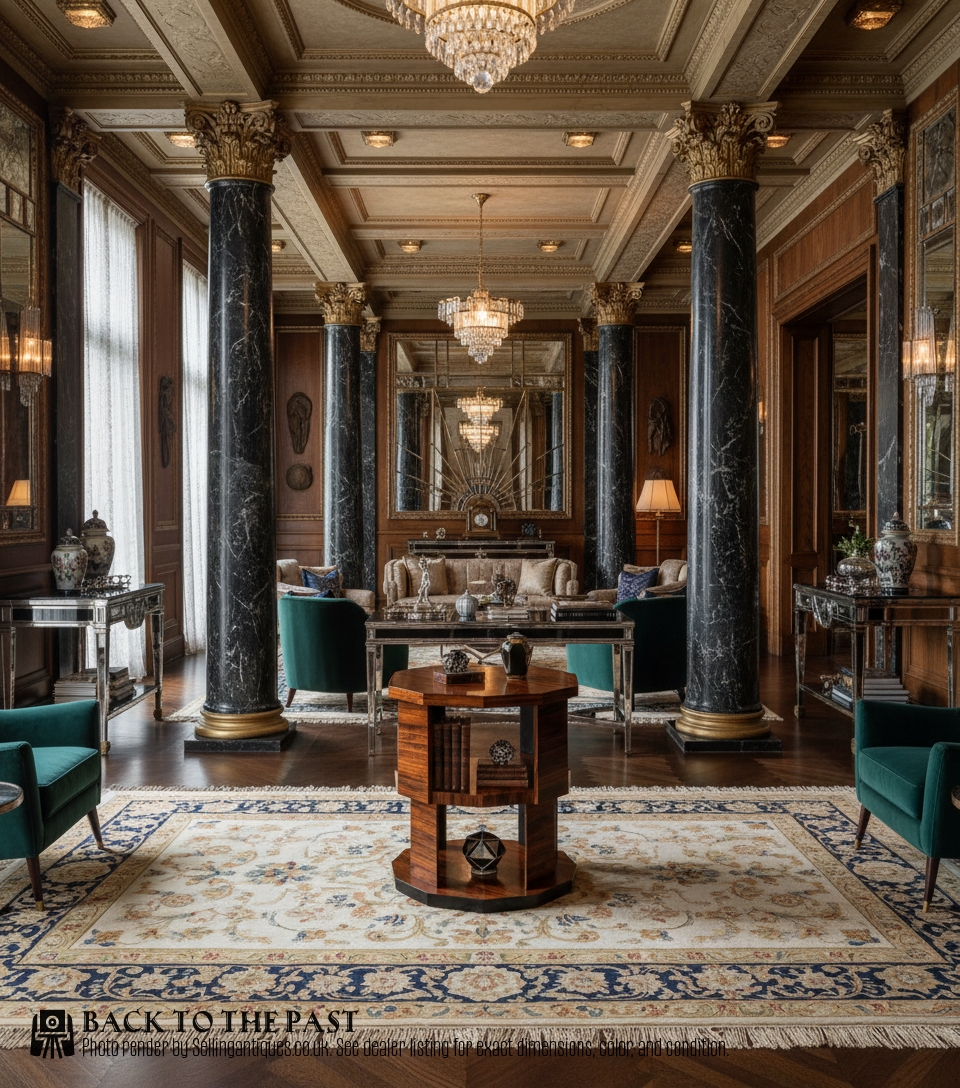
Carpenters utilised solid oak, mahogany, and ebonised wood alongside figured walnut and burr walnut veneers to construct these tables. Veneering allowed makers to display dramatic natural grain patterns across flat surfaces and curved tiers.
Techniques included steam-bending and geometric sectioning to create stepped skyscraper profiles and revolving columns. Chromium and glass occasionally supplemented the woodwork in reading stands and modernist occasional pieces.
Art Deco Book Table Retail Price Guide 2026
Typical asking prices for art deco book table among the pieces listed under this phrase on Sellingantiques today, from the lower quarter to the upper quarter. They describe what is for sale here now, not the wider market.
Some reading tables included clever over-bed mechanisms so readers could enjoy literature without leaving the comfort of their sheets.
What varies in quality
The choice of timber veneer dictates the visual impact of an art deco book table. Highly figured burr walnut and book-matched walnut displays demand greater skill from the cabinetmaker than plain oak or standard timber boards.
Structural complexity also defines the tier, from simple single-shelf side tables to revolving three-tier designs and sectional constructions. Integration of hardware, such as brass casters and chrome fittings, separates standard retail stock from deluxe retailer output.
Heals·Harrods Of London·Maples Of London·Hille·Fyne Ladye
The Art Deco Book Table Glossary
- Burr walnut
- A specialised timber veneer harvested from the wart-like growths on walnut trees, prized for its swirling, highly decorative grain patterns. It forms the primary visual surface on many deluxe nineteen thirties examples.
- Limed oak
- A finishing technique applied to oak timber where a white or pale pigment is rubbed into the open grain. This treatment lightened the wood to suit bright interwar interiors.
- Skyscraper
- An architectural form translated into furniture, characterised by stepped vertical tiers and ascending lines. This profile echoes the rising city skylines of the period.
- Veneer
- A thin layer of superior wood adhered to a secondary timber core to provide a decorative exterior. It prevented warping while displaying expensive grain figures affordably.
Art Deco Book Table: Frequently Asked Questions
Where should I place an art deco book table?
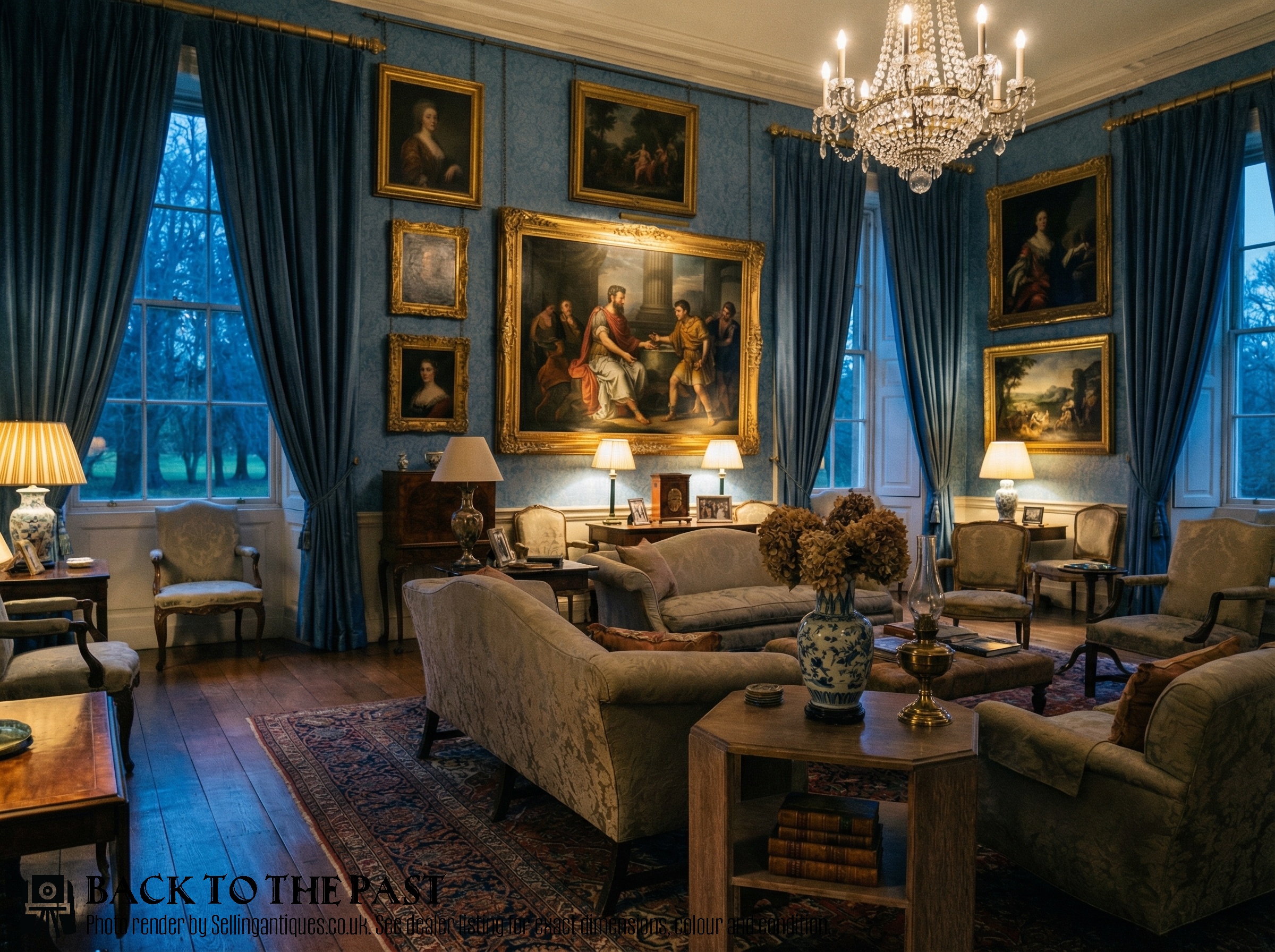
Position these versatile tables beside armchairs or sofas where surface space and immediate reading storage are both useful.
Revolving versions work particularly well in open room layouts or libraries where books need to remain accessible from multiple angles.
How do I care for walnut veneer surfaces?
Protect the wood from direct sunlight and excessive heat fluctuations to prevent the veneer from drying or cracking.
Dust regularly with a soft dry cloth and apply a quality beeswax sparingly to nourish the grain.
Did these tables function as coffee tables?
Many examples sit at a lower height specifically to serve coffee and tea alongside book storage.
Makers frequently designed multi-purpose forms that doubled as low occasional surfaces and reading stands.
How do I distinguish nineteen twenties from nineteen thirties pieces?
Nineteen twenties items often retain heavier traditional proportions and simpler oak constructions.
By the nineteen thirties, designs embraced bolder geometric forms, streamlined chrome accents, and elaborate burr walnut veneers.