

Vintage Octagonal Side Table
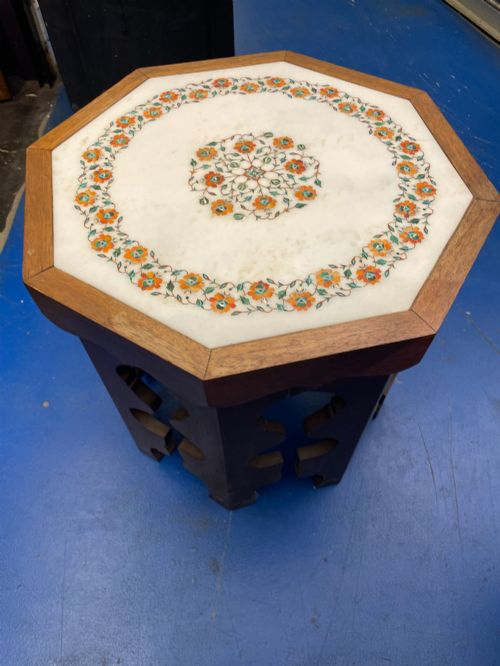
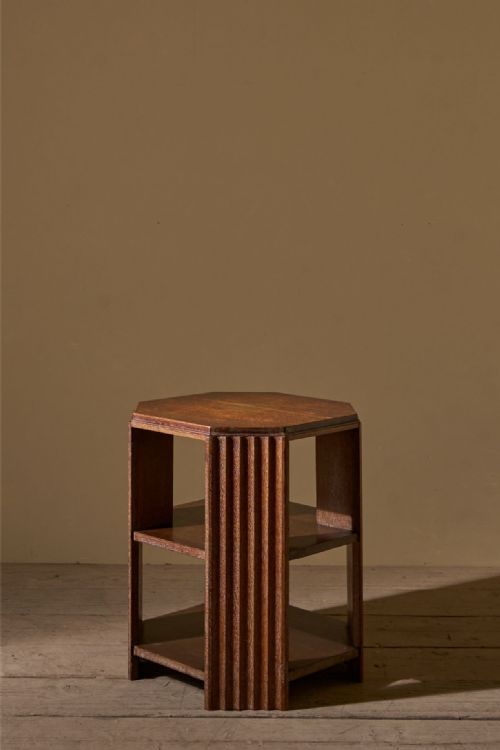
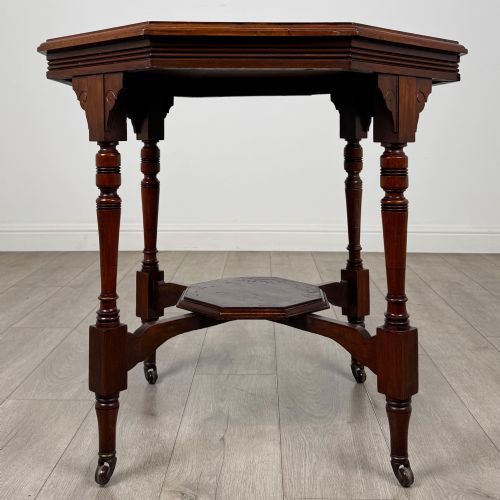
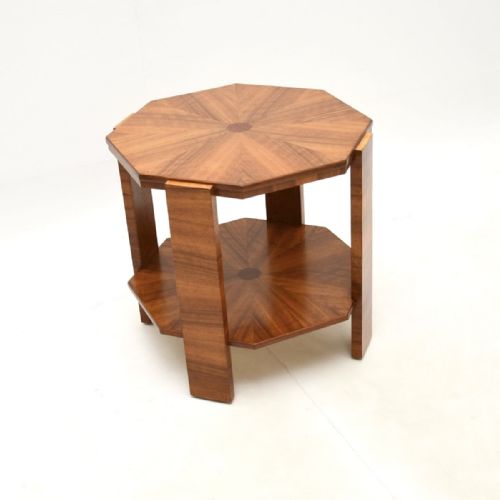
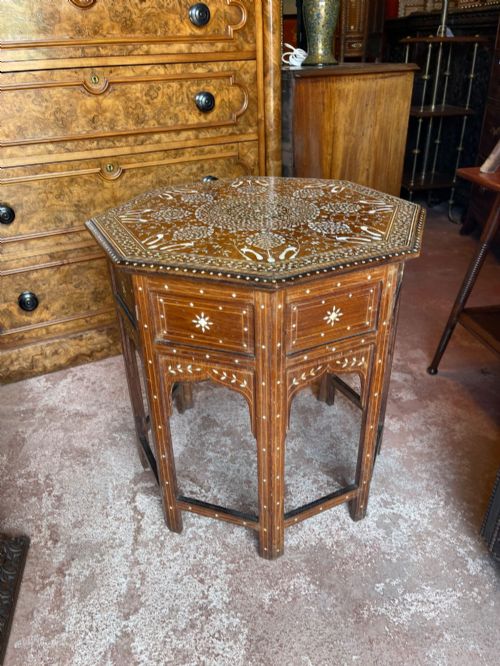
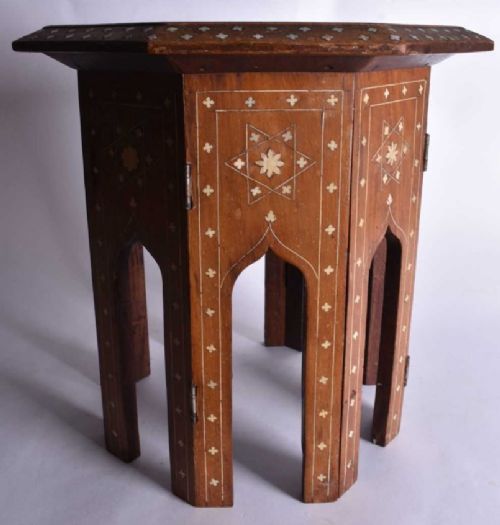
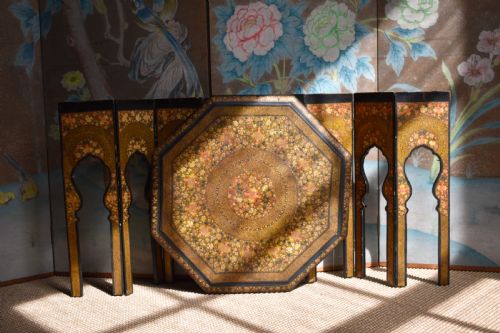
A vintage octagonal side table brings eight-sided geometry and versatile surface space to a room, offering distinct period character.

What a vintage octagonal side table is
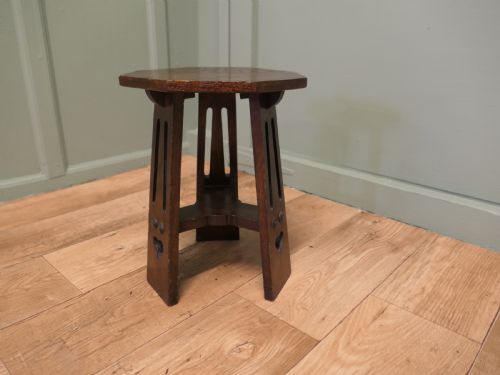
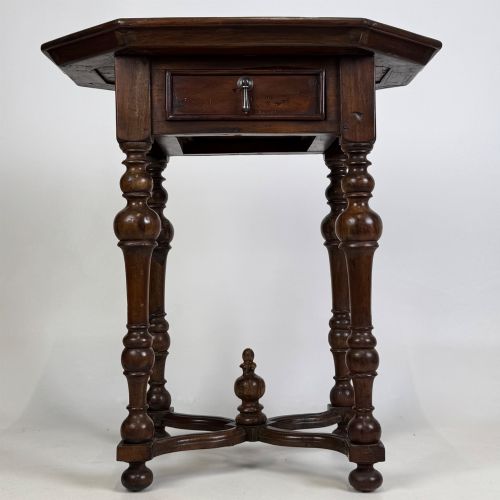
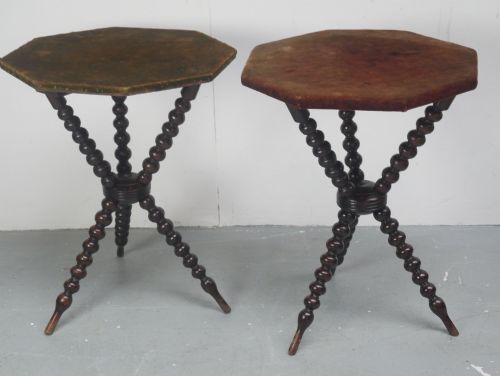
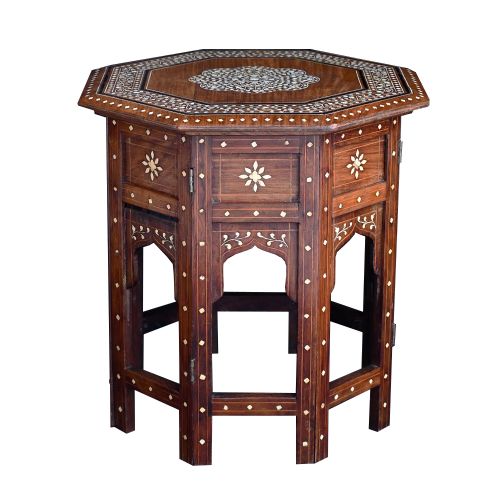
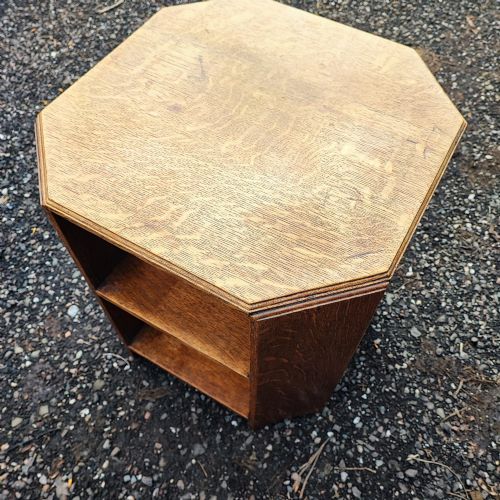
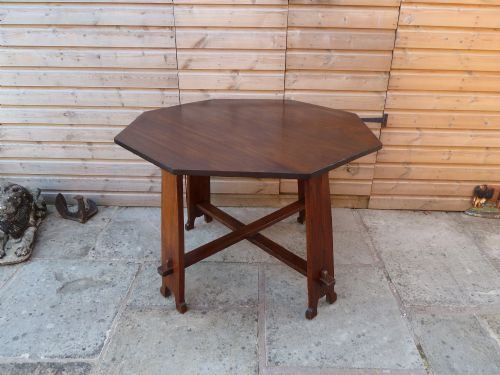
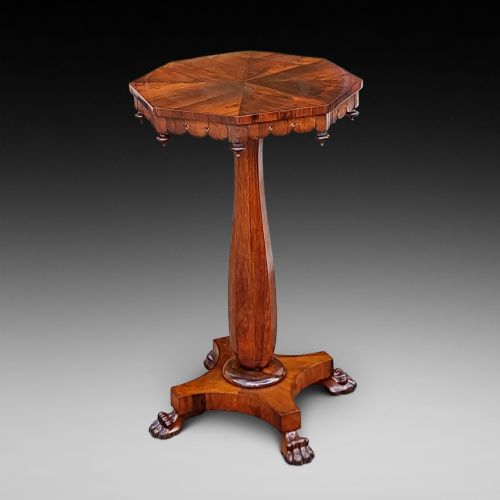
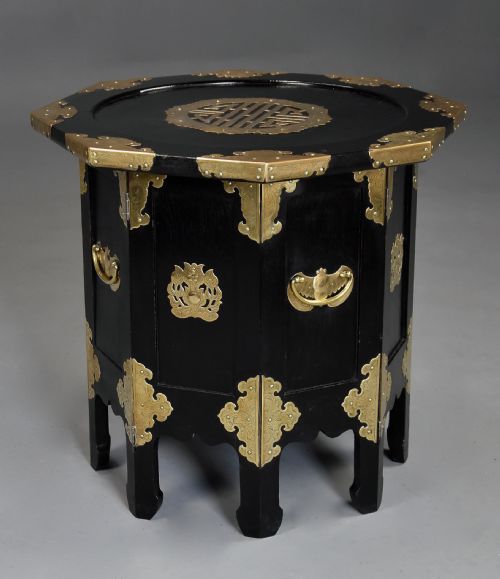
A vintage octagonal side table presents an eight-sided top supported by a central pillar or legs, serving as an occasional, coffee, or centre table. These pieces emerge from periods spanning the nineteenth century through the Art Deco era of nineteen-thirty, reflecting shifting domestic fashions.
The most common formats on this page range from compact Edwardian mahogany centre tables to larger Art Deco walnut occasional pieces and low coffee tables. Walnut veneer and burr walnut dominate the selection, bringing rich grain patterns to smaller furniture forms.
How they were made
Carpenters constructed these tables using solid timbers such as mahogany and oak alongside decorative sheets of walnut veneer, burr walnut, and satinwood. Glass surfaces also appear within specific geometric designs.
Cabinetmakers shaped the eight-sided tops with precise joinery, often applying intricate wood veneers to create symmetrical grain patterns across the surface. Turning and carving techniques define the supporting structures, from Edwardian pedestals to Art Deco bases.
Retail Price Guide 2026
Typical UK retail prices for vintage octagonal side table, calculated from the Sellingantiques database of over a million retail prices indexed since 2003. This retail price guide relies exclusively on Sellingantiques data; no external sources or auction records are used, so the figures do not describe the wider market.
Even the tear drop tables insisted on having eight sides somewhere in their lineage.
What varies in quality
Quality rests upon the selection and matching of timber veneers, where burr walnut and satinwood display superior grain depth compared to plain timber surfaces. The complexity of the octagonal geometry and the precision of the edge banding distinguish finer pieces.
Structural integrity of the central column or leg joints separates robust examples from those showing wear at the stress points. The integration of glass elements and the crispness of period detailing mark the distinction between standard production and higher craftsmanship.
The Vintage Octagonal Side Table Glossary
- Burr walnut
- A figured wood grain obtained from the wart-like growths on walnut trees, prized for its swirling patterns. Cabinetmakers slice this wood into thin veneers for tabletops.
- Veneer
- A thin layer of superior wood glued to a base timber to provide a decorative surface. This technique allows makers to utilise striking grain figures efficiently.
- Occasional table
- A small, movable table designed for a specific, intermittent use within a room. These versatile pieces function beside seating or in corners.
- Centre table
- A freestanding table designed to be viewed from all sides, traditionally placed in the middle of a room. Edwardian examples often feature eight-sided tops for this purpose.
Frequently Asked Questions
Where do I place an octagonal table?
An eight-sided table fits well beside a sofa or in the corner of a room, where its angled edges soften straight lines.
Because the surface geometry differs from rectangular tables, it creates an effective display area without dominating the floor space.
How do I date an octagonal table?
Dating relies on stylistic clues like the geometric veneers of Art Deco pieces from nineteen-thirty or the Edwardian mahogany frames from nineteen-hundred.
Nineteenth-century examples often display distinct timber choices and construction methods that set them apart from later twentieth-century production.
Are these tables used for coffee?
Certain pieces function specifically as low coffee tables, while others serve as taller occasional or centre tables.
Reviewing the height and proportions helps determine whether a particular piece suits lounge seating or general display.
What woods appear on these tables?
Walnut, burr walnut, mahogany, oak, and satinwood appear frequently across the listings.
Many pieces utilise timber veneers to create decorative top patterns supported by solid wood frames.