



Heals Style Oak Furniture
Heals style oak furniture brings honest twentieth-century craftsmanship and clean utility directly into your rooms.
Heals Style Oak Furniture
When you search for heals style oak furniture, you encounter sturdy domestic pieces produced across the nineteen-twenties and nineteen-thirties. These items embody a restrained aesthetic that prioritises practical form over heavy ornamentation.
You are most likely to meet dining tables, side tables, chests of drawers, and bookcases originating from these two decades. Many examples demonstrate the lighter finishes and straightforward silhouettes characteristic of the period.
The selection ranges from labelled wardrobes to simpler book tables and dressing chests. Each object reflects the utilitarian philosophy associated with modernist and arts and crafts workshops of London.
Materials and construction
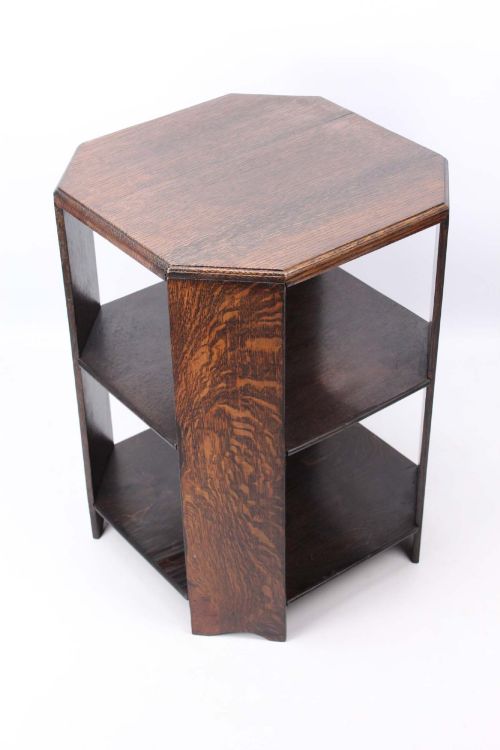
Makers utilised solid timber, quarter-sawn oak, and wood veneer to build these durable items. Quarter-sawn boards reveal distinctive medullary rays across the surface, adding subtle visual texture to the wood.
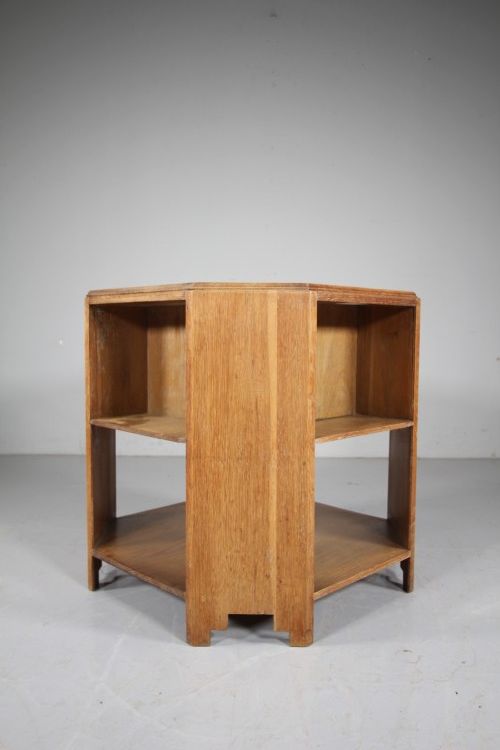
Limed oak treatments appear frequently, providing a pale, pickled finish that highlights the natural grain. Metal fixtures and plywood components also support the structural integrity of these mid-century and art deco designs.
Heals Style Oak Furniture Retail Price Guide 2026
Typical asking prices for heals style oak furniture among the pieces listed under this phrase on Sellingantiques today, from the lower quarter to the upper quarter. They describe what is for sale here now, not the wider market.
The available furniture encompasses diverse domestic forms including octagonal side tables, display boxes, trestle tables, and tall chests of drawers.
Assessing the workmanship
Superior examples display precise joinery and thoughtful grain selection across prominent surfaces. The crispness of the limed finish and the integrity of the original labels often distinguish the finest items from standard commercial output.
Proportion and restraint separate better pieces from heavier alternatives. The placement of hardware and the balance of secondary timbers indicate the level of care invested during production.
The Heals Style Oak Furniture Glossary
- Quarter-sawn oak
- Timber cut radially from the growth rings to produce a durable board with a distinct tiger-stripe flake pattern. This cut resists warping and was favoured for prominent furniture faces.
- Limed oak
- A finishing technique involving a white pigment rubbed into open wood pores to create a pale surface. It gained popularity during the interwar years for modern interiors.
- Art Deco
- A design style from the nineteen-twenties and nineteen-thirties characterised by sleek geometric lines and streamlined forms. It influenced many cabinets and tables of this era.
- Arts and Crafts
- A movement celebrating traditional craftsmanship and simple utility over mass-produced ornamentation. Its principles guided much of the cabinet-making seen in these listings.
- Venerable
- A term describing older timbers or finishes that have acquired a natural patina through age. It denotes authenticity rather than a specific manufacturing method.
Heals Style Oak Furniture: Frequently Asked Questions
What defines heals style oak furniture?
These pieces originate from the nineteen-twenties and nineteen-thirties, reflecting a clean, utilitarian aesthetic. They combine straightforward joinery with modern proportions.
Makers frequently utilised solid oak and limed finishes to keep rooms feeling bright and uncluttered.
How do I care for limed oak?
Dust surfaces regularly with a soft, dry cloth to prevent dirt from settling in the grain. Avoid harsh chemical cleaners that can strip the pale pigment.
Keep wooden items away from direct heat sources and strong sunlight to protect the original finish.
Are these pieces from the nineteen-twenties or thirties?
The inventory spans both decades, showing a transition from arts and crafts influences to art deco styling. Labels and construction details often help pinpoint the exact era of manufacture.
Exact dates rely on maker documentation or stylistic markers inherent to each piece.
How can I identify original labels?
Manufacturers often placed paper tags or stamps inside drawers and on the backs of wardrobes. These marks verify the origin and workshop of the item.
Absence of a label does not preclude attribution, as many pieces rely on distinct construction traits instead.