
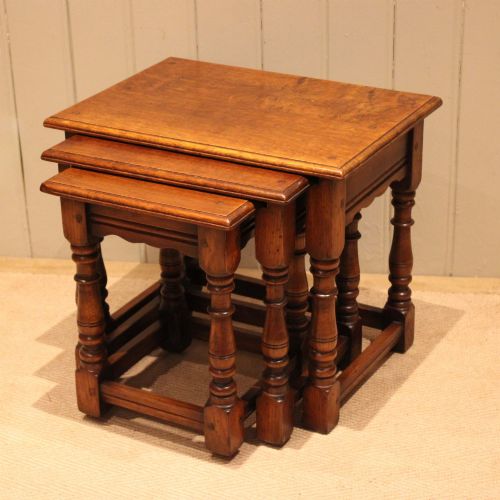
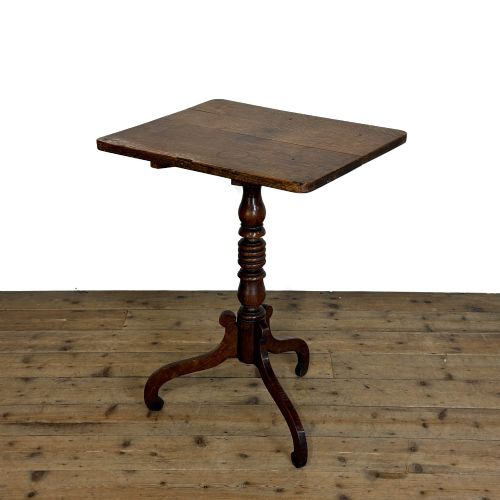
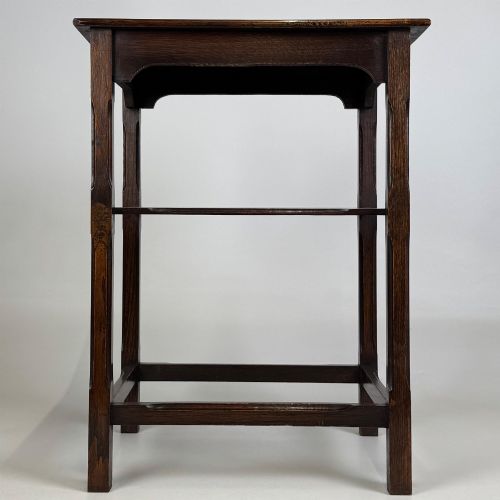
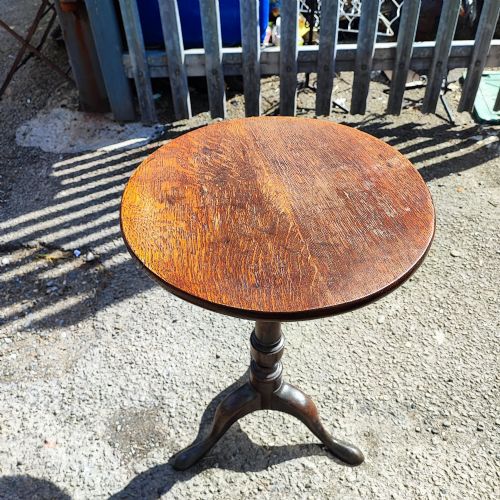
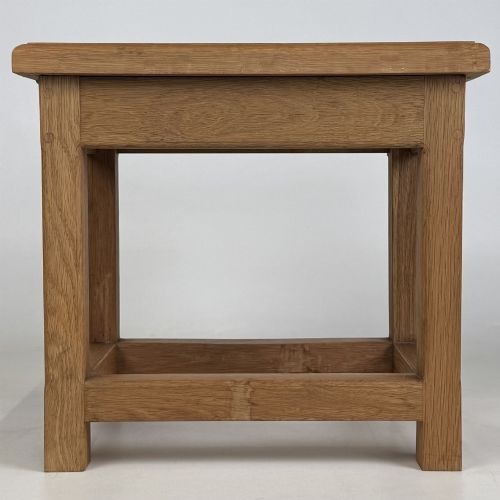
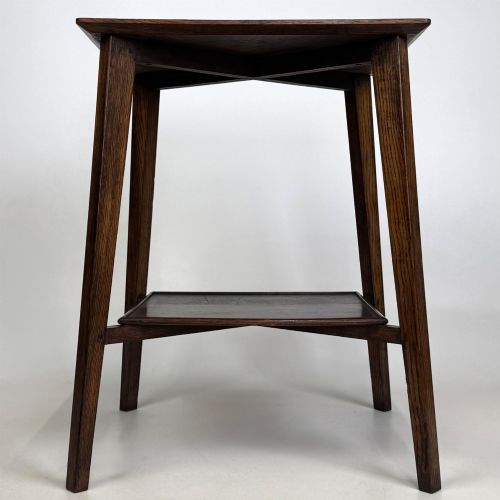
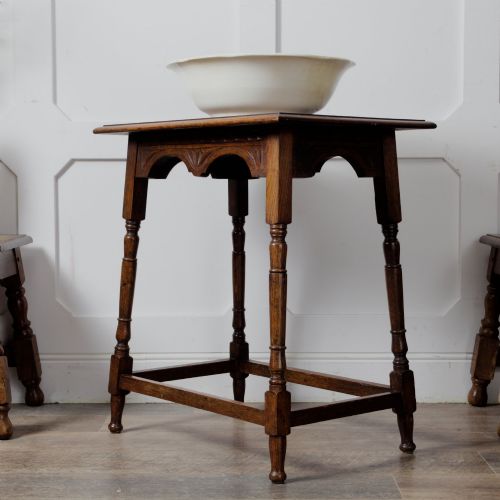
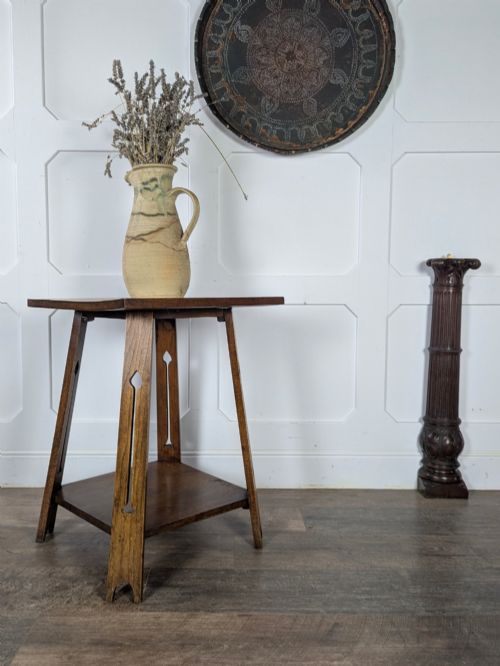
Solid Oak Occasional Table
A solid oak occasional table brings robust timber and dependable utility to any sitting room, offering timeless form for daily use.
What these tables are
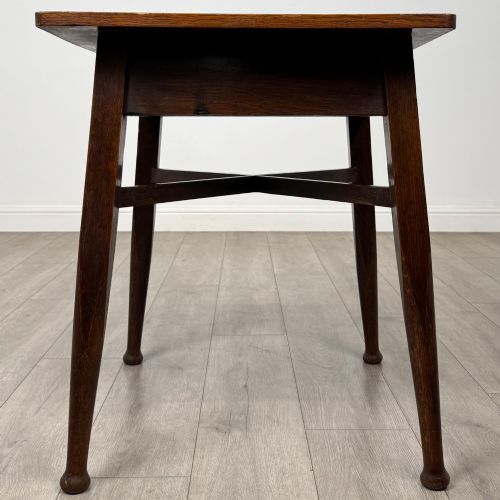
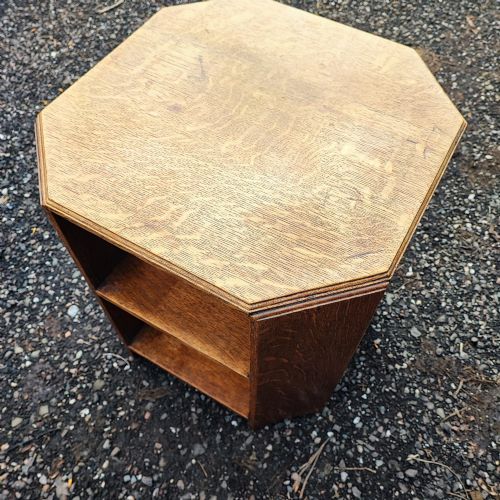
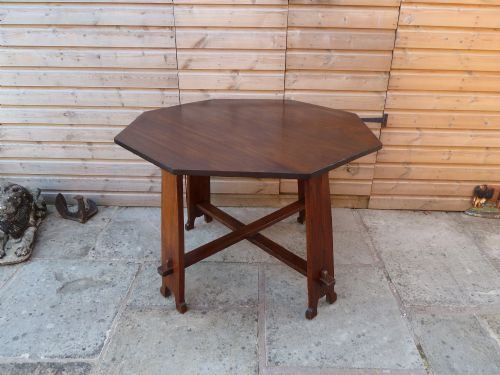
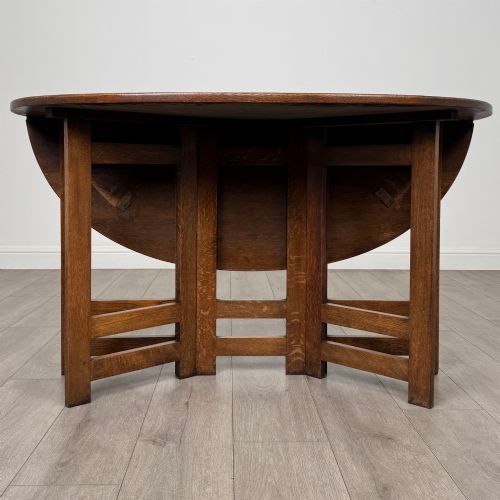
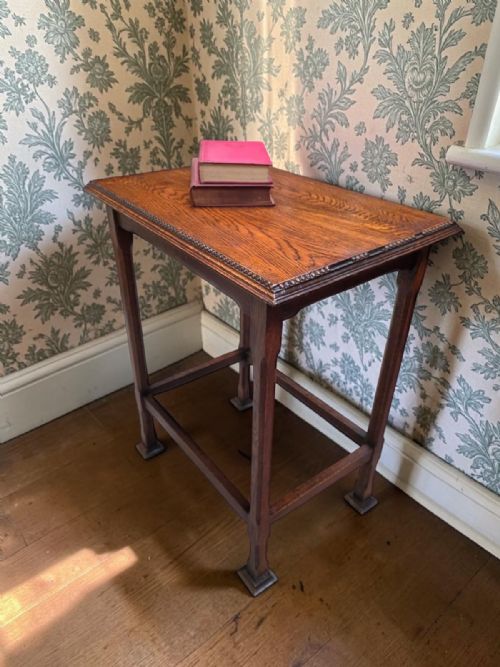
A solid oak occasional table spans periods from the nineteenth century through the interwar decades, taking forms such as side tables, coffee tables, and drop-leaf gateleg designs. These practical pieces serve diverse domestic functions, from holding lamps to supporting books.
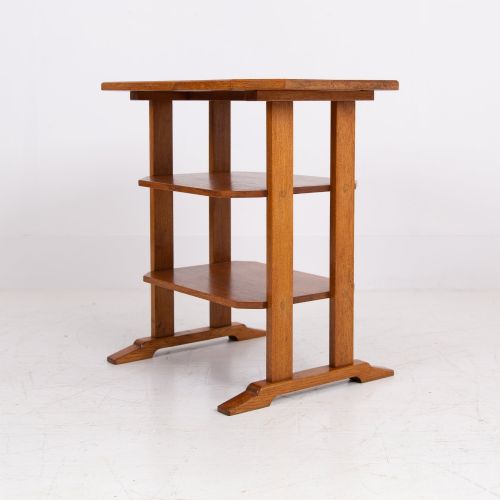
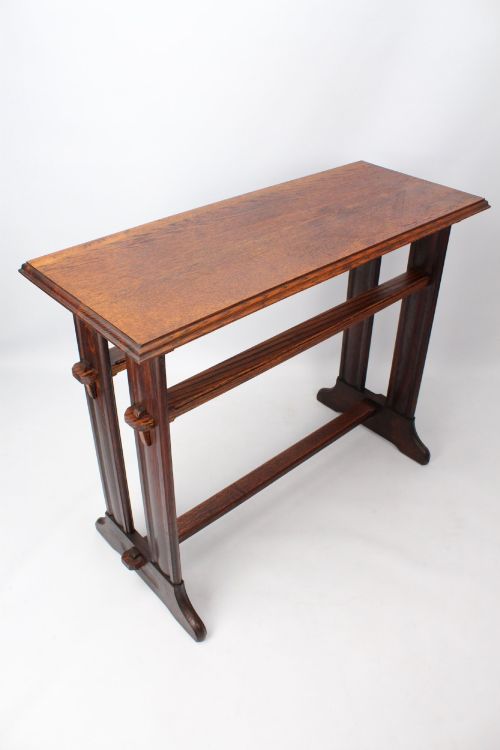
Makers from the 1930s and earlier periods produced these versatile items in various shapes, including round, octagonal, oblong, and rectangular formats. Nesting tables and bookcase tables also appear among the recorded inventory.
How they were made
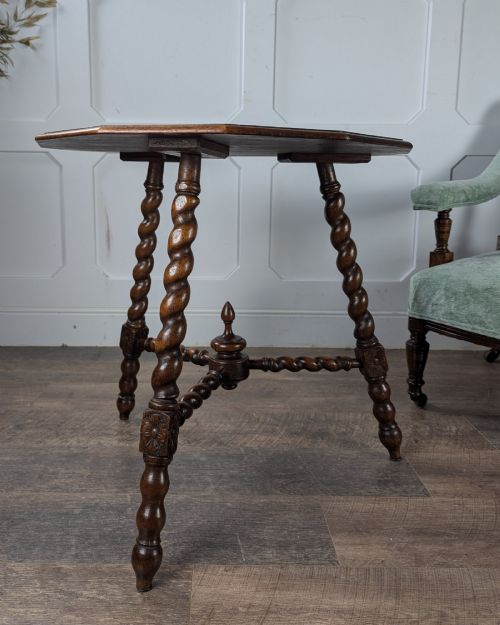
Construction relies upon solid oak, utilising traditional joinery methods suited to hard timber. Carved details and turned tripod supports appear on specific Arts and Crafts and revival pieces.
Drop-leaf mechanisms and automatic actions permit folding configurations on gateleg and Sutherland variants. Timber finishes range from light to medium oak tones.
Retail Price Guide 2026
Typical UK retail prices for solid oak occasional table, calculated from the Sellingantiques database of over a million retail prices indexed since 2003. This retail price guide relies exclusively on Sellingantiques data; no external sources or auction records are used, so the figures do not describe the wider market.
Recorded periods span from the nineteenth century through the 1930s, utilising solid oak across diverse side and coffee table forms.
What varies in quality
The standard of timber selection and the precision of the joinery dictate the standing of each piece. Heavy carving and sophisticated structural forms, such as stacking nests or functional drop-leaf mechanisms, distinguish finer examples from simpler utilitarian items.
Proportion and stylistic integrity separate routine workshop production from pieces bearing identifiable maker attribution or distinct Arts and Crafts character.
Heals
The Solid Oak Occasional Table Glossary
- Gateleg table
- A drop-leaf table with hinged legs that swing out to support the opened flaps. This clever folding mechanism saves domestic space when the leaves are dropped.
- Sutherland table
- A narrow drop-leaf table with exceptionally slim flaps supported by swinging gatelegs. It folds into a compact footprint.
- Jacobean Revival
- A nineteenth or early twentieth-century style imitating seventeenth-century English furniture. It incorporates dark oak, turned baluster legs, and geometric panel carving.
- Tripod table
- A small round table supported by three pillar legs. This stable three-legged format prevents wobbling on uneven floors.
Frequently Asked Questions
What is an occasional table?
An occasional table is a small, movable piece of furniture designed for specific, intermittent uses around a room, such as holding a lamp or a book.
These versatile tables easily relocate to suit daily needs in sitting spaces.
How do I date an oak table?
Dating relies upon examining construction methods, timber characteristics, and stylistic traits associated with specific periods like the Arts and Crafts movement or the 1930s.
Hardware, joint types, and historical design cues provide reliable chronological markers.
Are these tables solid oak?
The pieces recorded consist of solid oak timber throughout their construction, avoiding veneered substitutes on core woods.
This robust material ensures lasting durability across decades of domestic service.
How do I care for solid oak?
Maintenance involves dusting with a dry cloth and avoiding excessive moisture or direct heat sources that can dry out the timber.
Occasional applications of appropriate wax preserve the natural finish of the oak.