


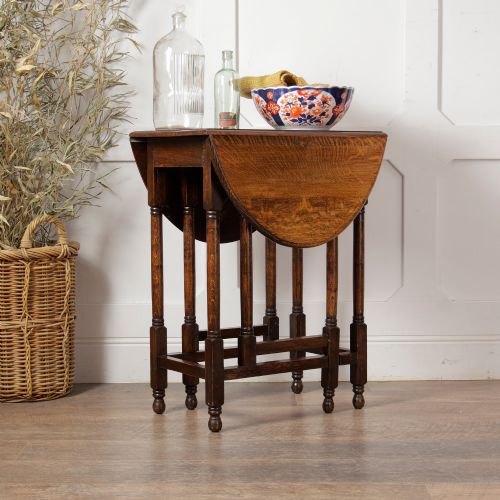


Jacobean Style Coffee Table
These jacobean style coffee table pieces bring heavy timber and sturdy proportion into a modern sitting room.
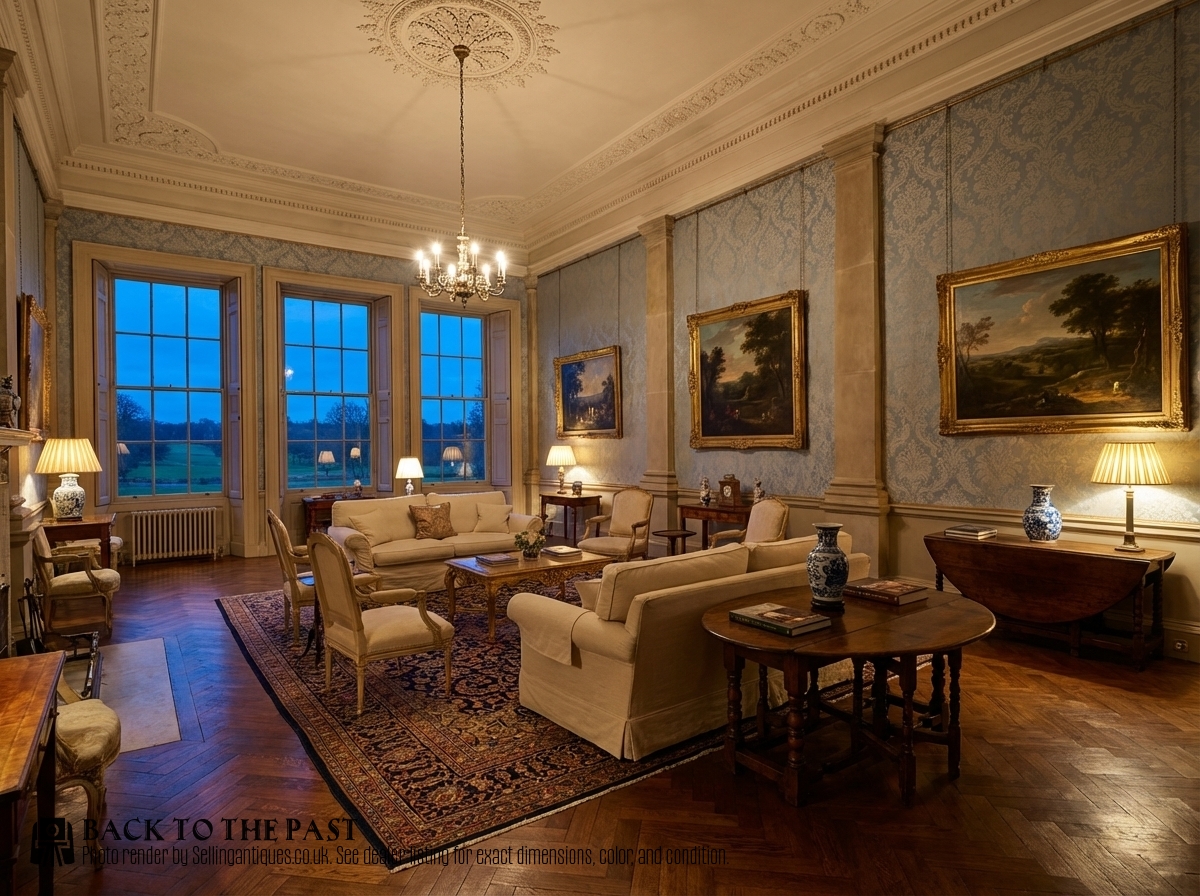
Jacobean Style Coffee Table
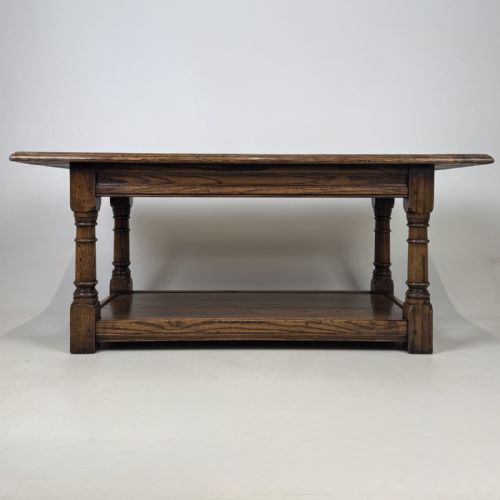
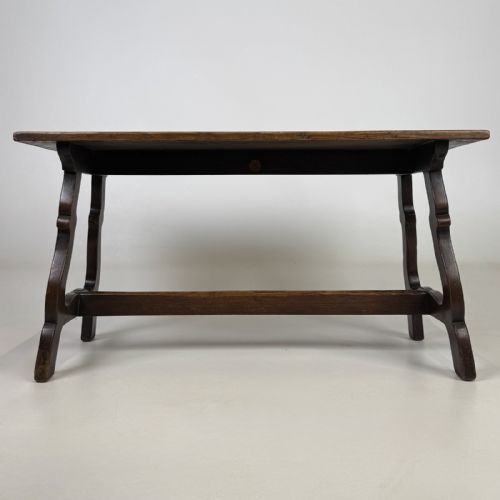
When you search for a jacobean style coffee table, you encounter low occasional furniture drawn from revival periods rather than the seventeenth century itself. The selection here leans heavily on early twentieth century production, alongside occasional nineteenth century examples and Edwardian pieces.
Most entries take the form of compact coffee tables, gateleg tables, or nests of tables designed for domestic use. Oak dominates the form, accompanied by walnut, yew wood, and mahogany.
Revival styles such as Jacobean Revival, English Country, and Celtic Revival shape the overall appearance of these pieces. Buyers frequently meet gateleg designs, small occasional tables, and carved low surfaces suited to twentieth century room layouts.
Materials and Construction
Solid oak provides the structural core for the majority of these tables, supplemented by walnut, yew wood, and mahogany. Carpenters relied on traditional joining methods to build durable frames capable of supporting daily use.
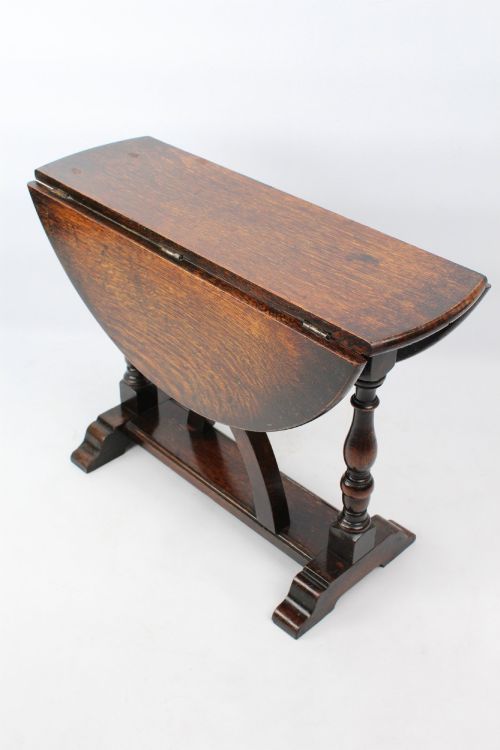
Carving and turning define the decorative technique, visible in barley twist legs and Celtic motifs cut directly into the timber. Gateleg mechanisms and drop leaf joints allow certain models to expand or contract according to space requirements.
Jacobean Style Coffee Table Retail Price Guide 2026
Typical asking prices for jacobean style coffee table among the pieces listed under this phrase on Sellingantiques today, from the lower quarter to the upper quarter. They describe what is for sale here now, not the wider market.
Listings span the Edwardian period through to the 1930s, featuring oak, walnut, and yew wood across various table forms.
Assessing Quality
The distinction between tiers rests upon the selection of timber and the crispness of the hand carving. Solid oak construction with substantial thickness holds a stronger presence than lighter, veneered alternatives.
Proportion and decorative restraint set finer examples apart from heavier, routine production. Crisp turning on legs and well-fitted gateleg hinges indicate careful workshop execution.
The Jacobean Style Coffee Table Glossary
- Gateleg table
- A table with hinged drop leaves supported by swing-out legs that pivot from the frame. This design allows the surface area to expand or fold away.
- Barley twist
- A decorative turning style resembling a twisted rope, commonly found on table legs from revival periods. It adds vertical texture and movement to heavy wooden frames.
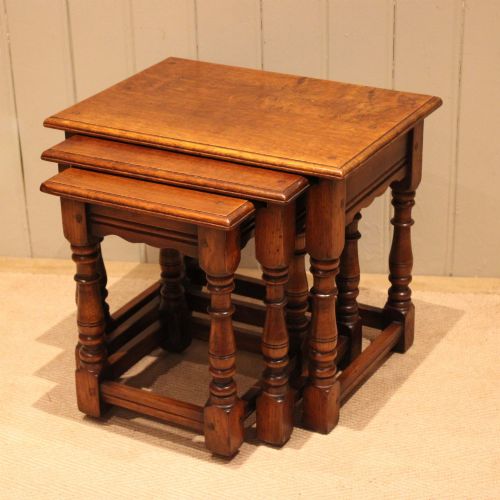
- Nest of tables
- A set of graduated tables designed to slide neatly beneath one another when not in use. They offer flexible surface space in compact rooms.
- Refectory table
- A long, narrow dining or low table traditionally used in communal halls. Smaller extending variants appear in domestic settings.
- Occasional table
- A small, movable table intended for specific, intermittent use rather than permanent placement. These pieces function easily beside seating.
Jacobean Style Coffee Table: Frequently Asked Questions
Are these tables genuinely seventeenth century?
Most pieces date from the Edwardian era and the early twentieth century, utilising revival aesthetics inspired by earlier centuries.
Craftsmen built these items to serve contemporary domestic needs while echoing historical architectural motifs.
How do I maintain an oak table?
Solid oak surfaces respond well to regular dusting with a dry cloth and occasional application of appropriate beeswax.
Avoid placing timber furniture near direct heat sources to prevent the wood from drying out.
Where do these revival styles originate?
Revival designs draw inspiration from seventeenth century English craftsmanship, adapted for twentieth century homes.
Cabinetmakers incorporated traditional carving and turning techniques into smaller, domestic furniture forms.