


1930s Modernist Furniture
These 1930s modernist furniture pieces combine clean geometric lines with honest materials, offering functional design for modern interiors.
1930s Modernist Furniture
When you search for 1930s modernist furniture, you encounter practical items built for domestic and office spaces. The selection on this page centres on side tables, desks, cabinets, and chests of drawers that bridge traditional craftsmanship and forward-looking design.
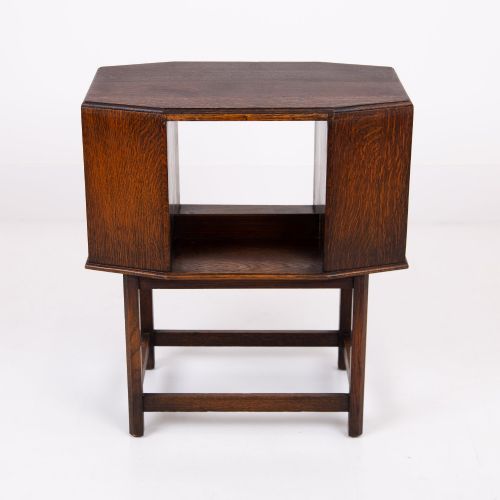
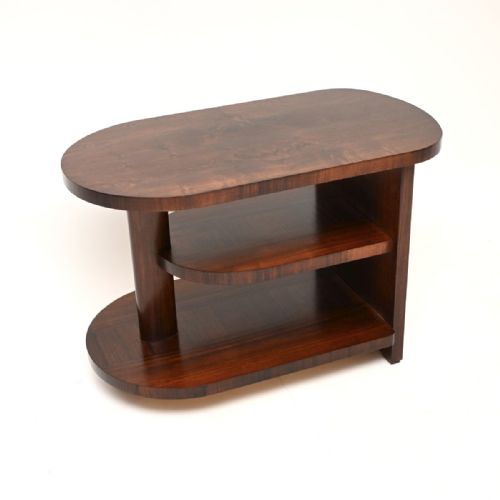
Most pieces you meet here belong to the Art Deco and Mid-Century Modern styles, originating primarily from English and French makers. Forms range from nests of tables and tiered coffee tables to stepped bookcases and substantial desks.
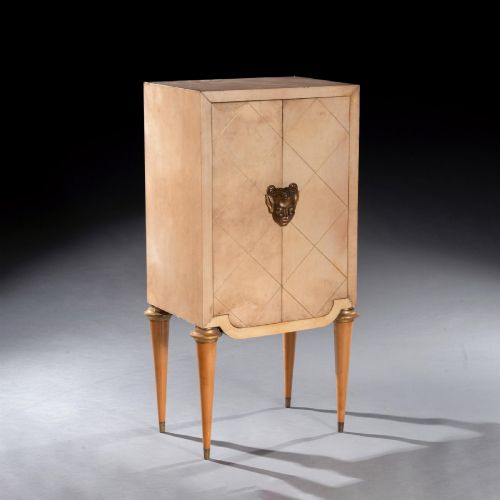
Materials span from standard timbers like oak and walnut to more exotic veneers such as rosewood and ebony macassar, often paired with glass and metal. These objects reflect a period when utility met decorative innovation in domestic spaces.
What varies in quality
The distinction between standard production and top tier work rests on the selection of veneers and the precision of the geometric assembly. Cabinetmakers who handled scarce timbers like ebony macassar or rosewood achieved a visual depth absent in simpler oak or plain wood versions.
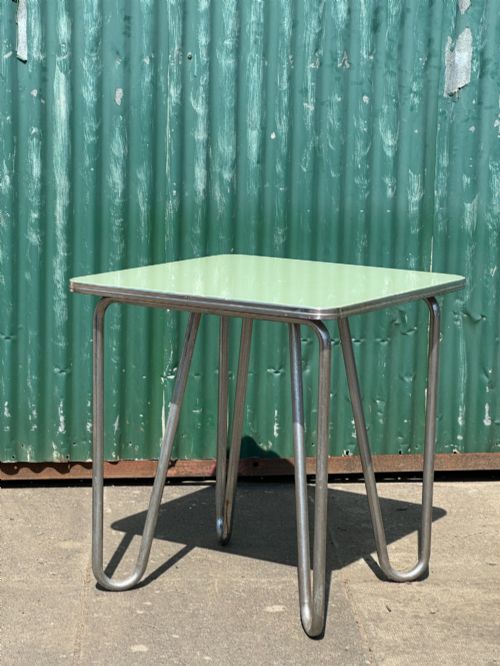
Design attribution also separates the range, as pieces bearing known maker signatures or distinct architectural stepping command closer attention. The integration of auxiliary materials like parchment inlay or polished chrome shows the maker's ambition and skill.
Listings feature pieces spanning the 1900s to the 1940s, with a strong concentration of 1930s items in oak, walnut, and rosewood.
Maurice Jallot·Oliver Percy Bernard·Heal's·Betty Joel·Hille·Michel Dufet
The 1930s Modernist Furniture Glossary
- Veneer
- A thin slice of superior wood applied to a commoner timber surface to create a decorative exterior. This technique allowed cabinetmakers to display striking grain patterns across large cabinet doors and table tops.
- Ebonised
- Wood treated with a chemical stain or dark finish to imitate expensive ebony. The process was popular in French and English workshops during the period to provide high contrast against lighter metals or interiors.
- Limed oak
- Timber treated with a white or pale pigment rubbed into the open grain. It created a softer, lighter surface finish that defined many British modernist interiors.
- Gueridon
- A small French occasional table, often round and supported by a central pillar or slender legs. These functional pieces served as lamp or side tables in sitting rooms.
- Parchment inlay
- Skin or vellum applied carefully to wood surfaces as a decorative veneer. It provided a smooth, matte texture favoured by Parisian designers for high end cabinets.
1930s Modernist Furniture: Frequently Asked Questions
How do I identify a 1930s modernist desk?
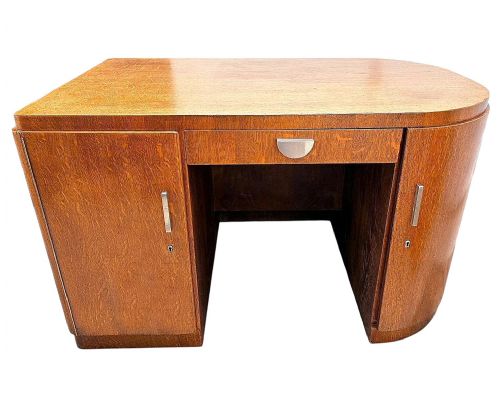
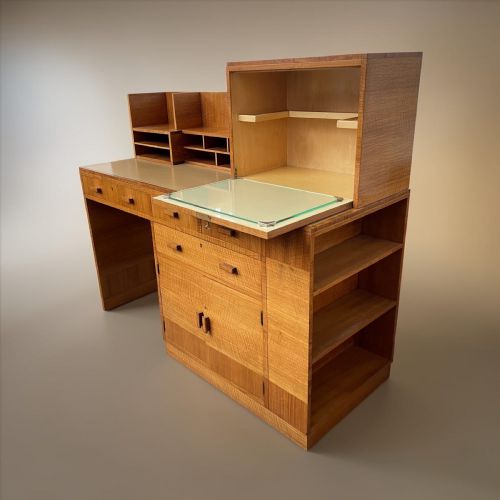
Look for clean geometric silhouettes, stepped forms, and the absence of heavy Victorian carving. Materials often include oak, walnut, or contrasting veneers paired with metal.
Functionality dictated the design, resulting in double-sided configurations or integrated pedestals that suited contemporary office and home use.
Where were these pieces made?
The examples in this selection originate primarily from English and French workshops and department stores. London and Paris served as main hubs for this style of manufacture.
English pieces often utilised oak and walnut, while French designers favoured exotic veneers and parchment.
How do I care for wood veneer furniture?
Keep wooden pieces away from direct sunlight and sudden temperature changes to prevent the veneer from lifting. Dust regularly with a dry cloth and avoid silicone-based polishes.
Wax can be applied sparingly to maintain the sheen on polished surfaces without building up a heavy residue.
What is a nest of tables?
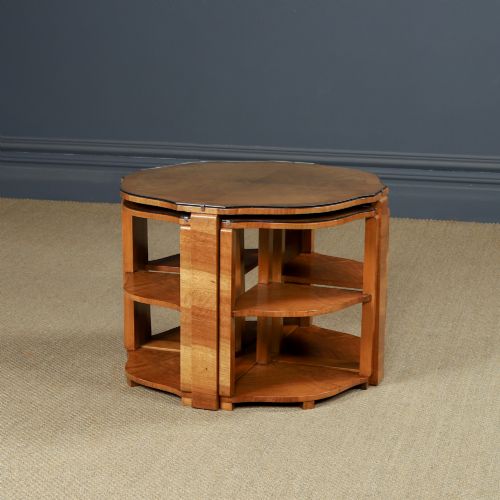
A set of graduating tables designed to fit neatly underneath one another when not in use. They provided flexible surface space for entertaining in smaller interwar rooms.
Makers produced them in circular, rectangular, and tiered formats using oak or exotic woods.