
Oak Tiered Side Table
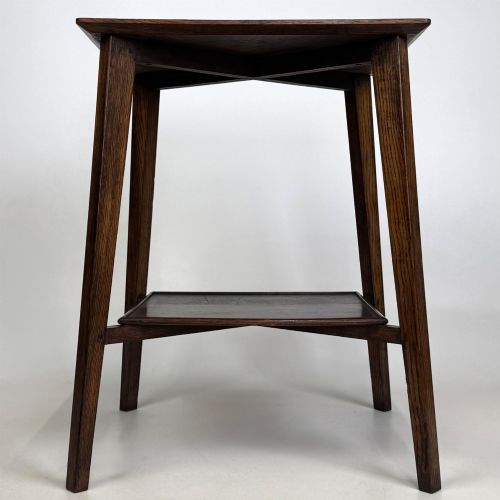
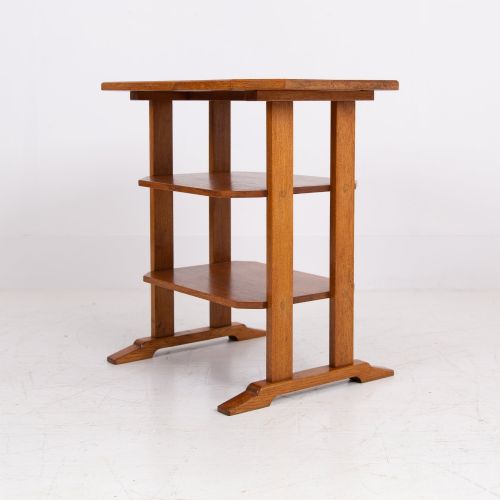
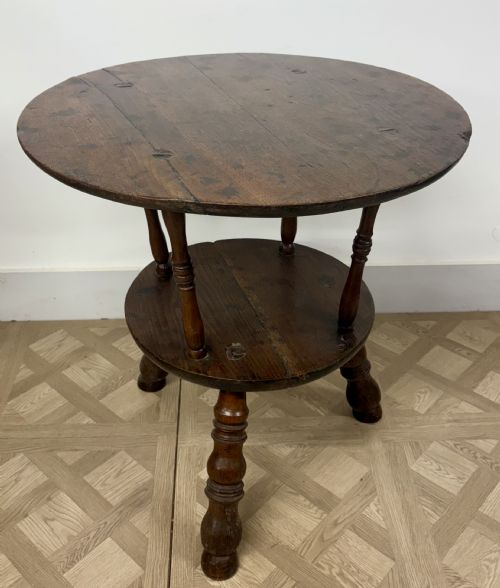
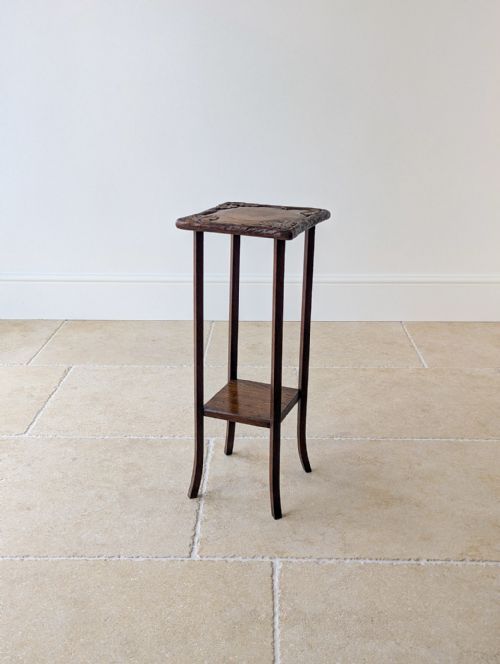
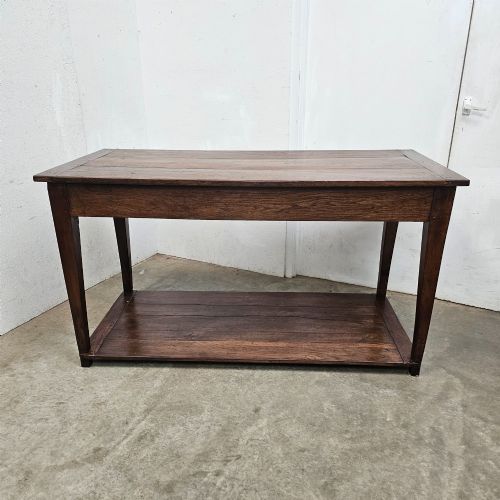
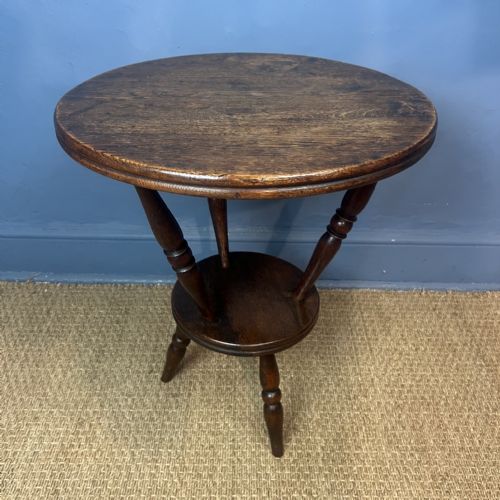
An oak tiered side table brings functional levels and timber character into a room, serving as a sturdy surface for lamps, books, or plants.
Oak Tiered Side Table
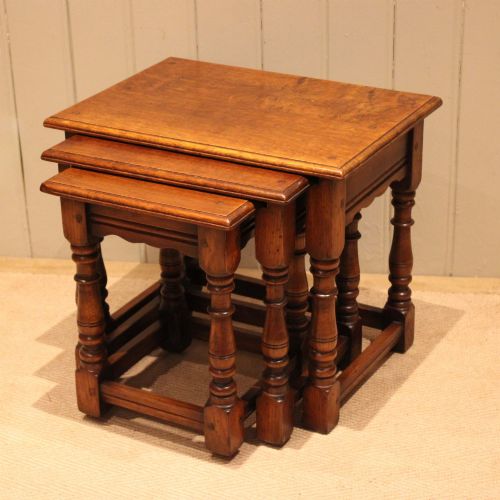
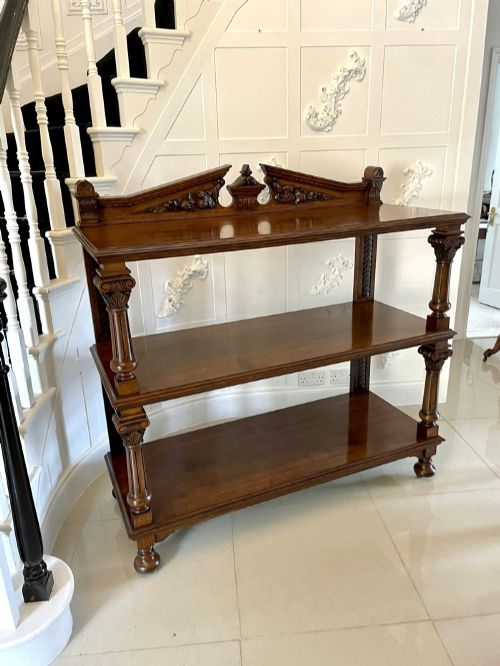
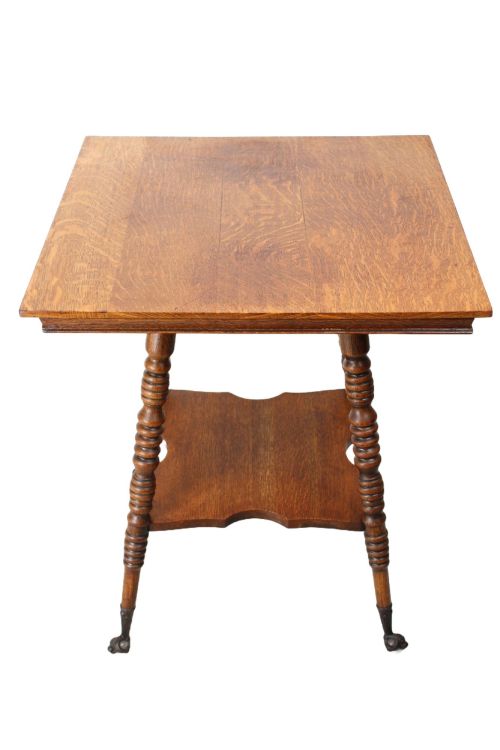
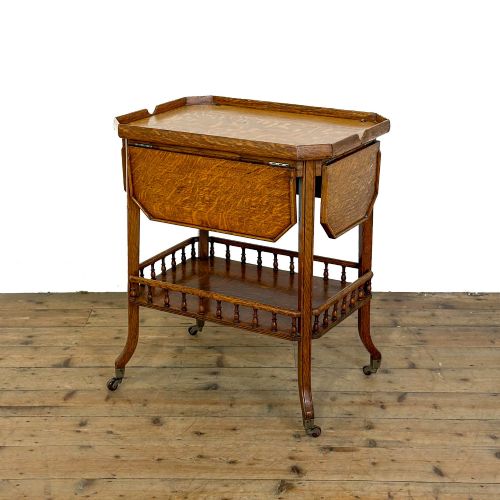
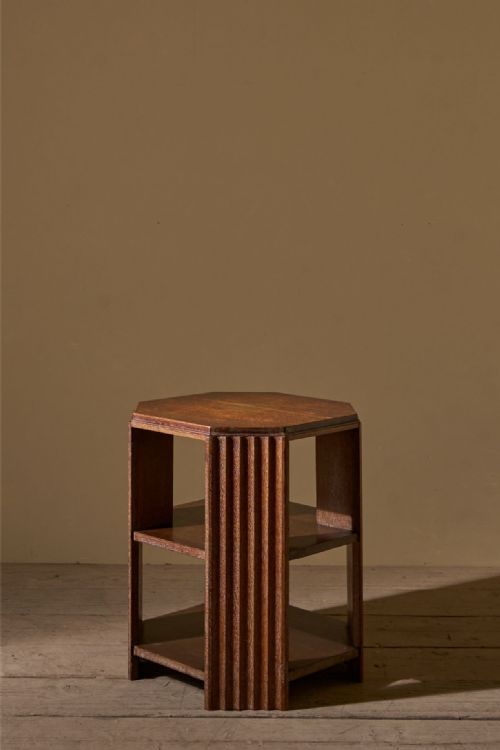
When you search for an oak tiered side table, you encounter multi-level wooden furniture spanning the Victorian, Edwardian, Arts and Crafts, and Art Deco periods. These practical surfaces take the form of two-tier and three-tier occasional tables, dumbwaiters, plant stands, and tea trolleys designed to maximise vertical space in smaller rooms.
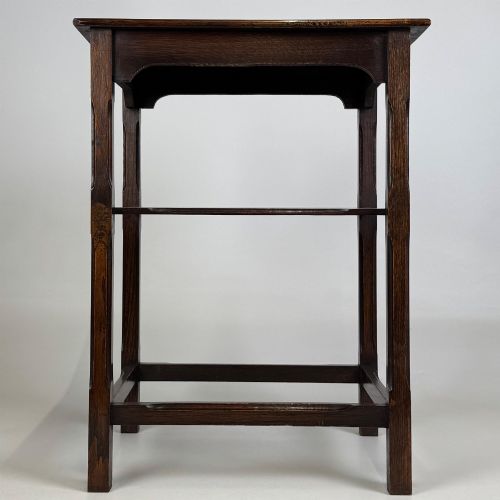
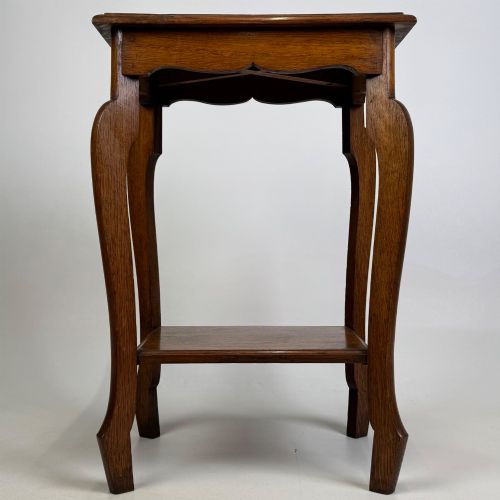
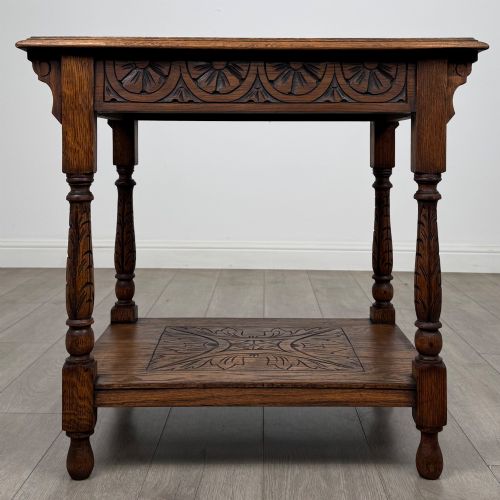
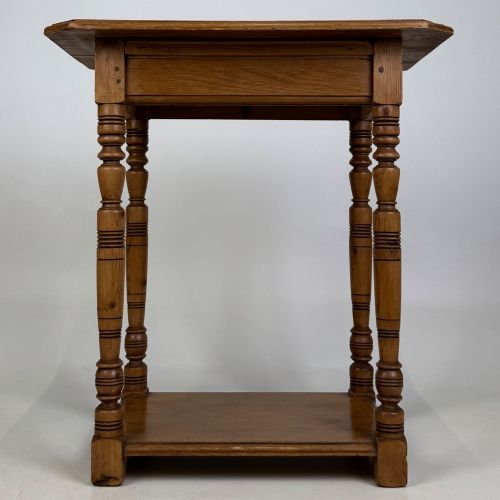
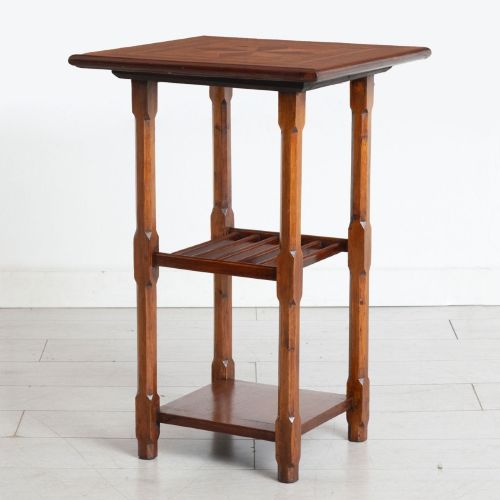
The pieces on this page lean heavily toward the Arts and Crafts and Edwardian eras, featuring golden oak, dark oak, or limed finishes. You will frequently find structural tiers supported by turned legs, open shelving, or integrated galleries intended for books and display items.
What varies in quality
The distinction between ordinary and superior pieces rests on the choice of timber and the integrity of the tier supports. Golden oak with strong figuring and substantial uprights commands greater respect than thin, stained hardwood with glued joints.
Hand-carved detailing and thoughtful proportions elevate a table from standard utility furniture to an artistic statement. Well-executed corner brackets, clean joinery, and original brass fittings indicate a higher standard of workshop production.
Oak Tiered Side Table Retail Price Guide 2026
Typical asking prices for oak tiered side table among the pieces listed under this phrase on Sellingantiques today, from the lower quarter to the upper quarter. They describe what is for sale here now, not the wider market.
Liberty of London·William Birch
The Oak Tiered Side Table Glossary
- Tiered table
- A piece of furniture featuring two or more horizontal surfaces positioned one above another to provide extra storage or display space.
- Arts and Crafts
- A design movement spanning the late nineteenth and early twentieth centuries that emphasised honest construction, simple forms, and visible oak grain.
- Dumbwaiter
- A multi-tiered serving table or stand traditionally used for holding dishes, books, or tea equipment.
- Gallery
- A raised wooden edge or rail fitted around the perimeter of a tabletop or shelf to prevent items from sliding off.
- Limed oak
- Timber treated with a specialised finish that leaves a whitish pigment in the grain pores, popular during the Art Deco period.
Oak Tiered Side Table: Frequently Asked Questions
What is an oak tiered side table used for?
These pieces function as versatile surface furniture in living rooms, hallways, and bedrooms. The additional shelves provide convenient spaces for lamps, books, and decorative objects while taking up minimal floor area.
In period interiors, similar tiered designs served as plant stands, tea trolleys, or bedside companions. Their multi-level construction allows you to organise daily items efficiently without cluttering the main tabletop.
How do I date an oak tiered side table?
Dating relies on observing the stylistic details, construction methods, and timber finishes present in the piece. Heavy carving and dark finishes often point toward Victorian or early Arts and Crafts periods, whereas blonde wood and streamlined shapes suggest Art Deco origins.
Examining the underside and joints provides further clues regarding age. Machine-cut components typically indicate twentieth-century production, while hand-finished joinery points to earlier workshop craftsmanship.
Where should I place a tiered table at home?
A tiered side table fits naturally beside a sofa, armchair, or in an empty corner that requires height and storage. The lower shelves offer a practical spot for stacking magazines or small baskets.
Because these tables feature access from multiple sides, placing them near a window or as a freestanding lamp table works well. Ensure the height of the top tier matches comfortably with surrounding seating furniture.
Are Arts and Crafts oak tables sturdy?
Arts and Crafts furniture is renowned for robust construction and dependable stability. Makers prioritised sturdy solid oak timbers and honest joinery designed to withstand daily domestic use over many decades.
While solid construction is standard, checking the stability of the upright supports connecting the tiers remains wise. Proper tightening of structural screws or checking glue joints keeps older multi-level tables secure.