






Dark Oak Buffet Stand
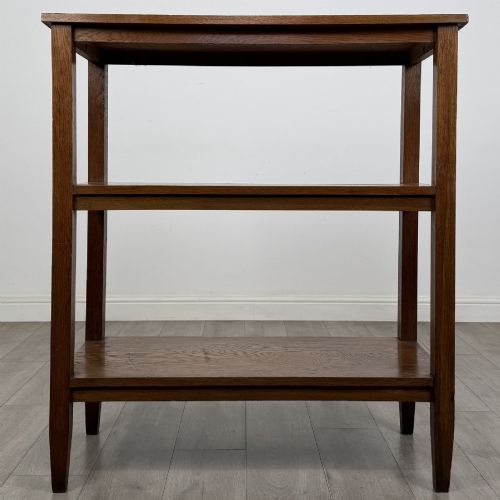
These dark oak buffet stand items offer heavy timber construction and centuries-old storage forms, bringing solid period presence to an interior.
Dark Oak Buffet Stand
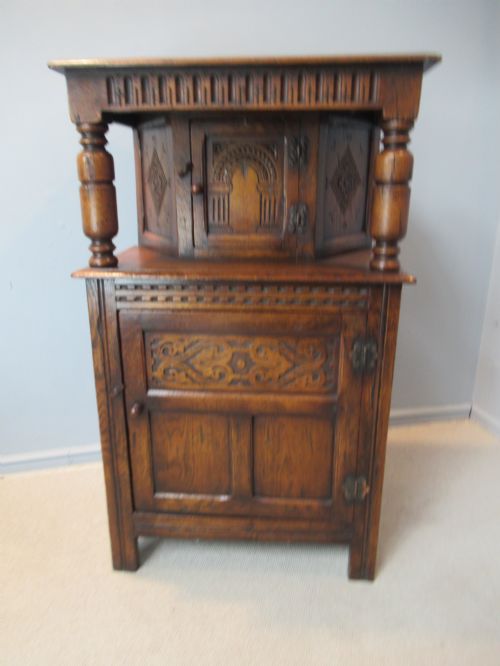
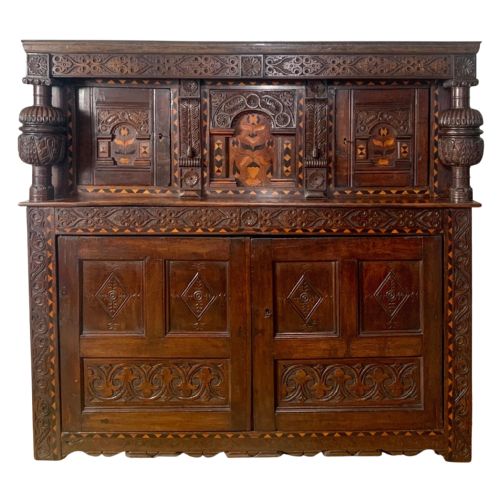
A dark oak buffet stand search reveals heavy timber storage items, incorporating forms like court cupboards, dumbwaiters, and cabinets on stand. These items trace their origins from sixteenth-century pieces through seventeenth-century examples and Victorian revivals.
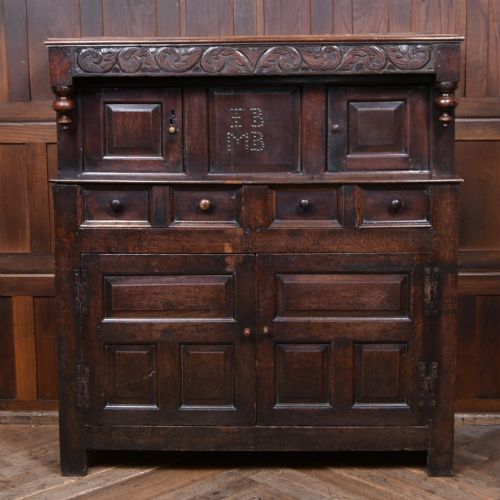
The versions most commonly met on this page include seventeenth-century court cupboards alongside nineteenth-century Jacobean and Gothic revivals. They serve as substantial storage furniture built from dark timber.
How they were made
Makers constructed these pieces primarily from solid oak, sometimes incorporating mixed wood inlay, fruitwood marquetry, iron, brass, and mirror elements. Carving techniques defined the surfaces, displaying detailed ornamentation across panels and structural framing.
Construction methods spanned centuries, moving from sixteenth- and seventeenth-century joinery traditions to nineteenth-century revival interpretations utilising dark oak and decorative inlays.
Dark Oak Buffet Stand Retail Price Guide 2026
Typical asking prices for dark oak buffet stand among the pieces listed under this phrase on Sellingantiques today, from the lower quarter to the upper quarter. They describe what is for sale here now, not the wider market.
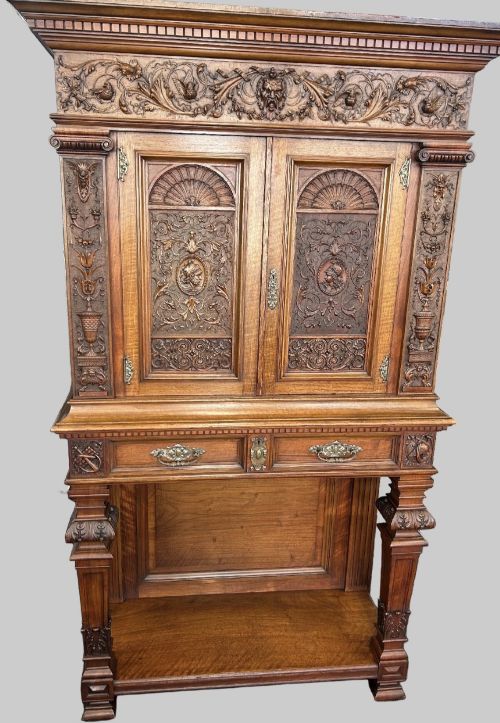
Lion masks peer out from nineteenth-century revival stands, guarding the dark timber.
What varies in quality
Quality differences emerge in the crispness and depth of the carved ornamentation across the oak panels, distinguishing master workshops from standard production. The selection of timber grain and the complexity of marquetry or fruitwood inlay also separate standard items from finer examples.
The proportion and scale of the piece dictate its visual balance, with smaller or particularly well-proportioned cabinets commanding closer attention. Original structural integrity and surface patination further define the standing of each piece.
The Dark Oak Buffet Stand Glossary
- Court Cupboard
- An open or enclosed set of tiers used for displaying plate and storing provisions. These pieces typically date from the sixteenth and seventeenth centuries.
- Dumbwaiter
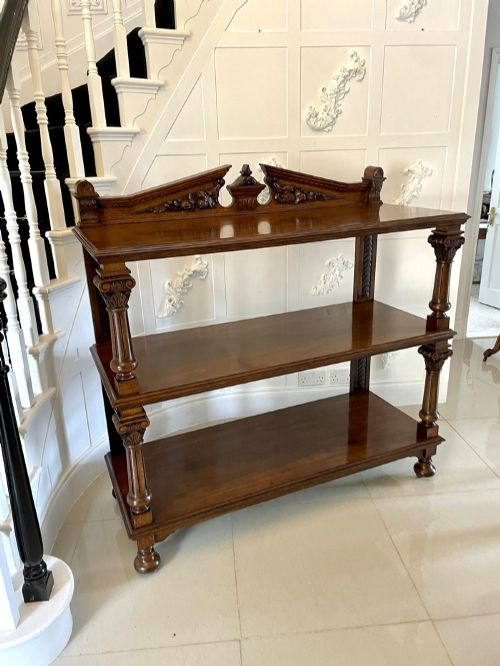
- A tiered freestanding stand used for serving food or holding tableware. Victorian interpretations often feature heavy carved oak execution.
- Marquetry
- The art of applying decorative veneer pieces to a structure to form geometric or pictorial designs. Fruitwood is frequently utilised for this detailed work.
- Jacobean Revival
- A nineteenth-century architectural and furniture style emulating the heavy proportions and carved ornamentation of the early seventeenth century.
- Livery Cupboard
- A traditional standing cupboard designed for storing food and drink rations. These early forms are constructed from heavy oak timber.
Dark Oak Buffet Stand: Frequently Asked Questions
What is a court cupboard?
A court cupboard is a traditional tiered storage piece originating from the sixteenth and seventeenth centuries, designed for displaying plate and holding household goods.
These heavy oak items often feature enclosed upper and lower sections with elaborate carving.
How do I date a dark oak cabinet?
Dating relies on examining construction methods, joinery marks, and the specific style of carving present on the oak panels. Sixteenth- and seventeenth-century pieces display authentic period tool marks and construction.
Victorian revival items utilise earlier motifs but show nineteenth-century manufacturing techniques and secondary timbers.
Where were these cupboards placed?
Historically, these heavy storage pieces stood in the principal rooms of large houses and cottages to store provisions and display valuable tableware.
Today, they function as focal storage points in dining rooms and hallways.
What is a cabinet on stand?
A cabinet on stand consists of an enclosed storage box raised on an independent support structure or frame. This form elevates the primary storage compartment off the floor.
Examples on this page span seventeenth-century origins and nineteenth-century Gothic revivals.