
Dark Oak Display Stand
A dark oak display stand gives a room strong linear form and timber depth, bringing structure to ornaments, books or paintings.
Dark Oak Display Stand
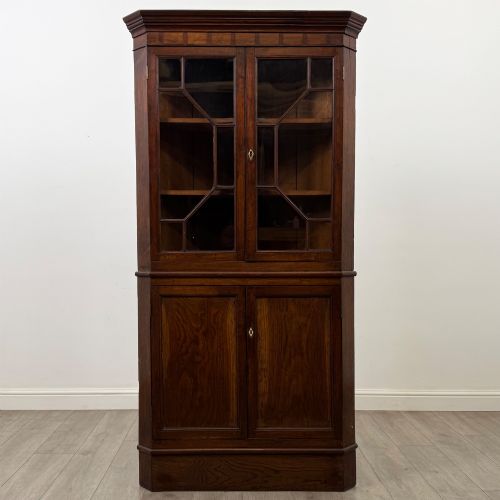
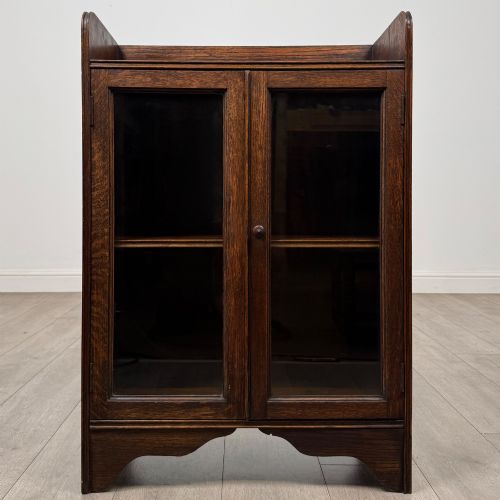
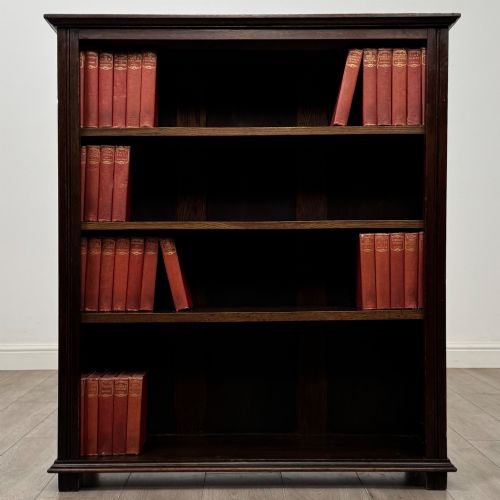
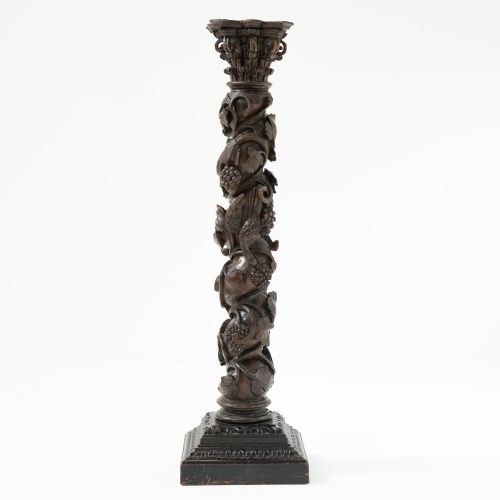
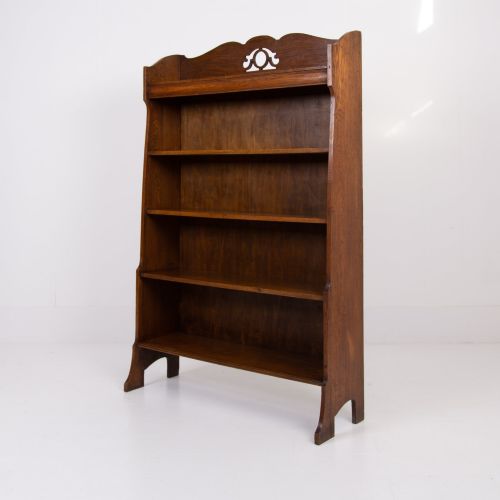
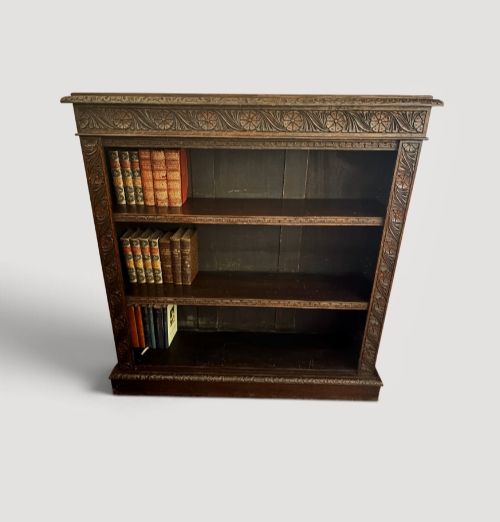
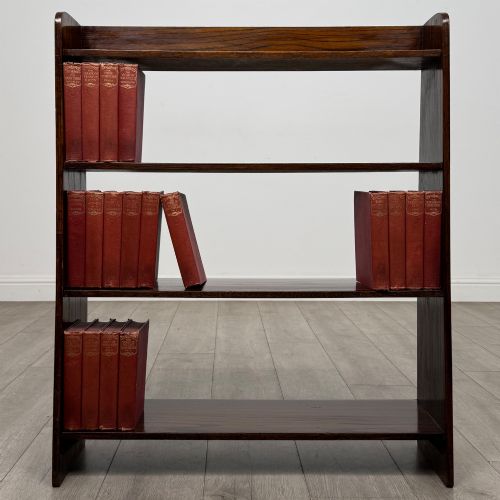
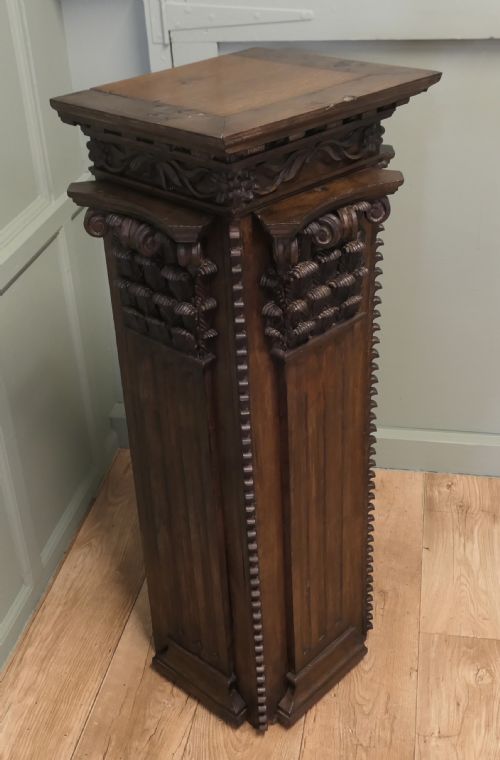
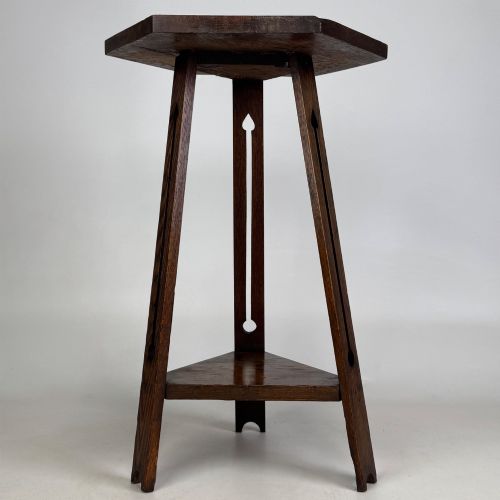
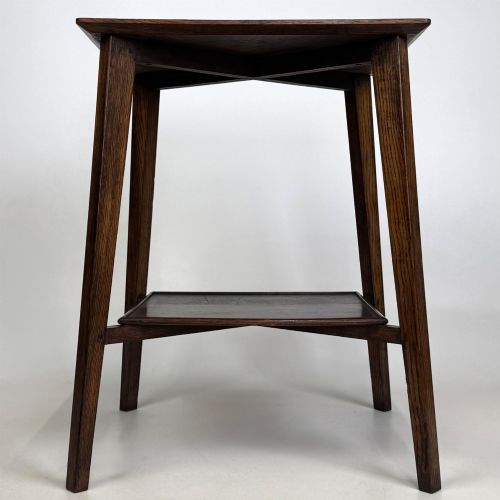
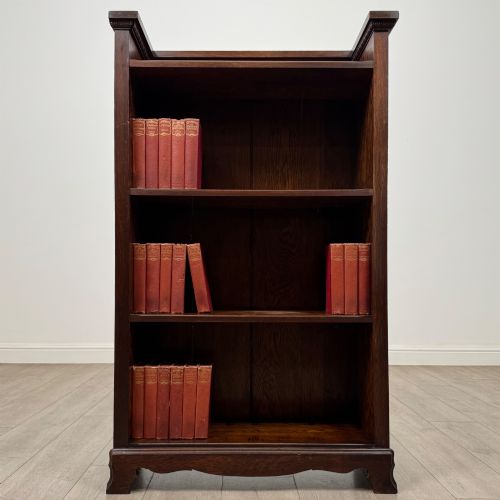
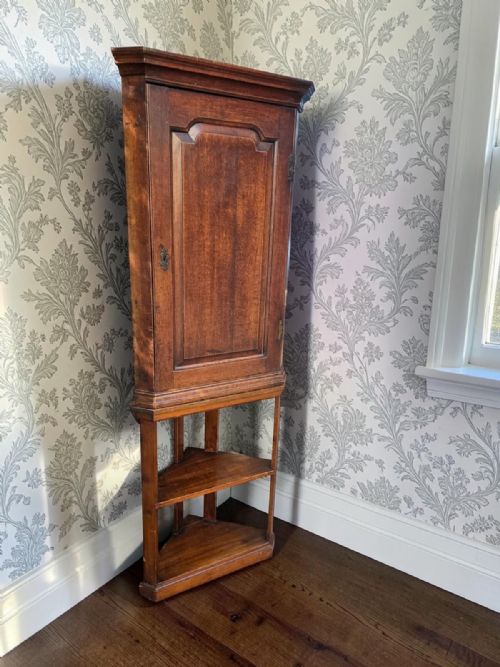
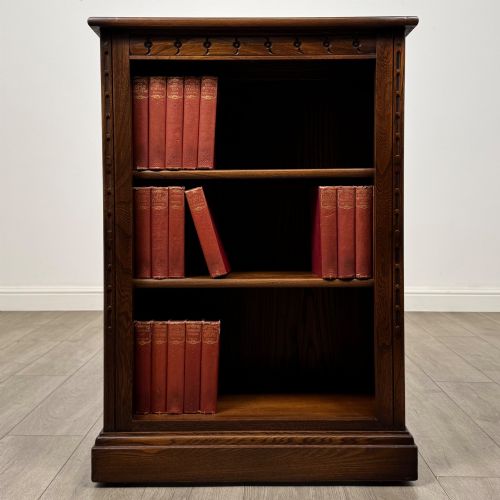
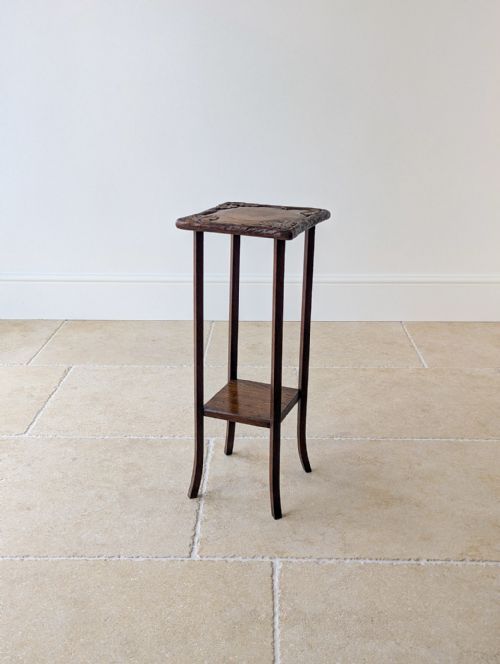
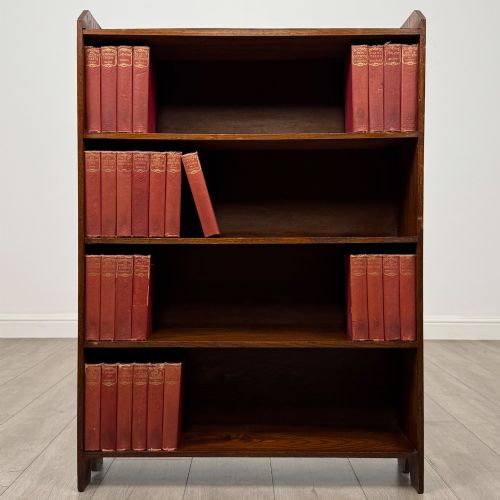
A dark oak display stand encompasses a broad range of elevated furniture designed to hold objects for viewing, stretching from open bookcases and corner cabinets to pedestals and easels. When searching for a dark oak display stand, a buyer encounters forms that serve both functional storage and decorative presentation across multiple historical eras.
The selection on this page draws heavily from Edwardian and Victorian production alongside the 18th century and the 1930s, reflecting diverse domestic requirements. Common formats include open bookcases, plant stands, corner cupboards and studio easels constructed to showcase belongings.
Makers and manufacturers utilised styles ranging from Arts and Crafts and French Provincial to Jacobean Revival and Georgian. This variety ensures that structural rigidity and dark timber tones unify pieces that differ widely in their specific functional purpose.
How they were made
Makers built these pieces primarily using solid oak timbers, pairing the heavy wood with functional metal, iron, cast iron and brass hardware such as hinges, handles and adjustable mechanisms. Glass panels feature in glazed cabinets, while mirrors and lead occasionally appear in specific display configurations.
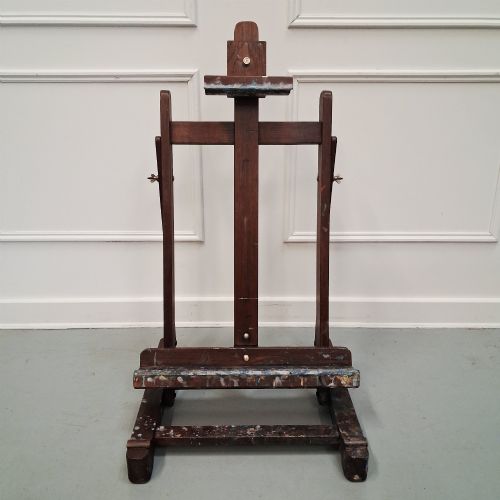
Construction techniques vary by period, moving from hand-carved 18th-century joints and provincial French joinery to the structural framing seen in Edwardian bookcases and Arts and Crafts side tables. Studio easels incorporate complex wooden ratchets and winding gear to allow full vertical adjustment for artists and exhibitors.
Several pieces include heavy studio easels featuring fully adjustable mechanisms built to hold wet canvases for Victorian painters.
What varies in quality
Quality in these pieces rests upon the selection of the oak timber, the depth of the carved detail and the integrity of the structural joinery. Finer examples display crisply defined mouldings, well-figured grain and robust construction that withstands decades of daily weight.
Functional complexity separates standard utility items from superior workshop output, particularly in adjustable studio easels with smooth mechanical movement or cabinets featuring precise glazing bars and original hardware.
Liberty and Co.
The Dark Oak Display Stand Glossary
- Solomonic
- A twisted, spiral column shape reminiscent of a barley sugar twist, frequently seen on 18th-century pedestals and turned supports.
- Arts and Crafts
- A design movement prioritising traditional craftsmanship, visible grain and simple structural forms over excessive machine-made ornamentation.
- Gallery
- A raised wooden or metal rim around the top edge of a table or stand designed to prevent items from sliding off.
- Trefoil
- A three-lobed decorative shape often incorporated into Gothic-influenced panelling or table edges.
- Jardiniere stand
- A tall piece of furniture specifically designed to hold a plant pot or floral display vase above floor level.
Dark Oak Display Stand: Frequently Asked Questions
What is a dark oak display stand used for?
These pieces serve as functional furniture designed to elevate and exhibit books, plants, plates, or artwork within a domestic or studio setting. Their sturdy timber construction provides reliable support for heavy collections.
Different formats suit different objects, such as narrow shelves for volumes, tall pedestals for sculptures, or adjustable easels for framed paintings.
How do I identify an Edwardian bookcase?
Edwardian bookcases generally date from the early 20th century and often feature straightforward open shelving or glazed doors in seasoned oak. They reflect domestic revival styles popular during that era.
Examining the backboards, interior timber thickness and fixing methods helps distinguish these Edwardian items from later reproductions or earlier Georgian pieces.
Are these stands suitable for small rooms?
Many formats, such as corner cabinets, small side tables and narrow plant stands, fit easily into compact spaces while offering vertical storage. Their corner placement utilises otherwise empty room junctions effectively.
Selecting open bookcases or slim display pedestals keeps floor space clear while adding timber warmth and display capacity.
How do I care for antique oak furniture?
Maintaining antique oak involves keeping pieces away from direct heat sources and sudden humidity shifts to prevent timber splitting or warping. Regular dusting with a soft, dry cloth preserves the finish.
Applying a traditional beeswax polish occasionally helps nourish the wood surface and maintain its natural lustre without building up heavy chemical residues.