


Modernist Occasional Table
A modernist occasional table brings functional design and clean lines to a room, offering compact surface space shaped by twentieth-century style.
Modernist Occasional Table
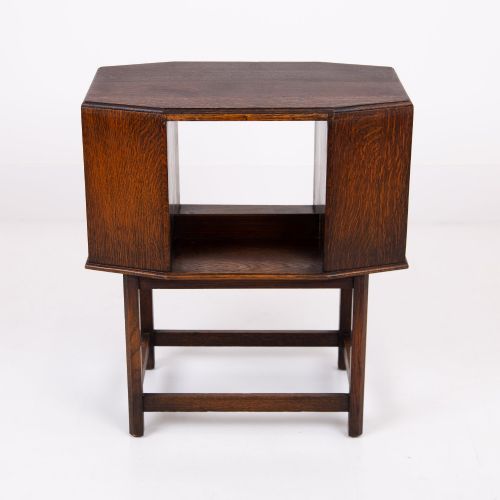
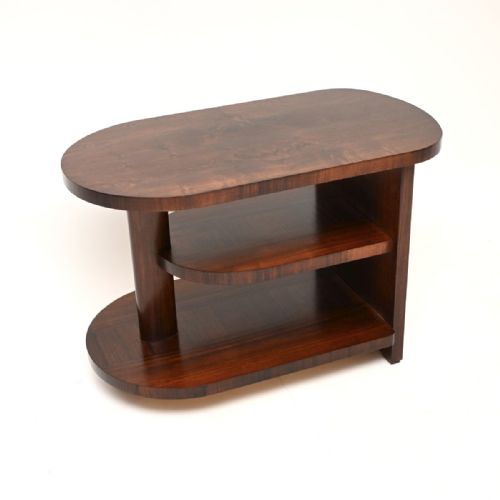
Origins span English workshops and factories, with notable pieces incorporating tiered structures and built-in book storage. Walnut and oak remain the most common timbers, frequently paired with contrasting metal elements.
Materials and construction methods
Makers utilised rich timber veneers such as walnut, rosewood, and blonde oak, often highlighting the natural grain across smooth geometric surfaces. Wood veneer was skillfully applied to core structures to achieve sleek, curved, or tiered profiles.
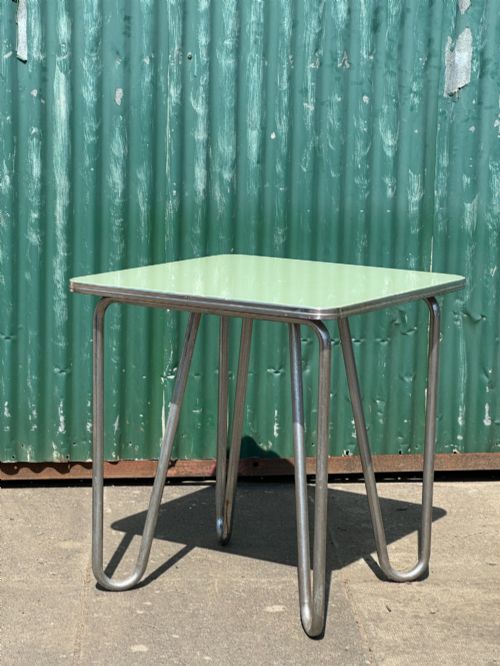
Industrial materials introduced new structural possibilities, notably through the use of tubular steel and chrome for legs and frames. Brass details and glass inserts further distinguished these pieces, combining traditional cabinet-making with metalworking techniques.
Several tables include designated telephone compartments, anticipating a time when the household call was a stationary event.
Assessing quality and design
Quality rests in the precision of the joinery and the selection of timber veneers, where balanced grain patterns elevate the appearance of the piece. Tables featuring integrated storage, such as tiered book sections or telephone compartments, demonstrate thoughtful planning by the maker.
The integration of mixed materials distinguishes finer examples from standard production items. Seamless joints between chrome tubing and wooden tops, or the inclusion of original casters and brass fittings, indicate superior execution.
Oliver Percy Bernard·PEL·Hille·Peter Ghyczy
The Modernist Occasional Table Glossary
- Tubular steel
- Hollow metal piping bent into structural supports. This material defined twentieth-century industrial furniture design by allowing lightweight yet strong frames.
- Tiered table
- A piece featuring multiple stacked surfaces connected by columns or panels. These tiers provided extra storage while maintaining a compact footprint.
- Art Deco
- A design style characterised by sleek geometric shapes, streamlined forms, and modern industrial materials. It reached peak popularity during the interwar period.
Modernist Occasional Table: Frequently Asked Questions
How do I date a modernist occasional table?
Dating relies on materials, construction methods, and stylistic cues present in the design. Pieces from the nineteen-thirties often combine tubular steel or chrome with walnut veneers.
Examining the underside and hardware can also reveal manufacturing techniques characteristic of specific decades.
Where should I place a tiered table?
Tiered tables work well beside seating areas where vertical space is useful for books and small objects. Their compact footprint makes them suitable for corners or beside a telephone.
Avoid placing them in areas with direct moisture or extreme temperature fluctuations to protect the veneer.
Are these tables suitable for daily use?
These pieces were built for everyday domestic life, holding books, lamps, and daily items easily. Standard maintenance involves dusting with a dry cloth and protecting surfaces from moisture.
Timbers finished with polish benefit from occasional waxing to maintain their lustre.
What is the difference between side and book tables?
Side tables offer a general surface for lamps and drinks, while book tables incorporate built-in shelving or compartments for reading materials. Both serve as occasional tables within a room layout.
Book tables often feature multiple tiers to organise volumes efficiently.