



Vintage Metal End Table
These vintage metal end table designs bring durable structure and gleaming surface materials directly to a room.
Vintage Metal End Table
When you search for a vintage metal end table, you find a variety of small support surfaces designed for daily utility and decorative impact. These pieces range from compact side tables and lamp tables to occasional tables and structural table bases. The selection on this page leans heavily toward twentieth-century designs, particularly from the 1920s and 1930s, alongside earlier Victorian and Regency examples.
Forms vary from simple round or square lamp supports to sophisticated console-side hybrids. You encounter matching pairs designed to flank a sofa or bed, as well as individual statement pieces meant to anchor a seating arrangement. Materials are robust, combining structural metal frames with inset surfaces of glass, mirrored glass, or marble.
How they were made
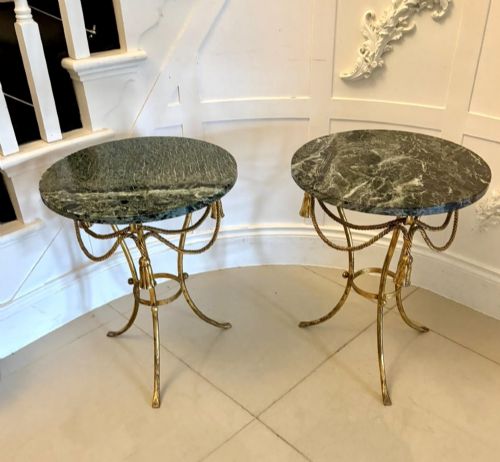
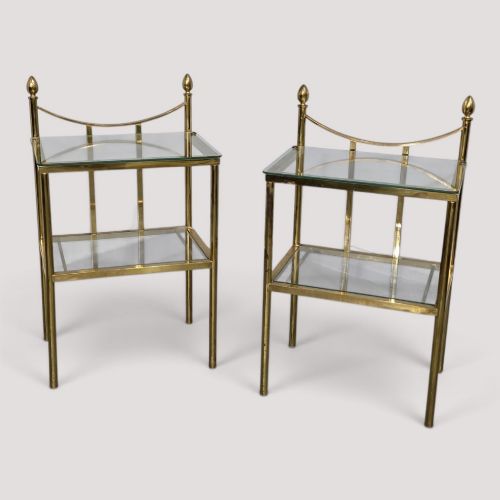
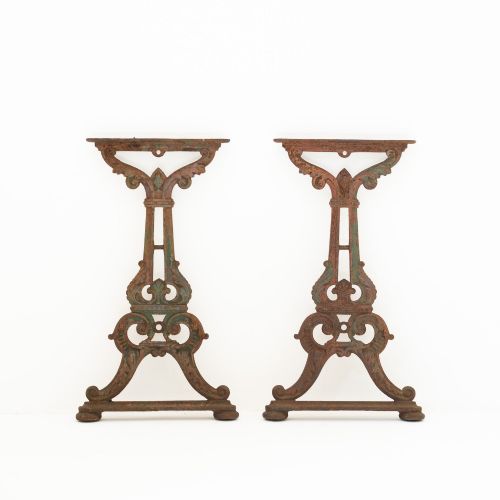
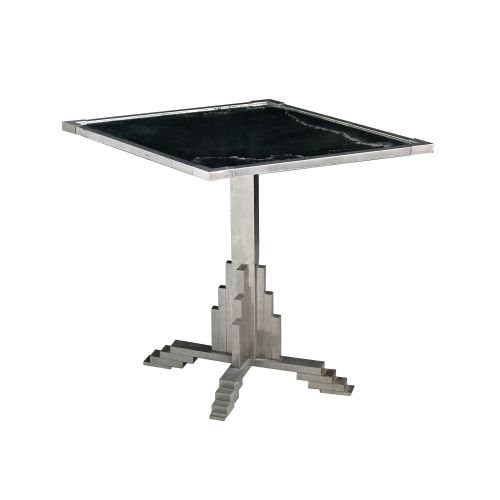
Construction relies heavily on durable metals such as brass, chrome, cast iron, and gilt metal to form stable legs, frames, and bases. These structural elements are frequently paired with contrasting top surfaces made from polished glass, heavy mirrored glass, or verde marble. The combination creates a deliberate interplay between cold, hard metal and smooth, reflective or heavy stone surfaces.
Workmanship spans standard industrial casting to refined modernist fabrication, reflecting the diverse periods from Victorian workshops to Art Deco studios. Metal components are cast, plated, or gilded, while stone tops are cut and polished to fit precisely within their metal surrounds.
Materials recorded across the current inventory include brass, chrome, cast iron, gilt metal, glass, mirrored glass, and verde marble.
What varies in quality
Quality in these pieces rests on the integrity of the materials and the precision of the construction. Superior examples utilise heavy cast metals, genuine marble, and thick plate glass rather than lighter stamped components or thin veneers. The weight and solidity of the frame dictate how well the piece stands up to daily use.
Design distinction also separates standard production from exceptional work. Pieces attributed to notable designers or specific modernist movements display a level of finish, proportion, and detail that elevates them above ordinary occasional furniture.
Oliver Percy Bernard·PEL·Archibald Knox·Peter Ghyczy
The Vintage Metal End Table Glossary
- Art Deco
- A design style emerging in the interwar period characterised by sleek geometric forms, stylised ornamentation, and industrial materials like chrome. It dominated European and American decorative arts through the 1920s and 1930s.
- Verde marble
- A dark green ornamental stone often featuring white or lighter veining, frequently used for table tops and architectural inlays. It provides a heavy, cool contrasting surface to metal frames.
- Occasional table
- A small, movable piece of furniture designed for specific, intermittent uses such as holding a lamp, drink, or book. They are built to be easily repositioned within a room.
- Gilt metal
- Metal that has been treated with a thin layer of gold leaf or gilt paint to give the appearance of solid gold. This finish adds warmth and reflectivity to brass or iron frames.
Vintage Metal End Table: Frequently Asked Questions
How do I style a metal end table?
Pair these tables with upholstered seating to create a textural contrast between soft fabrics and hard metal or stone surfaces. Their compact footprints make them versatile additions beside chairs or sofas.
Keep the top styling simple to let the materials speak for themselves. A single lamp or a small ceramic dish is usually sufficient.
Were these tables used for lamps?
Many pieces in this category are specifically designated as lamp tables, designed to hold lighting near seating areas. Their sturdy metal and stone construction easily supports the weight of heavy table lamps.
They also served as convenient surfaces for drinks, books, and smoking accessories in period parlours and living rooms.
How do I identify an Art Deco table?
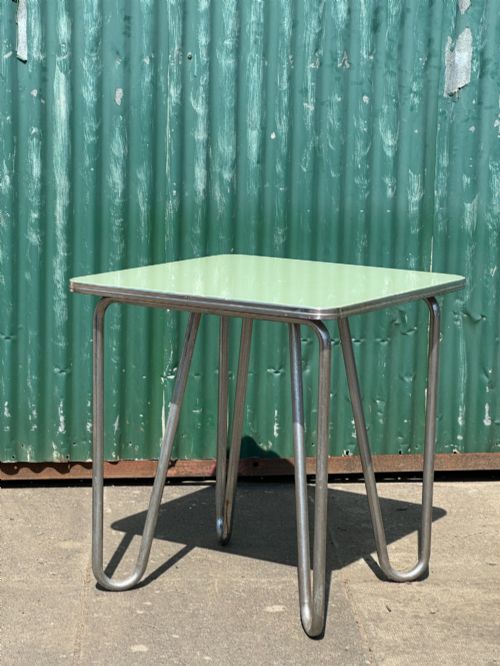
Art Deco pieces typically feature streamlined geometric lines, polished chrome surfaces, and modernist styling characteristic of the 1920s and 1930s. They often combine industrial metals with glass or polished wood.
Look for symmetrical forms and a lack of excessive ornamentation, focusing instead on clean architectural silhouettes.
What is the difference between cast iron and brass?
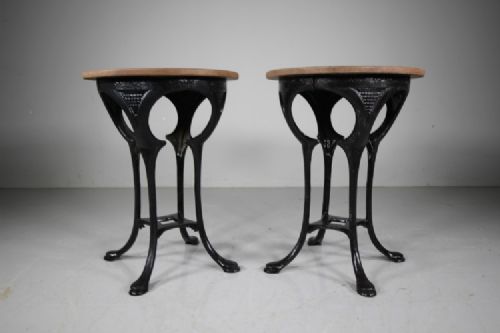
Cast iron is a heavy, utilitarian metal often used for sturdy Victorian and Edwardian table bases and structural frames. It offers immense durability and weight.
Brass is a bright, golden alloy favoured for its decorative warmth and polish, frequently appearing in twentieth-century lamp and side tables.