





Edwardian Cast Iron Table
These edwardian cast iron table examples combine robust metal work with timber or marble tops, offering durable utility and distinct period character for modern rooms.
Edwardian Cast Iron Table
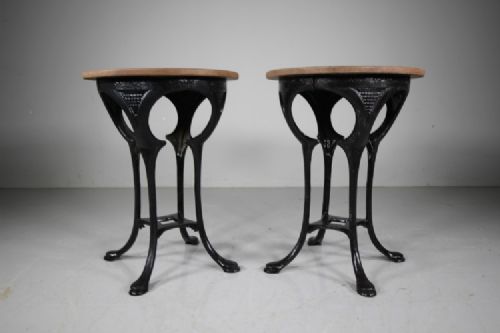
Many examples incorporate timber tops such as oak or mahogany, while others utilise marble or glass surfaces. These pieces frequently show influences from the Arts and Crafts and Art Nouveau movements in their cast metal decoration.
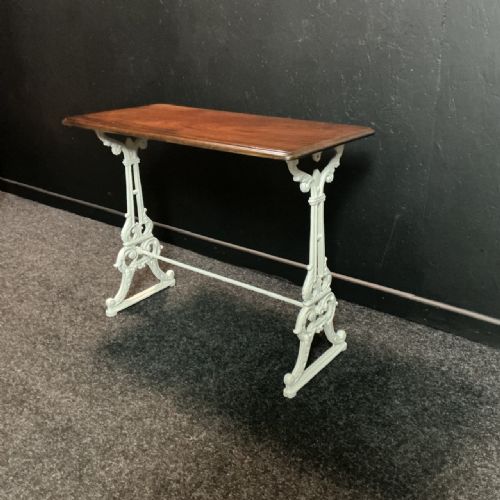
The category also encompasses specialised utilitarian forms, including pub tables and adjustable stands designed for domestic use. Buyers find both simple occasional tables and more decorative designs featuring detailed metalwork.
Materials and Construction
Foundries produced the heavy support structures using molten metal poured into moulds, creating intricate patterns and rigid frames. These cast iron bases provide substantial weight and stability, ensuring the furniture remains firmly planted.
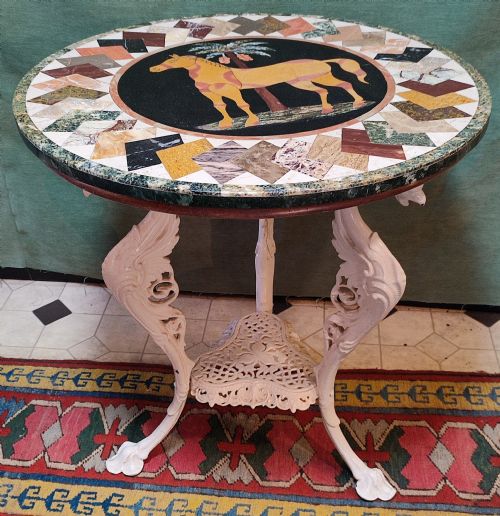
Wood elements such as oak, walnut, and pine were joined to the metal frames using traditional carpentry methods. Stone surfaces like specimen marble also appear, fitted directly into the cast iron surrounds to create durable display spaces.
Edwardian Cast Iron Table Retail Price Guide 2026
Typical asking prices for edwardian cast iron table among the pieces listed under this phrase on Sellingantiques today, from the lower quarter to the upper quarter. They describe what is for sale here now, not the wider market.
Some iron bases disguise themselves as plant stems or twisting ribbons, bringing botanical life into solid metal.
Assessing the Pieces
Quality rests in the crispness of the cast iron detail and the integrity of the fitted top, whether timber or marble. Finer examples display clean lines and well-defined ornamentation without distortion in the metal casting.
The relationship between the heavy metal base and the fitted surface determines the overall balance of the piece. Superior items maintain a tight connection between the frame and the top, showing careful attention during assembly.
Carters Of London·Archibald Knox
The Edwardian Cast Iron Table Glossary
- Cast Iron
- A hard alloy of iron and carbon that is poured into moulds while molten to create durable frames and decorative bases. It provides the heavy foundation characteristic of these tables.
- Conservatory Table
- A piece of furniture designed for light-filled glass rooms, often combining weather-resistant metal bases with marble or timber tops. These items suited the horticulture and leisure habits of the period.
- Specimen Marble
- Multi-coloured decorative stone assembled from various geological samples to create a patterned tabletop. It frequently appears on tables intended for display or formal use.
- Occasional Table
- A small, portable piece of furniture designed for specific, intermittent tasks rather than permanent placement. They serve varied functions around the domestic interior.
Edwardian Cast Iron Table: Frequently Asked Questions
Where were these tables used?
These pieces served practical functions in domestic interiors, conservatories, and commercial establishments like pubs and shops.
Their robust construction made them suitable for spaces requiring durable, stable furniture that could handle daily demands.
How do I care for the metal base?
Maintain the cast iron by keeping it dry and occasionally applying a light protective wax to preserve the dark surface.
Avoid harsh chemical cleaners that might strip the original finish from the metal.
Are marble tops original?
Many tables retain their fitted stone surfaces, which were chosen for their durability and decorative appearance in domestic settings.
Inspect how the marble rests within the iron frame to understand its construction context.
How do I distinguish Edwardian from Victorian examples?
Edwardian pieces often display lighter decorative motifs inspired by Art Nouveau or Arts and Crafts designs.
Victorian items typically rely on heavier proportions and more ornate, traditional ornamentation.