





Antique Conservatory Table
An antique conservatory table brings botanical charm indoors, offering sturdy ironwork and stone or timber tops for plants and tea.
Antique Conservatory Table
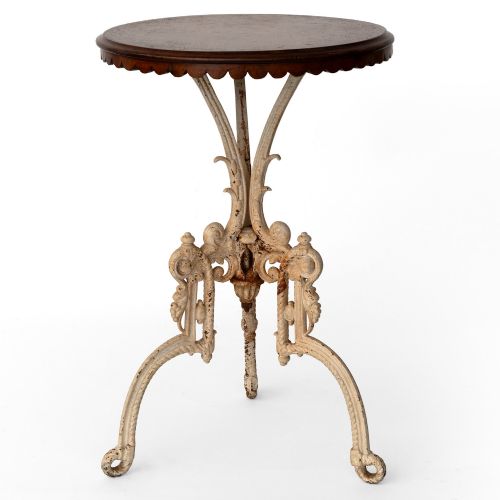
An antique conservatory table serves light-filled garden rooms, orangeries and verandas, functioning as a surface for display, potting or social gatherings. The pieces seen here span the nineteenth and early twentieth centuries, including the Victorian and Edwardian eras.
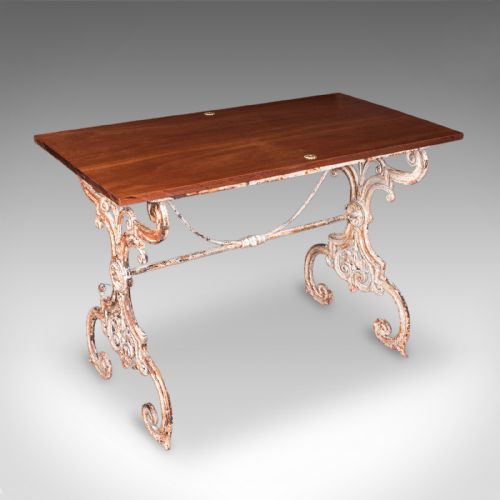
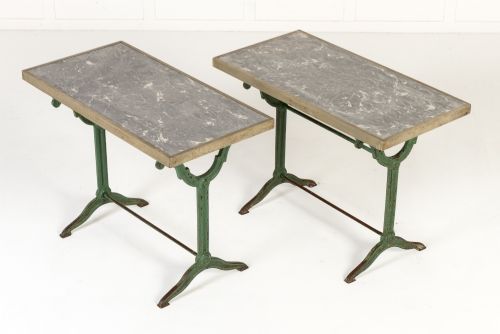
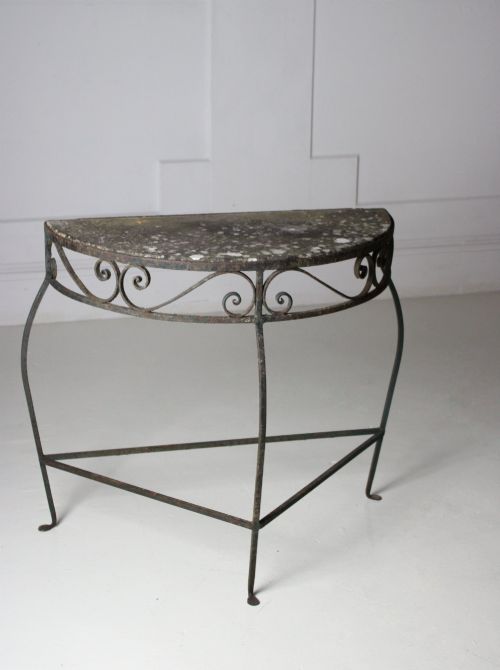
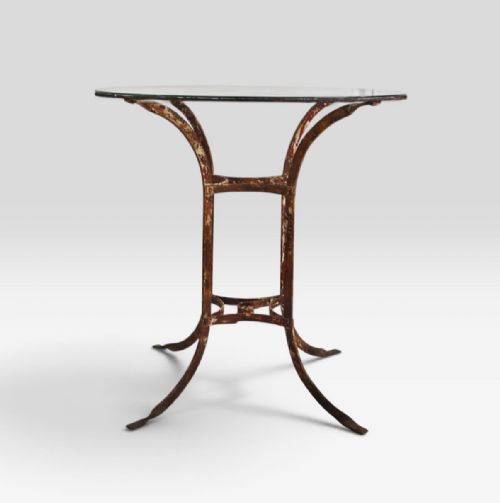
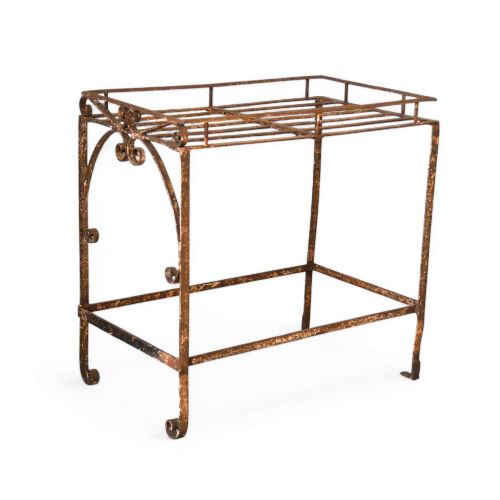
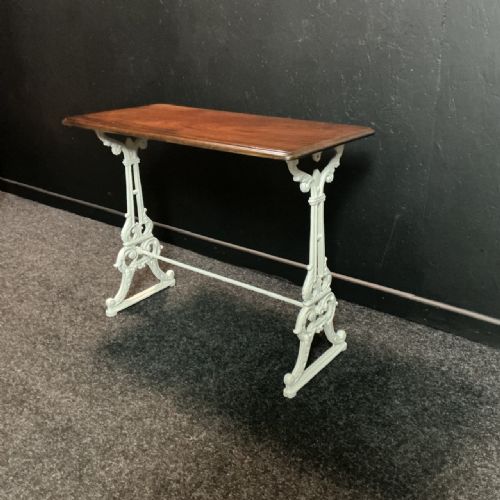
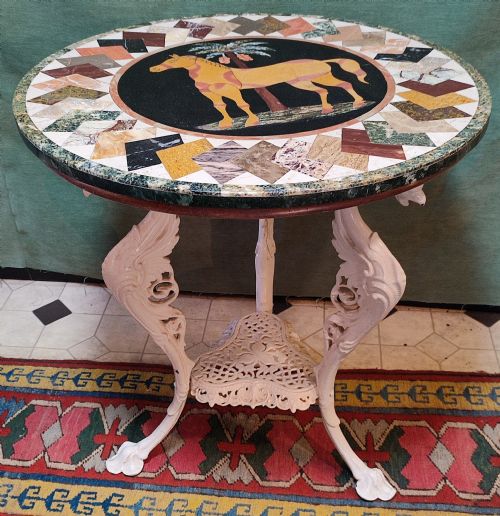
The form covers a wide range of types from this inventory, including console tables, side tables, garden tables, plant stands and occasional tables. Buyers frequently encounter robust cast iron or wrought iron frames paired with marble or timber surfaces.
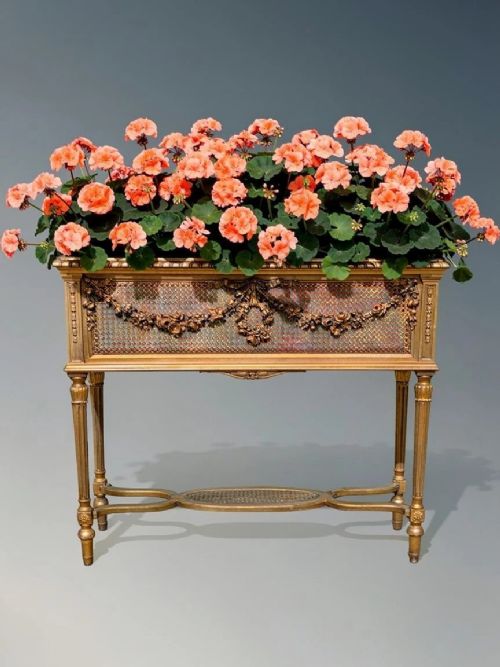
Origins stretch across English country houses and French provincial settings, capturing an aesthetic designed to bridge interior comfort with outdoor greenery. Pieces range from simple utilitarian potting benches to decorative giltwood and cane planters.
How they were made
Makers utilised durable metals for the structural framework, predominantly casting or forging iron into scrollwork, strap work and rigid supports. These metal bases often received protective or decorative coatings, including verdigris copper tops or painted finishes.
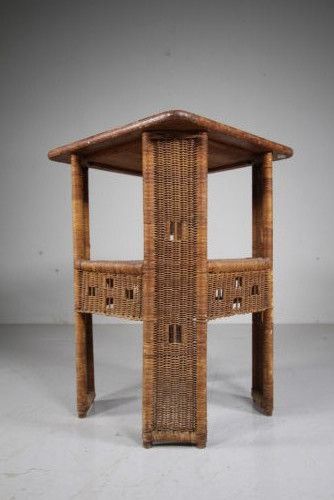
Surfaces combined weight and texture through slabs of marble, alabaster or specimen stone resting securely upon heavy metal bases. Alternatively, domestic warmth entered through timber tops in oak, cedar and mahogany, alongside woven materials like cane, wicker, rattan and Lloyd loom.
Antique Conservatory Table Retail Price Guide 2026
Typical asking prices for conservatory table among the pieces listed under this phrase on Sellingantiques today, from the lower quarter to the upper quarter. They describe what is for sale here now, not the wider market.
Listings demonstrate a strong presence of cast iron frames paired with white and specimen marble tops from the Victorian period.
What varies in quality
Quality rests upon the ambition of the ironwork and the integrity of the materials combined in construction. Finely detailed scrollwork and heavy cast iron bases indicate superior workshop production compared to plain, utilitarian frames.
The choice of top elevates a piece, with thick specimen marble or rich mahogany showing higher design ambition than basic wooden boards. Maker attribution, such as documented English wicker work, also separates standard regional items from notable workshop outputs.
Dryad of Leicester
The Antique Conservatory Table Glossary
- Jardiniere
- An ornamental stand or container specifically designed to hold plants and flowers within a room or conservatory. These pieces elevate greenery to eye level.
- Portico
- An architectural framework or structural style referenced in grander conservatory tables, denoting classical symmetry and presence. It points to architectural influences in nineteenth-century design.
- Verdigris
- A green patina that forms naturally on copper or brass surfaces through atmospheric exposure. This finish appears frequently on antique garden and orangery tables.
- Britannia table
- A specific Victorian table design featuring a heavy cast iron pedestal base paired with a circular wooden top. They were widely used in domestic and commercial settings.
- Strap work
- Ornamental metalwork formed of flat strips arranged in geometric or scroll patterns. It provides structural bracing and decorative relief on iron table bases.
Antique Conservatory Table: Frequently Asked Questions
What is an antique conservatory table?
An antique conservatory table is a sturdy piece of furniture designed for sunrooms, orangeries and verandas to support plants and daily use.
They combine weather-resistant metal frames like cast iron with decorative tops in marble, wood or woven materials.
How were these tables used originally?
These tables served practical roles as potting benches or planting surfaces while functioning as decorative stands for ferns and floral displays.
Households also utilised them for casual tea and light dining within glasshouse environments.
Can I use an antique conservatory table outdoors?
Many iron and stone pieces tolerate sheltered outdoor conditions well due to their original garden-use design.
However, delicate elements like cane, wicker or polished wood tops require protection from direct rain and frost.
How do I tell Victorian from Edwardian tables?
Victorian examples often feature heavier cast iron scrollwork and formal classical proportions suited to grand nineteenth-century glasshouses.
Edwardian pieces frequently lean towards lighter wicker, rattan and refined plant stands reflecting changing domestic leisure.