





19th Century Bistro Table
A 19th century bistro table brings French and Scandinavian café culture into a modern home, prized for its durable cast iron and marble construction.
19th Century Bistro Table
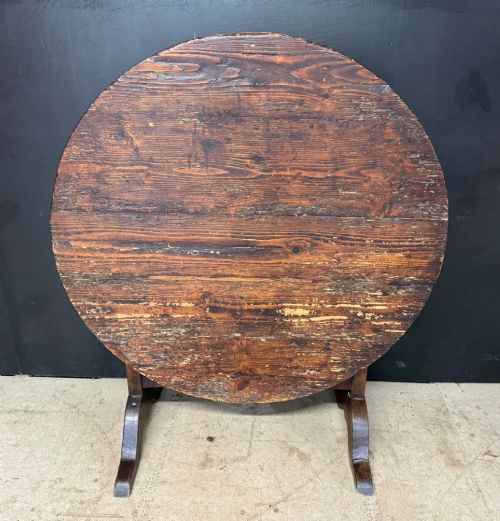
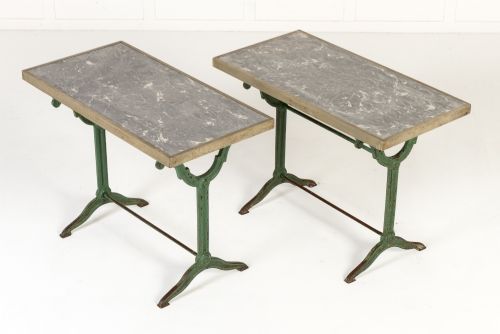
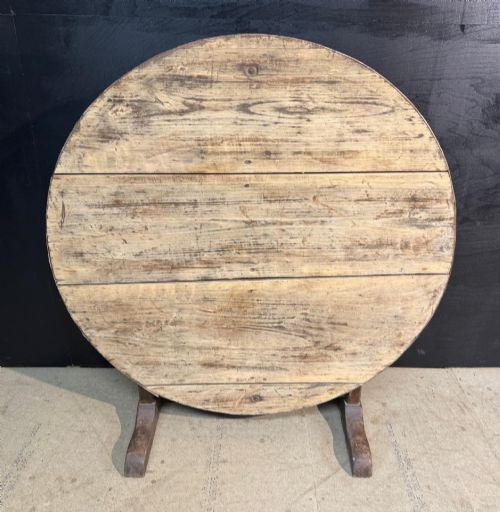
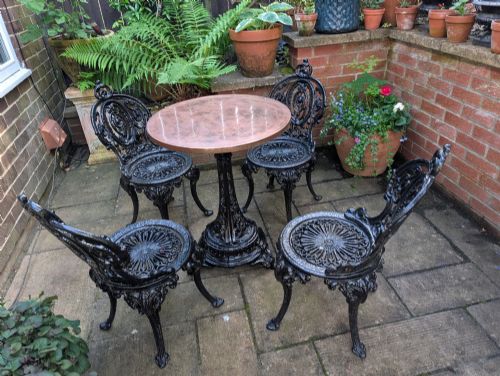
A 19th century bistro table is a robust and compact piece originally designed for commercial cafés, wine production, and garden use across Europe. You are most likely to meet round marble-topped examples with cast iron pedestals, alongside folding wooden vendange and patisserie tables.
The selections span from the 1850s through to the 1920s, reflecting Victorian, French Provincial, and Scandinavian Country aesthetics. These pieces function easily as small dining tables, side tables, and conservatory furniture in contemporary spaces.
How They Were Made
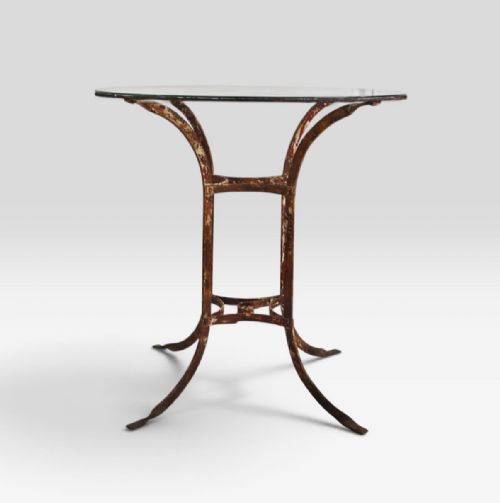
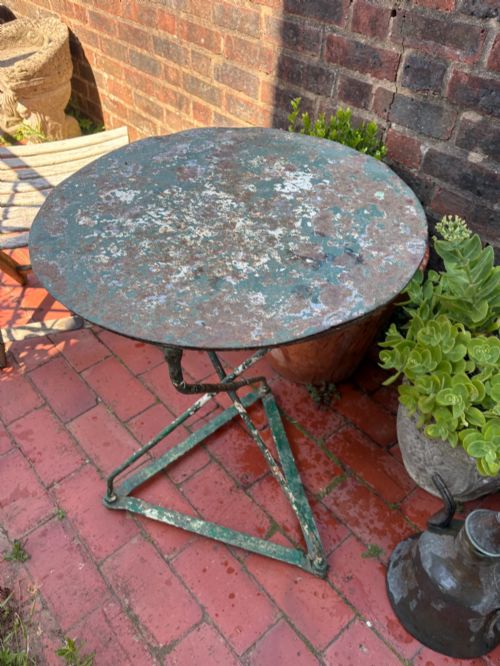
Foundry-cast iron forms the structural base of many pieces, often shaped into ornate pedestals or three-legged frames designed to stand firm on uneven floors. Wrought iron and wirework also appear, shaped by hand to create lighter garden and café furniture.
Tops utilise heavy white marble or native hardwoods such as cherry and oak, sometimes paired with brass trim. Painted finishes in green and other tones protect the metalwork, while folding mechanisms on vendange tables rely on clever wooden and iron hinges.
19th Century Bistro Table Retail Price Guide 2026
Typical asking prices for 19th century bistro table among the pieces listed under this phrase on Sellingantiques today, from the lower quarter to the upper quarter. They describe what is for sale here now, not the wider market.
Some tables spent their youth holding morning croissants before ending up in twenty-first-century hallways.
What Varies in Quality
The distinction between standard utility items and finer examples lies in the crispness of the iron casting and the quality of the stone. Elaborate pierced work on pedestals and genuine thick marble slabs indicate higher status manufacture.
Condition and originality separate preserved pieces from heavily altered ones, particularly regarding the survival of original paint surfaces and the integrity of wooden folding joints.
The 19th Century Bistro Table Glossary
- Bistro table
- A small café table designed for seating two to four people. They typically feature a central pedestal base to maximise legroom.
- Vendange table
- A large wooden harvest or wine-gathering table with folding legs for easy storage. They frequently combine cherry and oak timbers.
- Gueridon
- A small round occasional table supported by a single central pillar or pedestal. The form dates back to the seventeenth century but remains common in nineteenth-century French pieces.
- Wirework
- Furniture constructed from woven and bent metal wire. This technique gained popularity in the Victorian era for garden and conservatory seating.
19th Century Bistro Table: Frequently Asked Questions
How were bistro tables originally used?
These tables served customers outside Parisian cafes and wine bars, where their compact size allowed staff to clear terraces quickly.
They also functioned as practical work surfaces in French vineyards and patisseries during harvest and preparation seasons.
Can I use a marble top table outside?
Marble withstands outdoor conditions well if protected from harsh freezing temperatures that can crack moisture-laden stone.
Cast and wrought iron frames handle the elements effectively, though painted surfaces require occasional maintenance to prevent oxidation.
How do I identify a French bistro table?
French examples often feature distinctive cast iron bases stamped with foundry marks, paired with Carrara-style white marble tops.
They frequently embody regional styles like French Provincial or Rococo Revival through curved legs and decorative apron mounts.
What is a patisserie table?
A patisserie table is a specialised commercial work table from a nineteenth-century French cake shop or bakery.
These pieces typically feature hygienic marble working surfaces combined with sturdy wooden or iron frames to support heavy baking tasks.