

Victorian Iron Garden Table
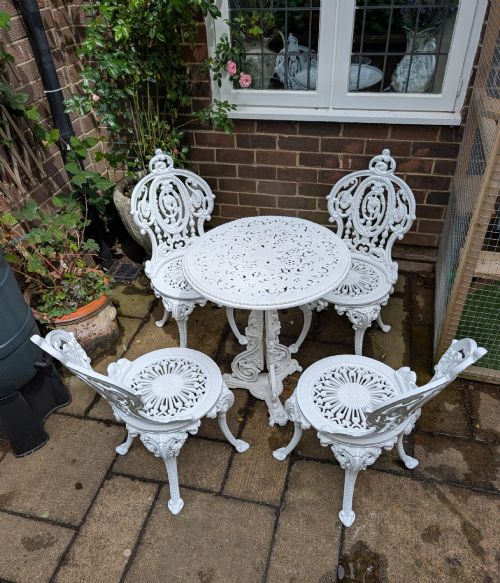
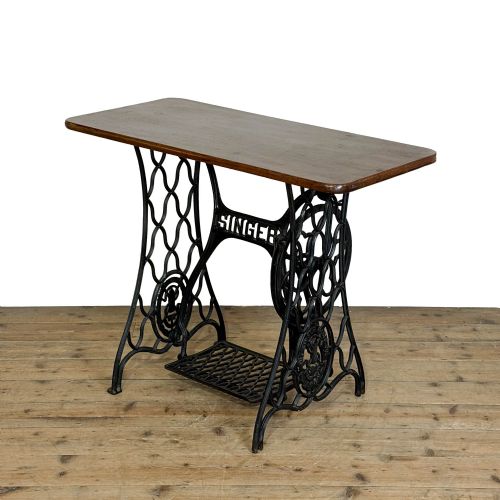
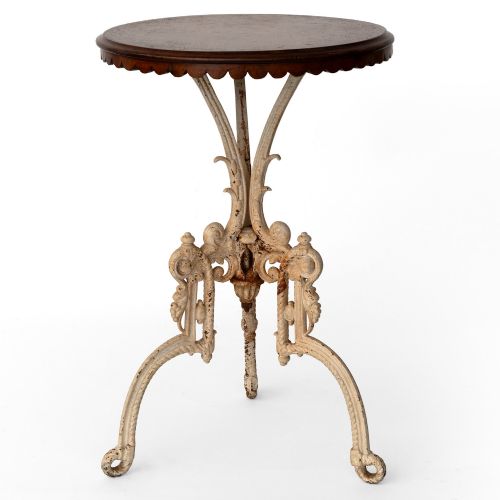
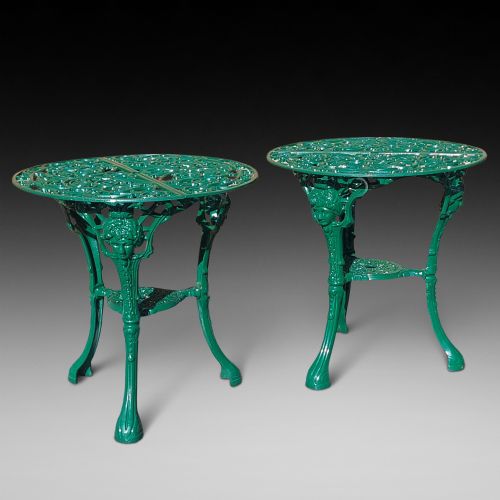
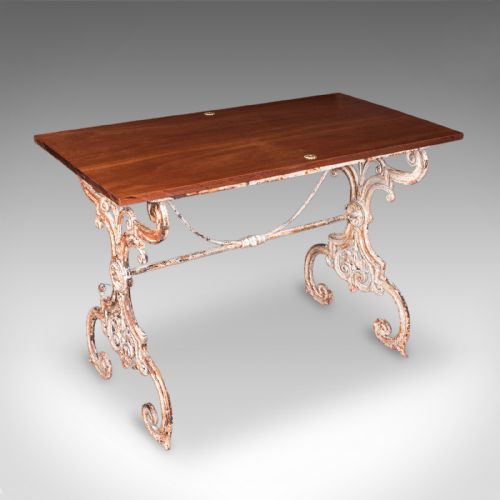
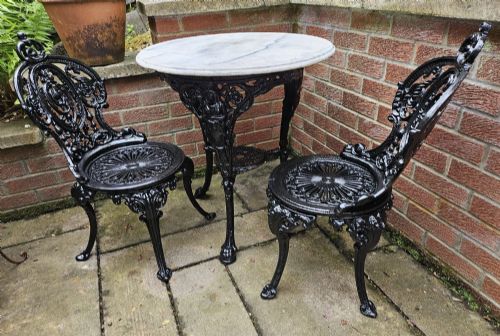
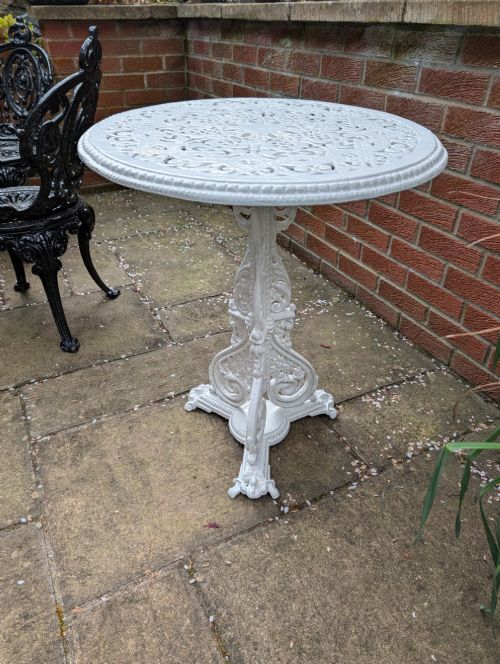
These pieces are a victorian iron garden table, built for outdoor terraces and conservatories to offer a sturdy surface with decorative openwork metal bases.
Victorian Iron Garden Table
When searching for a victorian iron garden table, collectors encounter pieces primarily originating from the nineteenth century, including specific periods such as the Edwardian era and the year nineteen thirty. These items encompass garden tables, bistro sets, console tables, and occasional furniture designed for exterior and conservatory use.
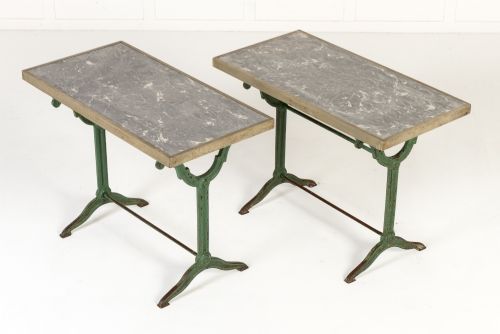
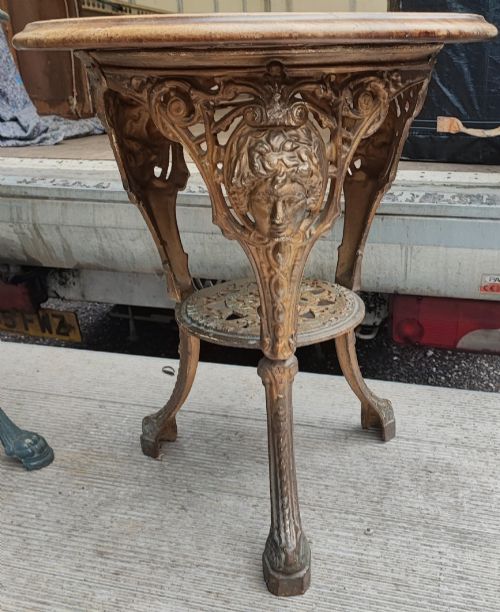
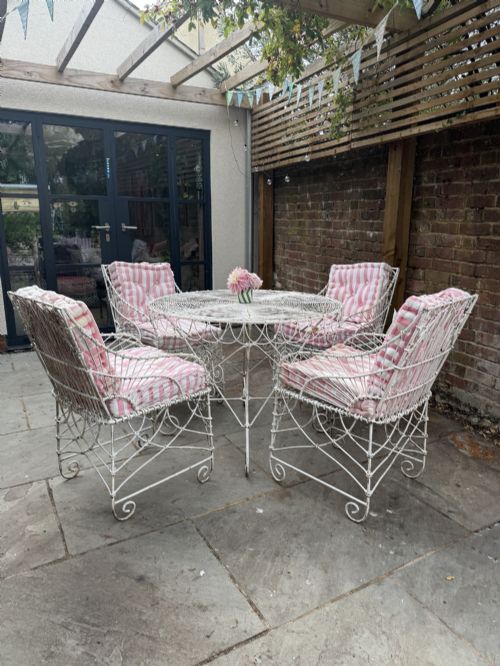
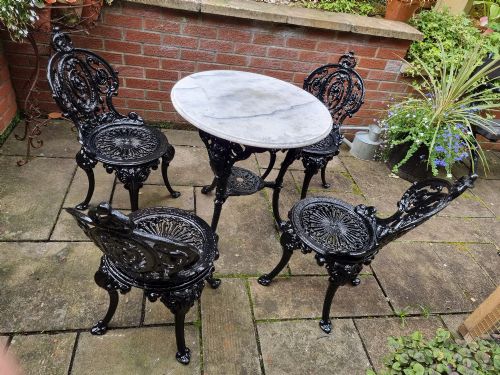
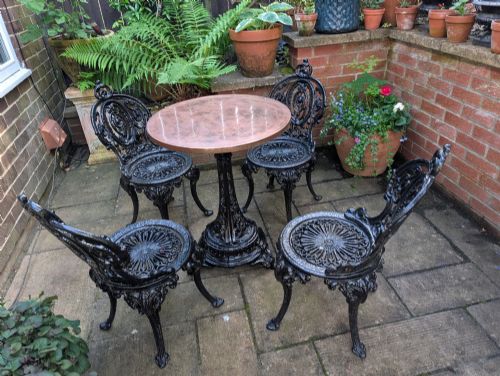
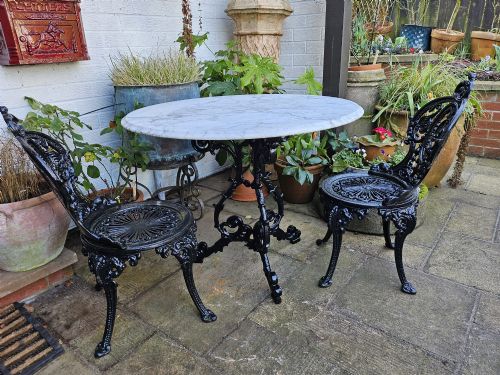
The most common formats on this page include heavy cast-iron frames paired with marble tops, wooden surfaces, or granite slabs. Tables frequently appear alongside matching chairs or as standalone items with intricate scrollwork, strapp work, and Britannia designs.
Origins stretch across English country houses, pubs, and French cafes, resulting in diverse forms ranging from small round tavern tables to long dining sets and plant stands. The structures rely on robust metal foundations intended to withstand outdoor elements while providing decorative architectural character.
What varies in quality
The distinction between standard examples and superior pieces rests upon the crispness of the casting detail and the attribution of the design. Workshops that employed specific designer patterns or integrated heavy polished marble and granite slabs represent the higher tier of production.
Original surface preservation and the integrity of the fitted tabletops separate utilitarian items from fine conservatory pieces. Tables retaining their early painted coats and matching original chairs achieve greater architectural cohesion.
Victorian Iron Garden Table Retail Price Guide 2026
Typical asking prices for victorian iron garden table among the pieces listed under this phrase on Sellingantiques today, from the lower quarter to the upper quarter. They describe what is for sale here now, not the wider market.
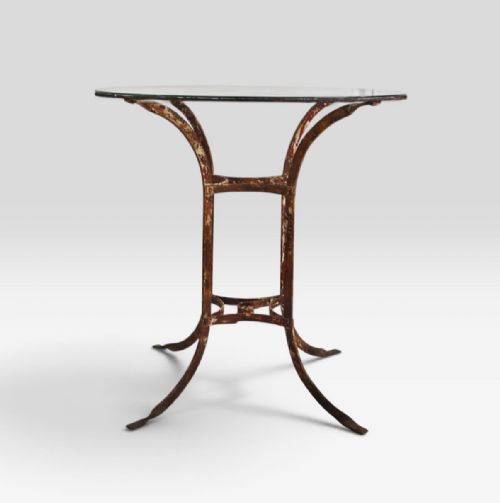
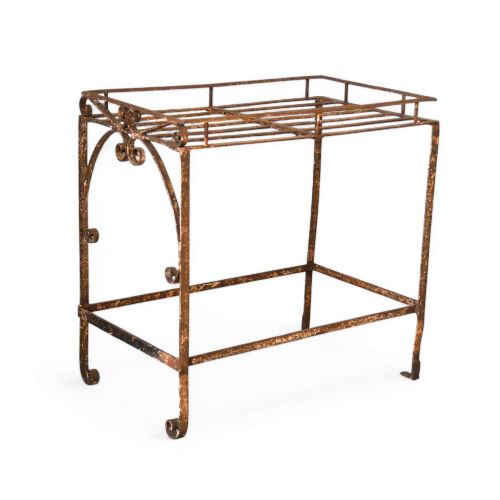
Materials recorded across the inventory include cast iron, wrought iron, marble, granite, mahogany, pine, cedar, wirework, and painted finishes.
Christopher Dresser
The Victorian Iron Garden Table Glossary
- Cast iron
- A strong, hard alloy of iron and carbon poured into moulds to create intricate decorative patterns. This material forms the heavy structural bases seen on nineteenth-century tables.
- Britannia table
- A traditional pub table style featuring a heavy cast-iron pedestal base depicting the figure of Britannia. These tables were widely utilised in British public houses and gardens.
- Bistro table
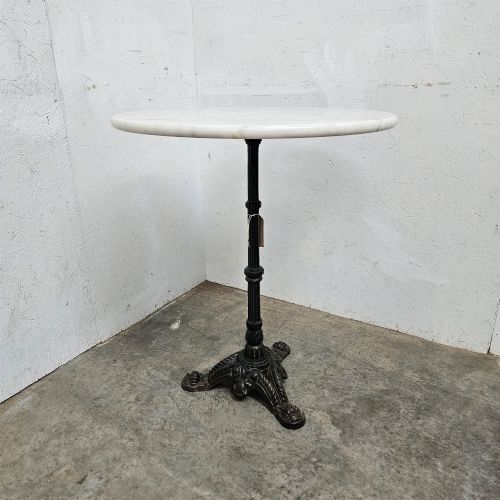
- A small café-style table designed for compact dining spaces. They frequently pair iron pedestals with round marble or wooden tops.
- Wirework
- Metal strands bent and woven into open, airy structural forms. This technique appears on Edwardian plant stands and conservatory furniture.
- Strapp work
- A decorative metalwork pattern resembling interlaced leather straps. It provides geometric ornamentation on nineteenth-century garden table frames.
Victorian Iron Garden Table: Frequently Asked Questions
Where were these tables originally used?
These tables served primarily in nineteenth-century gardens, pub courtyards, and glazed conservatories where weather-resistant metal frames were practical.
Domestic settings also included orangeries and patios, providing a sturdy surface for plants, drinks, and outdoor dining.
Can these tables stay outside year round?
Cast iron and wrought iron withstand outdoor conditions well, though heavy frost can affect stone tops and painted finishes.
Storing marble or wooden surfaces indoors during winter months helps preserve the materials and original patination.
How do I identify a nineteenth century piece?
Early pieces display heavier casting proportions, traditional construction methods, and period-specific motifs like Britannia figures or registered design patterns.
Surface wear, old paint layers, and hand-finished details provide further indication of nineteenth-century manufacture.
What surfaces are paired with iron bases?
Original tables feature tops made from white marble, polished granite, mahogany, pine, and cedar depending on their intended domestic or commercial use.
Marble and granite were favoured for conservatory and cafe settings due to their cool, wipe-clean surfaces.