
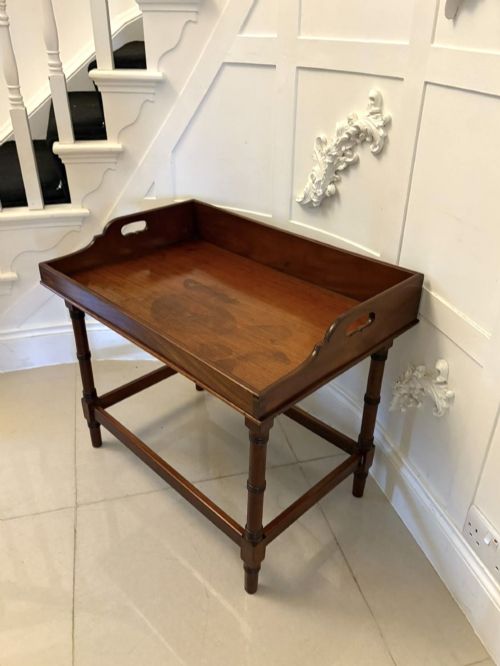
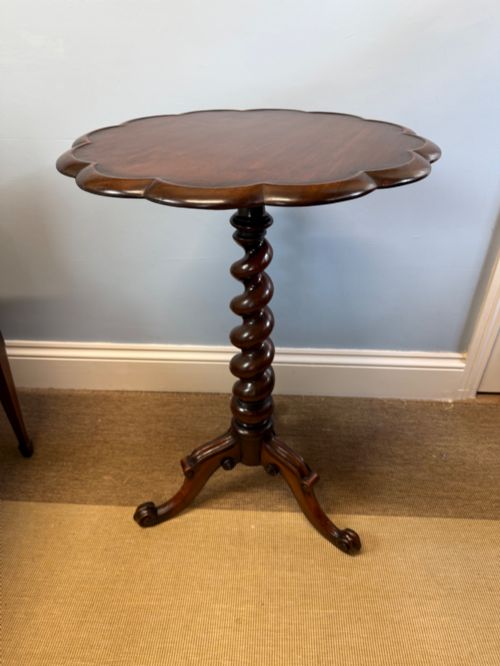
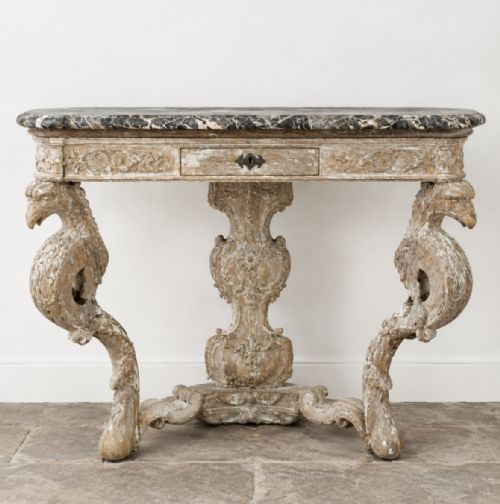
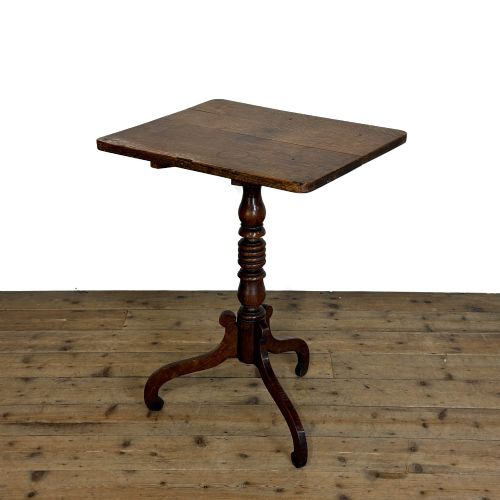
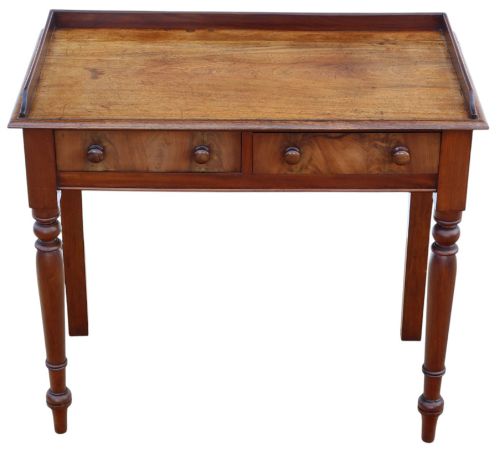
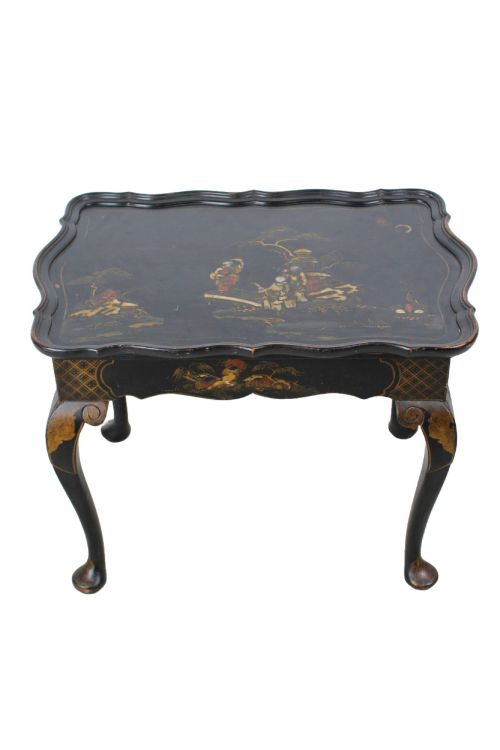
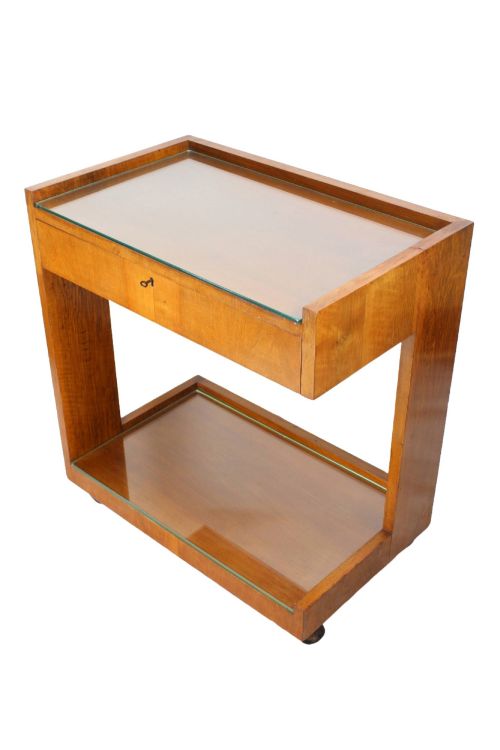
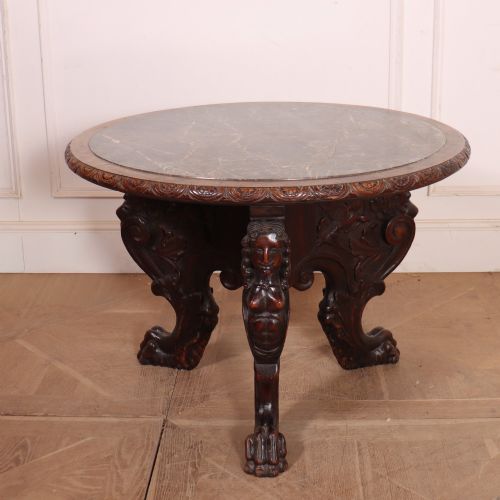
Wooden Top Side Table
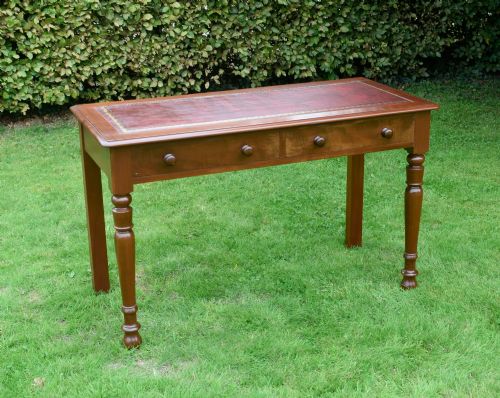
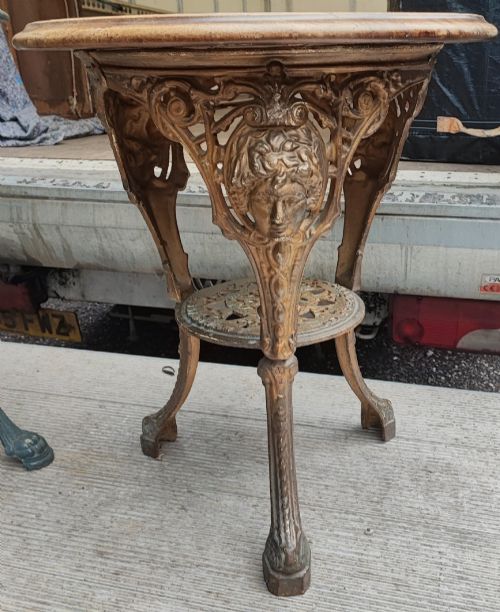
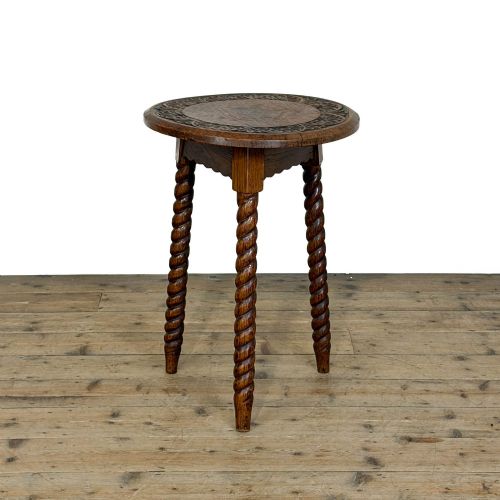
A wooden top side table provides a sturdy surface for a lamp or glass, spanning periods from the Georgian era to the Edwardian period.
Wooden Top Side Table
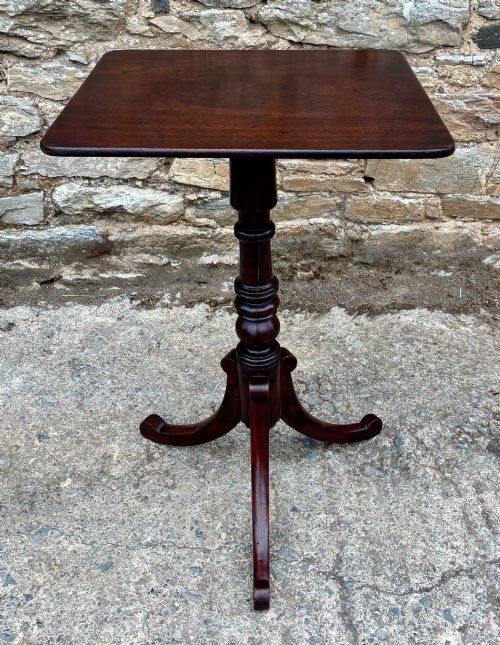
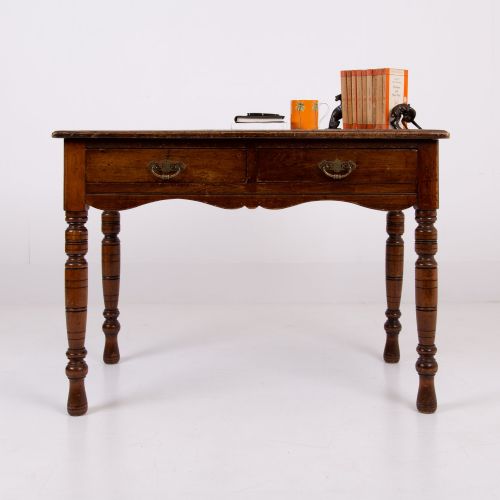
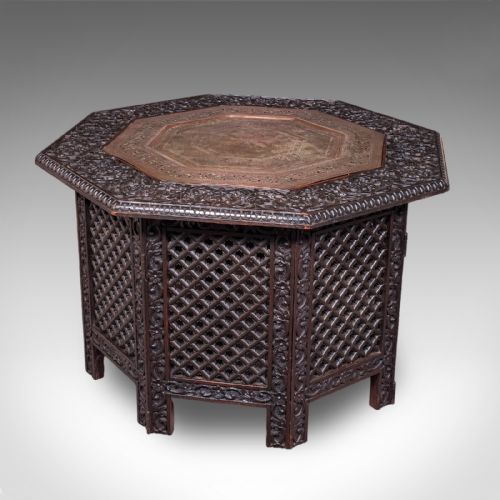
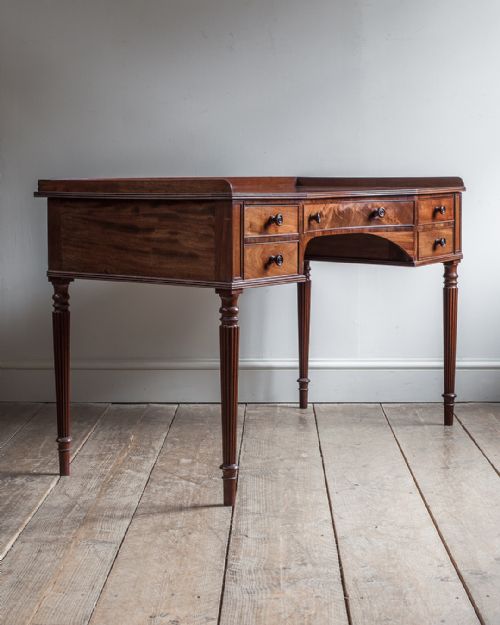
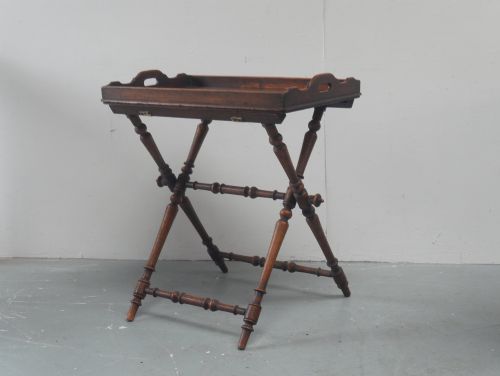
A wooden top side table is a versatile surface found in domestic interiors across multiple historical periods, including the Georgian, Victorian, and Edwardian eras. Buyers searching for a wooden top side table encounter forms ranging from simple tripod wine tables and occasional tables to console tables and writing desks.
The selection on this page relies heavily on 19th Century and Georgian examples alongside Edwardian pieces. These tables serve practical functions beside chairs or beds, utilising compact footprints suited to smaller spaces.
Construction varies from tilt-top pedestal designs with birdcage mechanisms to fixed rectangular side tables and occasional lamp tables. Woods such as mahogany, oak, walnut, and satinwood dominate the available selection, frequently accompanied by brass hardware or marble inserts.
How they were made
Cabinet makers utilised dense hardwoods like mahogany, oak, and walnut, frequently selecting figured veneers such as burr oak and burr walnut for prominent surfaces. Timber was seasoned carefully to prevent splitting before being shaped into solid tops or applied as veneers over secondary woods.
Joining techniques relied on traditional mortise and tenon joints for frames, while pedestals often incorporated sturdy tripod legs secured by wooden blocks or iron spider brackets beneath tilt-top mechanisms. Inlays of satinwood and painted decorations were applied by hand to enrich the surface appearance of Edwardian and Georgian pieces.
Some tables feature birdcage mechanisms so nimble they can spin a wine glass right off if you turn them too fast.
What varies in quality
Quality in a wooden top side table rests on the selection of timber and the precision of the cabinet work. Superior examples display carefully matched grain patterns across the top and clean, hand-cut joinery that remains tight without excessive modern glue.
The integrity of mechanisms such as tilt-top birdcage pivots or drop-leaf hinges determines the mechanical standard of the piece. Tables with crisp carved details, well-fitted drawers, and original brass fittings sit at the upper end of the scale compared to utilitarian or heavily altered pieces.
Gillows
The Wooden Top Side Table Glossary
- Tilt-top table
- A small table featuring a mechanism that allows the wooden top to pivot vertically when not in use, saving space in smaller rooms. This design was particularly popular for 18th and 19th-century wine and occasional tables.
- Tripod table
- A freestanding table supported by a single central pillar resting on three spreading feet. This construction provides stability on uneven historic floors.
- Birdcage mechanism
- A rotating wooden frame situated beneath the tabletop that allows the surface to both tilt and revolve. It represents a marker of superior joinery in pedestal tables.
- Occasional table
- A small, portable table designed for temporary use in various rooms rather than a fixed location. These pieces appear frequently in walnut, mahogany, and satinwood.
- Inlay
- A decorative technique where contrasting woods, brass, or shell are fitted into recesses flush with the surface. Satinwood stringing is a common example seen on Edwardian pieces.
Wooden Top Side Table: Frequently Asked Questions
What is a wooden top side table used for?
These tables provide a convenient surface for holding lamps, drinks, or books beside seating or beds. Their compact size makes them adaptable for placement in hallways, drawing rooms, or studies.
Historically, specific forms such as wine tables and occasional tables were moved around rooms as needed to serve occupants. Today they fulfil similar practical roles while adding period character to an interior.
What woods are common in these tables?
Mahogany is the most frequent timber encountered, prized for its strength and rich reddish-brown tone. Oak, walnut, and satinwood appear regularly across different stylistic periods.
Inlaid surfaces frequently incorporate exotic woods or fruitwoods to create contrasting decorative borders. Burr veneers provide rich, swirling grain patterns on table tops from the Victorian and Edwardian eras.
How do I care for an antique wooden table?
Maintain stable indoor humidity levels and keep wooden tables away from direct heat sources and strong sunlight to prevent timber splitting or fading. Regular dusting with a soft, dry cloth preserves the finish.
Avoid silicone-based polishes which can build up on historic surfaces over time. Occasional application of traditional beeswax helps nourish old timber without harming the patina.