


1930s Modernist Table
These pieces combine clean geometric lines and industrial materials, offering a functional centrepiece for the modern interior.
1930s Modernist Table
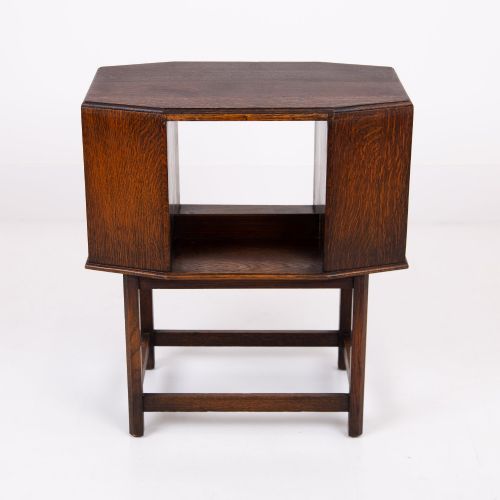
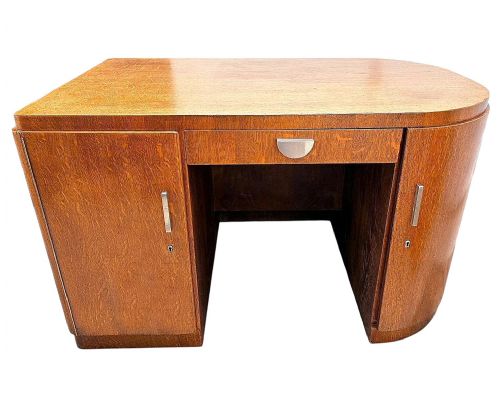
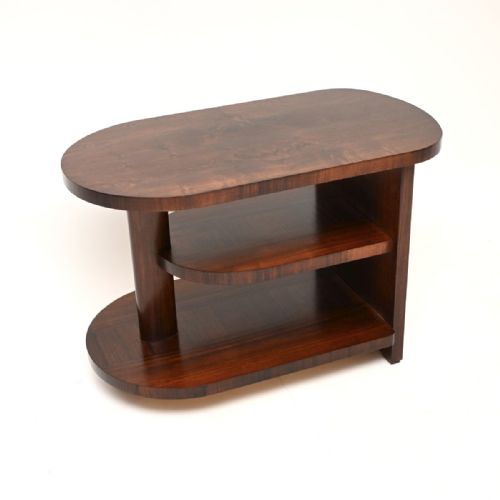
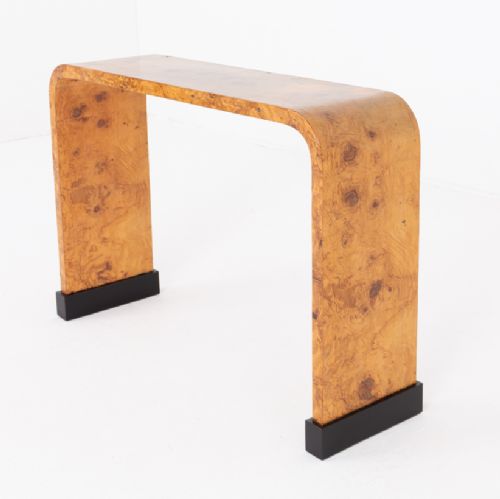
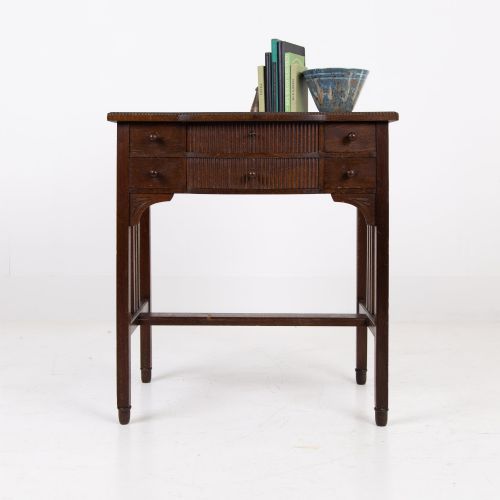
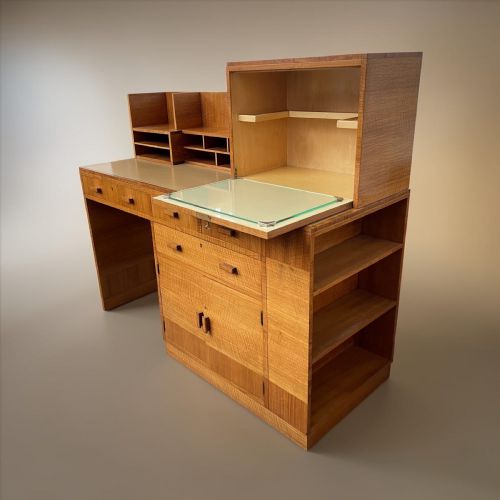
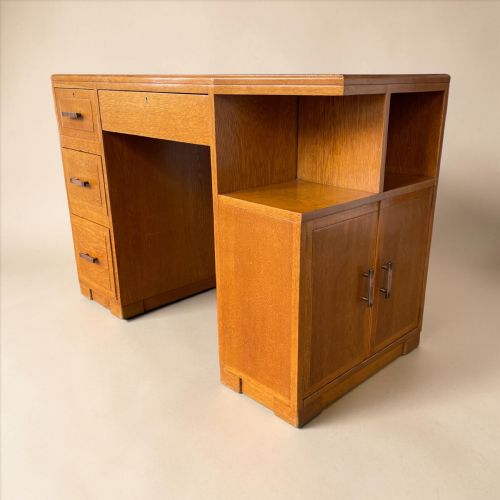
A 1930s modernist table encompasses functional items designed during a period of radical shift in domestic interiors, moving away from heavy Victorian ornamentation toward clean geometric lines. These pieces typically take the form of side tables, desks, coffee tables, and occasional tables designed for practical daily use.
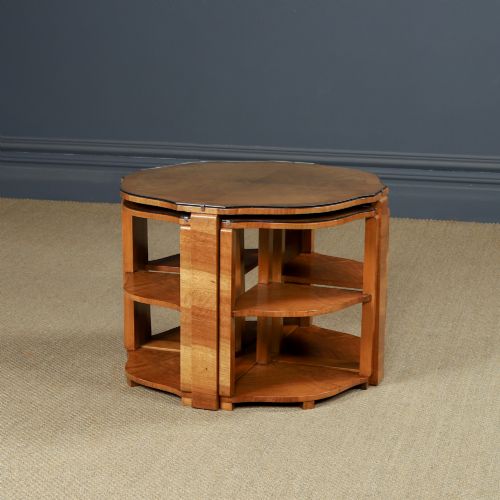
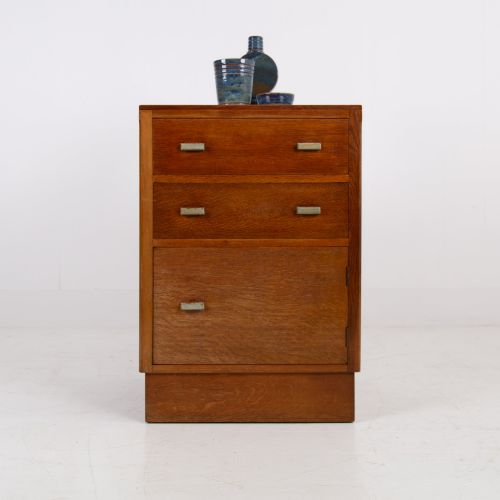
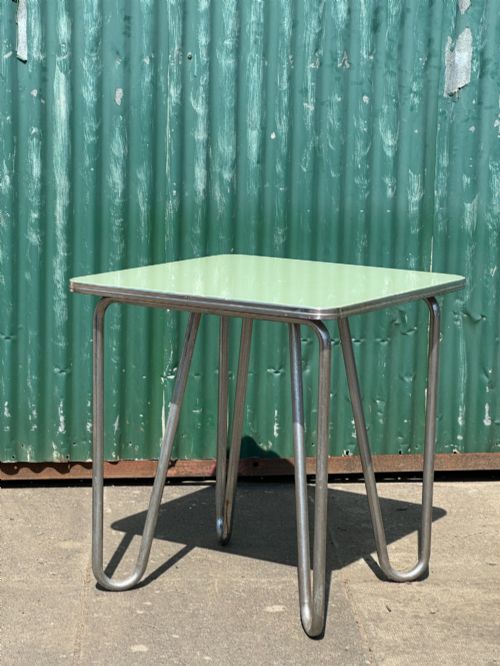
The versions most commonly met on this page combine architectural oak, walnut, or rosewood structures with industrial accents like chrome and glass. Designers of the era favoured utilitarian forms, often incorporating tiers, nesting capabilities, or built-in storage such as bookshelves and drawers.
Originating largely from English, French, and American workshops, these tables reflect the broader aesthetic movements of Art Deco and the Machine Age. They serve as both practical furniture and sculptural statements within a room.
How they were made
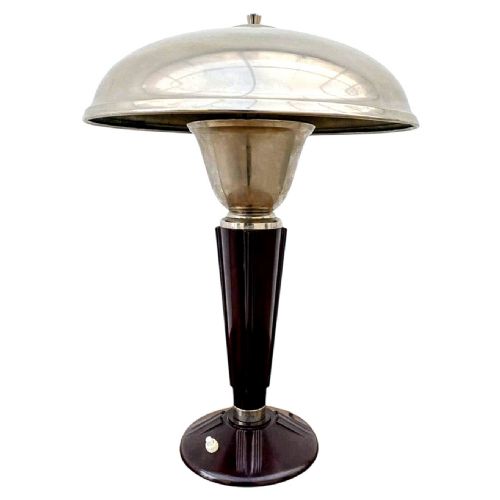
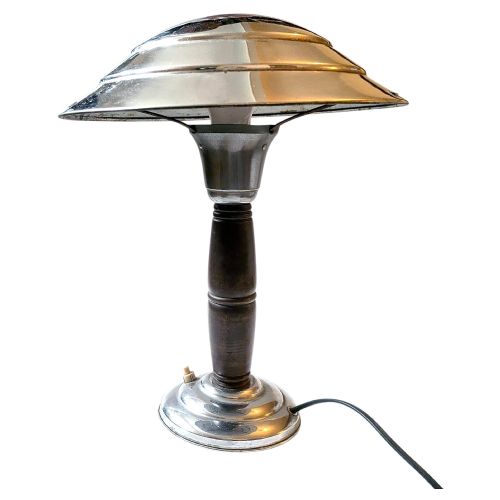
Makers utilised a combination of traditional cabinet-making timbers like oak, walnut, and ebony Macassar alongside modern industrial materials such as tubular chrome, brass, nickel, and moulded bakelite. Wood surfaces were frequently polished, limed, or veneered to highlight natural grain patterns, while metal components were plated for a bright, reflective finish.
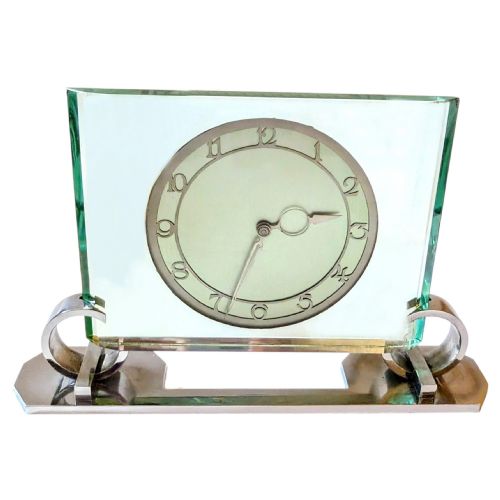
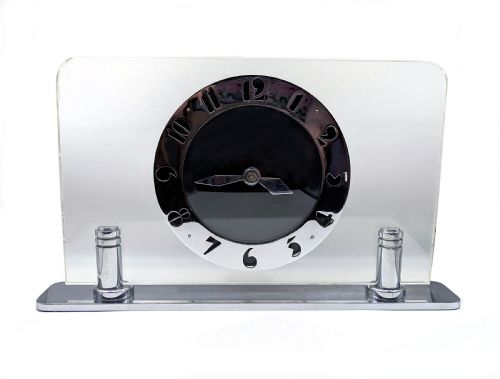
Construction techniques balanced sturdy joinery for wooden frames with innovative metal framing methods that allowed for sleek, cantilevered supports and tiered shelving. Glass tops and inserts were precision-cut to fit flush within metal or wooden bezels, creating smooth, unbroken planes characteristic of the era.
The listings show a strong presence of oak and walnut timbers combined with tubular chrome and glass.
What varies in quality
Quality in these pieces rests primarily on the integrity of the materials and the refinement of the design proportions. Pieces produced by notable designers or established firms demonstrate superior execution in the seamless integration of wood and metal, with tight veneer work and robust internal framing.
The choice of secondary materials also dictates the grade of the piece, where solid hardwoods and heavy-gauge chrome plating outperform simpler stained softwoods and thin painted metals. Attention to functional detail, such as smooth drawer movement, well-fitted nesting sets, and balanced tier construction, separates standard commercial production from finer workshop output.
Gomme·Heal's·Hille·PEL
The 1930s Modernist Table Glossary
- Bakelite
- An early form of synthetic plastic used extensively for knobs, clock housings, and lamp bases in this period. It is valued for its durability and rich, dark lustre.
- Macassar ebony
- A densely grained exotic wood featuring distinct dark brown and black stripes with warm yellowish-brown undertones. It was frequently utilised for high-end Art Deco cabinetwork.
- Machine Age
- A design aesthetic from the interwar period inspired by industrial machinery, transportation, and factories. It emphasises smooth metallic surfaces, chrome, and streamlined geometry.
- Nest of tables
- A set of graduated tables designed to fit neatly beneath one another when not in use. They provide versatile surface space in compact living areas.
- Occasional table
- A small, movable table intended for specific, temporary uses such as holding a lamp, book, or drink. These pieces often feature lightweight frames for ease of movement.
1930s Modernist Table: Frequently Asked Questions
Were these tables used in offices or homes?
They served multiple purposes across domestic and commercial interiors, acting as desks for studies, telephone tables for hallways, and cocktail or coffee tables for reception rooms.
Many designs were specifically proportioned for modern urban living, where multi-functional furniture was highly prized.
How should I care for chrome and wood?
Maintain wooden surfaces by dusting regularly with a dry cloth and applying appropriate wax or polish sparingly to preserve the natural grain and finish.
Clean chrome components with a soft cloth and mild soapy water, avoiding abrasive pads that can scratch the plated metallic surface.
What is the difference between Art Deco and Machine Age?
Art Deco leans toward decorative luxury, utilising exotic veneers, rich contrasting tones, and elegant styling tailored for sophisticated drawing rooms.
Machine Age aesthetics focus strictly on industrial efficiency, relying heavily on tubular steel, chrome, and unadorned geometric forms.