




17th Century Style Dresser
These pieces for a 17th century style dresser bring heavy timber and centuries of character straight into a modern room.
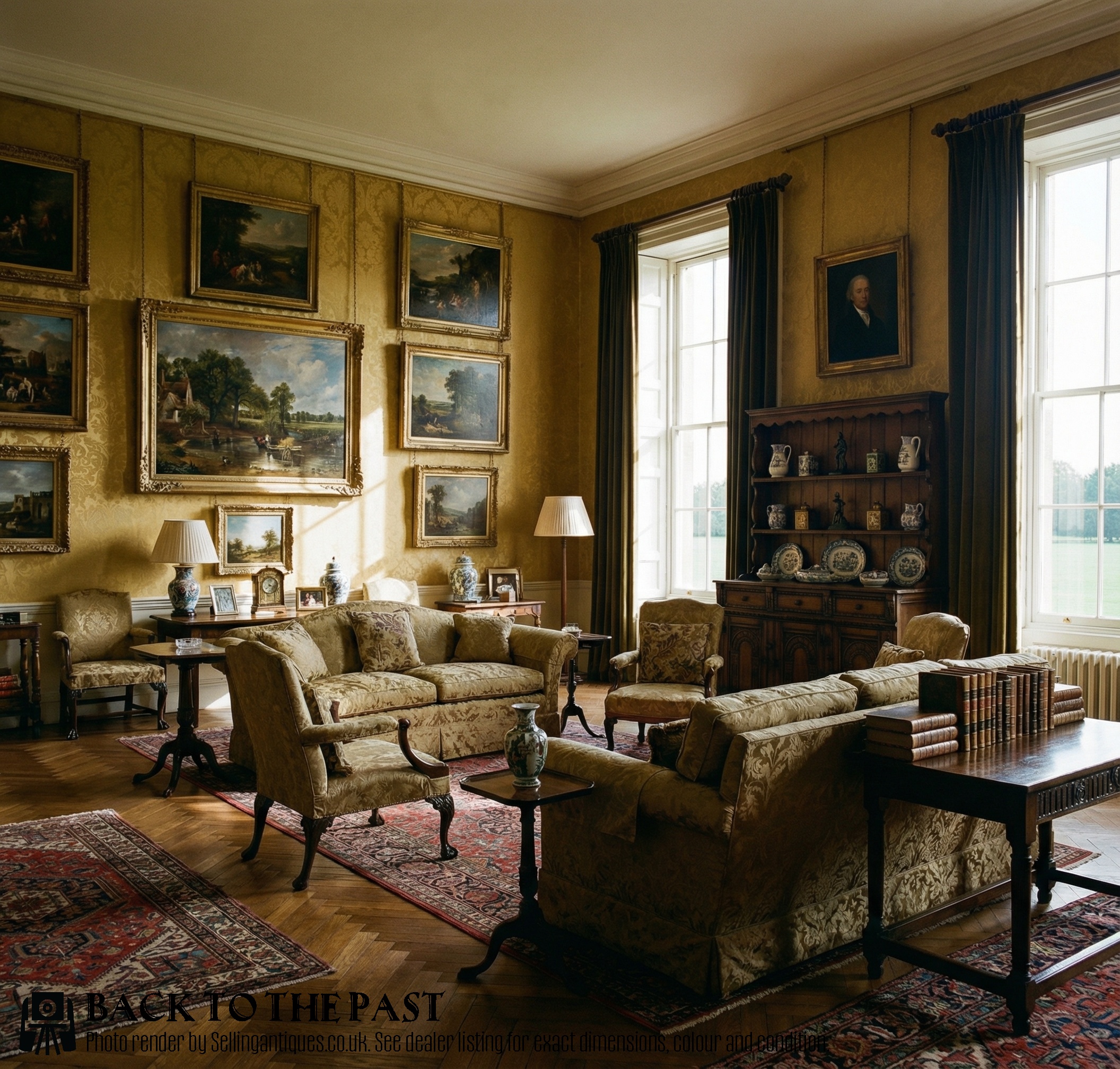
17th Century Style Dresser
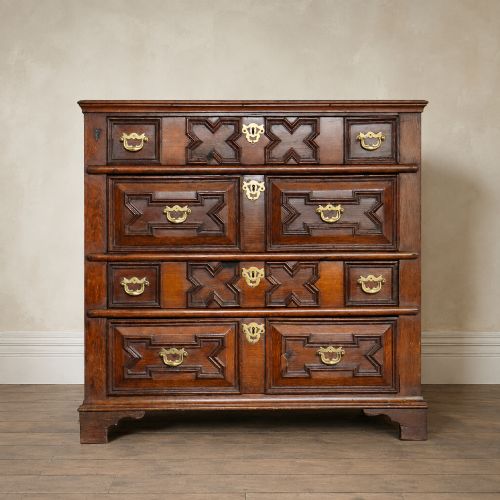
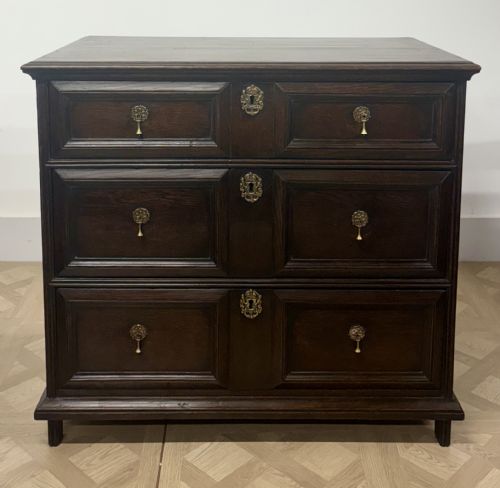
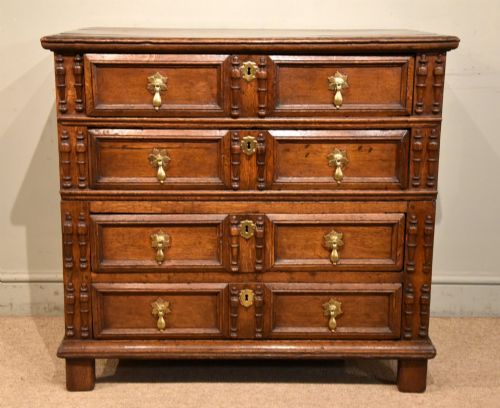
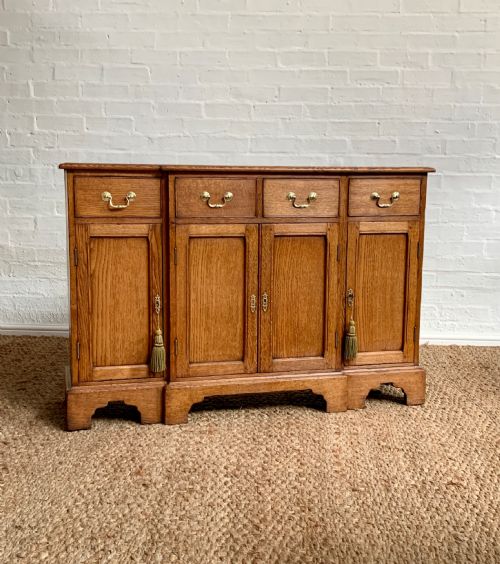
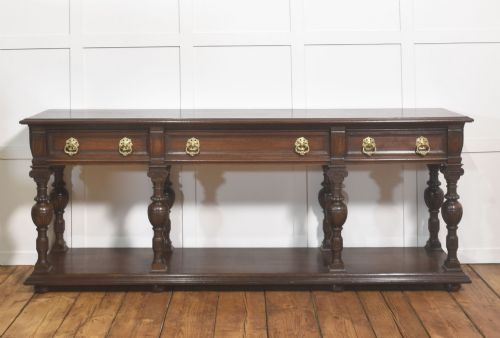
A 17th century style dresser brings together heavy timber storage and display forms that span several centuries of British furniture making. When you search for a 17th century style dresser, you encounter everything from genuine period survivals to later revival pieces made in the Victorian era and the early twentieth century.
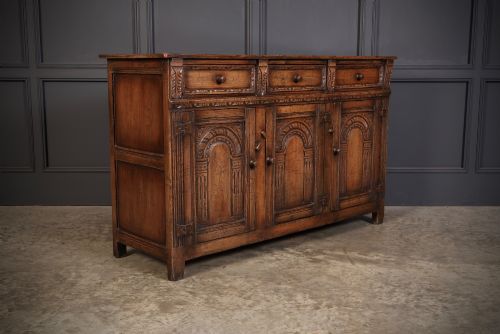
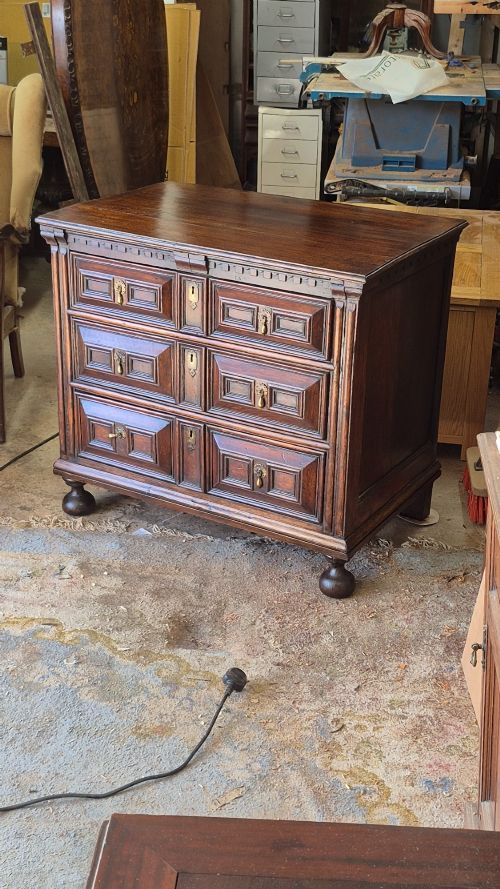
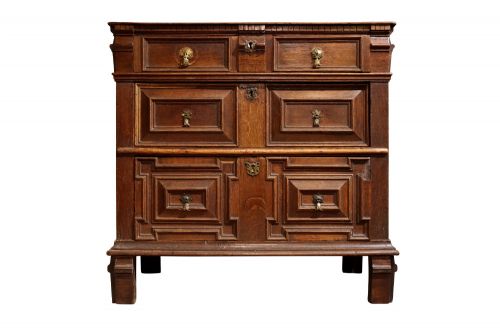
The versions you meet most frequently on this page include dresser bases, sideboards, and chests of drawers rooted in Jacobean, Charles II, and William and Mary designs. These range from plain oak formats to pieces with elaborate carved decoration and geometric block fronts.
Makers working in the nineteenth and twentieth centuries adopted these older idioms, producing side cabinets and court cupboards that echo seventeenth-century proportions. Consequently, the category covers both authentic early examples and revival interpretations built with the same traditional silhouettes.
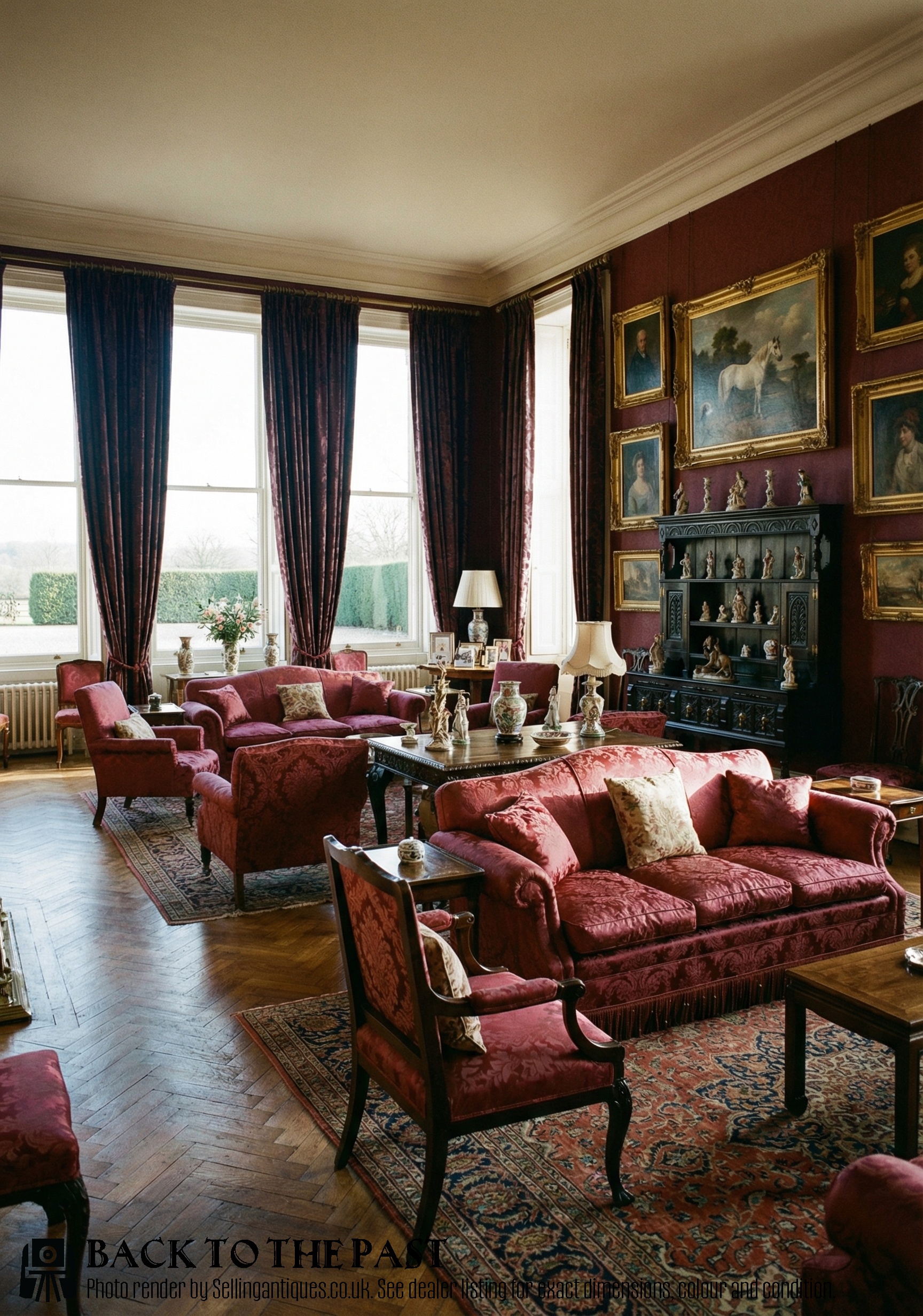
Materials and construction methods
Construction relies heavily on oak, alongside walnut, fruitwood, and occasional painted finishes applied to timber carcasses. Artisans utilised solid wood boards joined by traditional methods to build sturdy frames capable of supporting heavy crockery and provisions.
Surface detail depends on timber working techniques such as geometric moulding, inlaid veneers, and deep hand carving. Hardware fittings in brass and iron secure doors and drawers, completing the structural assembly.
17th Century Style Dresser Retail Price Guide 2026
Typical asking prices for 17th century style dresser among the pieces listed under this phrase on Sellingantiques today, from the lower quarter to the upper quarter. They describe what is for sale here now, not the wider market.
Listings feature oak, walnut, fruitwood, and painted oak, spanning the seventeenth century through to the nineteen-thirties.
What separates the tiers
Quality rests on the integrity of the timber, the depth and crispness of the hand carving, and the fidelity of the period style. Pieces featuring well-figured walnut, precise geometric mouldings, or deeply carved oak panels stand apart from simpler or later revival items.
The construction of the drawers and the condition of the original brass or iron hardware also influence the standing of a piece. Finer examples retain their original structural timber without excessive replacement parts, showing careful execution in every join.
The 17th Century Style Dresser Glossary
- Dresser base
- A low cabinet or sideboard fitted with drawers, historically used in the kitchen or dining hall for food preparation and storage.
- Jacobean Revival
- A nineteenth or twentieth century style that copies the heavy carved oak aesthetic of the early seventeenth century.
- Geometric moulding
- Raised wooden mouldings arranged in geometric patterns across drawer fronts, typical of the mid-to-late seventeenth century.
- Court cupboard
- A heavy enclosed wooden cupboard with tiers, used for displaying plate and storing valuables in period interiors.
- Block front
- A cabinet front divided into three vertical sections, where the central section recedes and the outer sections project.
17th Century Style Dresser: Frequently Asked Questions
How do I spot a revival piece?
Revival pieces often show machine-cut elements, standardised timber dimensions, and construction methods typical of the Victorian period or the early twentieth century.
Examining the interior timber and the backboards helps reveal whether a piece dates to the seventeenth century or was built centuries later in a historic style.
Were these dressers used in kitchens?
These forms served primarily in large dining halls and kitchens for storing victuals, tableware, and domestic utensils.
Over time, owners moved them into reception rooms and living spaces as display furniture for silver and ceramics.
What is a dresser rack?
A dresser rack is the open shelving superstructure designed to sit on top of a dresser base for displaying plates and platters.
Many bases survive without their original racks, which were easily separated or lost over centuries of domestic use.
How do I care for antique oak?
Antique oak benefits from consistent indoor humidity levels and protection from direct heat sources that can dry out the timber.
Applying a traditional beeswax polish occasionally helps nourish the wood and maintain a soft surface sheen without building up heavy residues.