
Dark Brown Sideboard
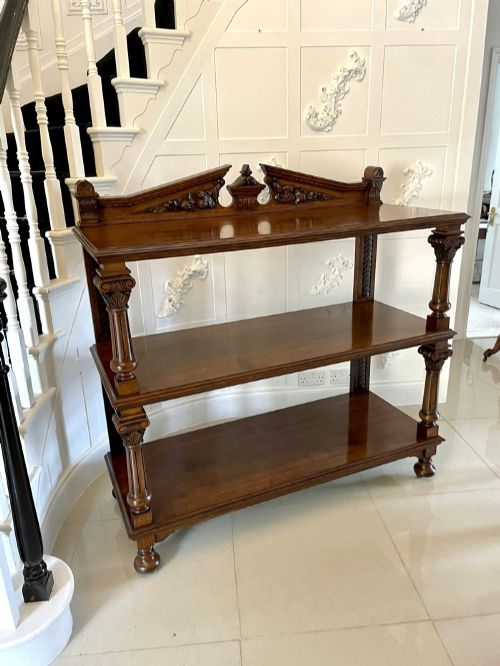
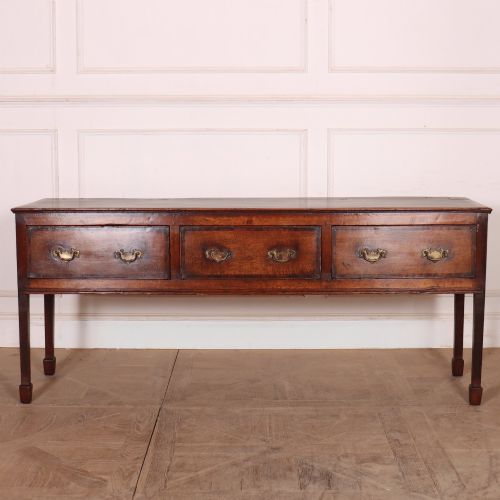
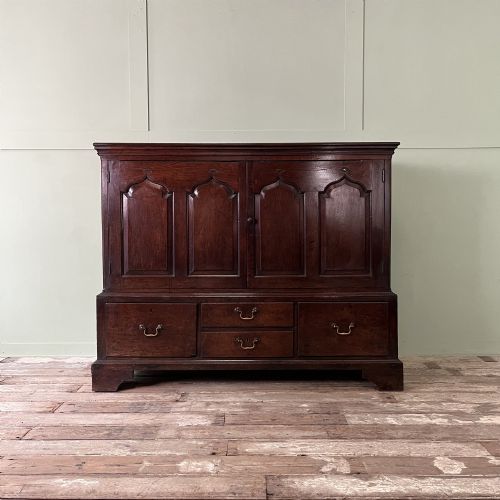
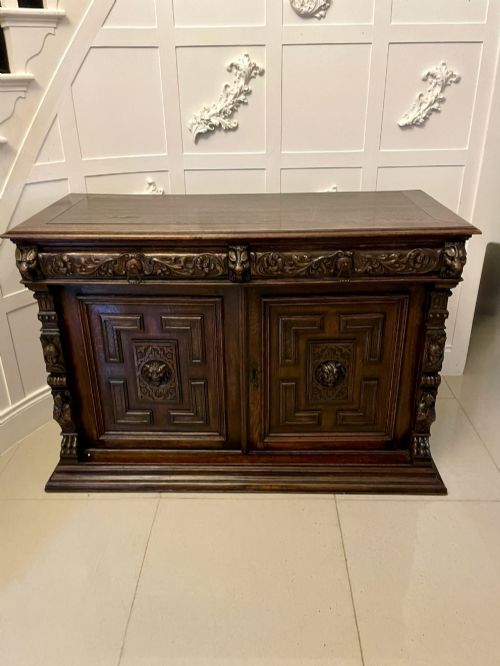
A dark brown sideboard anchors a room with deep timber tones, offering surface space and storage across centuries of cabinet-making.
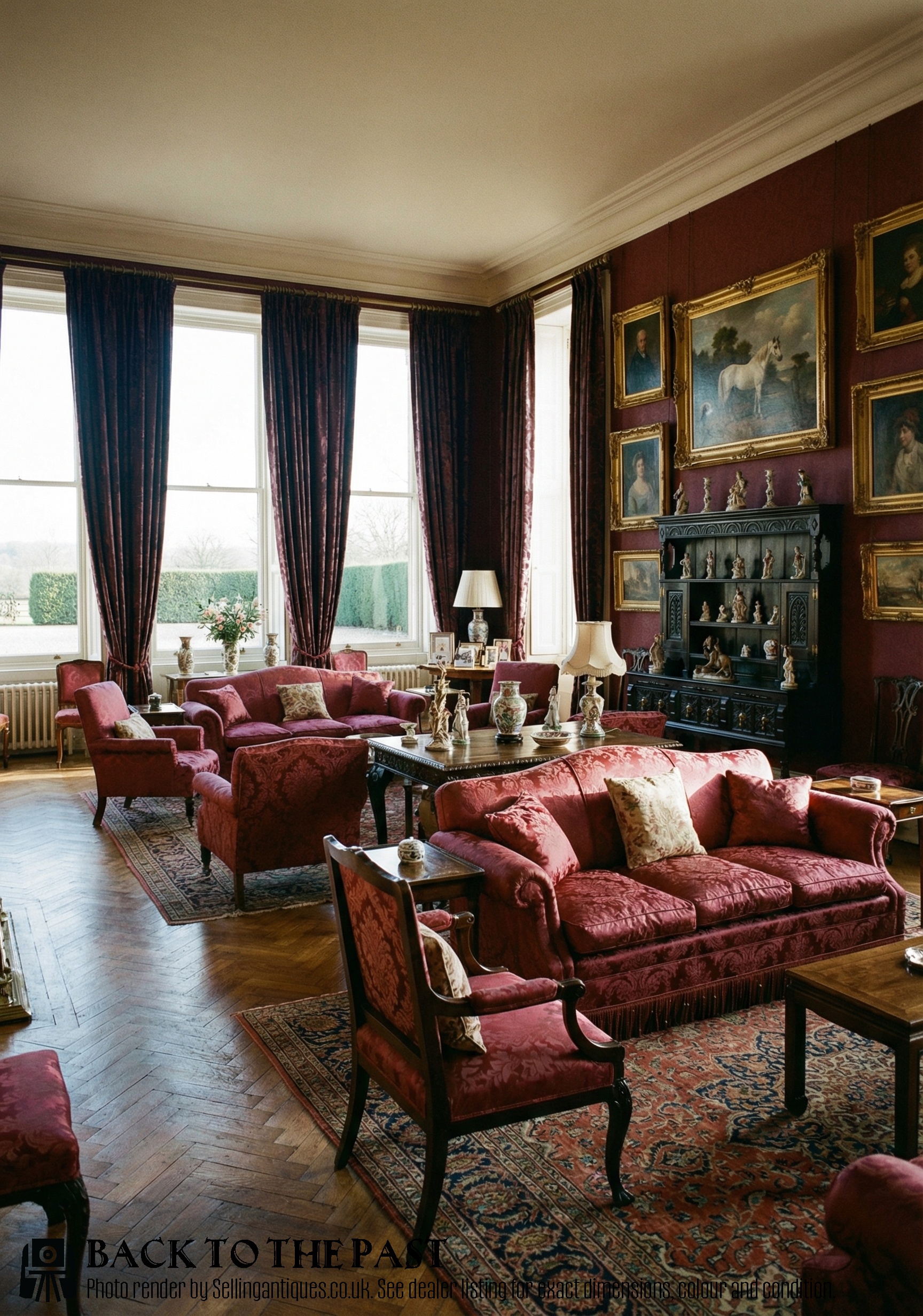
Dark Brown Sideboard
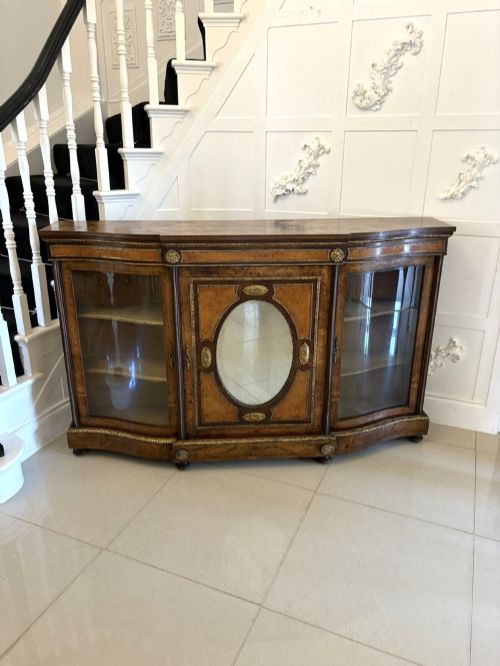
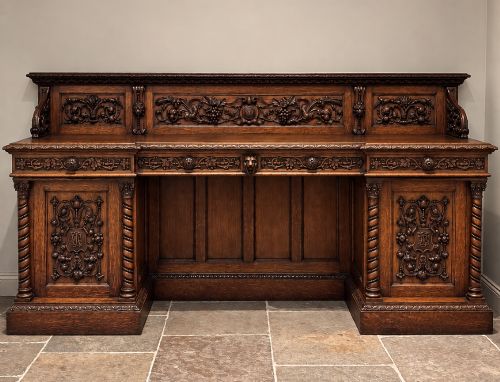
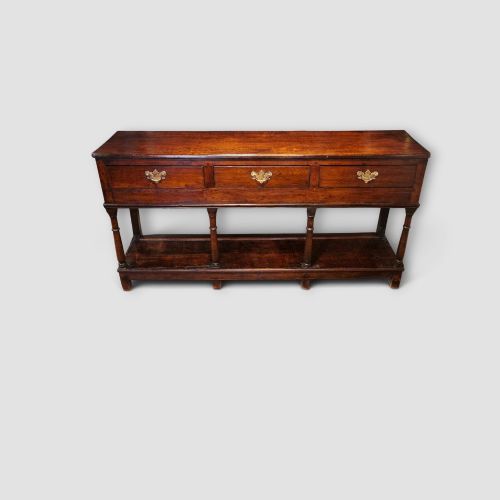
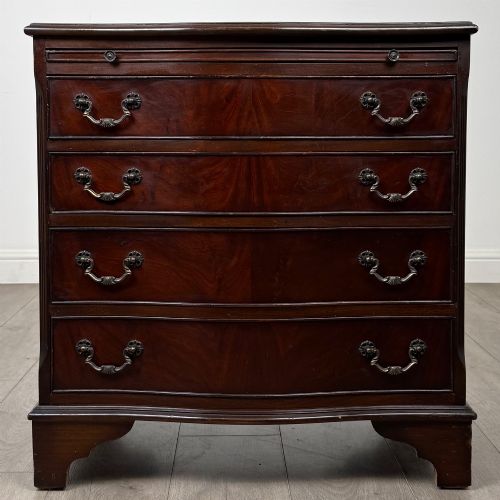
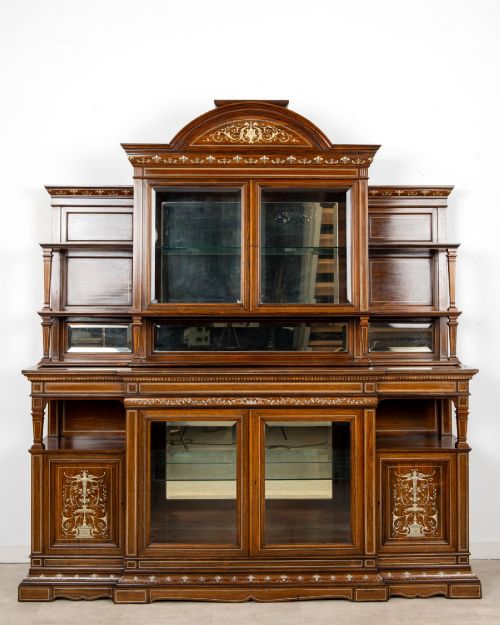
A dark brown sideboard encompasses practical dining room storage, dresser bases, and serving tables found across multiple periods of British and continental design. Buyers seeking a dark brown sideboard frequently encounter robust oak forms from the eighteenth and nineteenth centuries, alongside mahogany and rosewood pieces from the Georgian and Victorian eras.
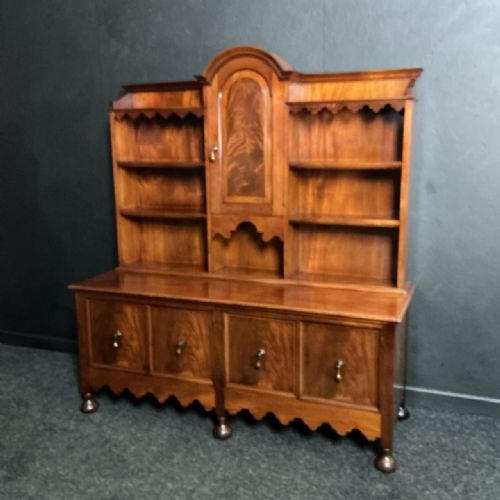
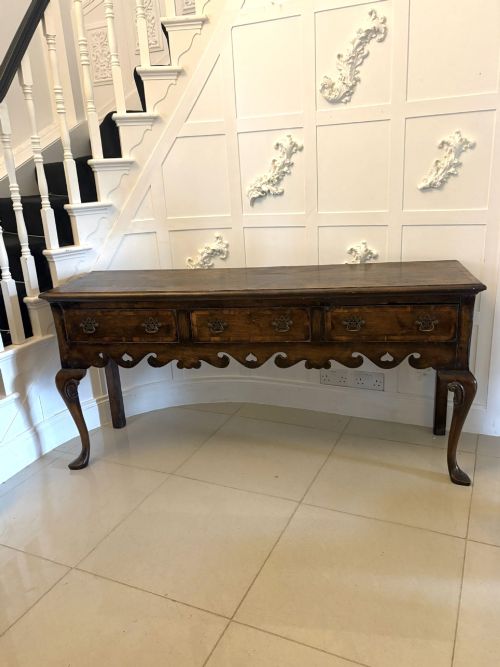
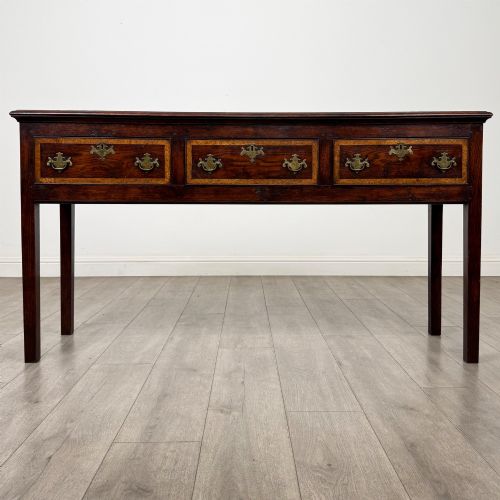
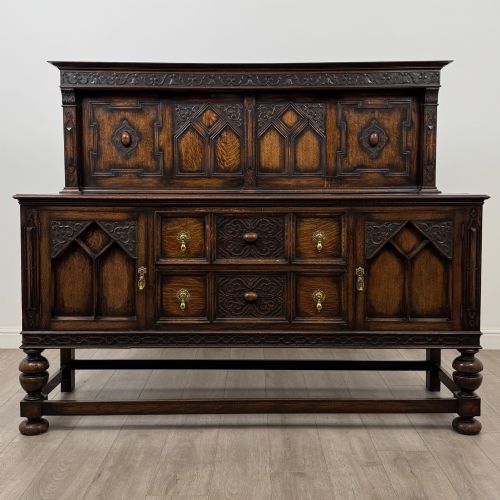
The selection ranges from early geometric moulded dresser bases and court cupboards to Edwardian sideboards and Jacobean revival cabinets. Pieces emerge in various regional styles, including Welsh and Lancashire dresser bases, reflecting local timber availability and vernacular traditions.
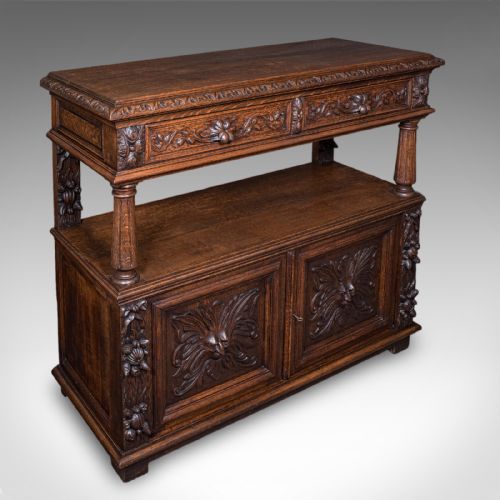
Lower formats such as low linen press cupboards, console tables, and dumbwaiters complement taller sideboards and dressers. These configurations provide surface display alongside enclosed shelving and drawer capacity for dining utensils.
Materials and construction
Makers relied principally on solid oak, mahogany, and rosewood to build dark brown sideboards, incorporating secondary timbers such as pine and padouk where appropriate. Surface depth was achieved through the natural grain of figured mahogany and seasoned oak, often enhanced with brass hardware and glass panels.
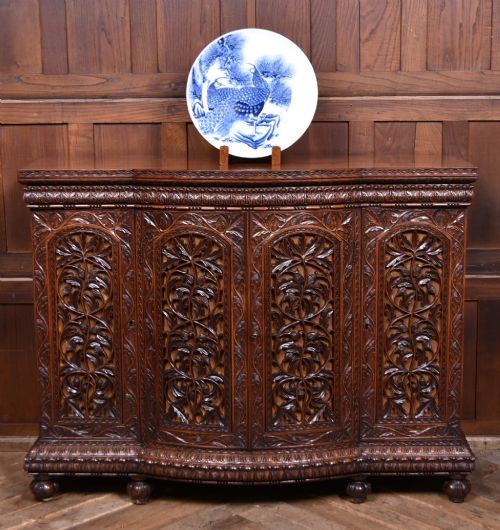
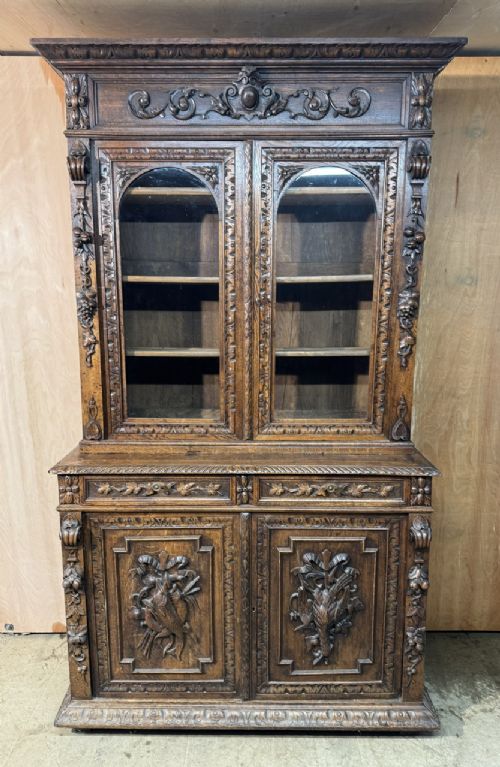
Construction techniques combine mortise and tenon framing with hand-cut dovetails for drawer boxes and geometric mouldings. Carved detailing, linen fold panels, and inlaid elements appear across Victorian and Jacobean revival items, requiring skilled chisel work and joinery.
Potboards beneath early dressers were built to catch dripping candle wax, not just display heavy pots.
Assessing the timber and finish
Quality rests upon the selection of timber and the integrity of the original construction, distinguishing heavy structural framing from lighter decorative pieces. Figured mahogany and well-seasoned oak display tighter grain patterns and stable timber movement over centuries of domestic use.
The precision of hand-carved motifs, the crispness of geometric mouldings, and the survival of original brass handles separate ordinary utility pieces from finer architectural cabinets. Superior examples maintain balanced proportions, intact potboards, and original backboards without extensive timber replacement.
Collinson & Lock
The Dark Brown Sideboard Glossary
- Dresser base
- A lower cabinetry unit featuring drawers above cupboards or an open potboard, designed for serving food and storing tableware.
- Court cupboard
- A heavy wooden storage unit with enclosed upper and lower compartments, common in seventeenth-century interiors.
- Potboard
- An open lower shelf built into a dresser base or sideboard, traditionally used for displaying heavy ceramic platters and pots.
- Linen press
- A tall storage cabinet fitted with interior sliding trays or shelves, originally intended for household textiles and linens.
- Dumbwaiter
- A tiered serving stand or small cabinet placed beside a dining table to hold dishes without requiring servant attendance.
Dark Brown Sideboard: Frequently Asked Questions
How do I date an oak sideboard?
Dating relies upon examining the construction joints, timber selection, and hardware style. Eighteenth-century pieces often display hand-cut dovetails, pegged mortise and tenon joints, and rich patination accumulated over generations of use.
Later Victorian and Edwardian revivals introduce machine-sawn elements, standardised screws, and stylistic revivals such as Jacobean geometric mouldings or Gothic revival linen fold carvings.
Where were most antique wooden sideboards made?
Antique sideboards and dresser bases originate primarily from British regional workshops, with distinct styles emerging from Wales, Lancashire, and Scotland. Regional cabinet-makers utilised locally available hardwoods, predominantly oak.
Continental workshops also produced notable cabinets in padouk and oak, reflecting international trade and differing regional carving traditions during the nineteenth century.
Can I use a antique sideboard in a modern dining room?
These cabinets provide deep surface areas and substantial interior storage that adapt easily to contemporary dining spaces. Their dark timber tones anchor modern neutral walls and offer a practical counterpoint to minimalist interior schemes.
Placing glassware and tableware inside preserves the functional history of the piece while utilising its capacity for modern storage needs.