
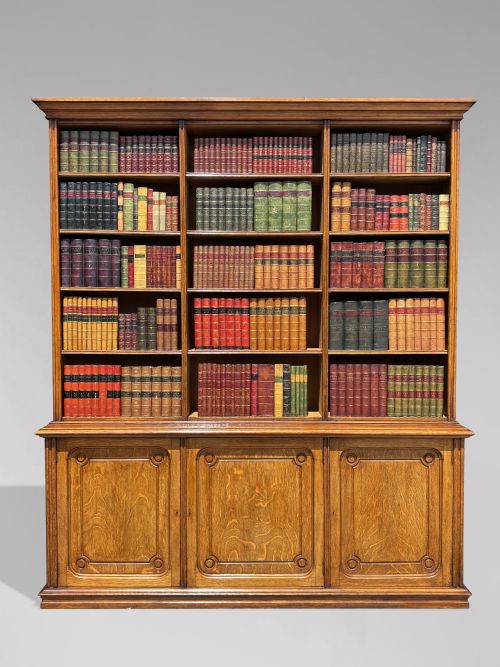
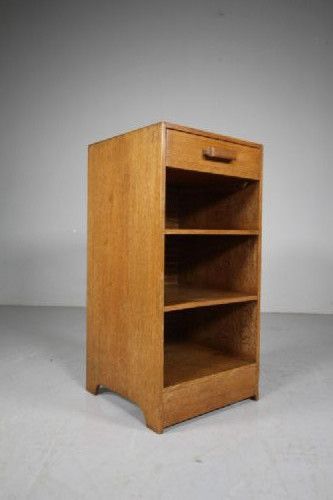


Oak Cupboard with Shelves
An oak cupboard with shelves brings honest timber and practical storage into a room, offering enduring utility across centuries of domestic life.
What these pieces are
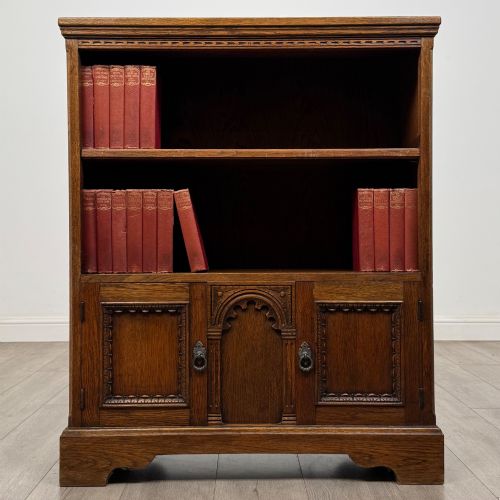
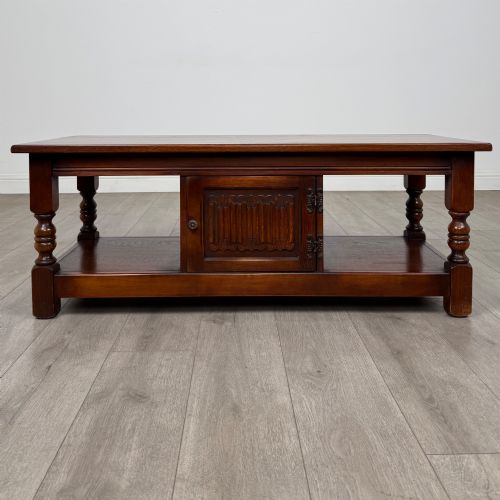
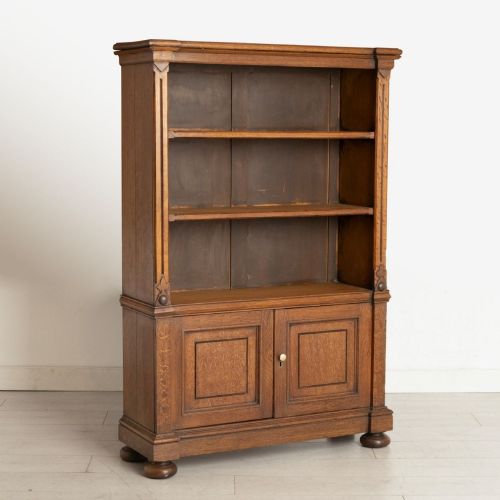
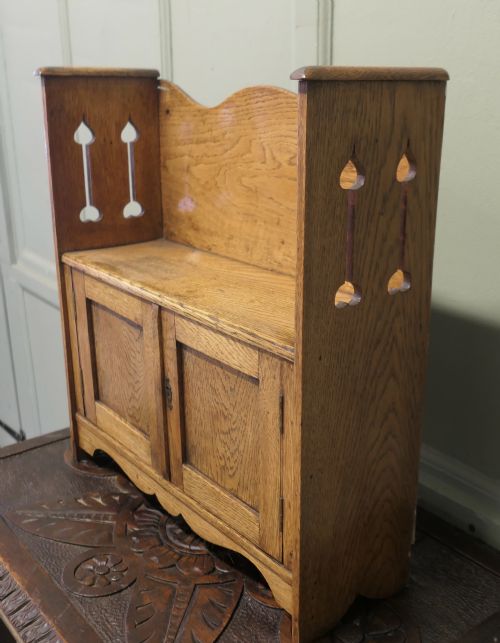
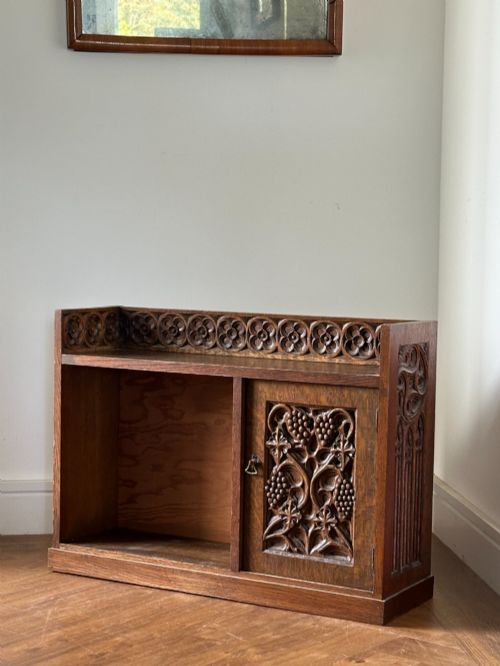
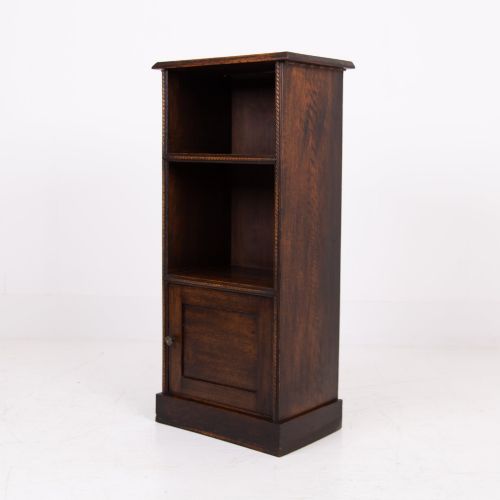
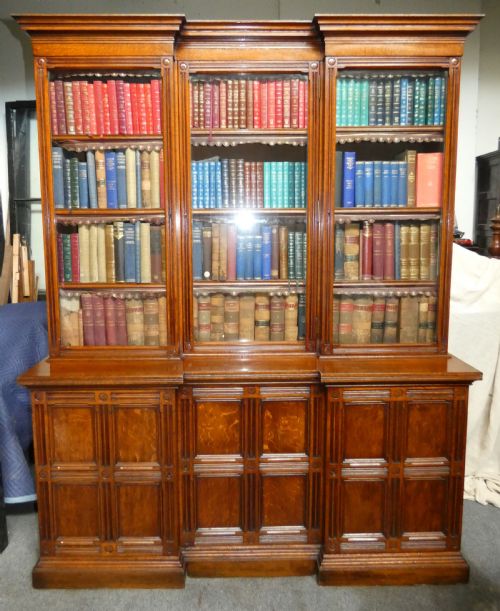
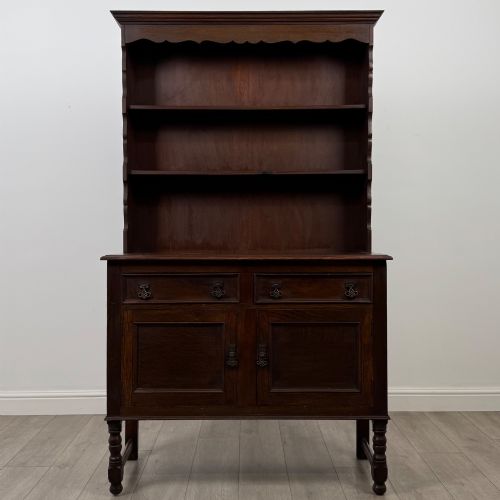
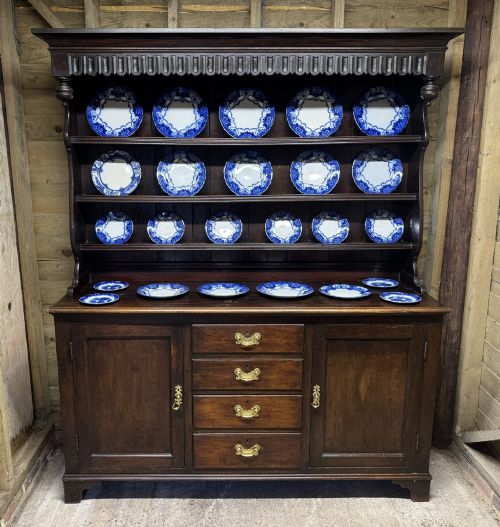
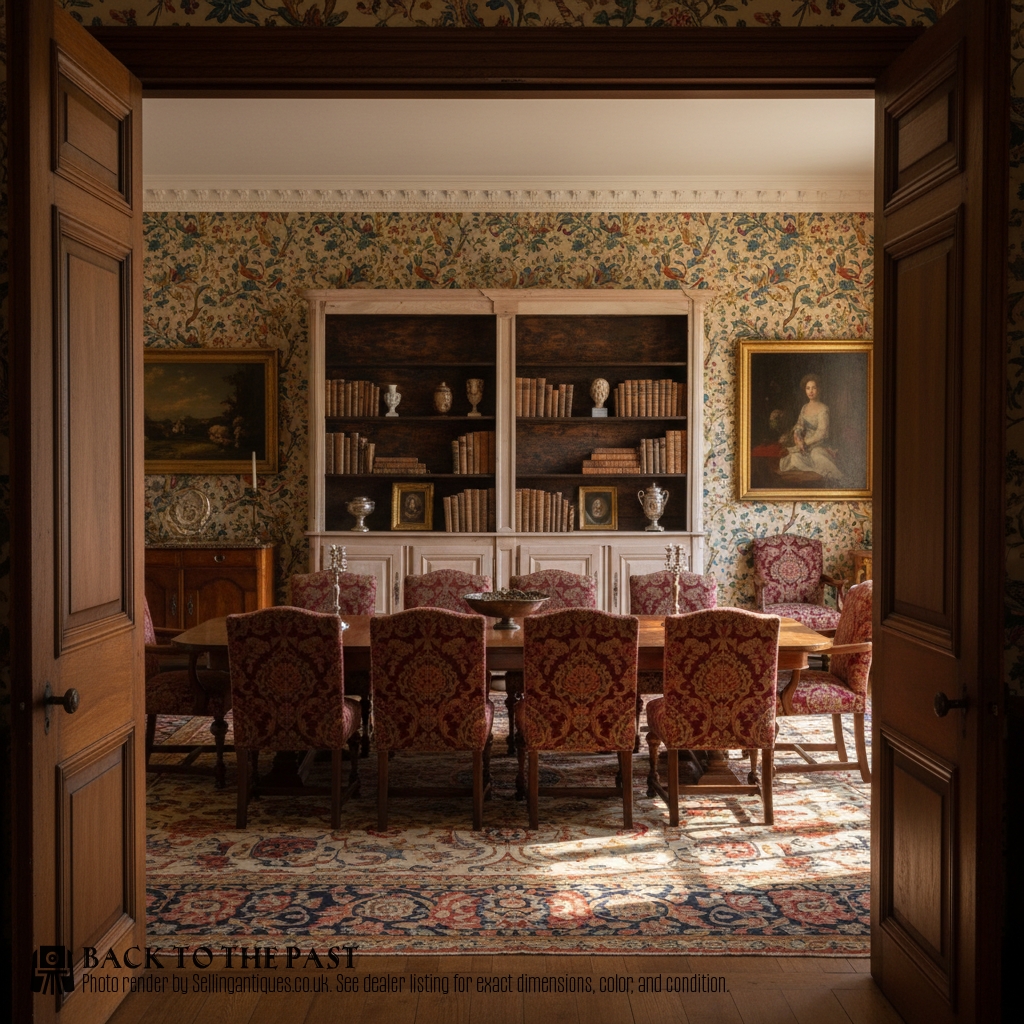
An oak cupboard with shelves encompasses sturdy dressers, bookcases, and side cabinets built to hold household goods and display china or books. These storage pieces appear across distinct historical periods, ranging from early eighteenth-century examples to later revival styles.
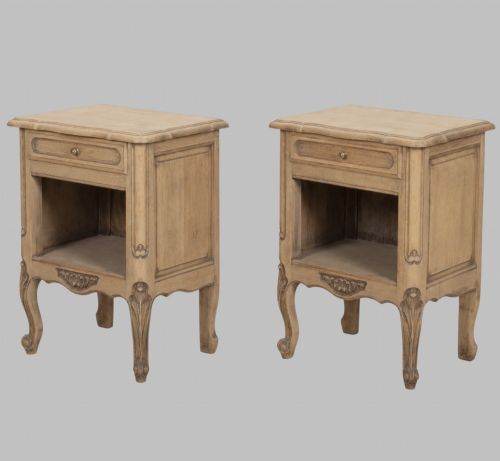
Makers shaped these utilitarian items from solid oak, sometimes utilising bleached finishes or incorporating glass doors to showcase contents. Each regional variation reflects the domestic habits and storage needs of its originating era.
How they were made
Carpenters constructed these storage items primarily from solid oak, selecting timber for its heavy grain and structural resilience. Workshops utilised traditional joinery techniques to frame large panel doors and secure internal shelving.
Retail Price Guide 2026
Typical UK retail prices for oak cupboard with shelves, calculated from the Sellingantiques database of over a million retail prices indexed since 2003. This retail price guide relies exclusively on Sellingantiques data; no external sources or auction records are used, so the figures do not describe the wider market.
Listings on this site span the eighteenth, nineteenth, and early twentieth centuries, featuring oak, brass, iron, and glass across styles from Georgian to Arts and Crafts.
What varies in quality
Quality rests in the selection of the timber and the integrity of the original construction rather than decorative excess. Finer examples display carefully chosen oak boards with harmonious grain patterns and substantial thickness.
The handling of architectural details, from panel mouldings to the seating of glass and the fitting of brass or iron hardware, distinguishes standard utility work from superior cabinet making.
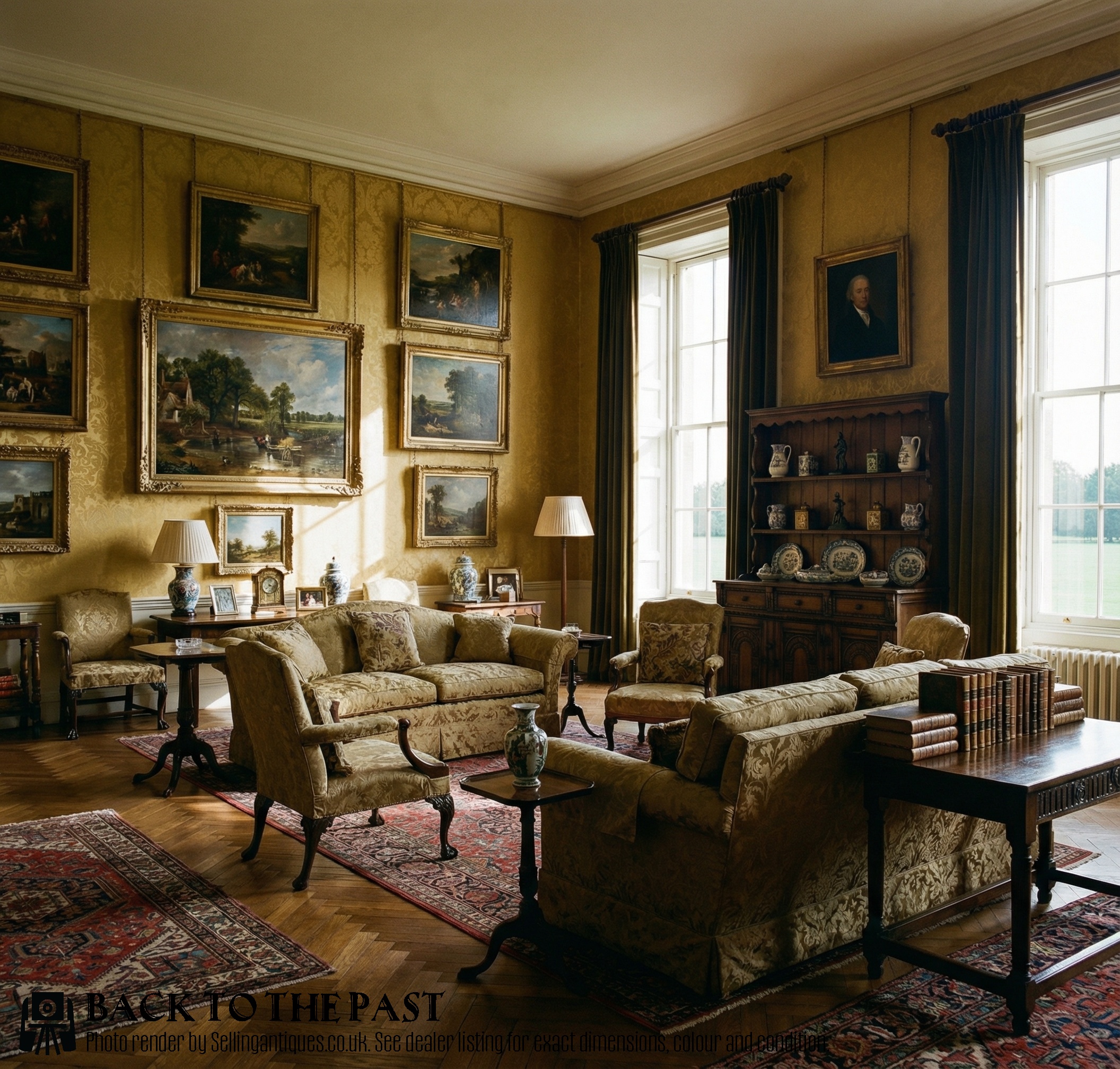
The Oak Cupboard with Shelves Glossary
- Welsh Dresser
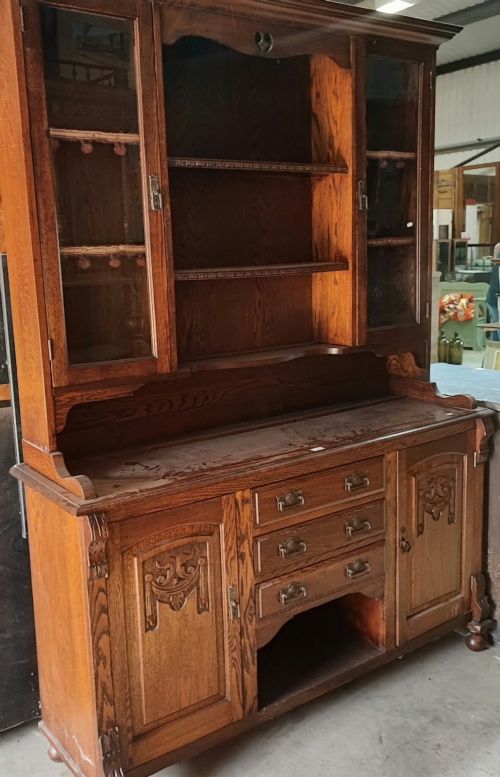
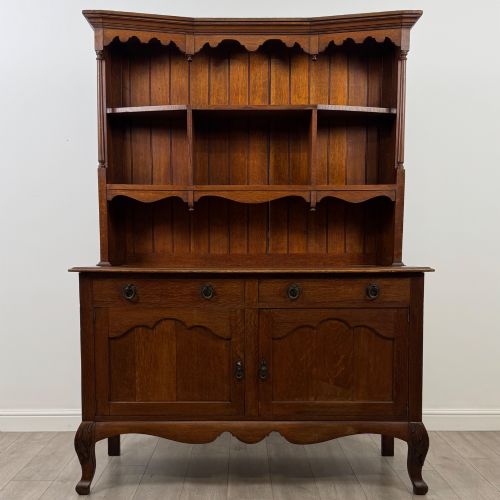
- A traditional kitchen and dining room storage piece combining a lower base of drawers and cupboards with open upper plate racks. These items provided accessible display for everyday ceramics.
- Bleached Oak
- Timber treated to lighten its natural warm tone, creating a pale surface often associated with French provincial furniture. This treatment highlights the linear grain of the wood.
- Arts and Crafts
- A design movement valuing handcraftsmanship, plain surfaces, and honest construction over mass-produced ornamentation. Pieces from this tradition emphasise the natural qualities of oak.
- Tiger Oak
- Quarter-sawn oak displaying prominent medullary rays that produce a distinctive shimmering grain pattern resembling tiger stripes. Cabinetmakers prized this cut for its decorative surface figure.
Frequently Asked Questions
How do I date an oak cupboard?
Dating relies on observing construction methods, timber preparation, and the architectural style of mouldings and hardware. Earlier pieces often exhibit hand-planed surfaces and traditional peg joinery.
Later revival items from the nineteenth and early twentieth centuries incorporate machine-cut elements while mimicking historical forms.
Where should I place a dresser?
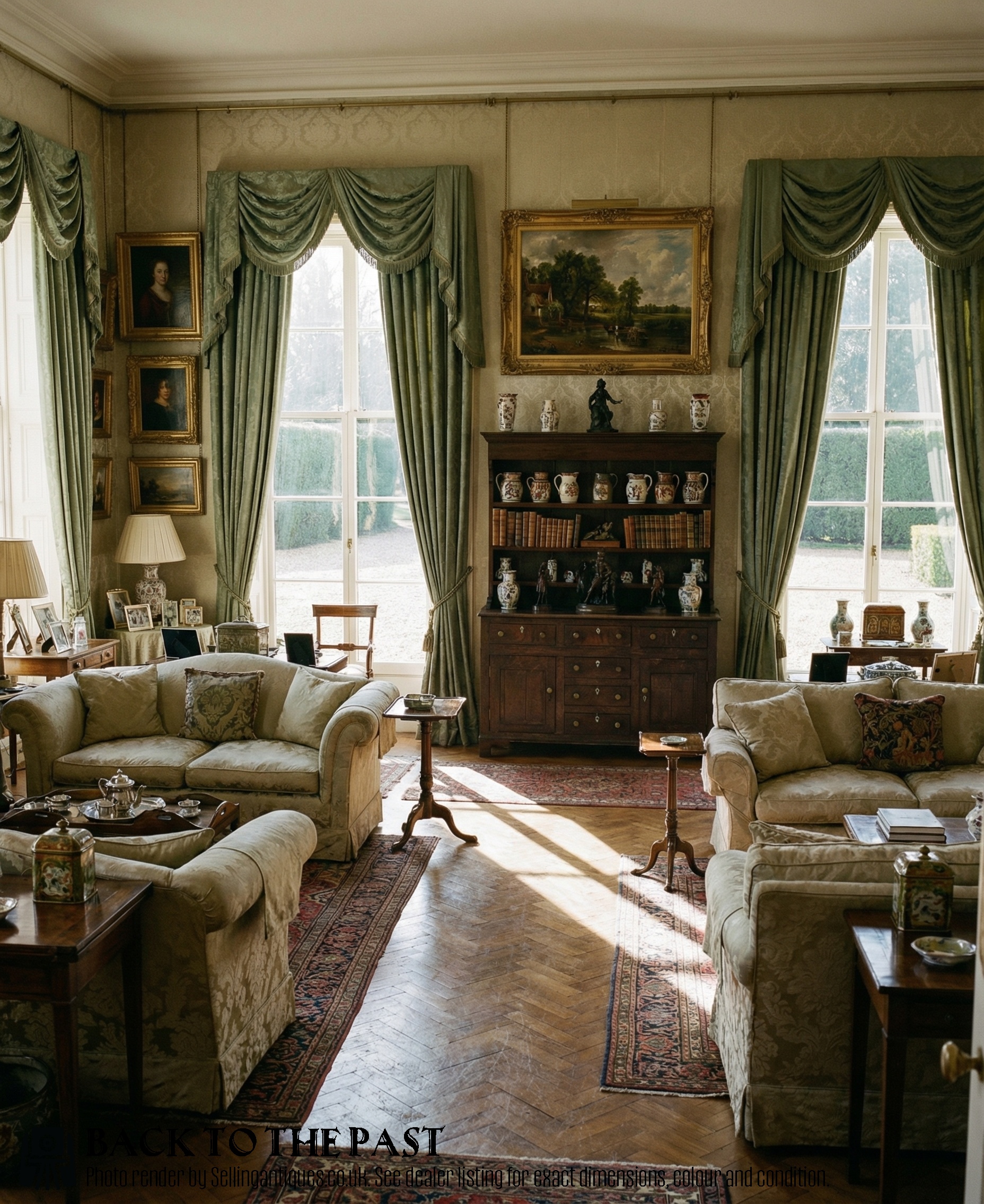
These storage pieces suit dining rooms, kitchens, or living spaces where open shelving allows for the display of books or ceramics. Their deep footprints require adequate wall space and clearance for opening doors.
Positioning them away from direct heat sources protects the solid timber from drying and splitting over time.
What is the difference between a bookcase and a dresser?
Bookcases focus on vertical shelving designed specifically for holding volumes, occasionally featuring glazed doors to protect the contents. Dressers incorporate lower enclosed cupboards or drawers alongside upper plate racks or open shelves.
Both forms utilise solid oak construction to bear the weight of heavy household items.
How do I clean bleached oak?
Maintain the surface by dusting regularly with a soft, dry cloth to prevent dirt accumulation within the grain. Avoid using harsh chemical cleaners or excess water, which can damage the treated timber finish.
Applying a traditional beeswax occasionally helps nourish the wood and preserve its tactile quality.