


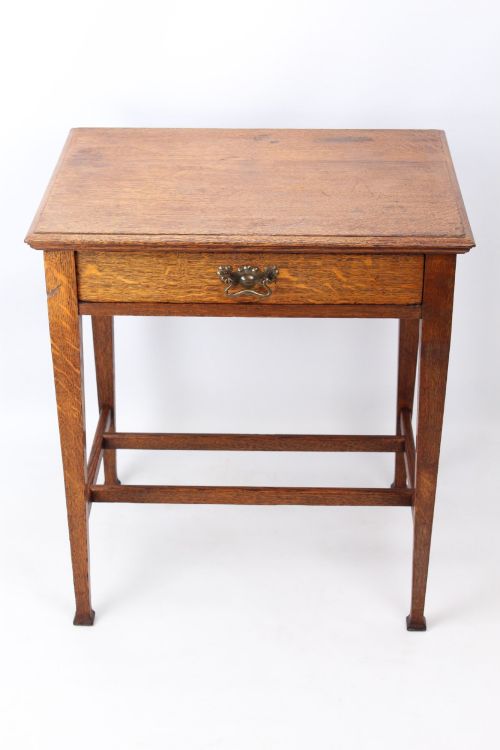
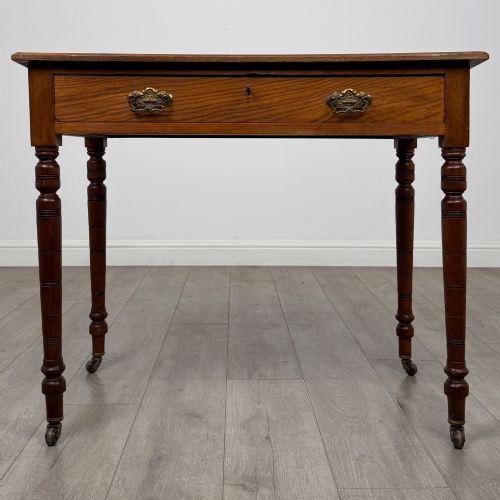
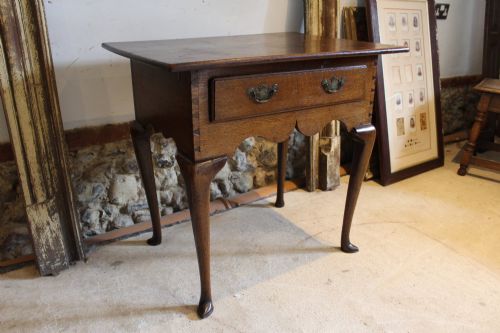
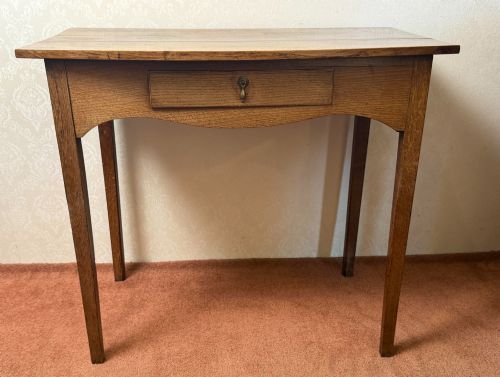
Oak Hall Table Drawers
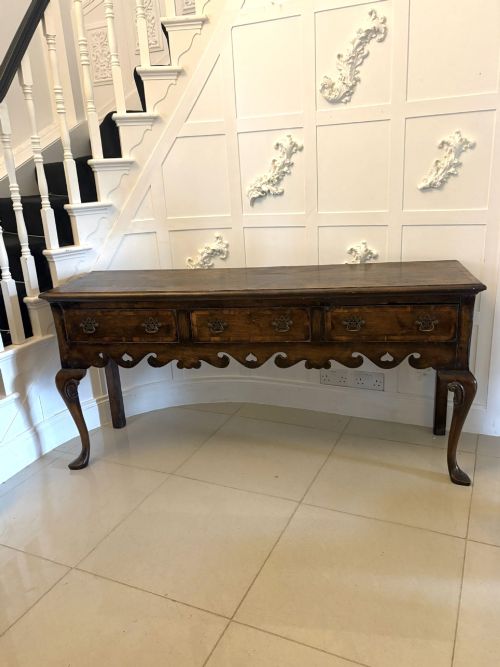
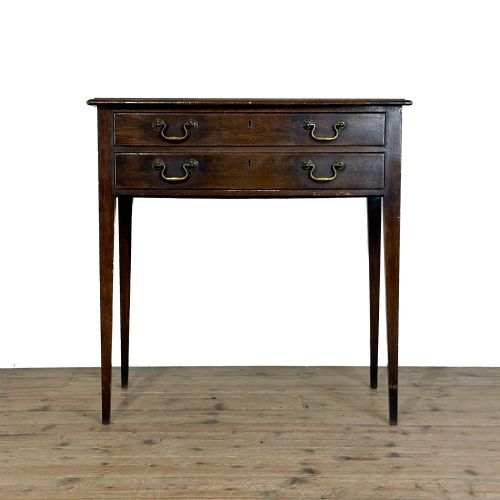
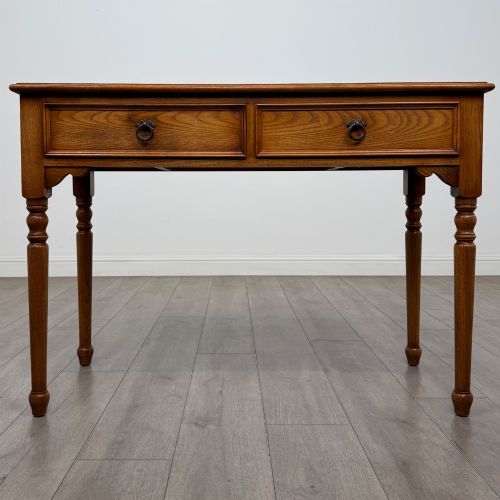
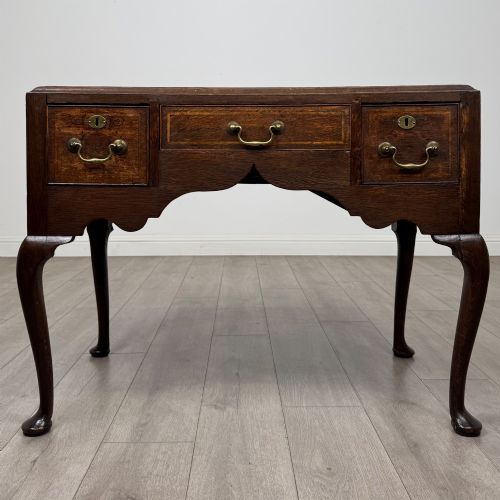
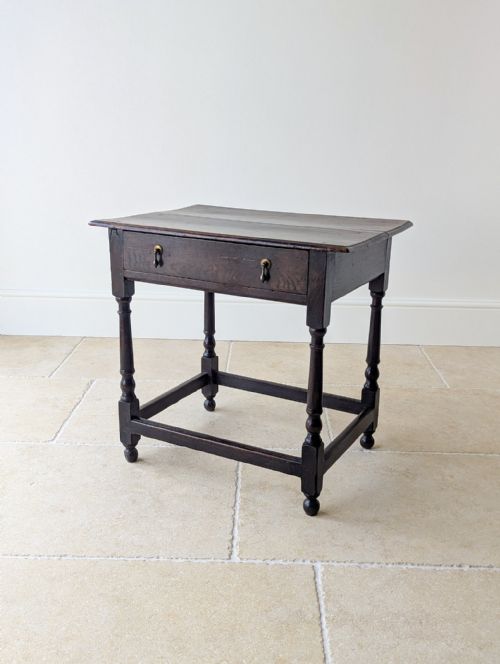
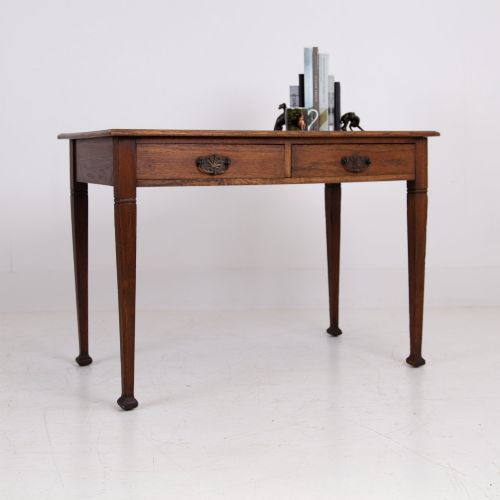
These oak hall table drawers bring substantial provincial character and practical storage to an entrance.
Oak hall table drawers
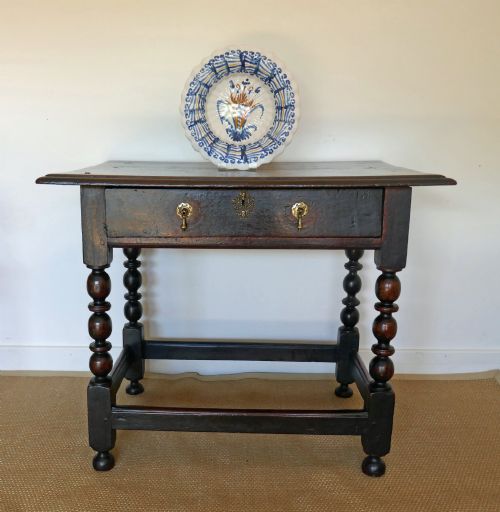
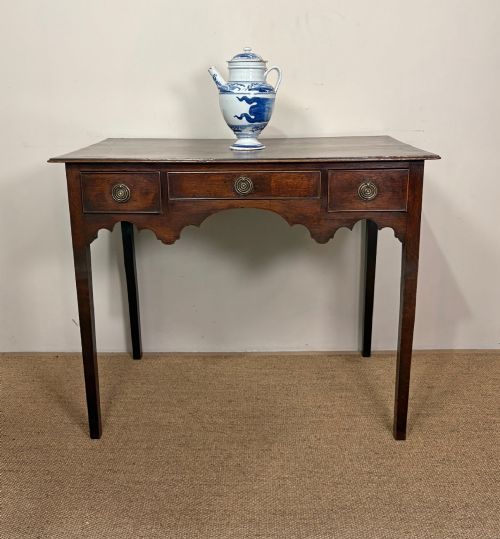
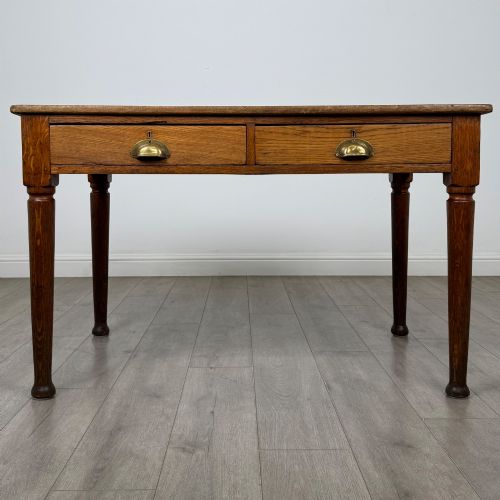
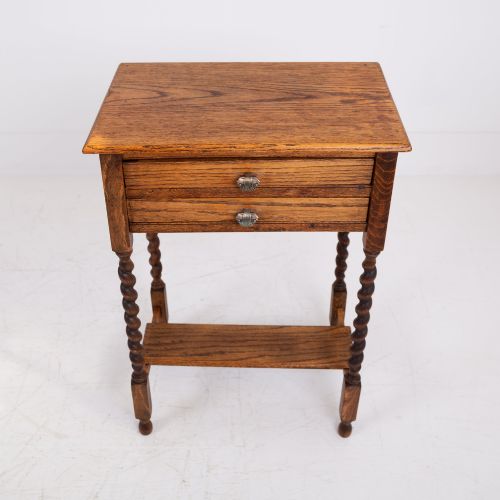
When searching for oak hall table drawers, buyers encounter sturdy functional furniture pieces that span the Georgian, Victorian, and seventeenth-century periods. These items take the form of lowboys, side tables, dresser bases, servers, and writing tables equipped with integrated storage compartments.
The versions most frequently met on this page combine robust timber construction with two or more drawers, reflecting provincial English cabinet-making traditions. Pieces range from early geometrical moulded fronts to later revival styles including Jacobean and Queen Anne influences.
Forms vary from compact occasional hall consoles to low lowboys originally used as dressing tables or writing desks. Their adaptable proportions make them suited for narrow passageways and reception spaces where surface area and drawer storage are both required.
Materials and construction
Construction relies primarily upon solid oak timber, paired with brass handles and drawer fittings as recorded across the inventory. Cabinet makers utilised traditional jointing methods to build carcases capable of withstanding daily provincial use over centuries.
Surface detailing ranges from plain timber grains to geometrically moulded drawer fronts and carved ornamentation such as green man motifs. Drawers are occasionally structured with cushion fronts or crossbanded veneers, showing varying degrees of decorative enrichment.
Retail Price Guide 2026
Typical UK retail prices for oak hall table drawers, calculated from the Sellingantiques database of over a million retail prices indexed since 2003. This retail price guide relies exclusively on Sellingantiques data; no external sources or auction records are used, so the figures do not describe the wider market.
Materials across the inventory are consistently centered on solid oak combined with brass hardware.
Assessing quality and character
Quality in these oak pieces rests upon the crispness of the timber grain, the depth of the patination built up through age, and the integrity of the drawer construction. Higher-tier examples display thoughtful proportions, original brass hardware, and carefully executed mouldings rather than flat or purely utilitarian surfaces.
The distinction between ordinary and superior pieces also lies in the execution of decorative details, such as geometrically moulded drawer fronts or period crossbanding. Untouched surfaces with honest wear separate well-preserved historical examples from heavily restored or later revival pieces.
The Oak Hall Table Drawers Glossary
- Lowboy
- A small side table or dressing table with one or more tiers of drawers, typically raised on four legs. These low tables served various domestic functions in provincial households.
- Dresser base
- The lower section of a kitchen or dining dresser, featuring a flat top surface above a row of drawers and sometimes cupboards. They offer substantial storage capacity for hallways and living spaces.
- Crossbanded
- A technique where a border of veneer is applied around the edges of a drawer front or tabletop with the grain running perpendicular to the centre panel. This adds a refined decorative trim to plain oak surfaces.
- Cushion front
- A convex or gently rounded profile applied to the face of a drawer, creating a prominent pillowed effect. This specific moulding style appears on seventeenth-century and revival pieces.
- Geometrical moulding
- Raised geometric patterns formed on drawer fronts using applied wooden strips, popular in the seventeenth century. It creates a striking tactile pattern across the facade.
Frequently Asked Questions
What is a lowboy?
A lowboy is a small table equipped with drawers, historically used as a dressing table or side table in Georgian and earlier interiors. Their compact height and surface space make them practical for modern hallways.
They provide enclosed drawer storage while maintaining a light, open footprint that does not crowd an entranceway.
How do I date an oak hall table?
Dating relies on examining the construction methods, drawer linings, timber patination, and the presence of period-specific details like geometrical moulding or brass hardware. Earlier pieces from the seventeenth and eighteenth centuries show hand- worked joints and deep surface patination.
Revival pieces from the Victorian era and the early twentieth century often emulate these earlier styles while exhibiting different tool marks and construction standards.
Where should I place a hall table with drawers?
These tables suit entrance halls, corridors, and reception rooms where a surface is needed for keys and post alongside enclosed storage. Their shallow depth allows them to sit flush against hallway walls without obstructing passage.
The added drawers keep everyday items hidden away while displaying decorative objects on top.
Are these tables made of solid oak?
The listings consist primarily of solid oak furniture, sometimes enhanced with brass handles and secondary woods for drawer interiors. Oak was chosen by historical makers for its durability and prominent grain.
Revival pieces from later centuries also utilise oak to replicate the traditional appearance of Georgian and seventeenth-century furniture.