
Solid Oak Sideboard
A solid oak sideboard brings robust timber grain and honest utility into a room, offering enduring storage built to last generations.
What a solid oak sideboard is
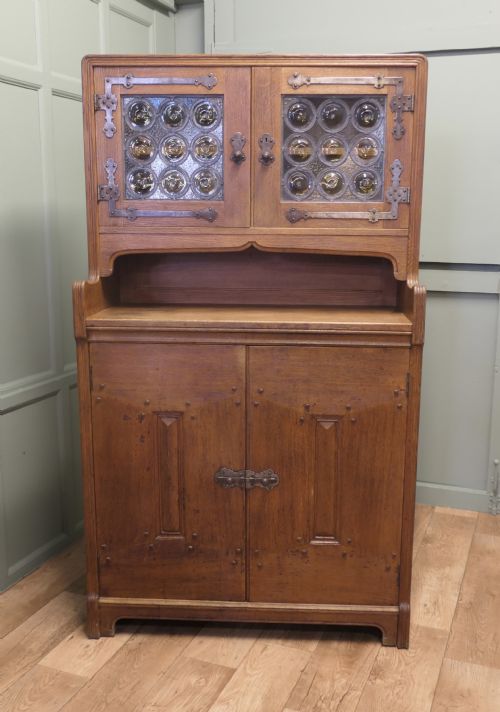
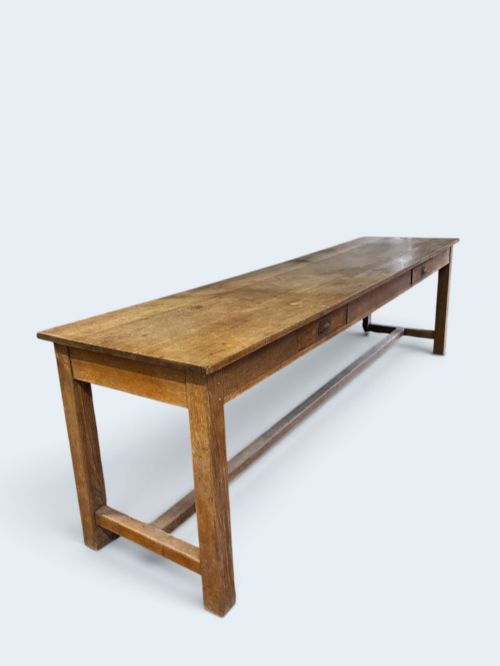
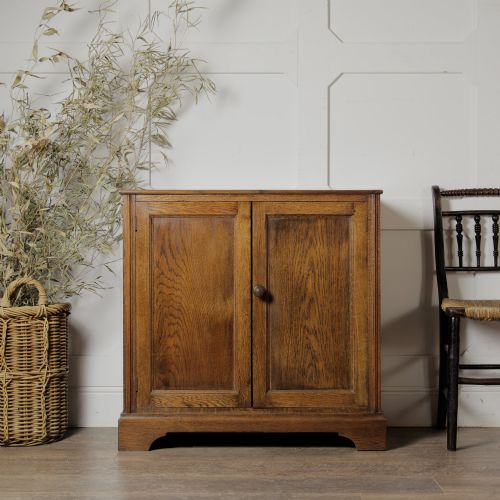
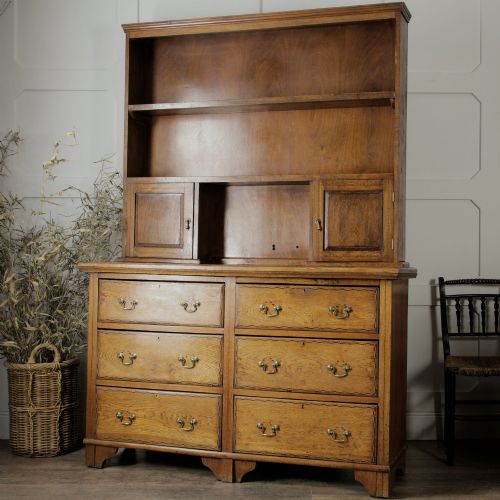
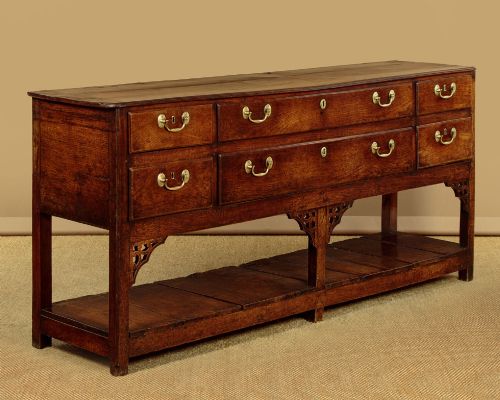
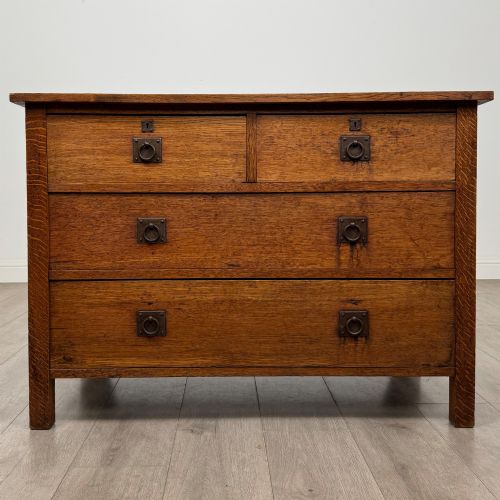
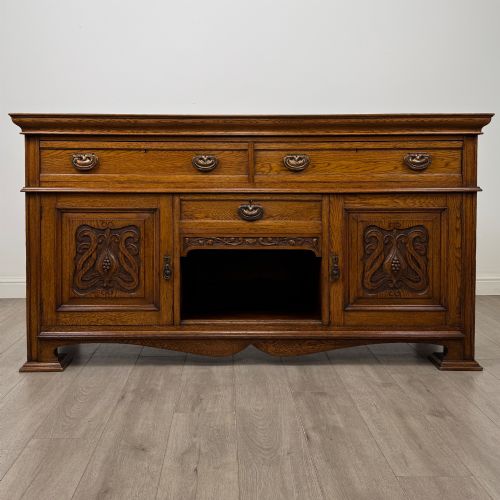
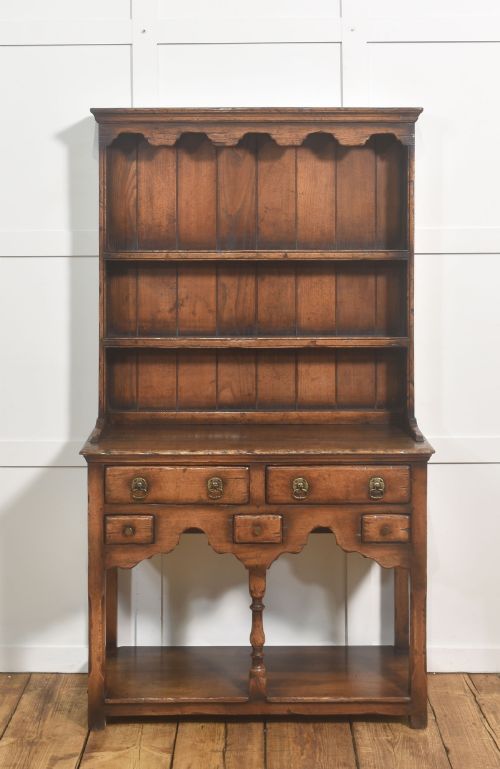
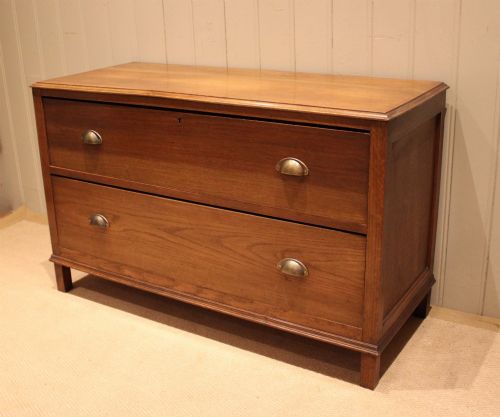
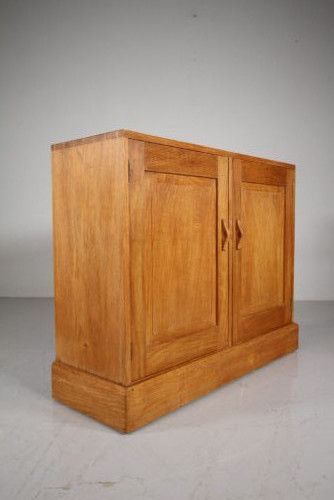
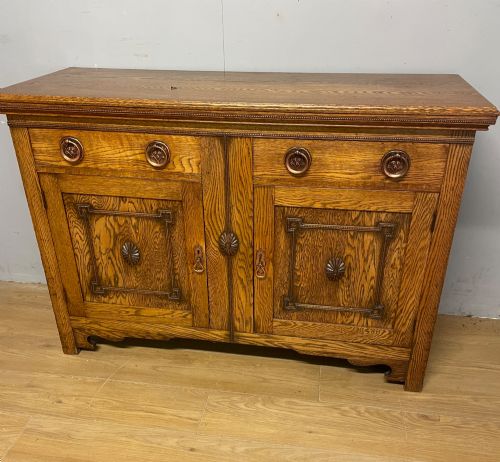
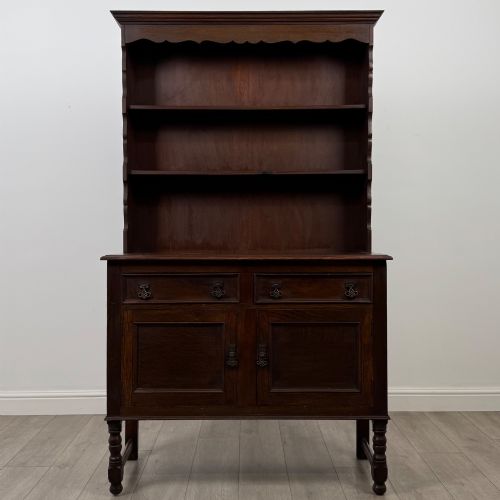
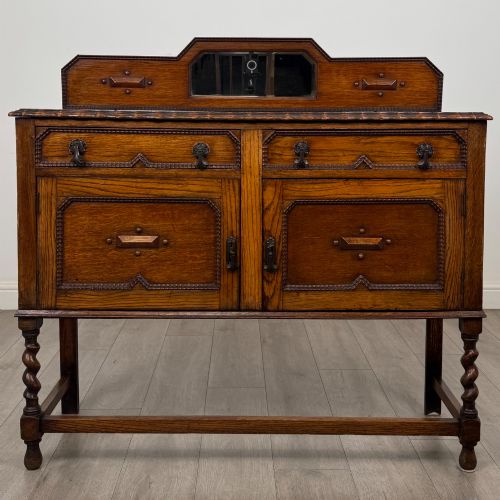
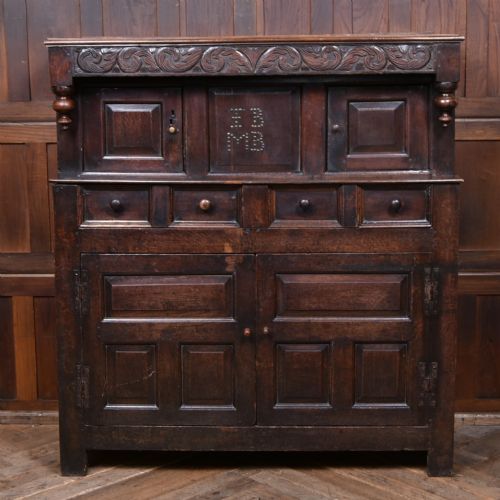
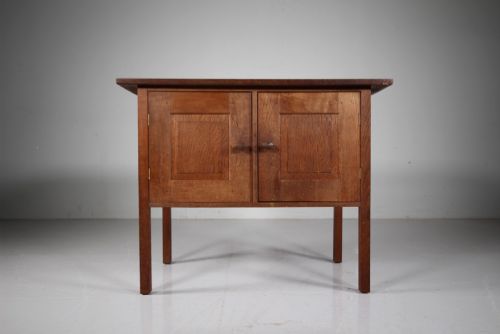
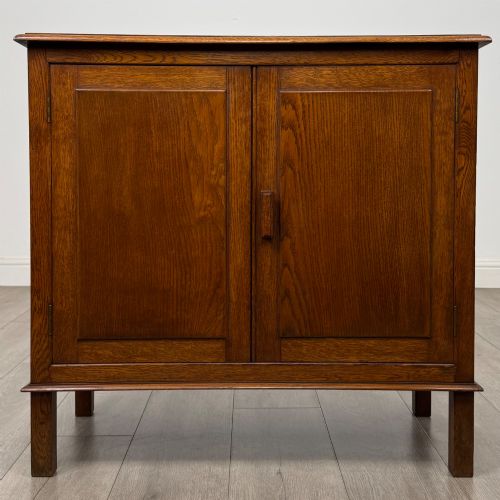
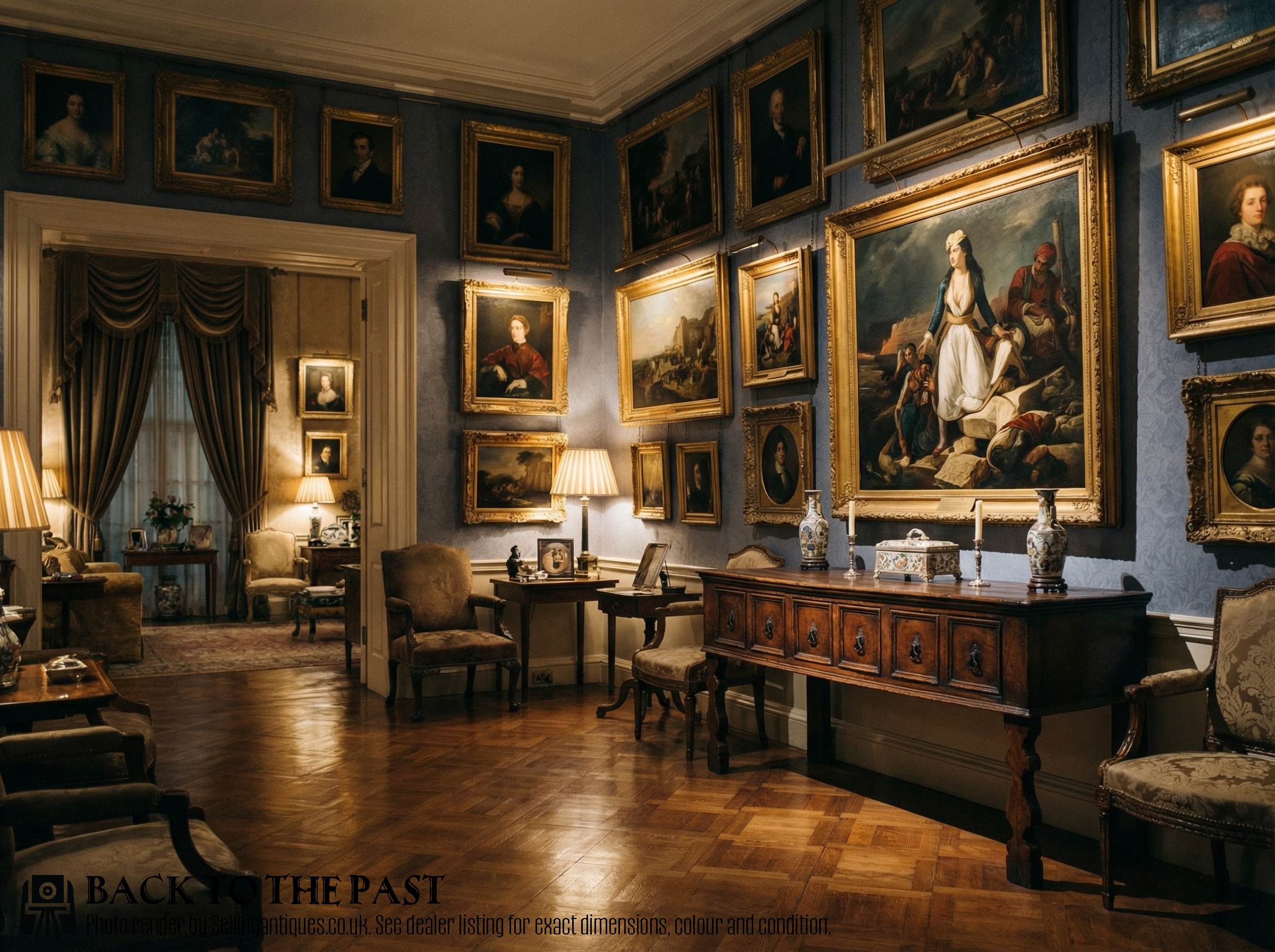
A solid oak sideboard provides heavy timber storage taking various forms including dresser bases, fitted cupboards, and carved cabinets. Buyers seeking a solid oak sideboard find pieces ranging from seventeenth-century provincial origins to twentieth-century Arts and Crafts iterations.
The objects combine surface display with enclosed storage through drawers, potboards, and panelled doors. Forms vary from simple Georgian country furniture to decorative Edwardian and Victorian designs.
How they were made
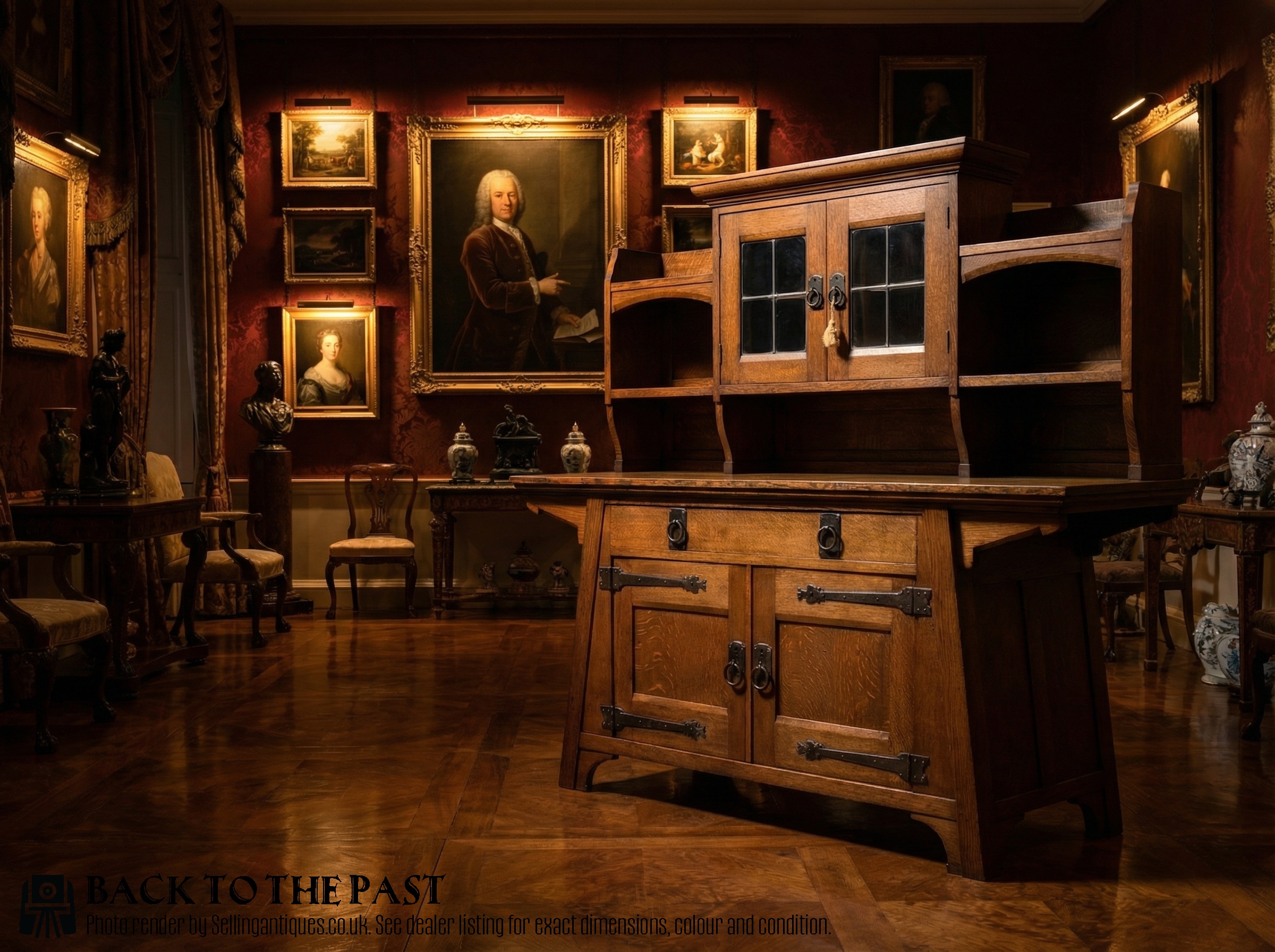
Maker construction relies on heavy oak boards joined with traditional methods, often incorporating geometric panelling and hand carving. Metal elements such as brass, copper, and iron appear on hardware, hinges, and drawer pulls.
Surfaces display natural timber figure, sometimes enhanced by golden or light oak tones. Structural integrity stems from substantial framing and pegged joints seen in earlier periods.
Retail Price Guide 2026
Typical UK retail prices for solid oak sideboard, calculated from the Sellingantiques database of over a million retail prices indexed since 2003. This retail price guide relies exclusively on Sellingantiques data; no external sources or auction records are used, so the figures do not describe the wider market.
What varies in quality
Quality rests in the weight of the timber selection and the crispness of hand-carved detailing on panels and doors. Superior examples maintain original hardware and uncompromised structural timbers without modern replacements.
Proportion and architectural balance separate standard utility pieces from exceptional vernacular or workshop-produced items. The depth of colour and patination built up on the oak surface over centuries dictates visual presence.
Liberty & Co.
The Solid Oak Sideboard Glossary
- Potboard
- An open lower shelf beneath a dresser base traditionally used for storing pots and earthenware. It sits near the floor on sturdy stretchers.
- Arts and Crafts
- A design movement valuing handcraft, vernacular simplicity, and unpretentious materials. Pieces from this style often feature exposed construction and minimal ornamentation.
- Geometric panelling
- Raised or sunken wooden mouldings arranged in geometric patterns upon cabinet doors. This technique adds texture and depth to flat surfaces.
- Dresser base
- A low cabinet featuring drawers and cupboards, originally designed for food preparation and serving. It forms the lower section of traditional kitchen and dining storage.
Frequently Asked Questions
Where should I put a sideboard?
A solid oak sideboard suits dining rooms, hallways, and living spaces where substantial storage and surface display are required. Its heavy proportions anchor a room effectively.
Ensure adequate wall space and clearance for doors and drawers to open fully without obstruction.
How do I clean solid oak?
Dust regularly with a dry, soft cloth to prevent grime accumulation on the carved surfaces and panels. Avoid modern silicone sprays that damage historic timber finishes.
Feed the wood periodically with traditional beeswax to maintain the natural lustre and protect the grain.
How do I date an oak sideboard?
Examine the construction methods, tool marks, and hardware styles to determine the likely period of manufacture. Hand-pegged joints and rough-sawn timber often indicate earlier seventeenth or eighteenth-century origins.
Compare the decorative vocabulary, such as Arts and Crafts simplicity or Victorian Gothic carving, against known stylistic timelines.
Can I use it for modern storage?
These sideboards offer deep cupboards and wide drawers well-suited for contemporary tableware, linens, and media equipment. The internal configurations accommodate diverse household items easily.
Verify internal dimensions to ensure your specific belongings fit within the historical cabinet spaces.