
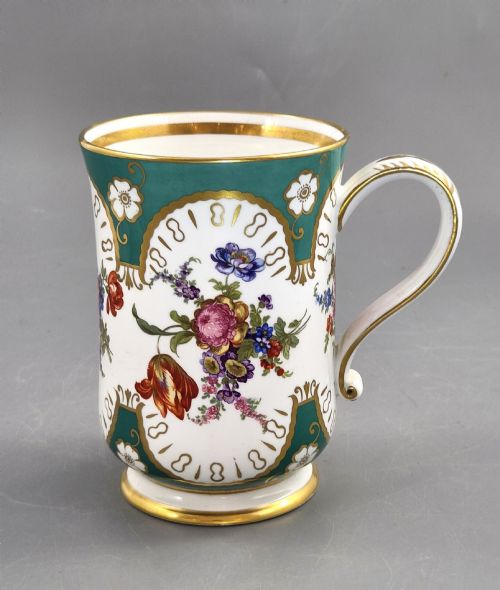
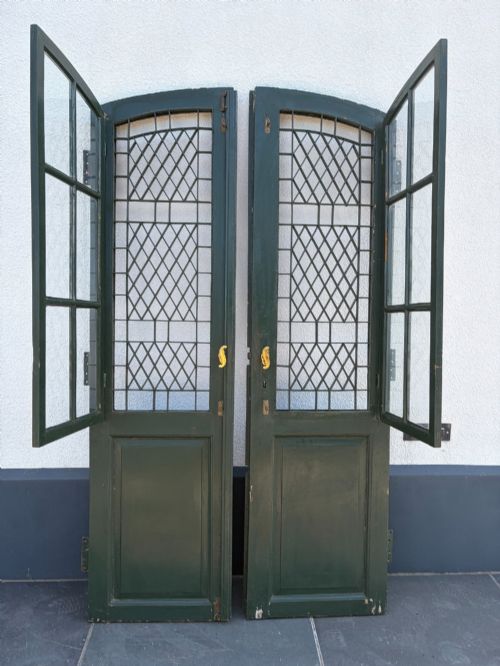
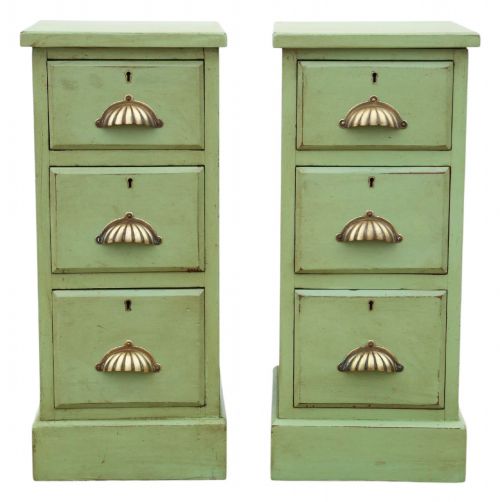
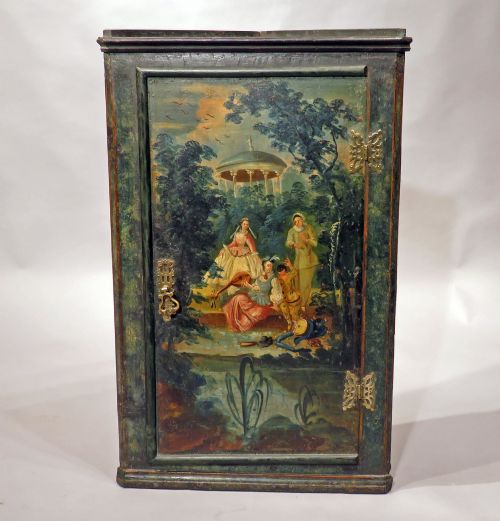
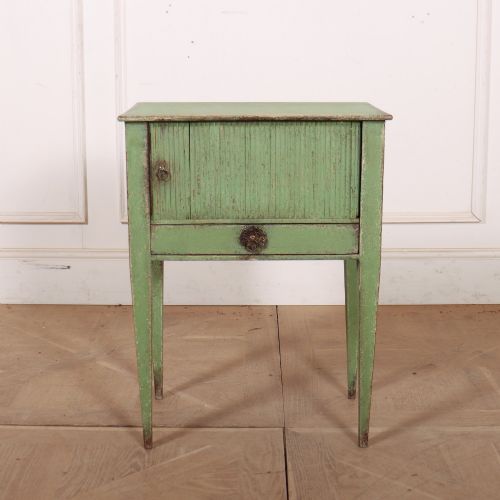
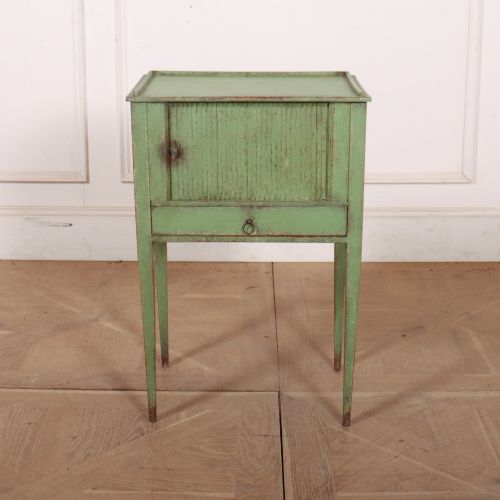
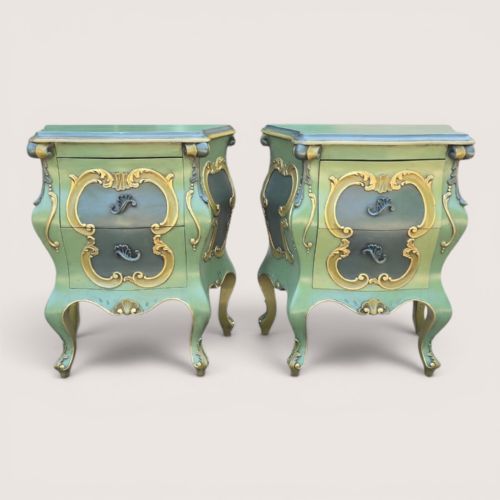
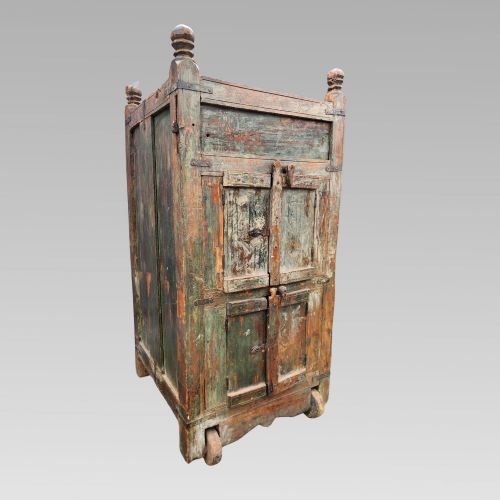
Green Painted Cabinet
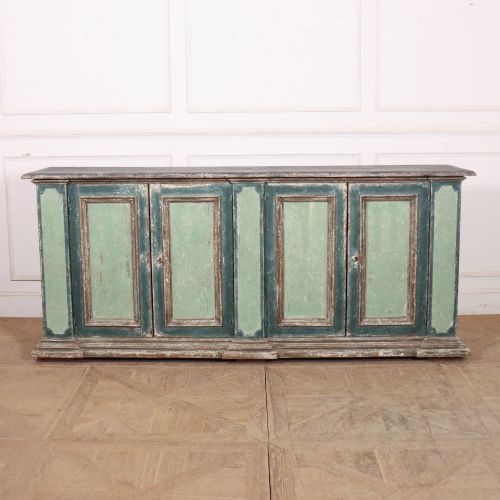
A green painted cabinet brings a strong splash of colour and history into a room, spanning styles from English Country to French Provincial.
Green Painted Cabinet
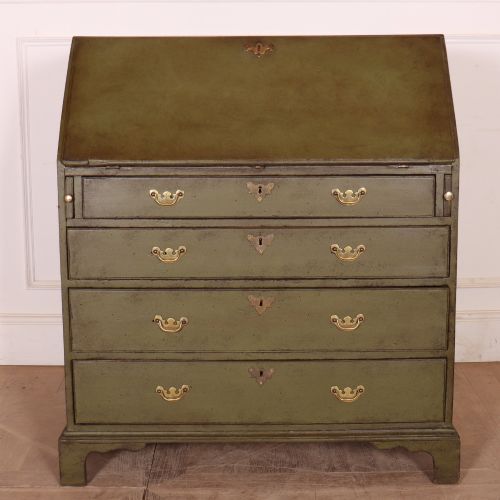
A green painted cabinet encompasses practical storage furniture dressed in historic pigments, ranging from compact bedside chests and corner cupboards to larger kitchen dressers and side cabinets. These pieces emerge from diverse traditions, including English, French, Dutch, Scandinavian, and Hungarian workshops.
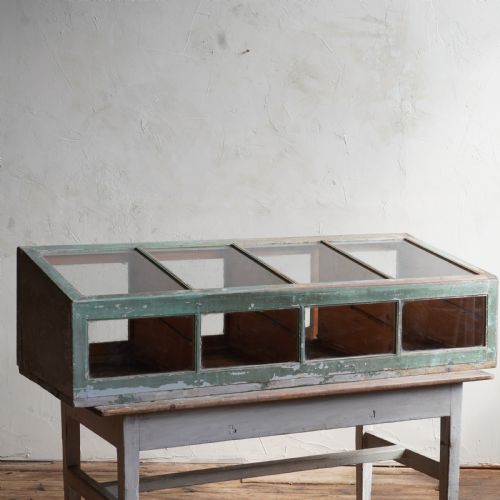
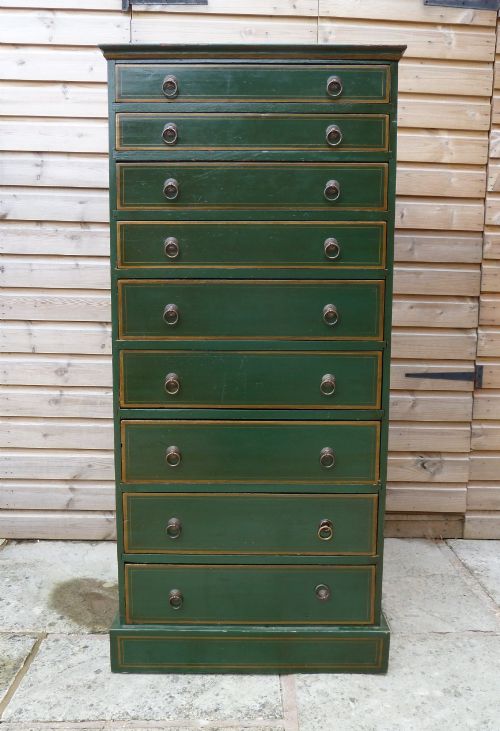
Buyers will encounter items spanning the 18th, 19th, and early 20th centuries, reflecting vernacular country uses as well as more formal urban drawing-room forms. Wall cabinets, countertop display cases, and chests of drawers frequently appear alongside traditional cupboards.
The finish itself defines the group, presenting layers of historic paint that often show pleasing patination, distressing, or original decorative brushwork. This surface treatment transforms utilitarian pine and timber into distinct focal points for interiors.
How they were made
Carpenters primarily utilised pine and solid wood construction, building structural carcasses with pegged joints, dovetailed drawer boxes, and panelled doors suited to daily domestic service. Glass panes appear in glazed bookcase and display variants.
Makers applied oil or water-based paints over wooden surfaces, sometimes layering contrasting colours or adding simple hand-painted details. Brass hinges, escutcheons, and glass knobs provided the functional hardware for doors and drawers.
Listings feature pine, brass, and glass across 18th-century, Georgian, and 20th-century periods.
What varies in quality
The integrity of the painted surface determines much of the distinction, separating pieces with original or early pigment layers from later repainted examples. Surviving brushmarks, authentic wear patterns, and undisturbed surface patination elevate a piece.
Structural joinery and timber selection also divide the range, as heavier dovetailed carcases and sound framing denote superior cabinet-making. Proportion and the subtlety of decorative mouldings separate standard utilitarian boxes from finer regional expressions.
Pauly et Cie·Doe and Rogers·Royal Doulton·Bloor Derby
The Green Painted Cabinet Glossary
- Corner cupboard
- A triangular storage unit designed specifically to fit into the corner of a room, saving floor space while displaying or hiding contents. These units often feature arched doors and decorative shelving.
- Commode
- A low chest of drawers or cabinet, typically French or continental in origin, standing on legs and dating from the 18th or 19th century.
- Kitchen dresser
- A large freestanding dual-purpose furniture item combining base cupboards or drawers with upper shelving for tableware.
- Patina
- The surface sheen and textural depth developed by wood and old paint through decades of handling, cleaning, and ageing.
- Dovetailed
- A strong interlocking woodworking joint formed by interlocking wedge-shaped fingers, commonly found at the corners of drawers.
Green Painted Cabinet: Frequently Asked Questions
How do I clean a painted surface?
Dust gently with a soft, dry cloth to remove surface particles without disturbing the underlying pigment. Avoid modern chemical sprays or abrasive cleaners that might strip historic layers.
Test any mild cleaning solution on a hidden area first if deeper cleaning is strictly necessary. Keeping the room humidity stable prevents the timber beneath from expanding and cracking the paint.
Are these cabinets suitable for daily kitchen use?
Many sturdy pine pieces and dressers were built for domestic food storage and handle everyday service easily. Lining shelves with protective paper helps guard historic timber against moisture and stains.
More delicate display cabinets or smaller wall cupboards suit lighter duties like storing glassware or dry goods. Check internal shelf depths before storing bulky modern kitchenware.
How do I tell an 18th-century piece from a later one?
Examine the timber preparation, nail types, and joinery methods visible inside the carcase and drawer construction. Hand-sawn boards and irregular dovetails generally point towards earlier Georgian craftsmanship.
Later Victorian and 20th-century pieces often display more uniform machine-cut elements and standardised hardware. Paint analysis can also reveal whether the green surface dates to the original construction or a subsequent campaign.