


Swedish Style Cabinet
These pieces sold under the search phrase swedish style cabinet bring pale paint and functional timber storage into a room.
Swedish Style Cabinet
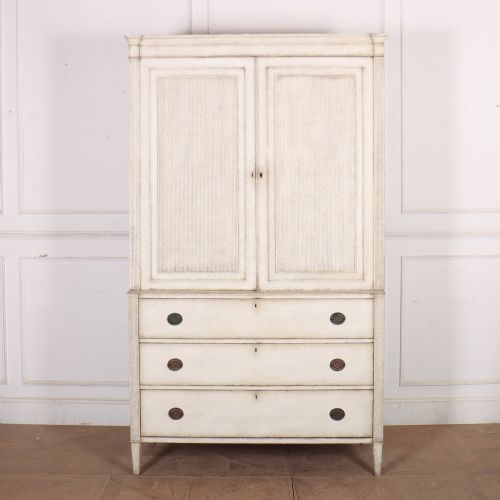
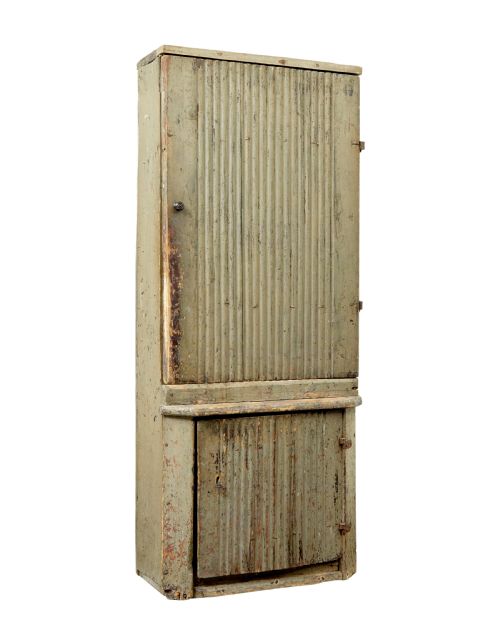
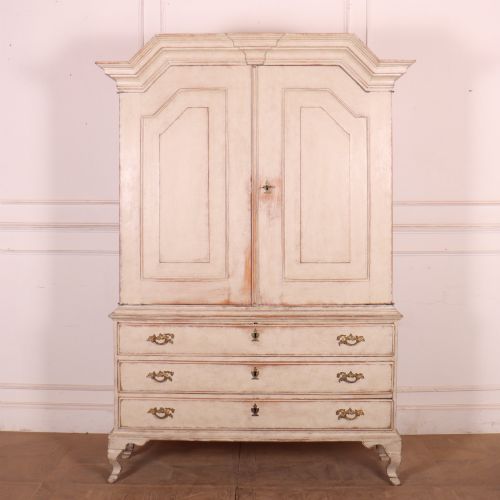
When you search for a swedish style cabinet, you encounter storage forms rooted in eighteenth and nineteenth century Scandinavian domestic interiors. These items range from tall linen cupboards and glazed display cases to small bedside tables, commodes, and bureaus.
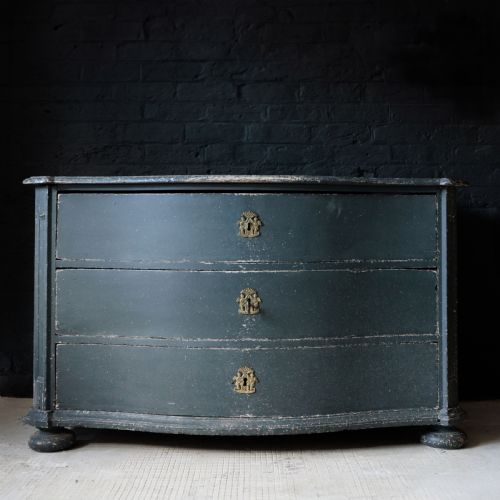
The pieces appearing on this page span several decades and styles, including Gustavian, Biedermeier, and Scandinavian Country aesthetics. The selection relies heavily on painted softwood and native birch, often shaped with panel doors or serpentine fronts.
How they were made
Makers relied primarily on pine and softwood carcasses, often finished with layers of paint or original scraped paint surfaces. Birch and birch veneer also appear, utilised for grain patterns on mid-nineteenth-century chests and buffets.
Iron and brass hardware secure doors and drawers, while carved details add restrained decoration to cornices and drawer fronts. Surfaces receive hand-painted treatments that define the pale, weathered palette typical of the region.
Object types range from tall linen cupboards and glazed display cases down to compact bedside tables and miniature dressers.
What varies in quality
The standard of a piece depends upon the integrity of its surface treatment, distinguishing original scraped paint from later redecoration. Finer examples retain their early layers and patination, showing genuine age through worn pigment rather than applied distress.
Construction quality shows in the choice of timber and joinery, with solid pine and figured birch holding an advantage over lesser woods. Proportions also matter, separating simple utility furniture from more refined pieces with balanced proportions and crisp carving.
The Swedish Style Cabinet Glossary
- Gustavian
- A neoclassical Swedish design movement characterised by restrained classical motifs and pale painted finishes. It emerged during the late eighteenth century under King Gustav III.
- Commode
- A low chest of drawers or cabinet designed for domestic storage. These pieces frequently feature serpentine fronts or decorative painted surfaces.
- Birch veneer
- A thin layer of birch timber applied to a secondary wood base to display decorative grain. It appears on mid-nineteenth-century storage forms.
- Enfilade
- A suite of pieces or a long sideboard designed to stand in a line along a wall. The listings include matched pairs of these grand storage items.
- Scraped paint
- A finish conservation technique that reveals early underlying paint layers by carefully removing later coats. This preserves the original historical surface.
Swedish Style Cabinet: Frequently Asked Questions
What is a swedish style cabinet?
A swedish style cabinet is a historic storage piece originating from Scandinavia, typically constructed from pine or birch and finished with pale paint. These items encompass linen cupboards, commodes, and display units designed for domestic utility.
The aesthetic draws on eighteenth and nineteenth-century traditions, including Gustavian and country styles. They serve as functional storage while introducing bright, reflective surfaces to domestic spaces.
How do I date a painted cupboard?
Dating a painted cupboard involves examining the construction methods, timber types, and the composition of the paint layers themselves. Eighteenth-century examples often feature heavier pine framing and hand-mixed pigments that show natural wear over generations.
Later nineteenth-century pieces may utilise machine-sawn boards or different hardware styles. Examining the interior construction helps determine whether the piece belongs to the early or late period of the tradition.
Where were these cabinets used?
These cabinets served practical storage functions in northern European homes, holding linens, tableware, and personal belongings. Tall linen cupboards stood in bedrooms or hallways, while smaller bedside tables and commodes occupied private chambers.
Larger bookcases and display cabinets functioned in reception rooms to hold books and porcelain. Their pale painted finishes helped maximise natural light in rooms during long northern winters.
How do I care for painted wood?
Caring for painted softwood furniture requires maintaining stable indoor humidity levels to prevent timber movement and paint flaking. Dusting with a dry, soft cloth prevents the accumulation of dirt on historic surfaces.
Avoid using harsh chemical cleaners or modern polishes that can soften or strip aged paint layers. Gentle handling preserves the delicate patination built up over centuries of use.