




Green Glazed Cupboard
A green glazed cupboard brings together useful storage and a coloured finish, offering both display space and practical organisation.
Green Glazed Cupboard
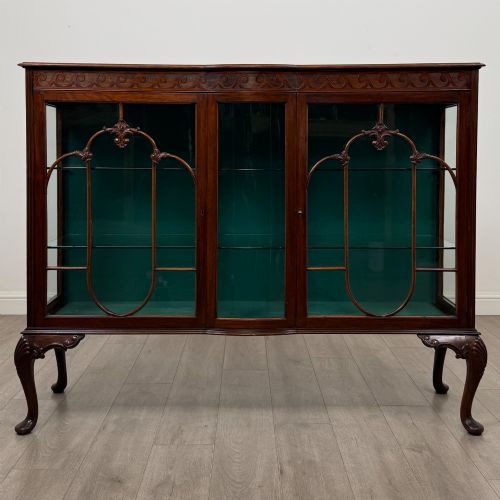
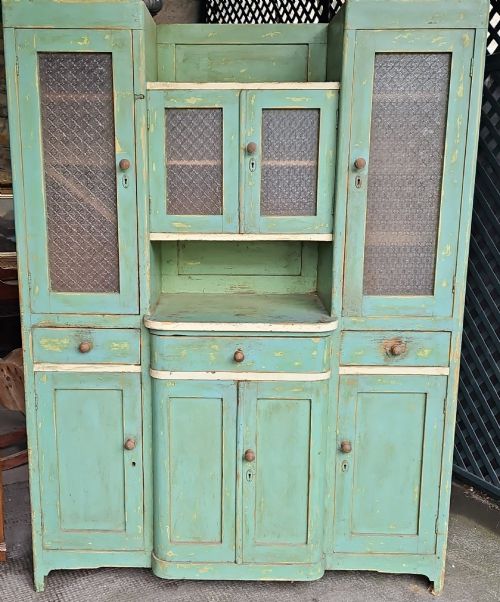
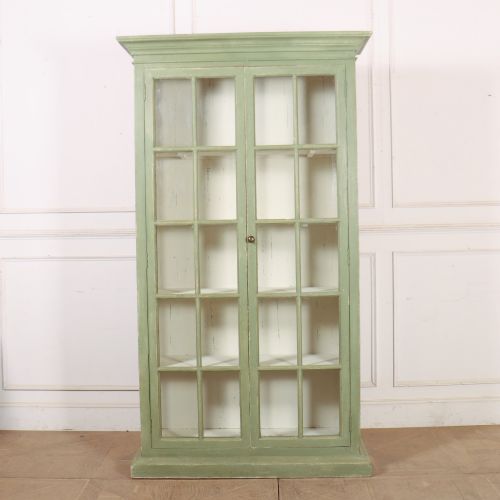
A green glazed cupboard provides enclosed storage with glass panels to reveal the contents within. Buyers seeking a green glazed cupboard will find examples ranging from country pine kitchen dressers to formal mahogany display cabinets.
The selection includes pieces from the eighteenth, nineteenth and twentieth centuries, originating from England, Ireland, Denmark, and the Netherlands. Regional variations span from English West Country dressers to Dutch painted vitrines.
Forms vary from tall library bookcases and kitchen cabinets to bedside cabinets and food cupboards. Painted wood surfaces in green tones predominate, often paired with natural oak or pine structures.
Materials and construction methods
Construction relies heavily on timbers such as pine, oak, and mahogany, shaped into robust carcases and panelled doors. Painted wood finishes form a key characteristic, applied over pine and softer woods in country and regional workshops.
Glazing techniques incorporate glass panes set into wooden frames to protect books, china, and provisions. Brass hardware provides functional hinges and pulls on many of the doors and drawers.
Carving appears on specific Victorian and Arts and Crafts examples, utilising oak and other hardwoods for decorative mouldings and intricate details.
Current listings span the eighteenth, nineteenth, and twentieth centuries, incorporating pine, oak, mahogany, glass, and brass.
Factors that distinguish individual examples
Quality rests on the integrity of the timber framing and the preservation of the original or early painted surfaces. Pieces with integrated brass fittings and well-fitted glass doors show greater structural care.
The presence of hand-carved details, as seen in library bookcases and Arts and Crafts pieces, distinguishes more elaborate workshops from standard utility furniture. Proportion and scale also dictate how successfully a piece sits in a room.
The Green Glazed Cupboard Glossary
- Glazed bookcase
- A piece of furniture featuring glass-fronted doors designed specifically for storing and displaying books. These items often include adjustable wooden shelving inside.
- Kitchen dresser
- A traditional utility form combining lower cupboards or drawers with upper shelving or display cabinets. They serve both storage and display functions in domestic spaces.
- Vitrine
- A glass-sided and glass-fronted display cabinet used primarily for showcasing porcelain and decorative objects. The term originates from the French word for glass.
- Arts and Crafts
- A design movement focusing on traditional craftsmanship and simple forms, often utilising unpretentious materials like oak and ceramic tiles. Pieces from this era emphasise utility and honest construction.
- Painted wood
- Timber surfaces coated with decorative paint, which appears frequently on regional country cupboards and dressers. This finish protects the wood while adding colour to the piece.
Green Glazed Cupboard: Frequently Asked Questions
What is a green glazed cupboard?
A green glazed cupboard is a storage unit featuring glass doors and a painted green exterior or interior. These pieces function as display cabinets, bookcases, or kitchen dressers.
They combine practical shelving with visibility, allowing owners to store items safely while keeping them in view.
How do I date an antique cabinet?
Dating involves examining the construction methods, timber choices, and hardware styles. Edwardian and Victorian pieces often display distinct decorative carvings or machine-cut elements.
Earlier eighteenth-century examples tend to show hand-planed timbers and regional construction traits typical of Dutch or English workshops.
Where were these cupboards made?
The pieces originate from various regions across England, Ireland, Denmark, and the Netherlands. English examples often feature West Country pine or oak.
Continental pieces, particularly from the Netherlands, frequently showcase painted vitrine designs and specific regional cabinet-making traditions.
How should I care for painted wood?
Painted wooden surfaces require gentle cleaning with a soft, dry cloth to remove dust. Avoid harsh chemical cleaners that might strip the historic paint layers.
Keep the furniture away from direct sunlight and excessive moisture fluctuations to protect the wood and glass joints.
Can I use these in a kitchen?
Many of these pieces originated as kitchen dressers, food cupboards, or kitchen cabinets. Their traditional purpose was storing provisions, crockery, and utensils.
Today, they serve equally well for modern kitchen storage or as display furniture in dining and living rooms.