

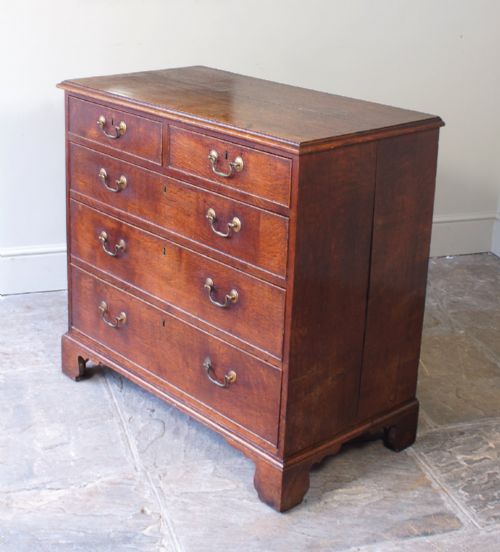
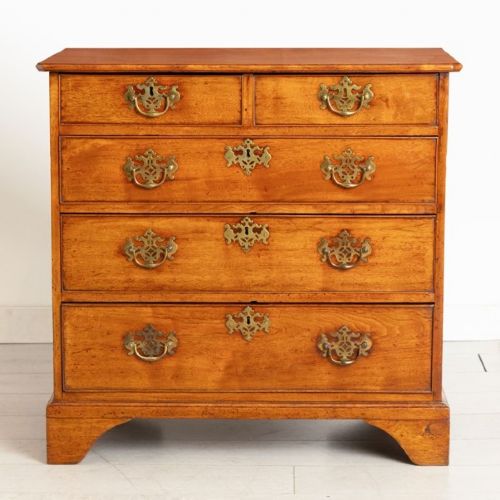
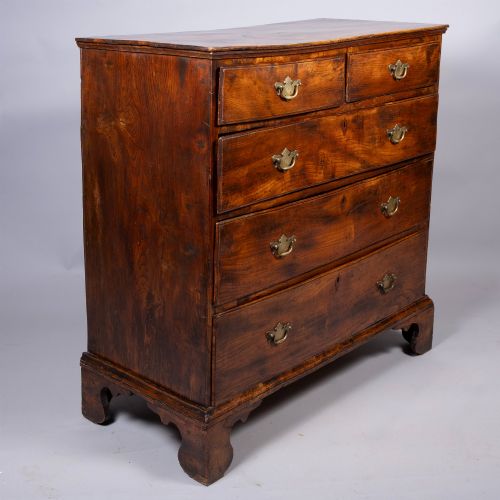
Three Drawer Oak Commode
A three drawer oak commode combines honest timber with utilitarian storage, offering a sturdy silhouette that anchors a traditional room.
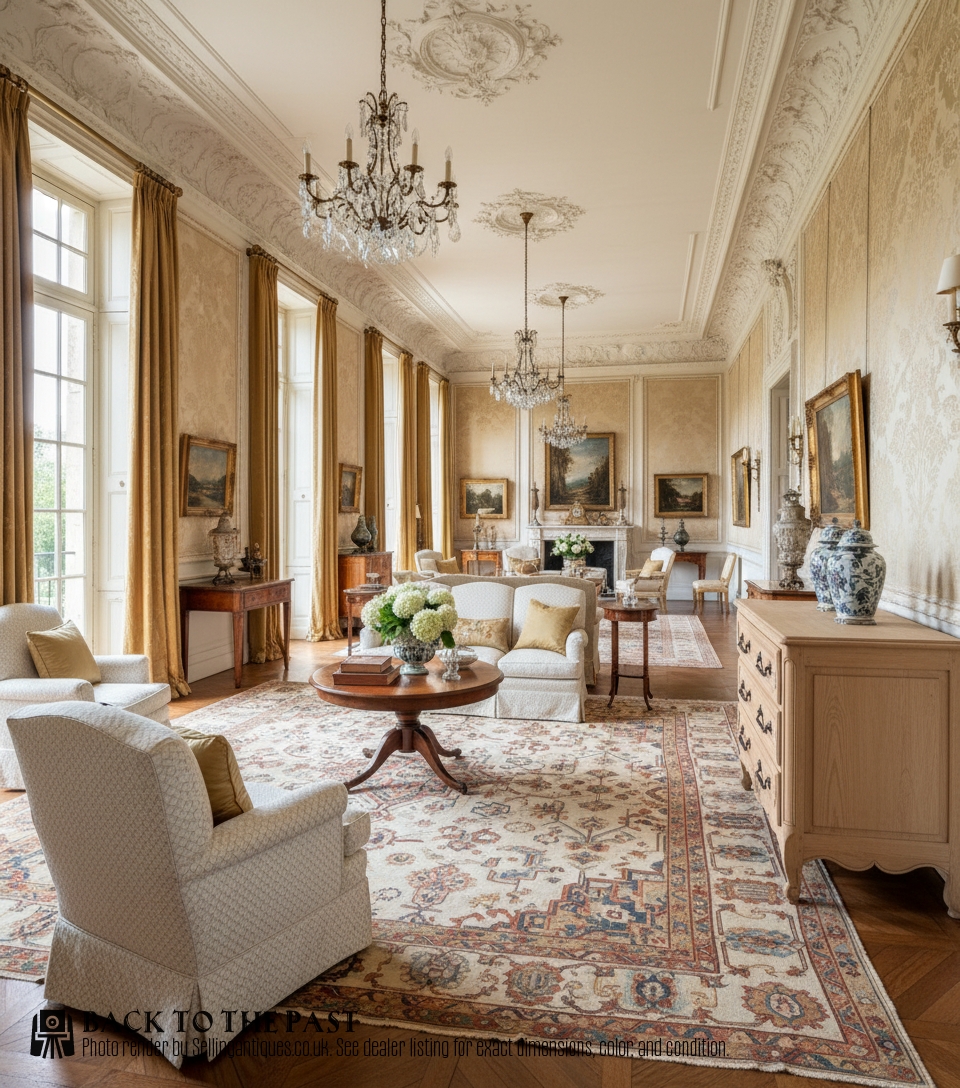
Three Drawer Oak Commode
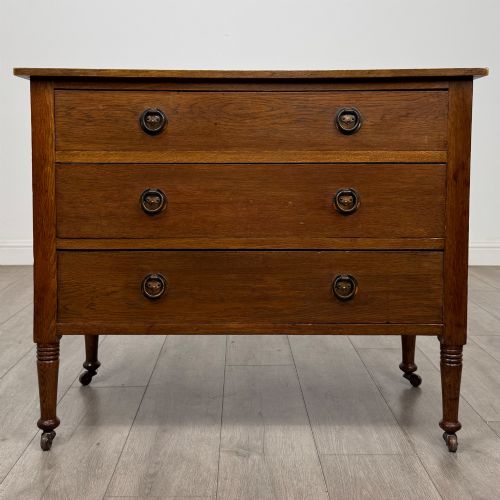
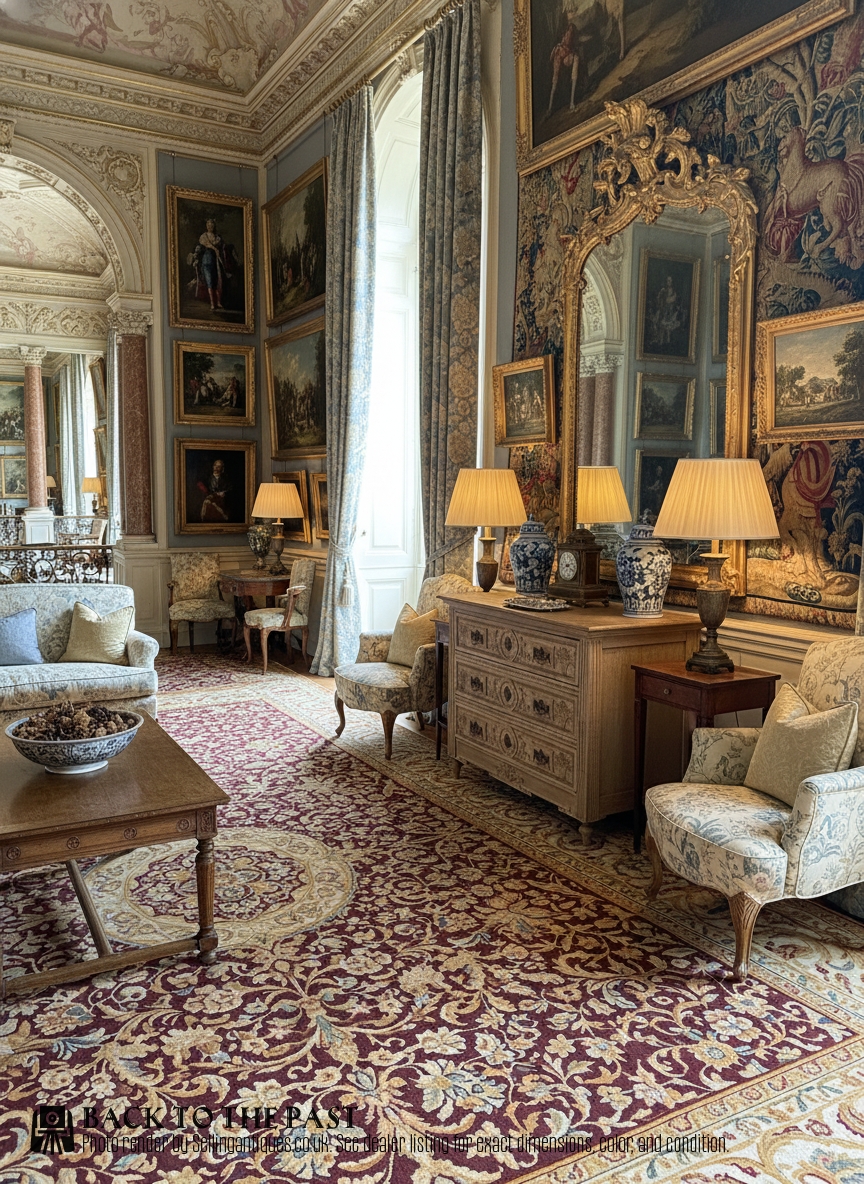
A three drawer oak commode brings together low chests and bedside cabinets shaped across the eighteenth and nineteenth centuries, alongside revival pieces from the early twentieth century. You will encounter Georgian country pieces alongside French provincial designs and Edwardian interpretations.
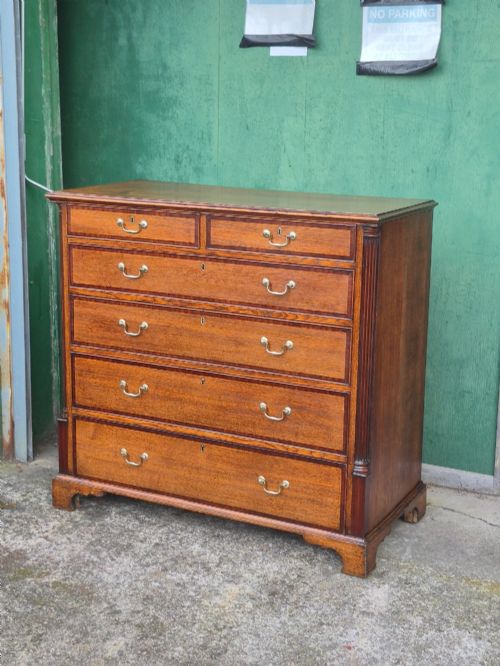
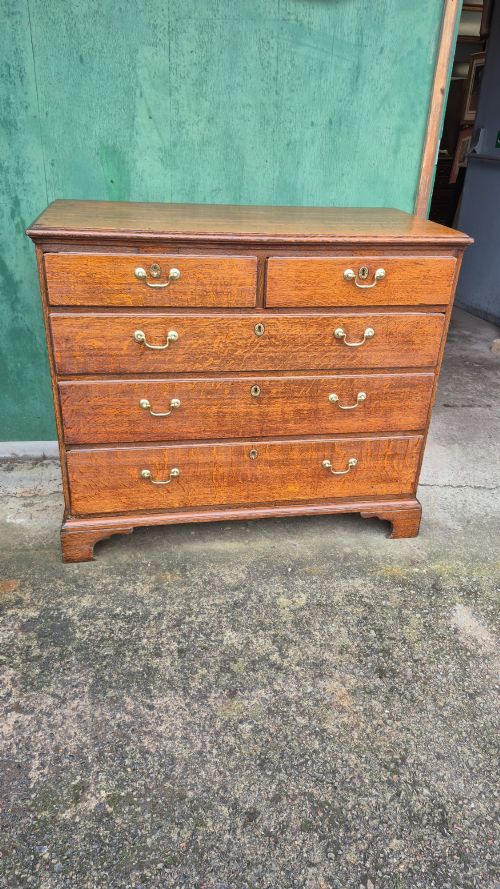
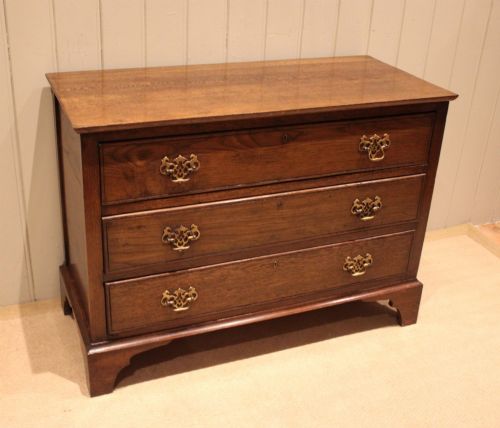
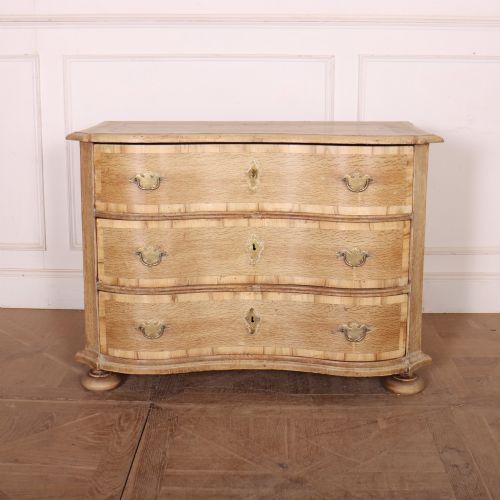
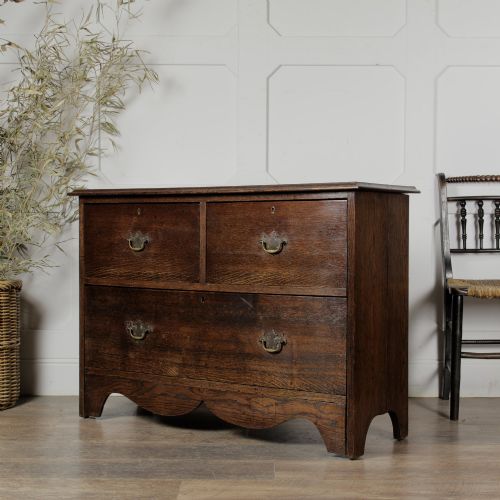
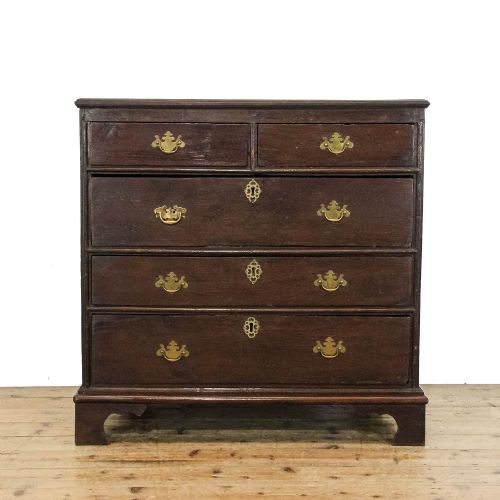
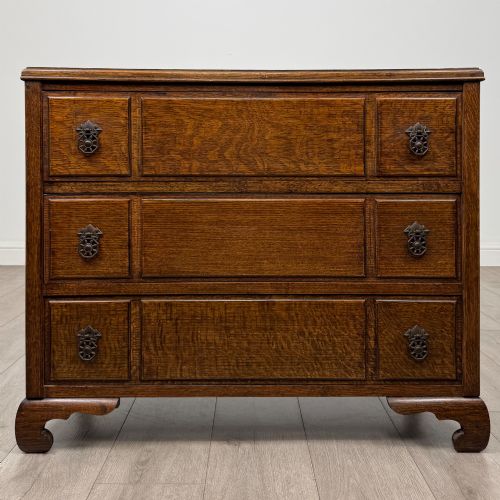
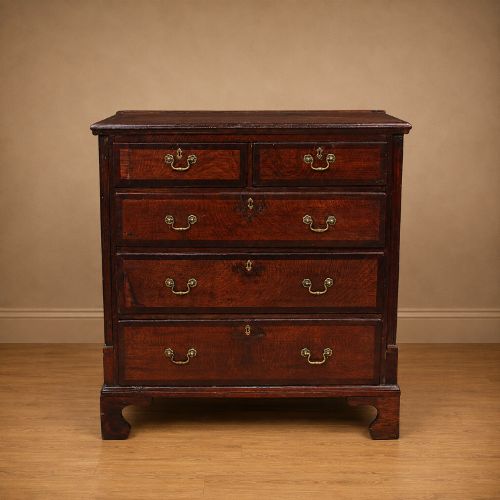
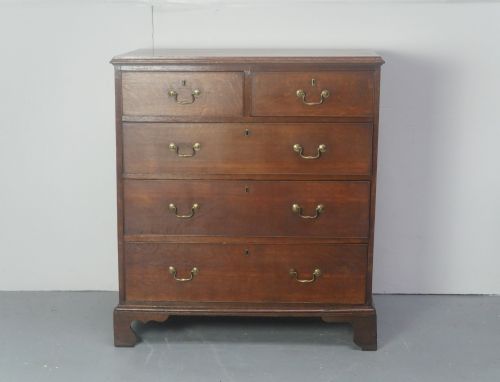
The proportions range from compact continental commodes with serpentine fronts to straight-front English chests standing on bracket feet. Oak forms the primary substance, occasionally partnered with mahogany crossbanding or walnut details.
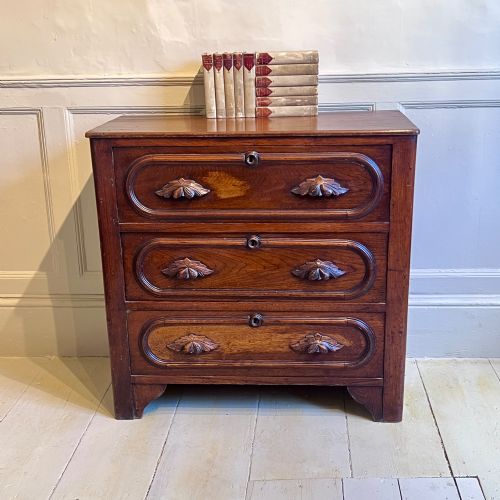
Continental examples often display carved decoration and painted finishes, while domestic Georgian versions rely on the grain of the wood. Many pieces utilise brass handles, marking them out as working furniture built for daily use.
Materials and construction
Makers built these pieces primarily using solid oak, selecting timber for its strength and pronounced grain. Cabinet makers also incorporated mahogany for crossbanding and walnut for decorative contrast on select surfaces.
Joinery methods relied on sturdy frame construction and pegged joints to handle the weight of drawers loaded with linen or clothes. Surface treatments varied from natural wax to painted layers, bleached finishes, and marble tops on continental commodes.
Three Drawer Oak Commode Retail Price Guide 2026
Typical asking prices for three drawer oak commode among the pieces listed under this phrase on Sellingantiques today, from the lower quarter to the upper quarter. They describe what is for sale here now, not the wider market.
Listings feature oak combined with mahogany, walnut, brass, paint, and marble across eighteenth-century and Edwardian periods.
Subtleties of execution
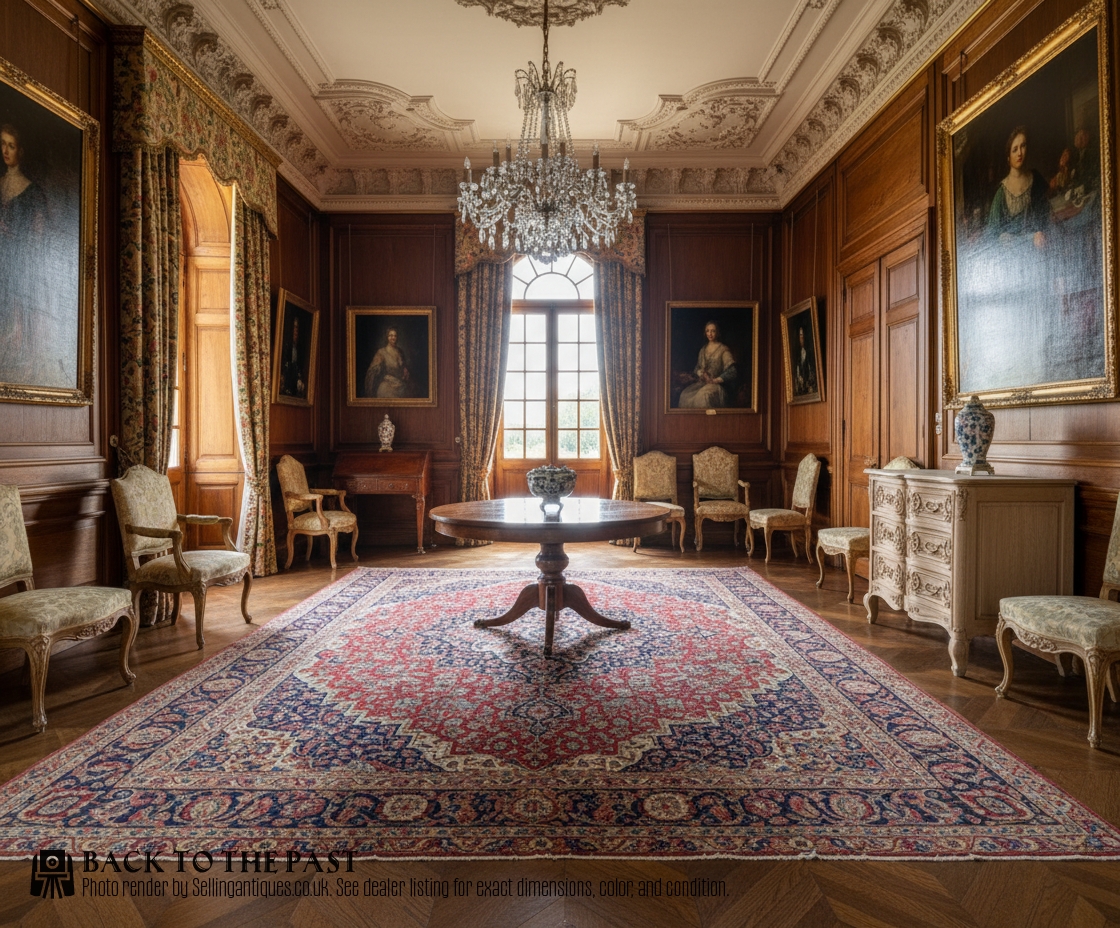
The quality of a three drawer oak commode rests in the crispness of the carving and the selection of figured timber for drawer fronts. Finer examples display meticulous crossbanding in mahogany and retain their original brass hardware.
Proportion and restraint separate standard regional pieces from superior cabinet work. A well-balanced serpentine front or finely moulded bracket feet indicate a maker who balanced structural integrity with aesthetic proportion.
The Three Drawer Oak Commode Glossary
- Crossbanding
- A decorative border of veneer laid across the grain of the primary wood. This technique frames the drawer fronts with a contrasting timber such as mahogany.
- Bracket foot
- A simple architectural foot supporting the corner of a chest. It forms a neat L-shape that lifts the case slightly off the floor.
- Serpentine
- A front contour that curves outward at the centre and inward toward the ends. This sweeping line appears frequently on continental commodes.
- Bleached oak
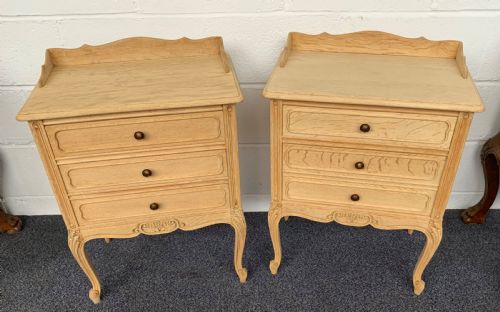
- Timber treated to lighten its natural colour. This finish creates a pale, understated surface popular in French provincial and later decorative pieces.
Three Drawer Oak Commode: Frequently Asked Questions
How do I date an oak commode?
Dating relies on construction methods, timber selection, and handle styles. Earlier pieces show hand-cut joinery and pegged frames.
Later revival items from the twentieth century utilise uniform machine-sawn timber and standardised hardware.
Where were these commodes used?
These pieces served primarily in bedrooms and dressing rooms for storing folded garments and linens. Continental commodes also found places in reception rooms.
Smaller versions functioned as bedside cabinets beside sleeping quarters.
Are painted finishes original?
Some continental pieces carry historical painted surfaces that developed over generations of domestic use. Other items received decorative treatments during later revival periods.
Examining the wear patterns reveals whether paint layers belong to the original period of manufacture.
How do English and French pieces differ?
English chests generally favour straight fronts and structural simplicity using native oak. French commodes frequently incorporate curved serpentine lines, carved ornamentation, and sometimes marble tops.
Both traditions prioritise solid timber construction for daily utility.