


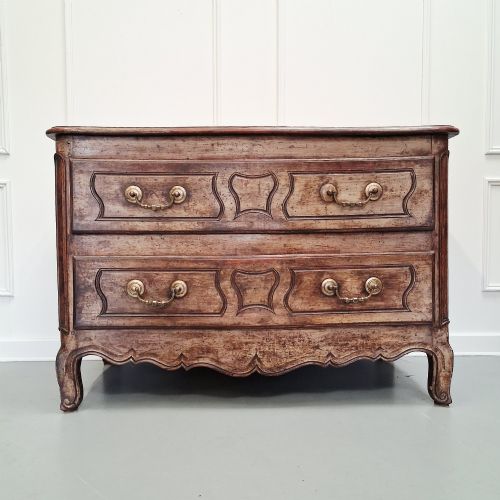
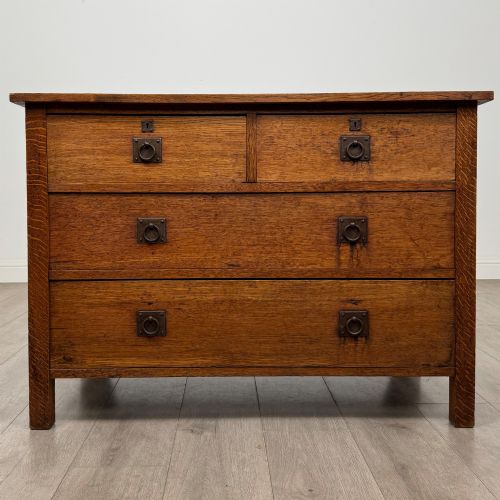
Vintage Oak Chest of Drawers
A vintage oak chest of drawers brings sturdy utility and rich grain to a room, offering enduring storage shaped by centuries of cabinet-making.
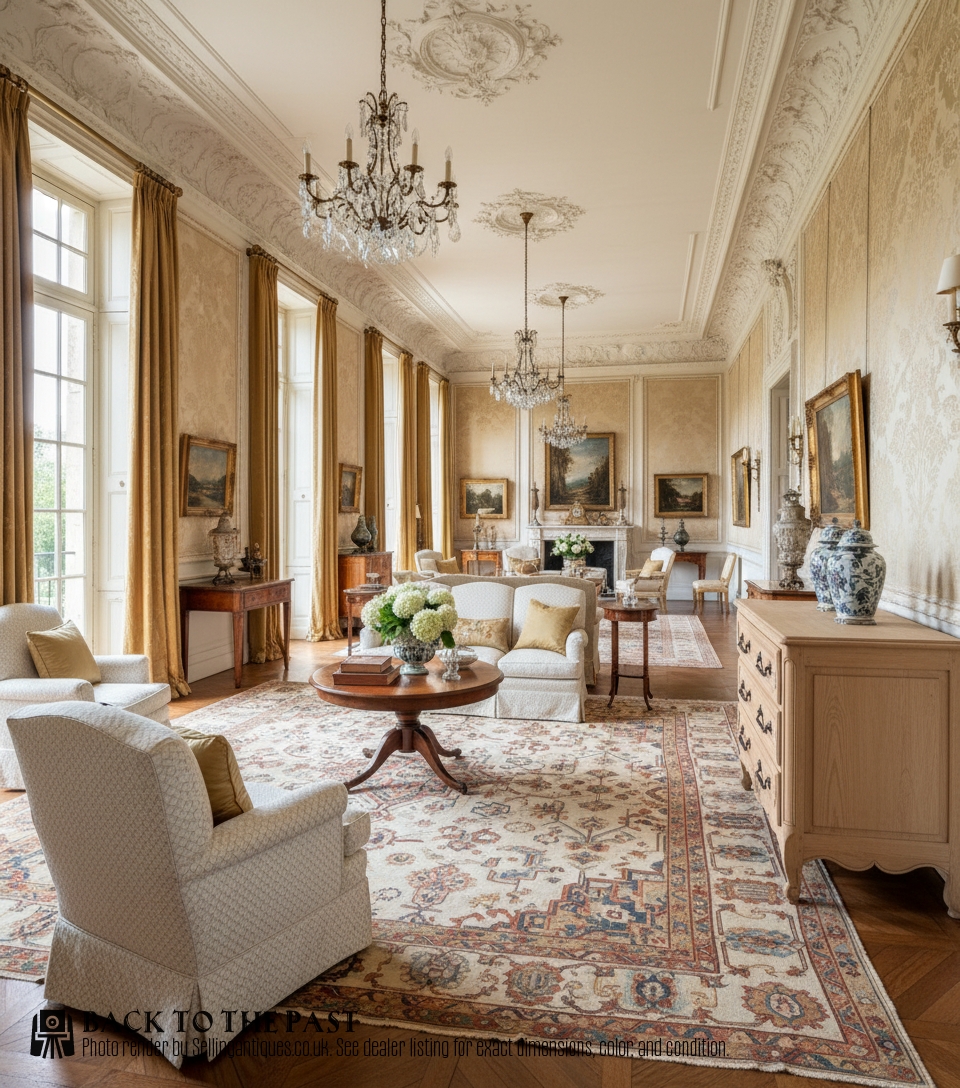
Vintage Oak Chest of Drawers
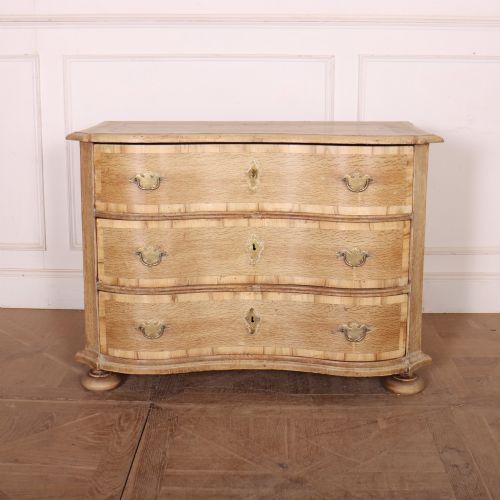
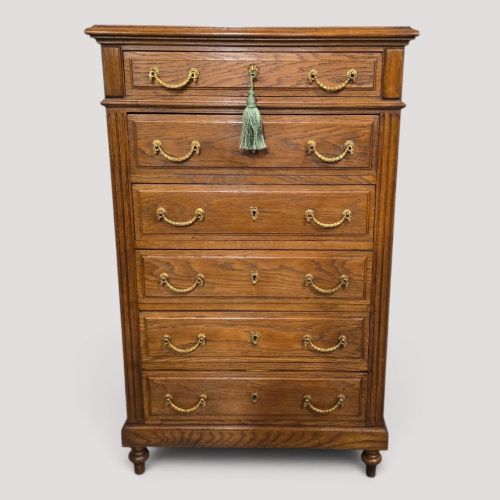
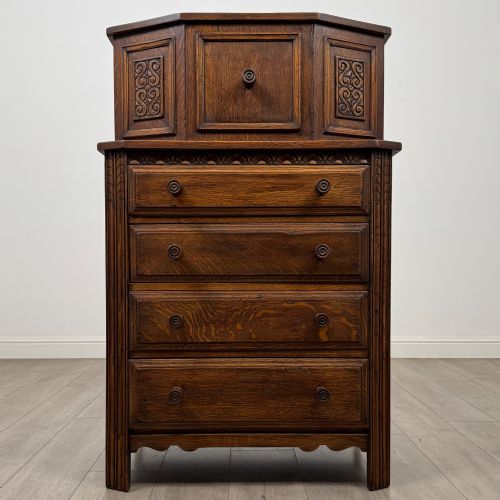
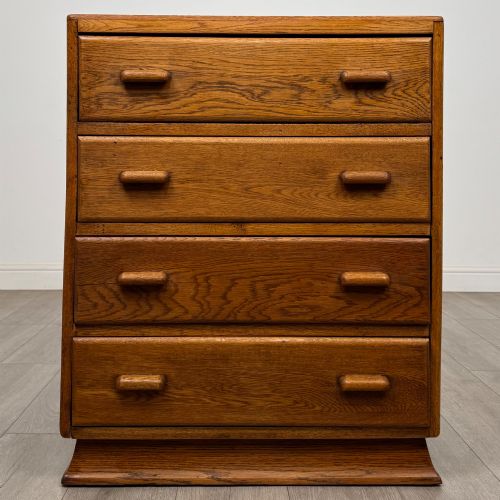
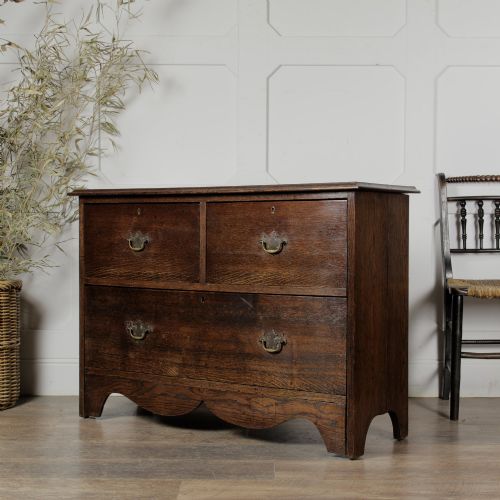
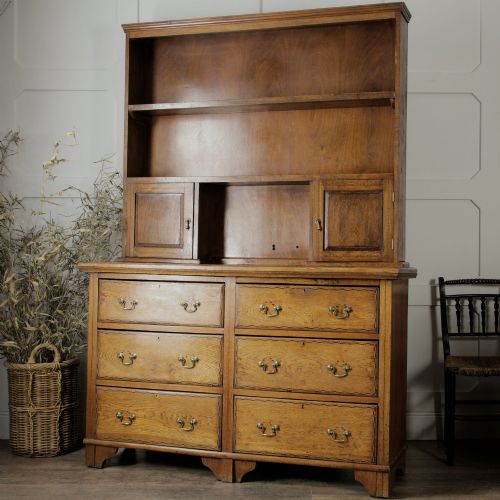
A vintage oak chest of drawers serves as a practical storage solution that appears frequently in Edwardian, Georgian, and twentieth-century interpretations across these listings. Buyers seek these pieces for their robust construction and deep, characterful wood grain which anchors a bedroom or living space.
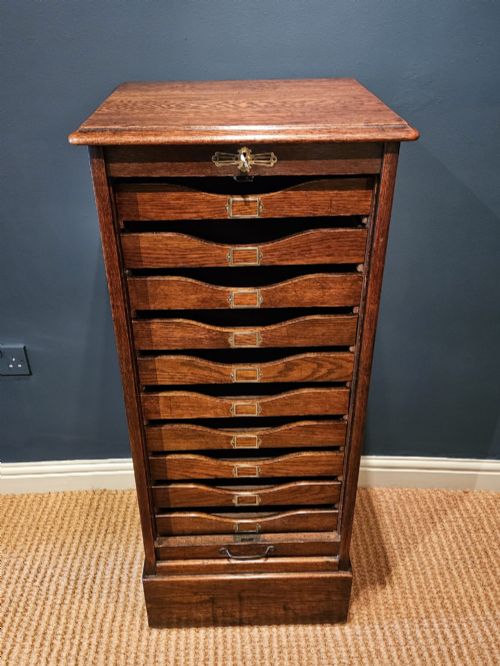
The selection ranges from tall upright chests and low proportions to filing cabinets, commodes, and linenfold cupboards. Edwardian and 1930s examples in solid or light oak dominate the current availability, alongside earlier Georgian and Victorian iterations.
Materials and Construction
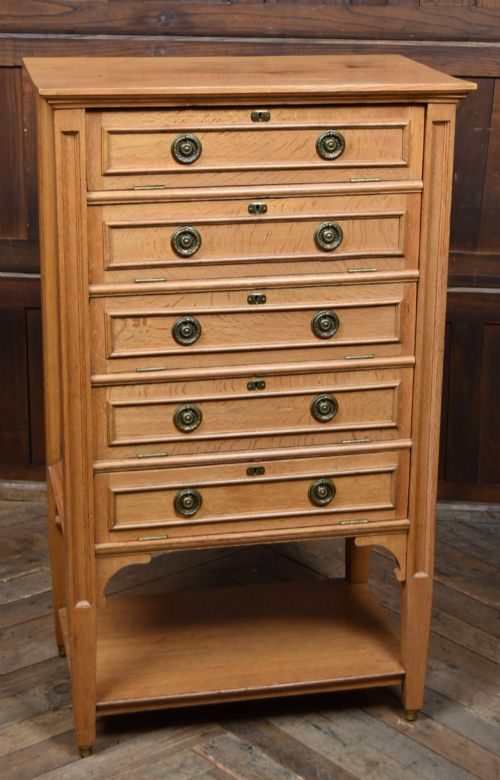
Cabinet-makers relied primarily on solid oak, frequently complemented by secondary timbers and finished with brass hardware or metal fittings. Surface treatments range from waxed and honey tones to limed and bleached finishes.
Joinery methods reflect the specific period of manufacture, moving from traditional hand-cut joints in earlier centuries to efficient twentieth-century workshop production while maintaining structural integrity.
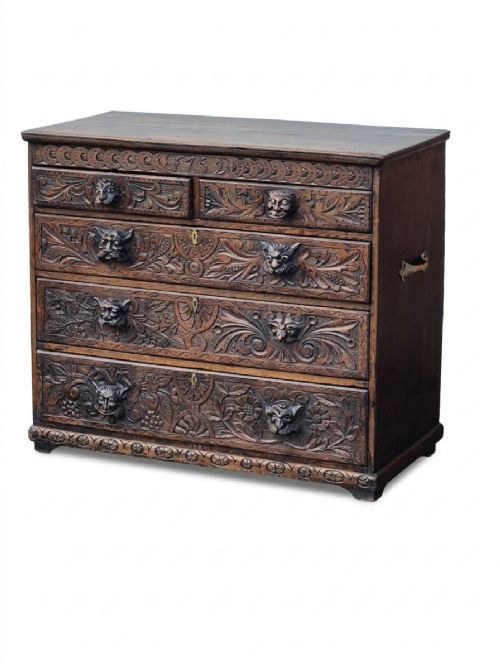
A grinning Green Man peers out from Victorian oak timber, guarding your socks with ancient woodland mischief.
Evaluating Build and Finish
Quality rests upon the selection of timber, the precision of the drawer construction, and the preservation of the original surface finish. Superior examples display thoughtful grain matching and robust internal framing that withstands daily use.
The treatment of the wood distinguishes standard production from finer output, whether through skilful bleaching, liming, or deep waxing that enhances the natural figure of the oak without masking its history.
The Vintage Oak Chest of Drawers Glossary
- Commode
- A decorative chest of drawers or cabinet, often originating from French or continental traditions. These pieces frequently feature shaped fronts or specialised wood veneers.
- Linenfold
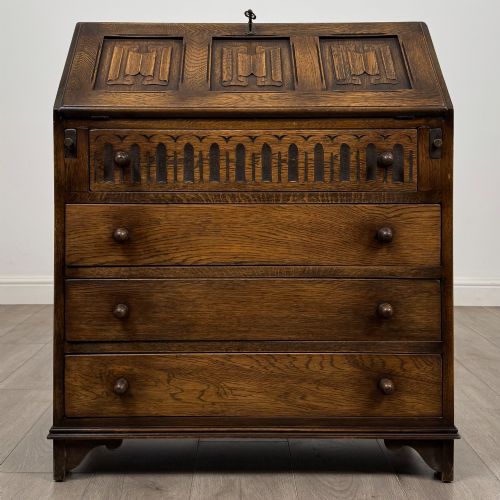
- A carved wooden panel motif imitating folded cloth, commonly found on Edwardian and revival oak furniture. This decorative technique adds surface texture to drawer fronts and cupboard doors.
- Tallboy
- A tall chest of drawers consisting of one chest stacked upon another or built as a single elongated unit. This form maximises vertical storage capacity within a compact footprint.
- Tambour
- A flexible sliding shutter formed of narrow strips of wood glued to canvas, often utilised on filing cabinets and desks. It allows smooth access to enclosed shelving and storage compartments.
- Jacobean Revival
- A nineteenth and twentieth-century style emulating seventeenth-century English furniture design. Pieces typically incorporate heavy mouldings, geometric paneling, and dark oak tones.
Vintage Oak Chest of Drawers: Frequently Asked Questions
How do I date an oak chest?
Dating relies on examining the construction methods of the drawer linings, the type of hardware fitted, and the overall style of the piece. Hand-cut dovetails and pegged joints generally point to earlier centuries, while standardised machine production indicates twentieth-century manufacture.
Changes in handles, locks, and secondary timbers also provide clues to the era in which the cabinet was built. Comparing the proportions and decorative motifs against known historical styles helps narrow down the decade.
Are these drawers suitable for daily use?
Solid oak construction makes these chests exceptionally sturdy and well-suited for everyday storage needs in modern homes. The robust materials ensure that the drawers slide reliably and support the weight of folded clothing or household items.
Routine care involves keeping the wood nourished with appropriate wax or polish and avoiding placement near excessive heat sources. Properly maintained joints and runners will function smoothly for decades of continued domestic service.
How do Georgian and Edwardian chests differ?
Georgian chests typically exhibit heavier proportions, hand-cut dovetailing, and rich patinated dark oak or walnut-adorned surfaces from the eighteenth century. Edwardian pieces often present lighter golden or fumed oak tones with streamlined twentieth-century hardware and occasional revival motifs.
Examining the internal drawer construction and the thickness of the timber reveals the manufacturing standards of each specific period. Edwardian workshops also produced specialised variants like tambour front filing cabinets alongside traditional drawer arrangements.