


Antique Style Oak Commode
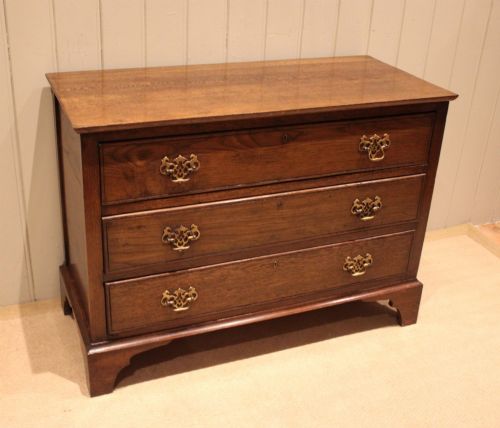
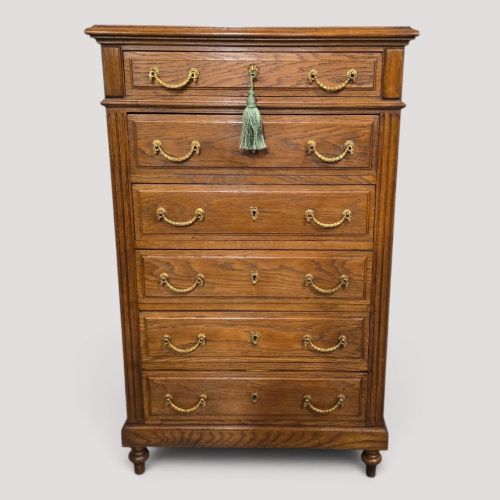
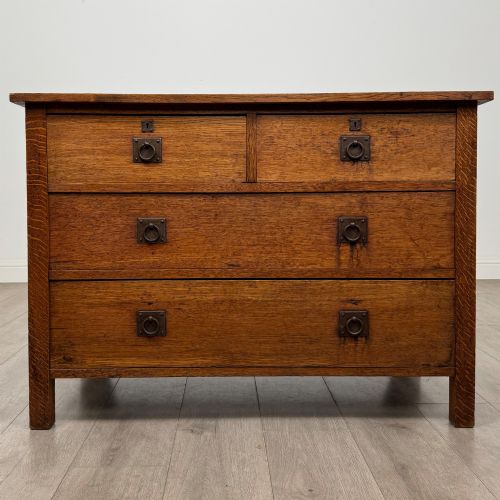
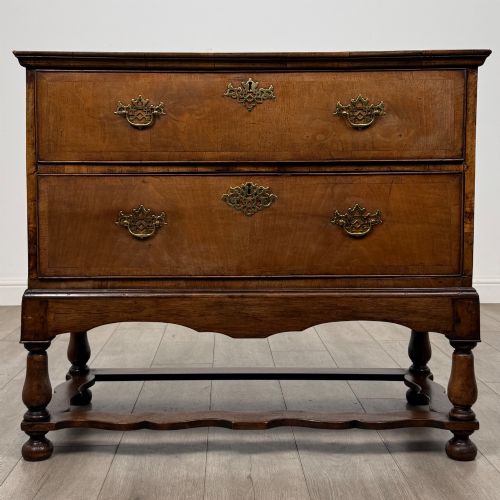
An antique style oak commode brings robust timber and generous storage to a room, spanning periods from the seventeenth century through to the Edwardian era.
Antique Style Oak Commode
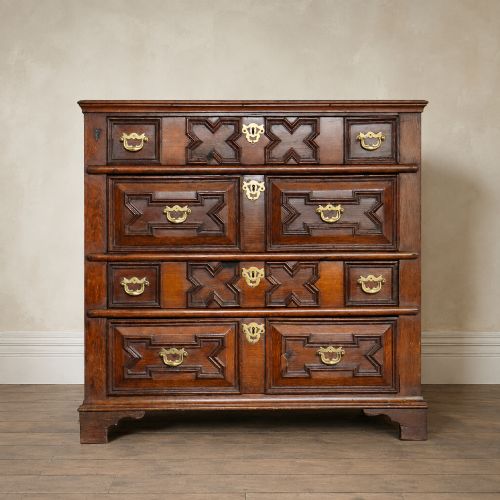
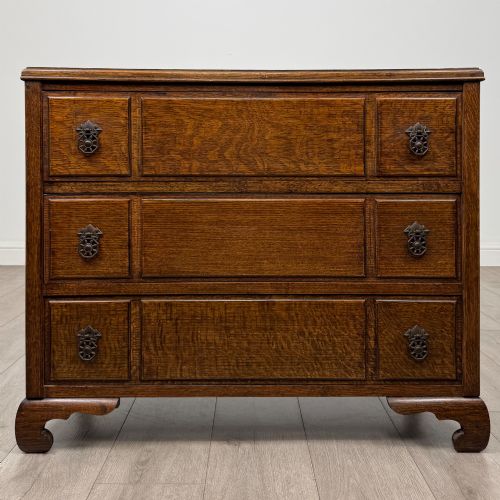
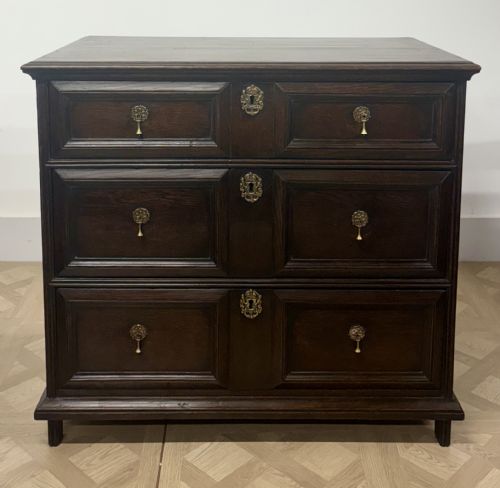
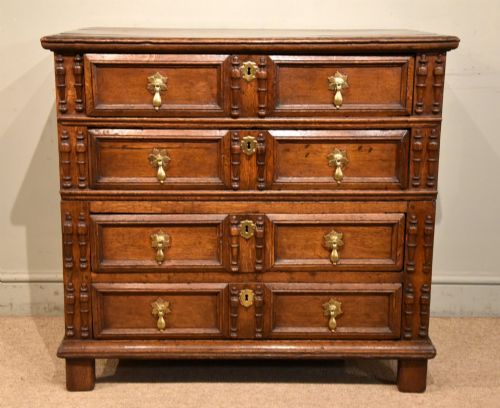
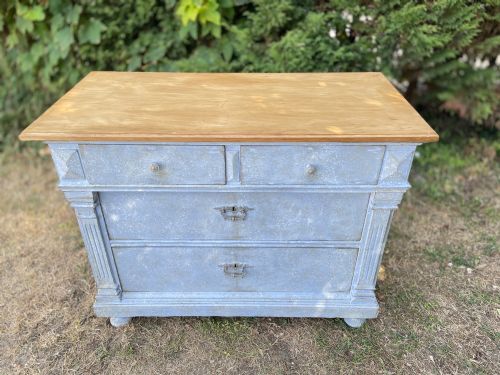
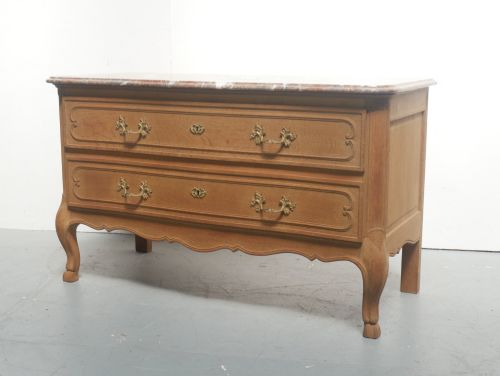
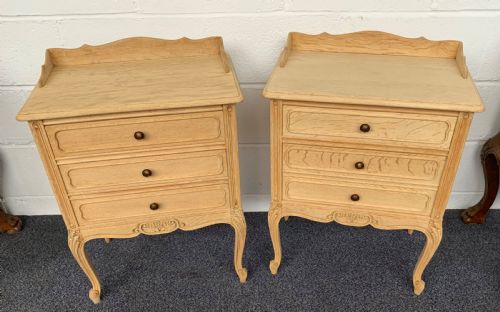
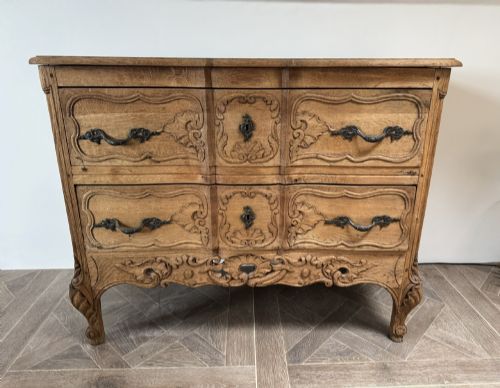
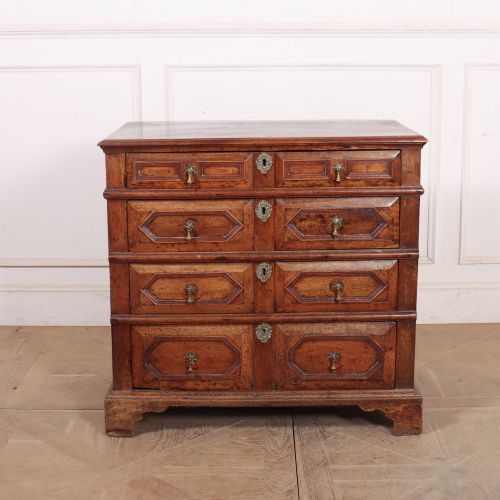
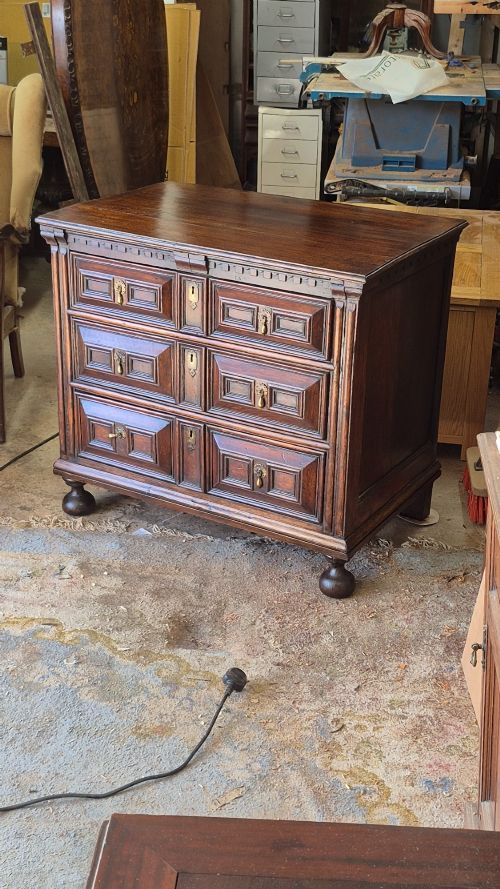
An antique style oak commode encompasses a variety of substantial storage furniture, ranging from early geometric moulded pieces to later French provincial commodes and bedside cabinets. When searching for this phrase, buyers encounter forms such as chests of drawers, commode chairs, washstands, and bombe commodes spanning the seventeenth, eighteenth, and nineteenth centuries. The selection also includes early twentieth-century examples, incorporating Edwardian, Arts and Crafts, and Art Deco interpretations in solid oak.
Continental influences appear frequently alongside English designs, with French provincial, Dutch, Swedish, and Scandinavian Baroque pieces shaping the selection. Buyers often meet pieces featuring marble tops, painted wood surfaces, or bleached finishes alongside traditional dark timber. These items serve primarily as functional storage units for bedrooms and living spaces, offering varied drawer configurations including secret compartments and bow fronts.
Assessing Quality
The standard of craftsmanship shows in the crispness of carved details, the precision of geometric mouldings, and the selection of timber grain. Superior pieces display thoughtful integration of brass or iron hardware and well-fitted drawers that operate smoothly within their carcases. Early seventeenth and eighteenth-century examples rely on the integrity of their original construction and timber patination to set them apart.
Continental variations demonstrate quality through the execution of bombe curves, serpentine fronts, and the fitting of marble tops. The relationship between decorative elements, such as paint or ebonisation, and the underlying oak carcase dictates the refinement of the piece. Lesser examples exhibit simpler joinery and heavier, less nuanced surface alterations from later periods.
Listings feature oak commodes spanning the seventeenth century through to the nineteen-thirties, incorporating French, Dutch, and English provincial designs.
The Antique Style Oak Commode Glossary
- Bombe
- A bulging, convex shape characteristic of continental commodes from the eighteenth and nineteenth centuries. This curved profile requires advanced cabinet-making skills to execute successfully.
- Commode
- A low chest of drawers or cabinet designed for storage, often associated with French and continental design. The term also historically encompasses chamber commode chairs.
- Geometric Moulding
- Raised wooden mouldings applied to drawer fronts in rectilinear patterns, common on seventeenth-century oak furniture. This technique adds depth and visual interest to flat timber surfaces.
- Serpentine
- A furniture front shaped with a central convex curve flanked by concave sweeps. This flowing contour appears on eighteenth and nineteenth-century commodes.
- Washstand
- A piece of furniture designed to hold a basin and pitcher for washing, frequently topped with marble or tile. These items often include small cupboards or drawers beneath the top surface.
Antique Style Oak Commode: Frequently Asked Questions
How do I date an oak commode?
Dating relies on examining construction methods, handle hardware, and timber patination. Early pieces from the seventeenth century often feature pegged joints and geometric mouldings.
Later nineteenth and twentieth-century items incorporate machine-cut elements and standardised drawer runners. Stylistic markers like bracket feet or serpentine fronts also point to specific design periods.
How do I care for a marble top commode?
Marble surfaces require gentle cleaning with mild soap and warm water to preserve the stone. Avoid acidic cleaners or harsh chemicals that can etch the polished finish.
Using coasters and mats protects the stone from stains and scratches during daily use. Regular wiping maintains the natural sheen of the marble top.
Where should I place an oak commode?
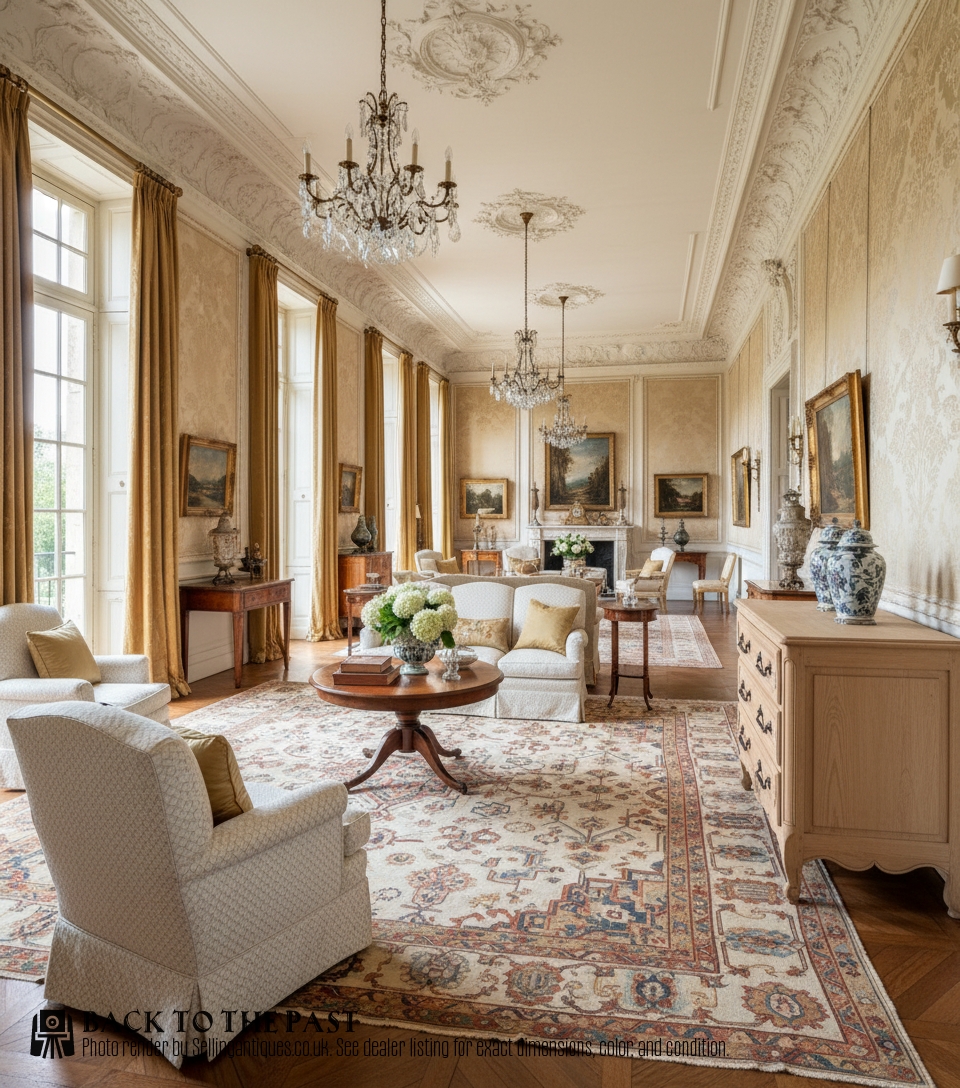
An oak commode fits well in bedrooms, hallways, or living rooms as a primary storage unit. The generous drawer capacity accommodates clothing, linens, or household items.
Position the piece away from direct heat sources and strong sunlight to protect the timber. This placement prevents the oak from drying out or splitting over time.