




Cabriole Leg Oak Chest
A cabriole leg oak chest brings together sturdy timber and graceful, curving supports, offering a practical storage piece with distinct period character.
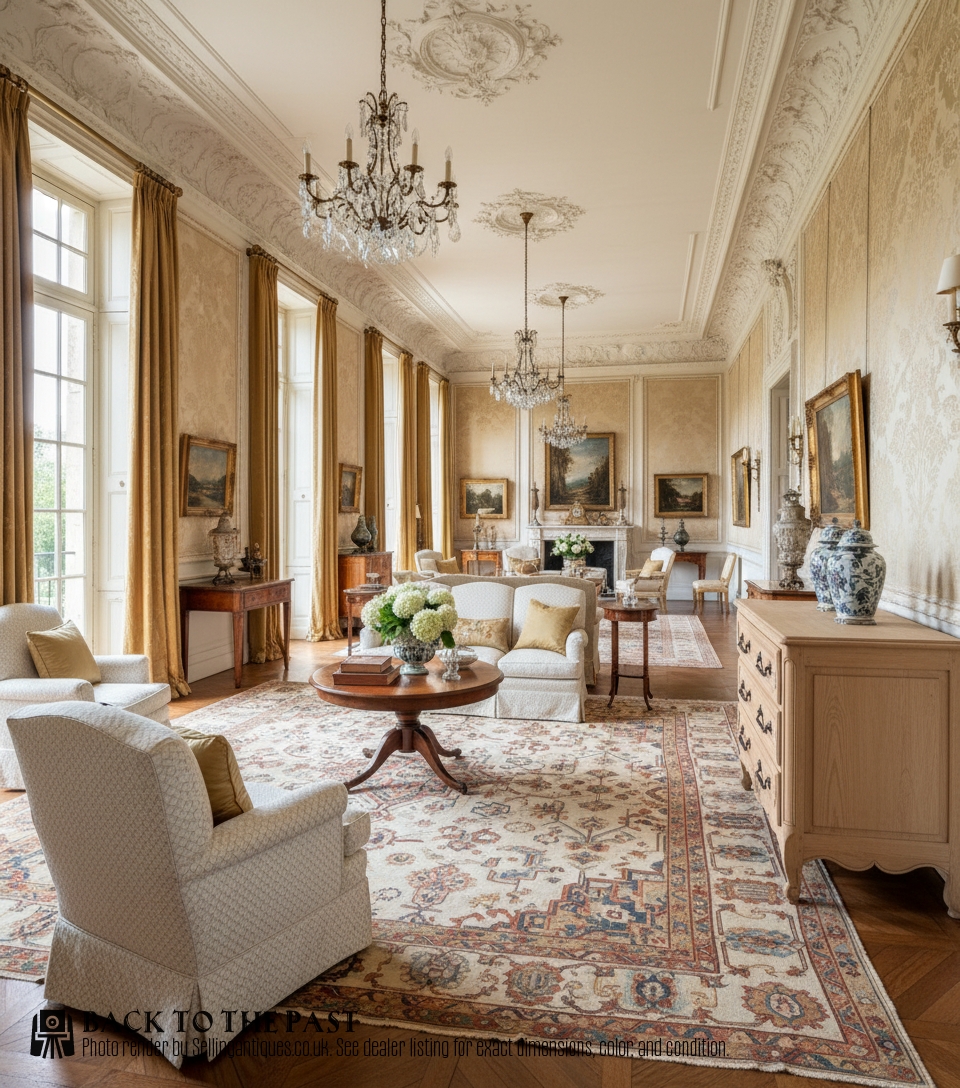
Cabriole Leg Oak Chest
The most common variants on this page combine sturdy oak carcases with elevated stands featuring curving legs. These pieces bridge the gap between heavy storage furniture and lighter, more decorative stands, frequently incorporating drawers or lidded compartments.
Materials and construction
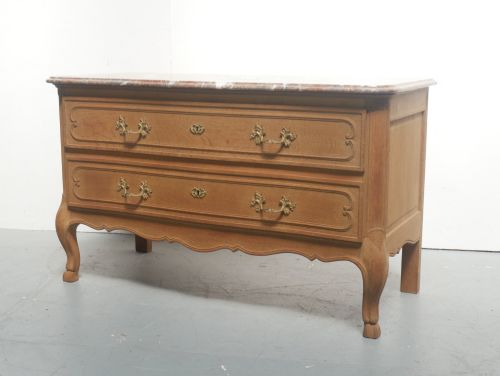
Makers built these pieces primarily using solid oak, sometimes combining it with walnut, fruitwood, cherrywood, or marble tops depending on the regional style. Joinery techniques varied from traditional pegged framing to dovetailed drawer construction.
Metal hardware such as brass handles and escutcheons complemented the timber, while wrought iron reinforced certain internal or structural elements. Surfaces were left natural, polished, or scrubbed to highlight the grain of the wood.
Some chests moonlight as strong boxes, keeping your secrets safer than a modern password.
Distinctions in quality
The quality of a piece rests in the fluidity of the leg curves and the proportion of the stand to the main body. Superior examples display harmonious balance, where the carved or shaped supports integrate seamlessly with the upper storage section.
The choice of timber and the crispness of any carving further separate standard items from finer works. Honest patination and original structural components elevate an example above later alterations or marriages of mismatched parts.
The Cabriole Leg Oak Chest Glossary
- Cabriole leg
- A furniture leg that bends outward in a convex curve at the top and inward in a concave curve at the bottom, finishing in a pad or foot. This design originated in ancient times and became prominent in European furniture during the seventeenth and eighteenth centuries.
- Chest on stand
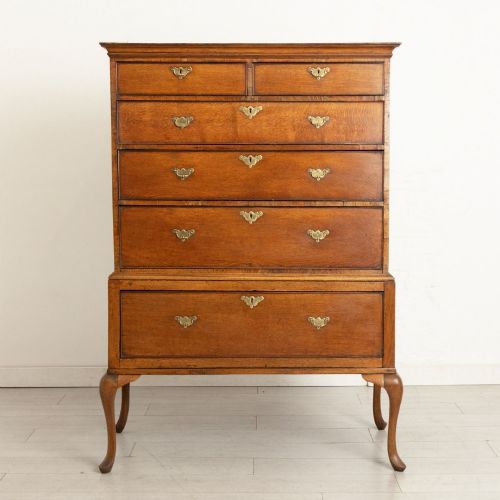
- A tall storage chest raised off the floor on a separate frame or base with legs. This form kept garments away from damp floors and allowed easier access without deep bending.
- Lowboy
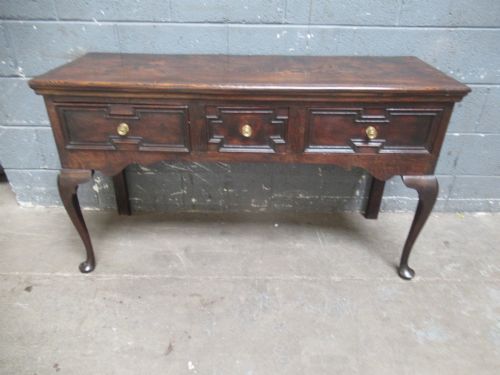
- A small table with drawers, resembling the lower section of a tallboy or chest on stand. These served variously as dressing tables or side tables in eighteenth-century rooms.
- Coffer
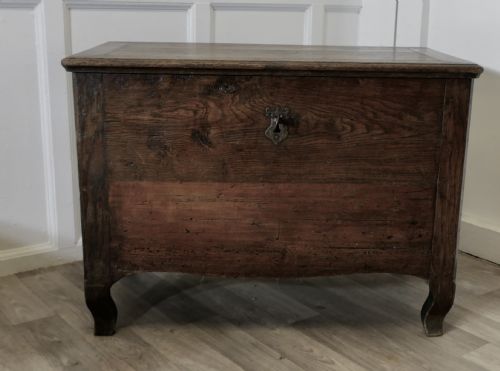
- A heavy chest with a hinged lid, traditionally used for storing valuables or linen. Early versions relied on robust framing and iron hardware for security.
- Commode
- A low chest of drawers, often of French origin. The term covers various elegant drawer units designed for domestic chambers.
Cabriole Leg Oak Chest: Frequently Asked Questions
What is a chest on stand?
A chest on stand consists of an upper storage compartment mounted on a raised leg frame. This design lifts the main body of the furniture off the ground.
Such pieces provide accessible drawer storage while maintaining a lighter footprint in a room compared to floor-standing wardrobes.
How do I care for antique oak?
Antique oak benefits from minimal intervention, typically requiring only dusting with a dry cloth and occasional application of appropriate wax. Avoiding direct sunlight and extreme humidity changes protects the timber.
Maintaining stable environmental conditions prevents the wood from drying out or splitting over the decades.
Where were these chests used?
These pieces served primarily in bedrooms, parlours, and hallways for storing clothing, linens, and household valuables. Their elevated designs suited formal domestic spaces.
Today, they adapt readily to modern interiors as functional storage items in hallways or living areas.
How do I distinguish eighteenth-century pieces?
Eighteenth-century examples display traditional joinery methods such as hand-cut dovetails and pegged frames. The timber patination develops naturally through handling and age.
Examining the interior construction and secondary woods helps confirm the period of manufacture.