




Louis XV Style Oak Commode
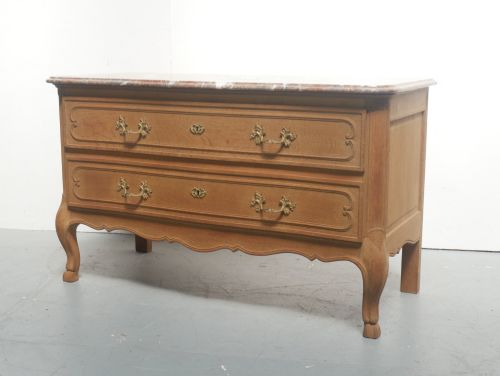
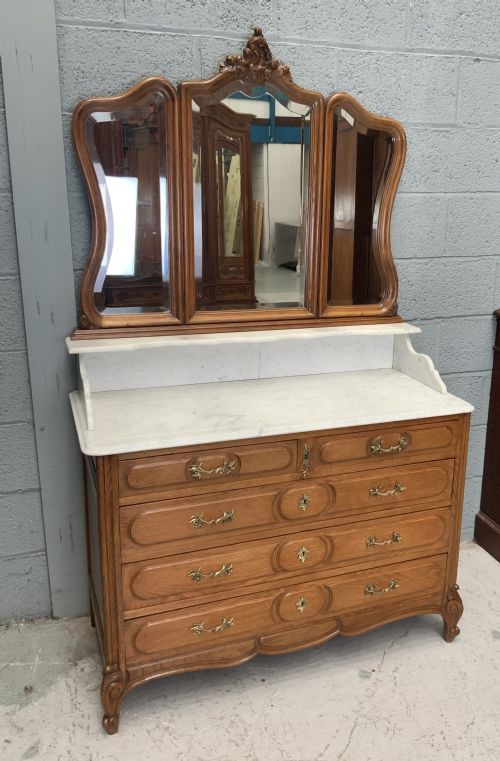
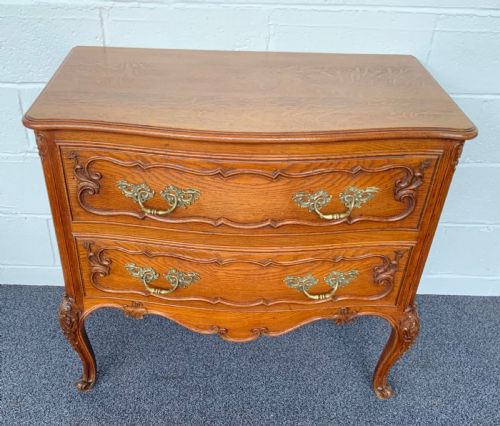
These pieces of louis xv style oak commode combine provincial French proportion with serpentine movement, offering generous storage topped with marble or timber.
Louis XV Style Oak Commode
A louis xv style oak commode is a low storage chest shaped by characteristic curved lines and distinct regional French cabinet-making traditions. Buyers searching this phrase most commonly encounter pieces produced across the nineteenth and early twentieth centuries, though eighteenth-century examples also appear.
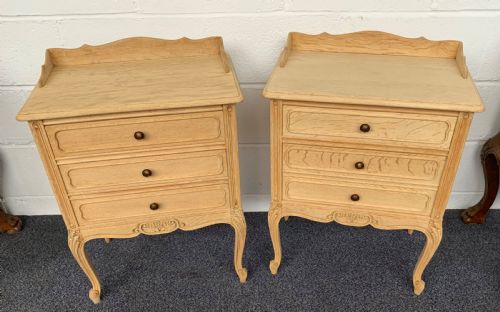
Forms range from standard chests of drawers and bedside cabinets to washstands and sideboards with bow front or serpentine profiles. Oak remains the defining structural timber across these provincial variations.
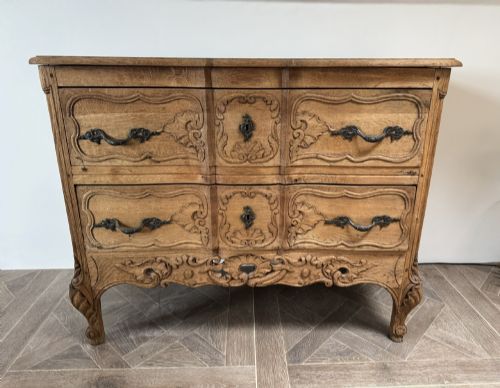
The aesthetic bridges formal Parisian design with rustic utility, employing carved details and shaped aprons rather than heavy geometric uniformity.
Materials and construction
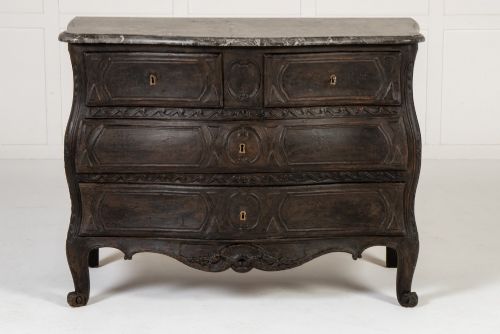
Makers constructed these commodes primarily in solid oak, occasionally enhanced with painted, ebonised, or bleached surface treatments. Heavy marble slabs form the upper surface on numerous examples, supported directly by the timber framework.
Brass and iron hardware, including handles and escutcheons, accent the drawers and doors. Glass elements and carved wooden motifs complete the decorative vocabulary of these provincial items.
Listings span periods from the eighteenth century through the 1930s, featuring oak combined with marble, brass, and paint.
Judgements of quality
Quality rests in the precision of the carved decoration and the fluidity of the serpentine or bombe curves shaping the carcass. Pieces displaying crisp hand-carving and well-fitted marble tops sit at the upper end of the range.
The integrity of the original oak construction and the subtlety of surface finishes, whether scrubbed, bleached, or painted, distinguish superior examples from standard production.
The Louis XV Style Oak Commode Glossary
- Serpentine
- A shape characterised by a double curve, flowing outward then inward, commonly seen on the fronts of these commodes. This contour requires skilled carpentry to execute smoothly across the drawer tiers.
- Bombe
- A swollen or bulging convex contour on the front and sides of a chest. This profile demands advanced shaping techniques to maintain structural stability.
- Bleached oak
- Timber treated to lighten its natural tone, a finish frequently found on twentieth-century interpretations of these designs. It offers a softer visual weight than untreated dark wood.
- Scrubbed oak
- A surface finish achieved through thorough cleaning that exposes the raw grain and texture of the wood. This treatment emphasises the material qualities of the provincial timber.
- Washstand
- A specialised cabinet or chest designed to hold a basin and pitcher, often fitted with a marble top. These pieces share the stylistic vocabulary of standard commodes.
Louis XV Style Oak Commode: Frequently Asked Questions
How do I clean the marble top?
Use a soft cloth dampened with warm water and mild, non-acidic soap to wipe the stone surface gently. Avoid harsh detergents or vinegar, which can etch or dull the polished marble.
Dry the top thoroughly with a clean towel immediately after washing to prevent water spotting and maintain the natural lustre of the material.
Where should I place this commode?
These chests suit living rooms, hallways, or bedrooms where their sculptural curves and substantial storage capacity can function practically. Ensure the chosen location provides adequate clearance for opening drawers and cabinet doors.
Keep the piece away from direct heat sources and strong sunlight to protect the oak timber and any applied surface finishes from warping or fading.
Are these pieces strictly eighteenth century?
Most items found here date from the nineteenth and early twentieth centuries, created in the historic style rather than during the original royal period. True eighteenth-century examples do occur but represent a smaller share of the available selection.
Examinations of construction methods and timber wear help determine the exact production era of an individual chest.
What is the difference between a commode and a chest of drawers?
In this context, the terms often overlap to describe low storage chests featuring two or more drawers. A commode specifically implies a French influence with decorative serpentine or bombe shaping.
Standard chests of drawers may present straighter lines, while pieces designated as commodes emphasise curved fronts and ornamental aprons.