


Miniature Oak Coffer
A miniature oak coffer is a small scale storage box that brings centuries of regional woodworking history into a room without dominating the floor space.
Miniature Oak Coffer
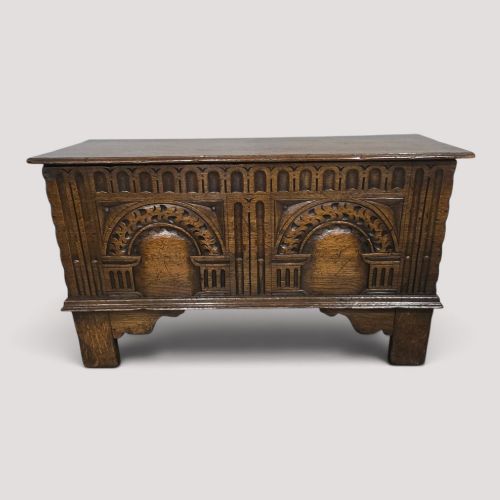
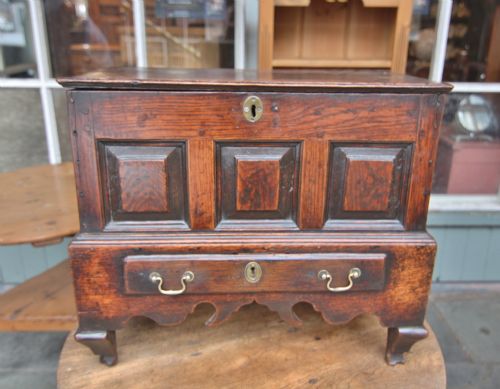
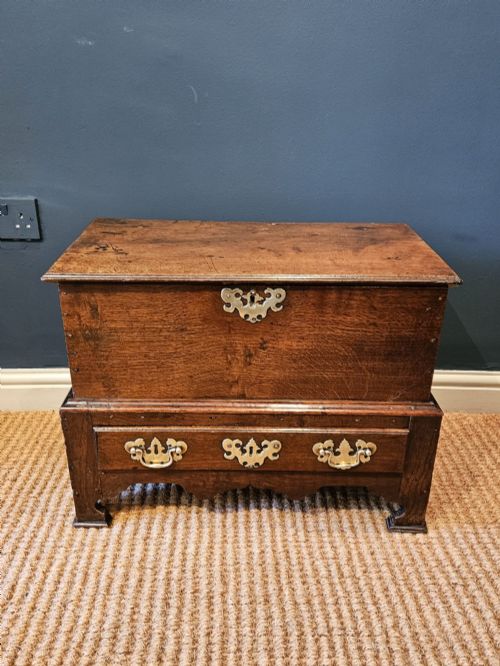
When you search for a miniature oak coffer, you encounter the traditional coffer bach alongside diminutive blanket chests and tabletop boxes originating largely from eighteenth century Wales and England. These small pieces mirror the construction and proportions of full sized domestic furniture used for linens and valuables.
The versions most frequently found on this page are Welsh regional examples from the Georgian period, often fitted with interior till compartments and resting on bracket or turned feet. Such pieces served practical household functions in smaller dwellings or functioned as dowry gifts and presentation items.
Other variants include continental apprentice pieces and tabletop cabinets from the seventeenth to nineteenth centuries, expanding the definition beyond simple boarded chests into multi drawer formats. Each object demonstrates how master craftsmen applied full scale architectural detailing to miniature forms.
How they were made
Makers built these pieces primarily from solid timber, utilising oak planks joined with pegged mortise and tenon framing or simple dovetail corners. Secondary materials like fruitwood inlay, bone, and timber banding provided decorative contrast on the front panels and lids.
Hardware played an essential functional and decorative role, featuring forged iron hinges and brass lock plates that secured the lid. Turned feet and applied mouldings gave elevation and depth to the small bodies, requiring precise hand tool work from regional joiners.
Miniature Oak Coffer Retail Price Guide 2026
Typical asking prices for miniature oak coffer among the pieces listed under this phrase on Sellingantiques today, from the lower quarter to the upper quarter. They describe what is for sale here now, not the wider market.
Listings feature oak timbers combined with brass, iron, and various decorative wood inlays across eighteenth century Welsh and English forms.
What varies in quality
The standard of timber selection and joinery distinguishes finer examples from simpler provincial work, particularly in the crispness of the mouldings and the tightness of the corner joints. Original surfaces and untouched patina carry significant weight among collectors who value honesty of age over heavy restoration.
Proportion and decorative restraint dictate visual success, as the most accomplished pieces maintain architectural balance despite their reduced scale. The inclusion of secondary woods, bone stringing, or intricate inlay work elevates the status of a box from utilitarian storage to cabinetmaker art.
The Miniature Oak Coffer Glossary
- Coffer bach
- A Welsh term translating to little coffer, denoting small oak chests traditionally made for domestic storage or betrothal gifts. These pieces frequently incorporate a single drawer beneath the main compartment.
- Till
- A small internal lidded compartment built into one corner of a coffer for storing coins, documents, or small valuables. It sits inside the main cavity just beneath the lid.
- Apprentice piece
- A demonstration object created by a tradesman to prove skill and secure admission to a guild or master status. They display exceptional attention to detail.
- Mule chest
- A form of storage chest featuring one or more drawers at the base beneath the primary lift up lid compartment. They bridge the design gap between the traditional coffer and the modern chest of drawers.
- Vernacular furniture
- Domestic objects built by local craftspeople using regional traditions and readily available materials rather than following metropolitan fashion. Oak remains the predominant timber in these pieces.
Miniature Oak Coffer: Frequently Asked Questions
How were miniature coffers used?
Historical households utilised these small chests for storing precious documents, currency, small linens, and jewellery.
Many served as special presentation pieces for weddings or christenings, holding gifts given to family members.
How do I date an oak coffer?
Dating relies on observing construction methods, such as hand cut dovetails, forged iron hardware, and timber framing techniques.
Foot styles and decorative inlay patterns also offer strong stylistic clues pointing to specific decades within the Georgian era.
Where should I place a miniature coffer?
These compact pieces sit comfortably on top of sideboards, desks, or low tables where their detail can be viewed closely.
They function well in living spaces or hallways as secure spots for everyday pocket items while adding historical character to a room.