

Small Wooden Storage Box
A small wooden storage box organises intimate possessions, holding everything from documents to spices within sturdy period timber.
Small Wooden Storage Box
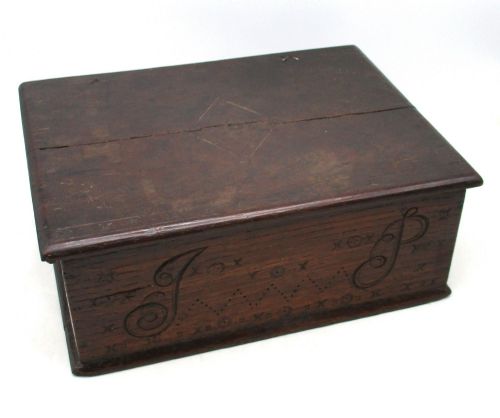
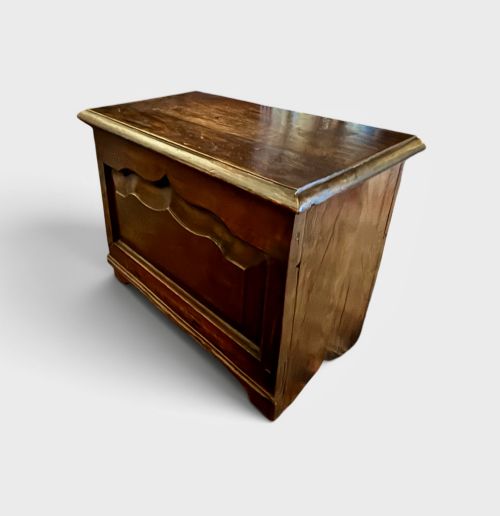
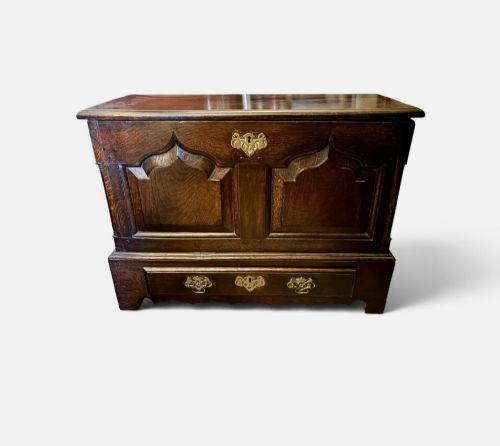
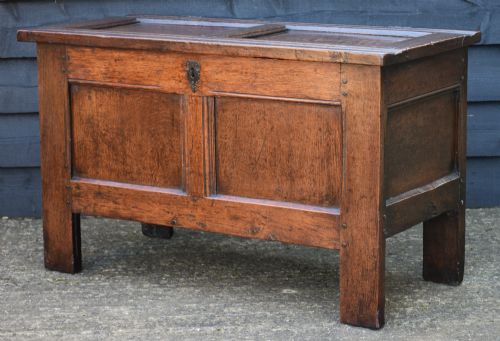
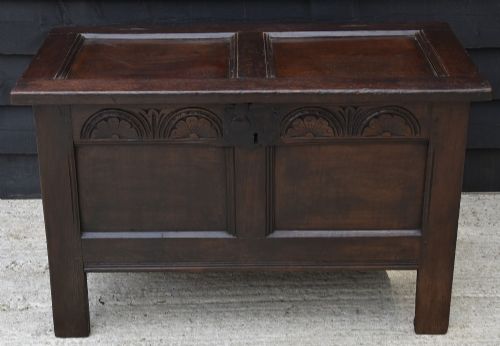
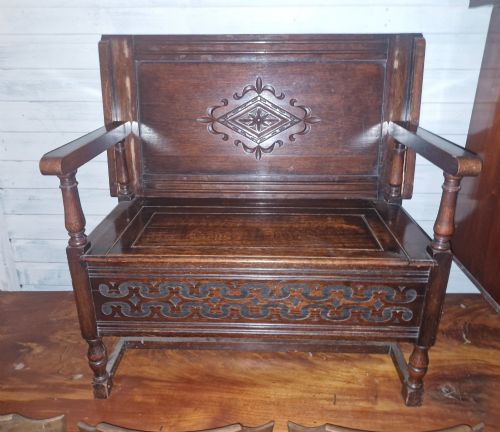
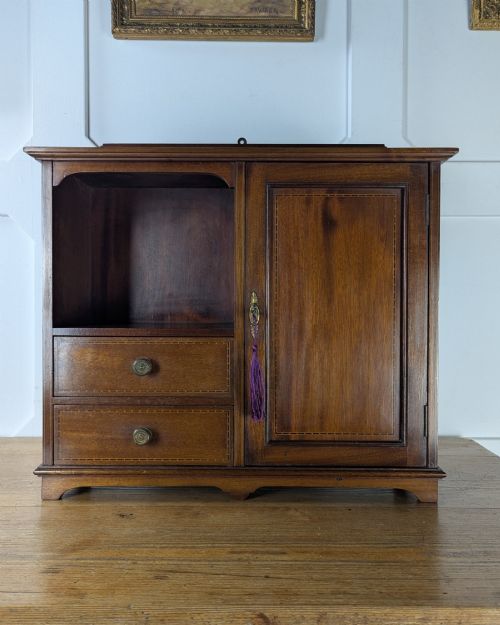
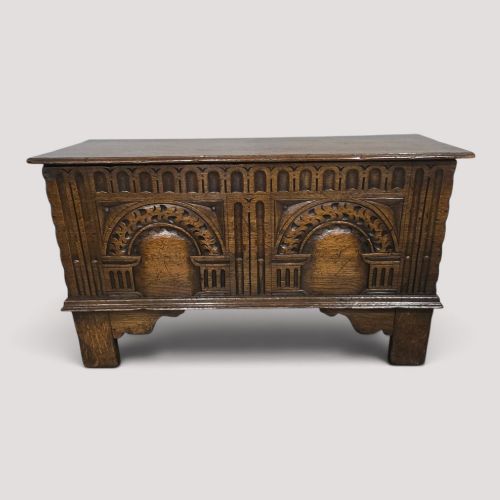
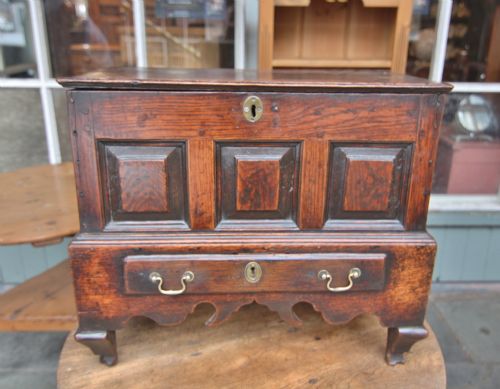
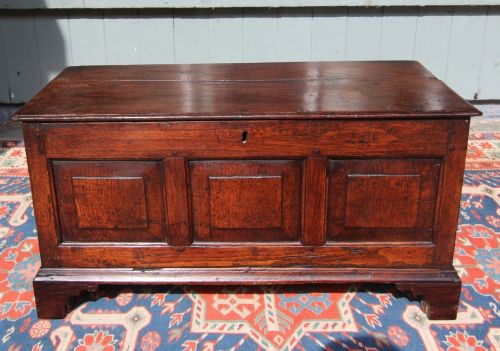
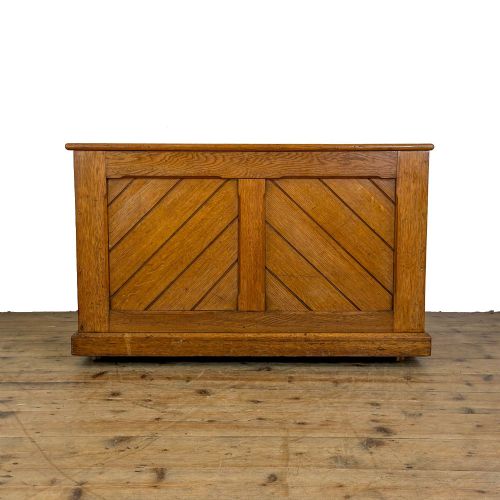
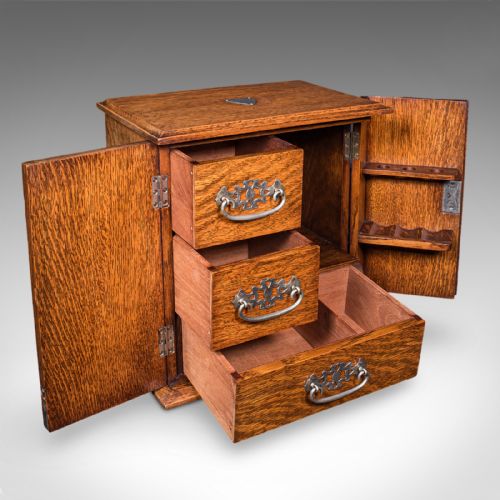
A small wooden storage box encompasses diverse functional forms designed for domestic organisation, frequently appearing as compact coffers, miniature chests, and tabletop spice cupboards. Buyers seeking this phrase encounter regional Welsh coffer bach items alongside Georgian spice drawers and Victorian deed boxes.
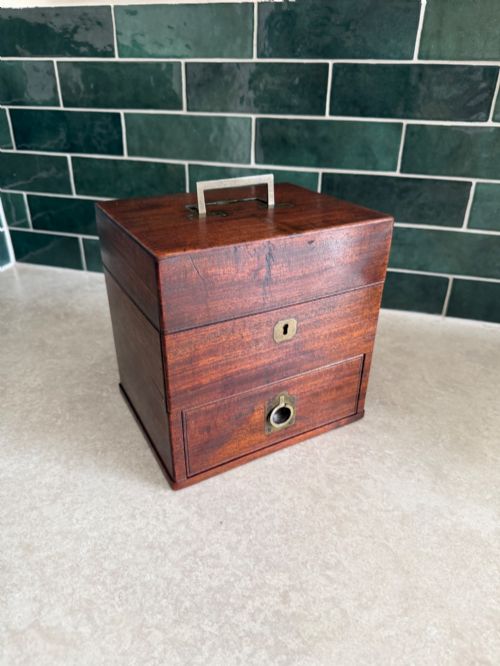
The material record spans centuries of cabinetmaking, showing an abundance of oak, mahogany, pine, and walnut shaped into document boxes, tea caddies, and apothecary cabinets. Many examples originate from the seventeenth, eighteenth, and nineteenth centuries, reflecting domestic needs across various historical periods.
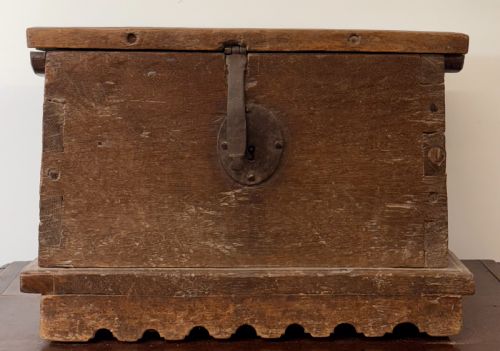
Proportions remain intentionally small, allowing these pieces to function as tabletop storage, miniature furniture, or portable strongboxes bound in iron and brass. Specific styles such as Jacobean panel work, Victorian vernacular, and painted European finishes appear across the selection.
Materials and construction methods
Cabinetmakers utilised native timbers such as oak, elm, and fruitwood, often selecting quarter-sawn boards to ensure stability in small structural elements. Panels were frequently hand-carved with linen fold or geometric motifs, reflecting regional traditions and prevailing historical styles.
Metal hardware played an essential functional role, incorporating forged iron straps, brass carrying handles, and secure locks with keys for valuables and documents. Secondary woods appeared in internal dividers, while hide glue and traditional joinery united the primary housing.
Materials span native oak, walnut, and mahogany alongside iron-bound pine strongboxes and painted Hungarian pinewood containers.
Distinctions in construction and finish
Quality rests upon the integrity of the original timber and the retention of period joinery, such as hand-cut dovetails on miniature drawer units. Pieces retaining surface patination developed through decades of domestic use demonstrate superior historical survival compared to heavily stripped examples.
Hardware originality dictates value, with surviving period brass escutcheons, hinges, and working locks enhancing authenticity. The crispness of carved details, such as green man motifs or panel mouldings, separates utilitarian workshop output from accomplished cabinetwork.
The Small Wooden Storage Box Glossary
- Coffer bach
- A small Welsh tabletop chest traditionally used for linen or valuables. These miniature oak storage pieces often feature carved panels and small drawers beneath the main lift-top compartment.
- Spice cupboard
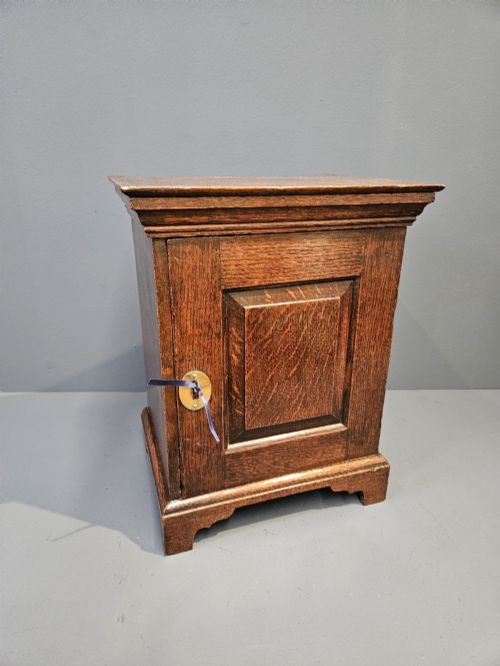
- A small wall-hanging or tabletop cabinet containing multiple internal drawers for storing culinary or medicinal ingredients. Georgian examples frequently employ fine oak or walnut veneers.
- Deed box
- A secure lidded container utilised for storing legal documents and land indentures. Typically constructed in mahogany or oak, they often incorporate brass carrying handles and robust locks.
- Apprentice piece
- A miniature item of furniture created by a craftsman to demonstrate mastery of trade skills. These small chests of drawers show the exact construction methods of full-scale furniture.
- Linen fold
- A carved wooden panel motif imitating folded cloth. This decorative technique appears frequently on seventeenth-century oak coffers and boxes.
Small Wooden Storage Box: Frequently Asked Questions
What is a coffer bach?
A coffer bach is a traditional Welsh miniature chest designed for storing domestic valuables or small garments. These pieces typically sit upon a tabletop or low stand.
They reflect vernacular woodworking traditions, frequently utilising local oak and incorporating small drawers beneath the primary lifting lid.
How were apothecary boxes used?
Apothecary boxes functioned as portable pharmacies for storing medicinal vials, scales, and powders. Physicians and households relied on them to transport treatments safely.
Internal partitions and fitted compartments kept glass bottles secure during transit across nineteenth-century households and travels.
How do I date an oak box?
Dating relies upon examining construction marks, joint types, and timber preparation methods. Hand-sawn boards and pegged mortise and tenon joints indicate earlier periods.
Stylistic cues such as Jacobean panel carving, brass hardware styles, and general wear patterns help narrow down the manufacturing era.
Where should I place a small box?
These compact storage pieces suit placement on sideboards, desks, or dressing tables where they provide functional organisation. Their small proportions allow them to integrate easily into various room layouts.
Keeping them away from direct heat sources protects historical timber and nineteenth-century surface finishes from drying out.