

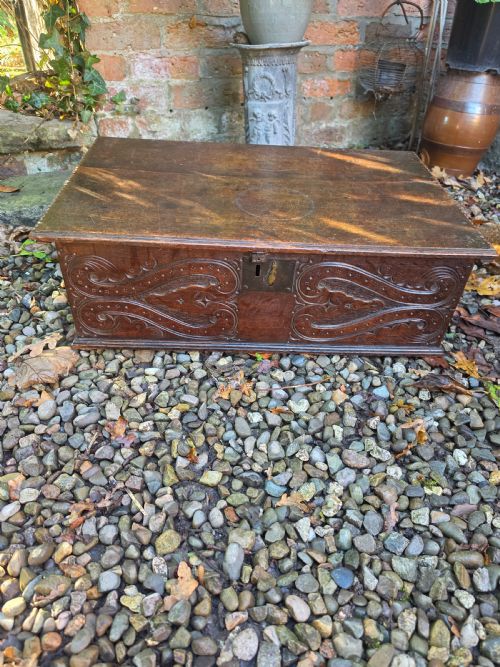
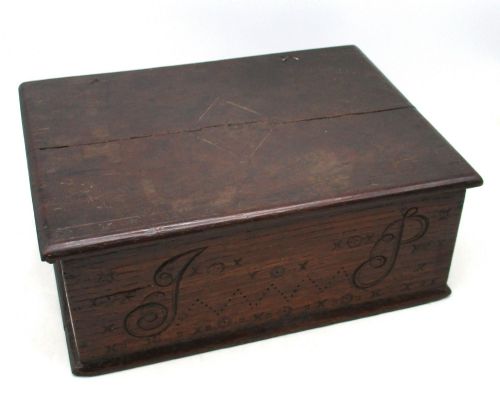
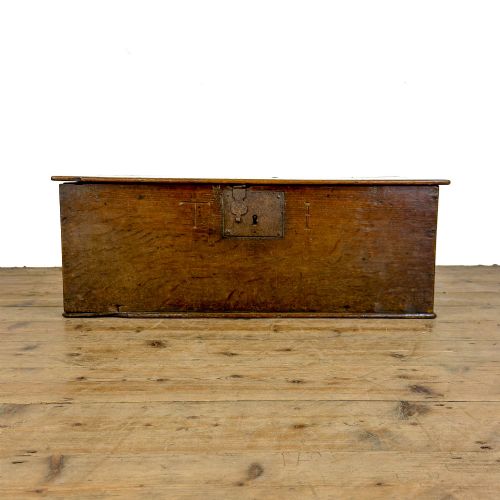
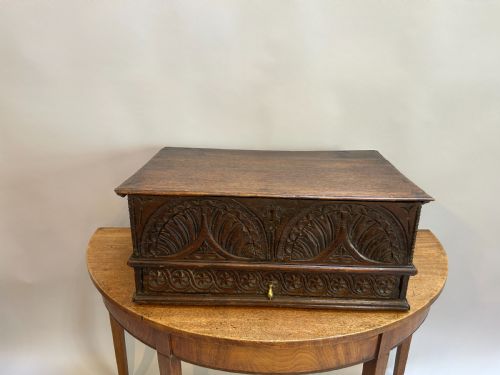


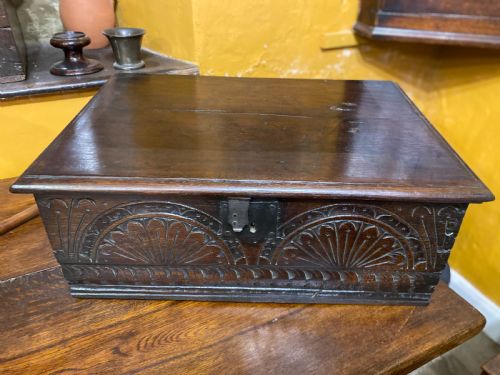


Carved Oak Keepsake Box
These carved oak keepsake box examples bring sturdy timber and historic handwork straight to your desk.
Carved Oak Keepsake Box
A carved oak keepsake box is a solid timber chest designed for documents, Bibles, letters, or small valuables. You will most frequently encounter bible boxes, document boxes, and lidded storage boxes dating from the seventeenth century through to the Edwardian era.
The regional origins and period styles span early English oak work, Welsh table boxes, and Georgian forms alongside later Victorian and Edwardian interpretations. Makers constructed these pieces to protect precious household records and personal items, resulting in robust storage vessels built to last.
How they were made
Craftsmen built these pieces primarily from native oak, sometimes combining pollard oak, teak, rosewood, or hardwood for contrast and inlay work. Iron and brass hardware such as hinges, latches, and lock plates secure the lids and add structural integrity.
Surface decoration relies on chip carving, relief carving, and panel moulding executed by hand using traditional woodworking tools. Joinery methods include pegged joints and dovetailed corners suited to holding heavy timber together over centuries.
Carved Oak Keepsake Box Retail Price Guide 2026
Typical asking prices for carved oak keepsake box among the pieces listed under this phrase on Sellingantiques today, from the lower quarter to the upper quarter. They describe what is for sale here now, not the wider market.
Listings feature oak alongside iron, brass, hardwood, teak, and rosewood across periods from the seventeenth century to the Edwardian era.
What varies in quality
The crispness and depth of the hand carving distinguish finer examples from simpler utilitarian containers, with intricate chip carving and well-defined motifs commanding attention. The quality of the timber selection, such as striking medullary rays in quarter-sawn oak, also elevates a piece.
Originality of hardware and surface patination play a major role in establishing the character of each box. Retaining period brass or iron fittings and untouched timber surfaces marks out superior historic examples.
The Carved Oak Keepsake Box Glossary
- Bible box
- A sloping-lidded desk box originally made to house a family Bible. These pieces often feature carved fronts and resting ledges.
- Chip carving
- A form of decoration created by chipping small triangles and geometric patterns out of the wood surface with a gouge or knife.
- Document box
- A compact lidded chest designed for storing legal papers, letters, and deeds securely. They typically feature flat or slightly domed lids with iron locks.
- Pollard oak
- Timber taken from trees that have been pollarded, producing a gnarled grain pattern with dense clusters of knots prized for decorative veneers.
- Quarter-sawn
- A method of cutting logs that yields boards with prominent medullary ray figuring across the grain. This cut provides extra stability to the timber.
Carved Oak Keepsake Box: Frequently Asked Questions
What were carved oak keepsake boxes used for?
Historic boxes served as secure storage for valuable household papers, family Bibles, correspondence, and personal trinkets.
Their robust construction and fitted locks protected important documents from dampness, theft, and loss in busy domestic settings.
How do I care for an antique oak box?
Keep wooden boxes away from direct heat sources, radiators, and strong sunlight to prevent the oak panels from splitting or warping.
Apply occasional microcrystalline wax to nourish the timber and maintain the natural lustre of the historic surface.
How can I tell a seventeenth-century box from a later one?
Early pieces from the seventeen-hundreds typically display pegged frame construction, chip carving, and hand-forged iron hardware.
Later Victorian and Edwardian examples often feature machine-sawn elements, different hinge types, and machine-cut dovetails.
Where were these wooden boxes made?
Surviving examples originate from English workshops, Welsh regional centres, and occasionally continental European makers.
Distinct regional styles appear in the carving patterns, timber choices, and specific lid designs peculiar to local joiners.