




Geometric Carved Wooden Box
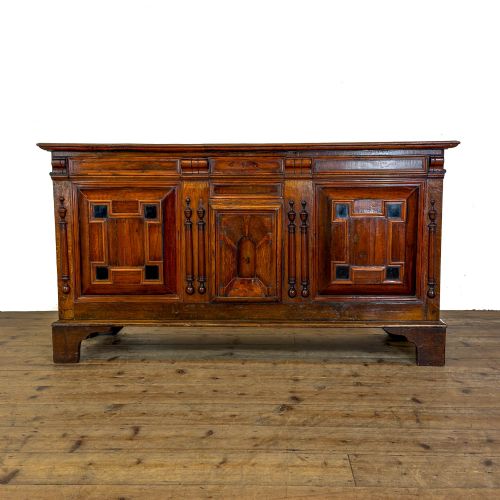
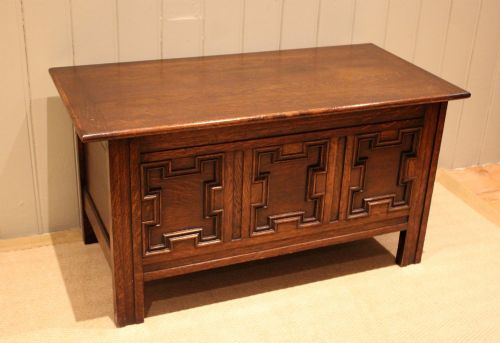
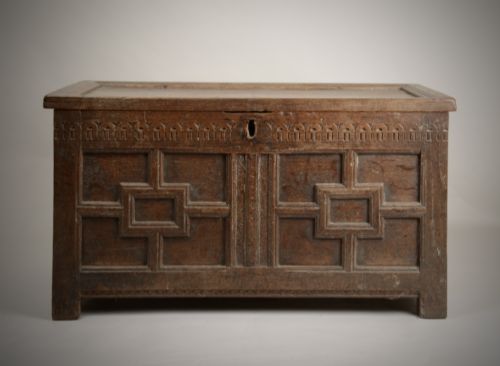
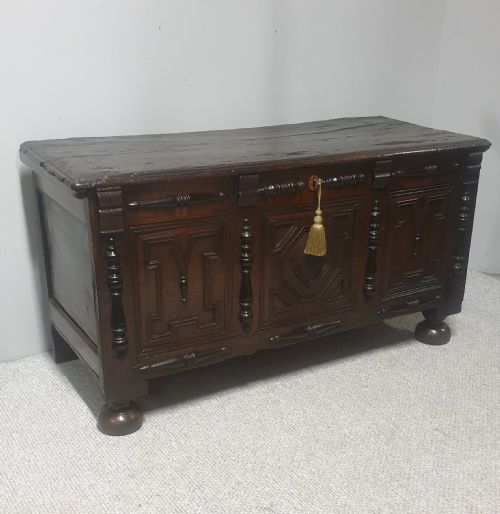
A geometric carved wooden box brings tangible architectural rhythm into a room through deeply worked surfaces.
Geometric Carved Wooden Box
When you search for a geometric carved wooden box, you are looking at sturdy storage vessels and small receptacles decorated with repeat patterns. The pieces appearing here span centuries of craftsmanship, ranging from large blanket chests down to pocket-sized snuff boxes.
You are most likely to meet substantial oak coffers alongside smaller chip-carved boxes featuring hearts and panels. These items served practical domestic storage needs before evolving into cherished decorative antiques.
The styles recorded across the inventory encompass Elizabethan, Jacobean, and later revival periods. Welsh and nineteenth-century folk art traditions also contribute distinct vernacular examples to the selection.
How they were made
Makers relied primarily on native oak, complemented by select hardwoods and fruitwood inlay for contrast. Ebonised wood and iron or brass hardware frequently complete the construction of these vessels.
Surface decoration relies on direct subtraction, utilising gouges and chisels to cut geometric moulding and chip-carved motifs directly into the timber. Panels and lids are joined using traditional methods suited to heavy daily use.
Oak is the predominant material across these listings, spanning the sixteenth century to the Victorian era alongside folk art variants.
What varies in quality
Depth and crispness of the carving distinguish a superior box from a plain utilitarian container. Sharp, confident lines in the geometric moulding indicate a skilled hand working with proper timber.
The integrity of the original wood grain and the retention of period hardware influence the standing of each piece. Greater harmony between the structural proportions and the surface ornament marks out the finest examples.
The Geometric Carved Wooden Box Glossary
- Chip carving
- A technique of removing small chips from a wooden surface at shallow angles to form geometric patterns. This method relies on steady knife work rather than deep chiselling.
- Coffer
- A large wooden chest traditionally used for storing valuables or household goods. These heavy receptacles often feature hinged lids and raised feet.
- Mule chest
- A storage chest fitted with one or more drawers beneath the main internal compartment. This form bridges the gap between the simple coffer and the chest of drawers.
- Geometric moulding
- Raised wooden profiles applied to a surface to create architectural patterns such as panels and lozenges. This detail defines the aesthetic of seventeenth-century joinery.
- Snuff box
- A small lidded container designed to hold ground tobacco for inhalation. These pocket items often display intricate miniature carving and inlay work.
Geometric Carved Wooden Box: Frequently Asked Questions
What is a geometric carved wooden box used for?
These vessels originally served to store textiles, documents, and personal valuables safely within the home. Smaller variants functioned specifically to hold tobacco or snuff.
Today, they operate effectively as practical storage furniture or decorative display objects that anchor a room's aesthetic.
How do I date an antique oak coffer?
Dating relies on observing construction methods, timber characteristics, and the style of the geometric carving. Joinery techniques changed noticeably between the sixteenth and nineteenth centuries.
Comparing the decorative motifs against known historical periods helps narrow down the decade of production.
Are these chests made from solid wood?
The pieces listed here utilise solid timbers such as oak and various hardwoods rather than manufactured boards. This solid construction accounts for their survival across multiple centuries.
Natural movement and patina develop directly from this substantial wooden build.
How do I care for a carved wooden box?
Maintain the timber by keeping the box away from direct heat sources and sudden humidity changes. Applying a suitable wax polish periodically preserves the surface sheen.
Avoid abrasive cleaners that might dull the crisp edges of the historic carving.