

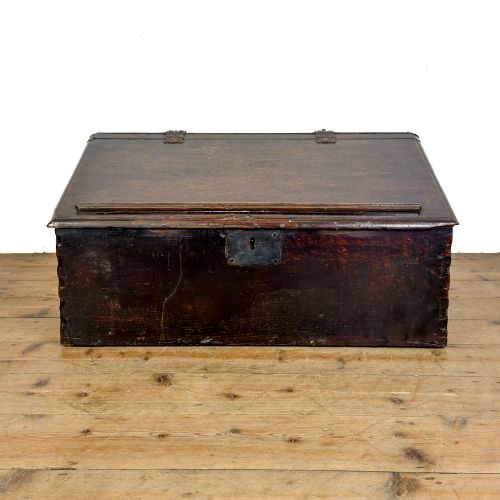
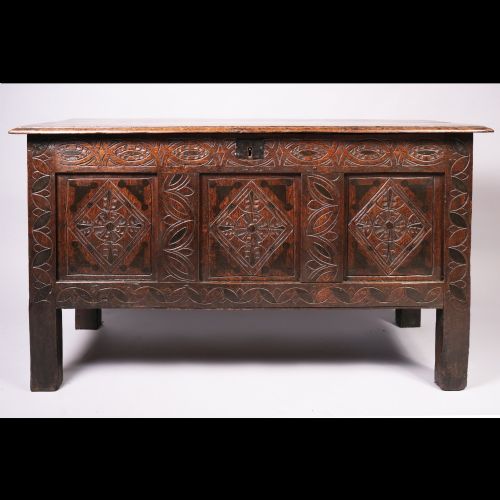
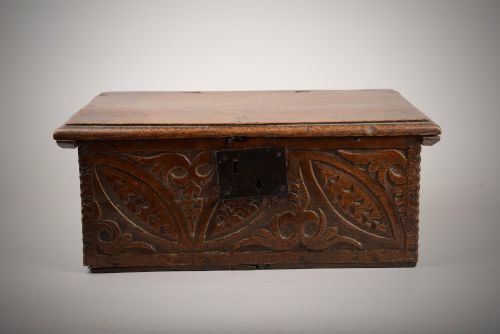
Seventeenth Century Wooden Box
A seventeenth century wooden box carries centuries of hard domestic use in its solid timbers and iron hinges.
Seventeenth Century Wooden Box
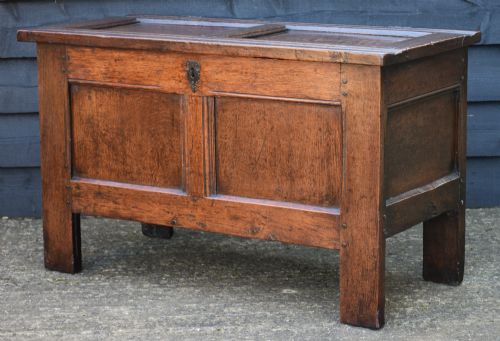
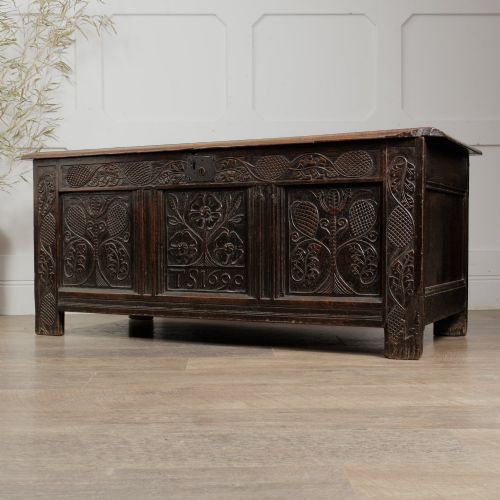
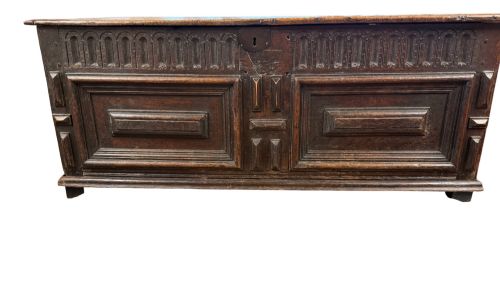
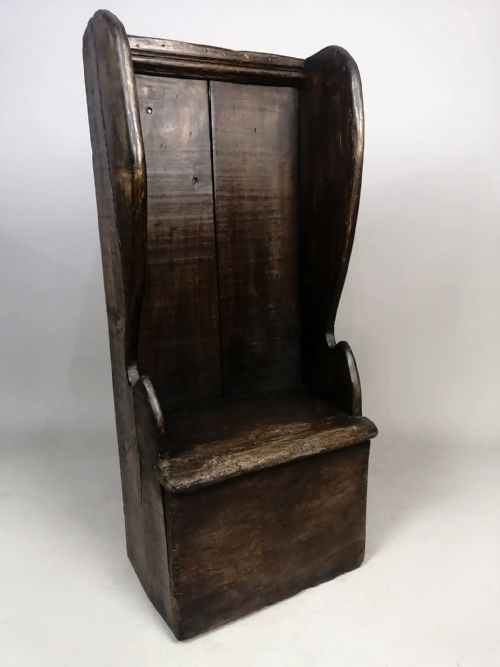
When you search for a seventeenth century wooden box, you encounter heavy storage vessels ranging from small desk and bible boxes to large oak coffers and chests. These pieces originate from regional English and Welsh workshops, alongside occasional continental or later interpretive examples.
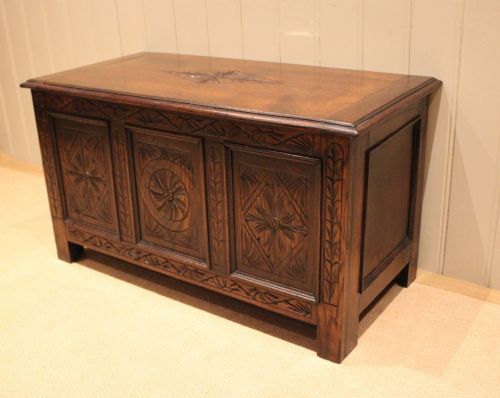
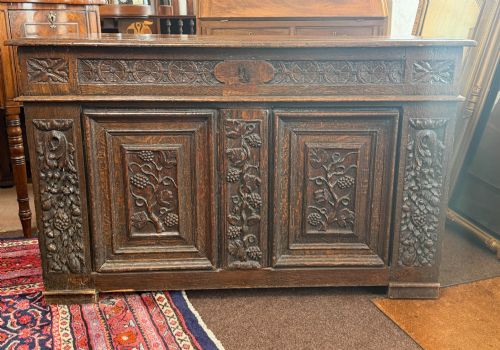
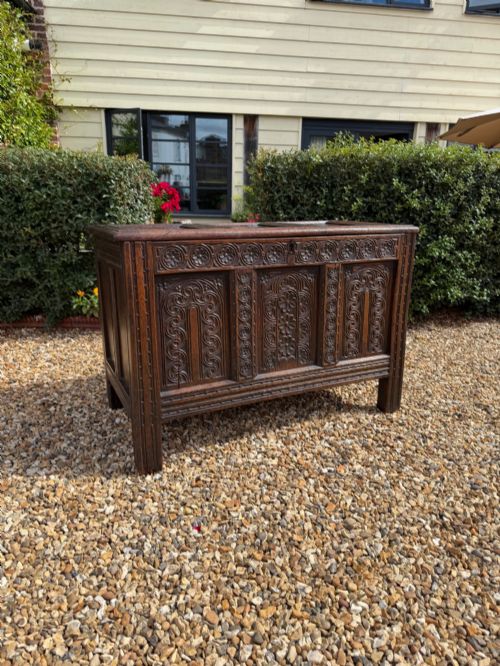
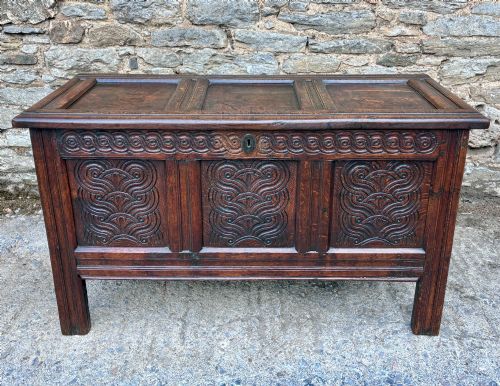
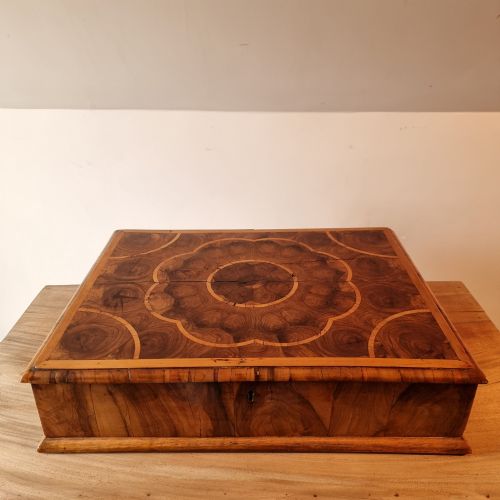
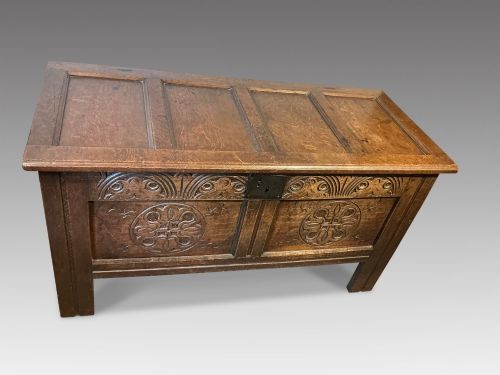
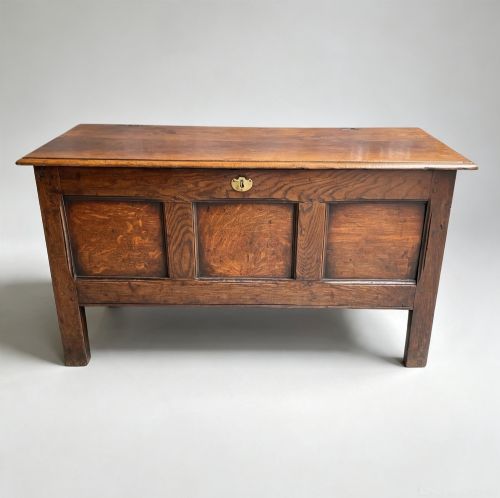
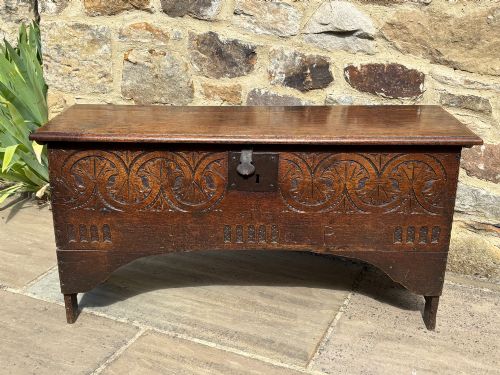
The most common form on this page is the oak coffer or panelled chest, often bearing carved detailing, linenfold panels, or simple geometric fronts. Smaller table boxes and desk boxes with internal compartments also appear frequently among the larger storage furniture.
Periods span from the seventeenth century proper into later centuries, with construction methods and timber choices defining the authentic early pieces. Regional variations, such as pieces from the Gower Peninsula or the Leeds area, give specific character to the surviving stock.
Materials and construction
Makers built these pieces primarily from solid oak, supplemented occasionally by fruitwood, walnut, and decorative elements of wood inlay or oyster veneer. Timber was split or sawn by hand, producing boards with irregular thicknesses and distinct surface textures that reveal early tool marks.
Joinery relied on mortise and tenon joints secured with wooden pegs, supplemented by hand-wrought iron or steel hinges, straps, and complex locks. Panels sat within grooved frames to allow for natural wood movement as humidity shifted through the seasons.
Some small desk boxes hide secret internal drawers designed to outsmart curious household members.
Quality and survival
The degree of original survival separates everyday utility pieces from exceptional examples, noting whether locks, hinges, feet, and boards remain unaltered since creation. Alterations such as replaced lids, trimmed bottoms, or later re-carving diminish the integrity of the piece.
The crispness of hand carving and the harmony of regional proportions determine the visual success of a box or coffer. Simpler joined panels with clean lines often hold greater appeal than heavy later additions of decorative work.
Thomas Dennis
The Seventeenth Century Wooden Box Glossary
- Coffer
- A large wooden chest used for storing valuables, linen, or documents, typically fitted with a flat lid. Many early examples utilise heavy oak panels held by frame-and-panel construction.
- Bible box
- A small tabletop box constructed to hold a family bible or writing materials, often featuring a sloping lid. These compact containers frequently sit on desks or tables.
- Linenfold
- A style of wood carving that mimics folded linen cloth, popular on panels during the Tudor and seventeenth-century periods. This decorative treatment adds texture to flat wooden surfaces.
- Mule chest
- A storage chest fitted with one or more drawers beneath the main compartment. It bridges the design transition between a simple coffer and a full chest of drawers.
- Oyster veneer
- Thin circular slices cut from small branches or roots of walnut or other timbers, arranged in repeating patterns on decorative surfaces. This technique creates a distinctive grain movement resembling oyster shells.
Seventeenth Century Wooden Box: Frequently Asked Questions
What did people store in a seventeenth century wooden box?
Households used these boxes to secure valuable documents, silver, textiles, and family bibles away from damp floors and theft. Smaller boxes served as portable desks for writing letters.
Larger coffers held household linen, woollens, and provisions, acting as secure furniture in rooms shared by many occupants.
How can I tell a genuine seventeenth century piece from a later copy?
Examine the timber surfaces for hand-tool marks, such as pit-sawing striations and irregular board thicknesses. Pegs should be hand-riven rather than perfectly round machine-turned dowels.
Check the internal construction for signs of hand-forged iron nails, traditional mortise and tenon joints, and natural timber shrinkage over time.
Where were these boxes made?
Joiners produced these pieces across English and Welsh regional workshops, with specific regional traits appearing in pieces from areas like Wales, Yorkshire, and the West Country. Local timber availability dictated whether a maker used oak, fruitwood, or walnut.
Town guilds and rural carpenters alike supplied these robust items to local parish churches, farms, and merchant houses.
How do I care for an old oak box at home?
Keep the wood away from direct heat sources and sudden humidity changes to prevent the dry timbers from splitting or warping. Maintain a stable indoor climate to protect the ancient cell structure.
Apply a light application of traditional beeswax occasionally to nourish the dry surface, avoiding modern silicone polishes.